Are These 10 Bedroom Habits Ruining Your Sleep Without You Knowing?
I used to believe that a cleaner bedroom automatically meant better sleep. Fresh sheets, harsh cleaners, everything looking spotless—like that was the secret to waking up refreshed. But the more I studied sleep science and talked with experts, the more I realized something important: some of the habits we think are helping our sleep might actually be ruining it.
If you’re someone who struggles to fall asleep, wakes up congested, or feels tired even after a full night in bed, then this is worth your attention. Because improving sleep isn’t always about cutting out caffeine or reducing screen time. Very often, it’s about how you clean your space and what you think are good habits.
Most advice out there talks about “sleep hygiene” in a very broad way—like keep your room tidy and go to bed on time. But what they miss is the how and the why. There are specific cleaning routines that are well-intentioned but counterproductive. I’ve found that understanding the mechanics behind these habits—what they trigger in your body and your environment—makes all the difference between restless nights and truly restorative sleep.
In this article, I’m not going to give you generic tips. I’ll walk you through 10 bedroom cleaning habits that sound right but can actually hurt your sleep, and more importantly, what to do instead—steps that feel practical and real, not vague or overwhelming.
Before we dive in, let me ask you this—when was the last time you seriously questioned how you clean your bedroom, not just how often?
Your sleep might depend on the answer.
Why Bedroom Cleaning Matters for Sleep

Sweepsouth
I want you to think about this for a moment: you spend almost one-third of your life in your bedroom, unconscious, breathing slowly for hours. During that time, your body is extremely sensitive to what’s in the air, on the bed, and around you.
Most people assume sleep problems start in the brain. In reality, they often start in the environment. From allergens to lighting to how “clean” is actually too clean, your bedroom quietly tells your body whether it’s safe to rest or time to stay alert.
Before we talk about specific habits, you need to understand why cleaning choices matter in the first place.
Dust, Allergens, and Breathing at Night
When you lie down, your breathing changes. It becomes slower and deeper, which means anything in your bedroom air has a direct path into your lungs.
Dust mites, pet dander, and pollen don’t just cause sneezing. They can:
- Trigger nasal congestion at night
- Increase mouth breathing and snoring
- Cause micro-awakenings you don’t even remember
Sleep health organizations consistently point out that allergens are a major reason people wake up feeling tired despite sleeping “enough” hours. The Sleep Foundation explains that allergens like dust mites can worsen sleep quality by disrupting breathing and increasing nighttime discomfort.
The problem is, many common cleaning habits—like dry dusting or cleaning at night—actually stir these allergens into the air right before bed, when your body is most vulnerable.
Microbiome Balance — Not Too Clean, Not Too Dirty
This is where things get uncomfortable for perfectionists.
I used to believe that killing every germ was the goal. But research on bedroom environments suggests the opposite: your bed isn’t supposed to be sterile.
Your mattress, sheets, and even skin host a mix of microbes. When that balance is constantly stripped away using harsh chemicals, it can:
- Irritate your skin and airways
- Increase sensitivity to allergens
- Create rebound microbial growth
Science Focus highlights how the hidden ecosystem in your bed plays a role in sleep and health, and how over-sanitizing can backfire instead of protect you.
In simple terms: clean doesn’t mean aggressive.
Circadian Cues from the Bedroom Space
Your bedroom doesn’t just affect breathing—it talks directly to your internal clock.
Your brain uses environmental signals to decide whether it’s time to wind down or stay alert. These include:
- Light: Bright overhead lights signal daytime
- Scent: Strong chemical smells can increase alertness
- Clutter: Visual chaos keeps your mind active
The way your furniture and bed are positioned can affect light exposure and airflow — if you want to see how your current setup might be impacting your rest, read how your bedroom layout could be keeping you from sleeping well.
When cleaning happens late at night with strong lights, strong smells, and lots of movement, you’re unknowingly telling your brain: stay awake.
That’s why timing and method matter just as much as cleanliness itself.
What Experts Actually Say About Bedroom Cleaning and Sleep
I used to think a clean room was just about looking nice. But sleep specialists keep reminding us that your bedroom environment is part of your sleep system, not just decoration.
Experts like Dr. Shelby Harris and Dr. Matthew Walker often point out that even small disruptions—like harsh smells, bright lights, or dust—can fragment your sleep without you realizing it. That’s why cleaning isn’t just about neatness; it’s about supporting your body’s natural rest cycles.
Research-backed platforms, including Healthline, emphasize that proper bedroom hygiene affects sleep quality by reducing allergens, controlling air quality, and creating a calm, predictable environment.
Here’s the truth: a spotless room doesn’t automatically mean better sleep. It’s about strategic cleaning that works with your biology, not against it.
The 10 Bedroom Cleaning Habits That Could Be Ruining Your Sleep
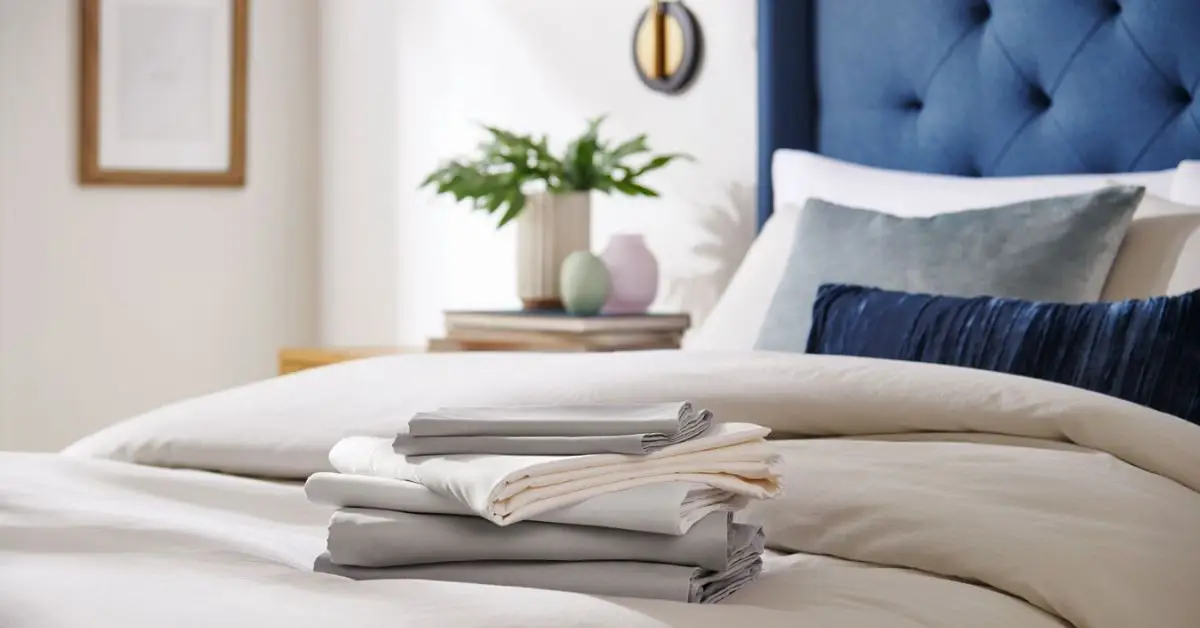
1. Waiting Weeks to Wash Sheets and Pillowcases
I get it — life gets busy. But here’s the issue: your sheets become one of the primary habitats for dust mites and dead skin cells within just a few sleeps. Over time, that buildup can:
- Trigger allergies and congestion at night
- Increase micro‑arousals you don’t consciously recall
- Reduce your deep sleep cycles
What to do instead: Wash sheets at least once a week and pillowcases twice a week if you sweat, have allergies, or share your bed. This prevents allergen buildup and helps keep your airways clear.
2. Spraying Strong Chemicals Right Before Bed
Spray a cleaner and think you’re done for the night? Think again. Many conventional cleaners release volatile organic compounds (VOCs) that linger in the air long after you leave the room — and your body is inhaling them as you try to sleep. These fumes can:
- Irritate nasal passages
- Stimulate your nervous system
- Confuse your brain’s “relax” signal
What to do instead:
- Use mild, non‑toxic cleaning solutions.
- If you must use a stronger product, clean earlier in the day so the air clears before sleep.
3. Over‑Sanitizing Your Mattress
This one surprised even me. We often assume more cleaning = better sleep, but your mattress hosts a natural balance of microbes that — believe it or not — plays a role in how your body responds to its environment. When you strip it too clean with harsh chemicals:
- You may irritate skin and airways
- You can disrupt that microbial balance
- You make allergens more reactive by removing competing microbes
What to do instead: Spot‑clean stains and let fresh air circulate — often that’s enough. Avoid heavy chemical sprays on mattress surfaces.
4. Vacuuming Your Bedroom at Night
Vacuuming right before lights out seems productive, but it can backfire. Loud machines signal alertness to your nervous system, and vacuuming raises dust into the air just when you should be calming down.
What to do instead: Vacuum earlier in the day, and use a vacuum with a HEPA filter to reduce fine particles that float long after you’re done.
5. Cleaning With Bright Lights On
Your biology runs on light cues. Bright, overhead lighting tells your internal clock that it’s daytime — even if you’re getting ready for bed. When you clean under harsh illumination:
- Your brain stays in “alert mode”
- Melatonin release gets delayed
- Falling asleep becomes harder
What to do instead: Switch to soft, warm lighting if you must tidy late.
6. Not Dusting Electronics and Vents
Electronics and vents attract dust like magnets. Forgotten dust builds up and then circulates throughout the night — especially when air flows during sleep. That’s not just untidy; it’s irritating.
What to do instead: Dust vents and electronics weekly with a microfiber cloth — this prevents allergens from becoming airborne.
7. Using Scented Products That Trigger Sensitivity
Some scented products smell good, but your lungs don’t always agree. Strong fragrances can trigger histamine chains that keep your nervous system halfway awake.
What to do instead: Choose fragrance‑free products, or very mild natural scents if you must have a fragrance.
8. Leaving Clutter That Traps Dust
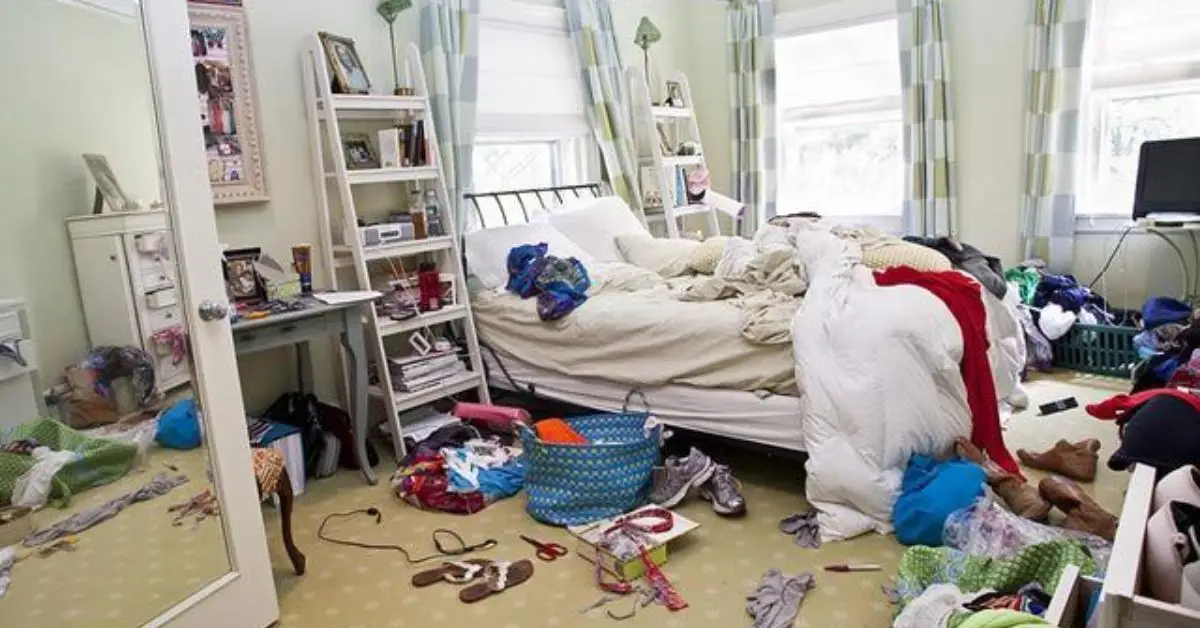
Clutter isn’t just ugly — it collects dust and sends visual signals to your brain that work is unfinished, making it harder to relax. Clearing clutter not only reduces allergens but also helps your mind relax — if you’re unsure where to start, check out this guide on 14 items to toss from your bedroom for better sleep. It also traps allergens out of sight but not out of effect.
What to do instead: Clear surfaces and store items out of sight. Minimalism here isn’t about style — it’s about reducing stimulation.
9. Washing Bedding in Hot Water Only
Hot water sounds like it should kill everything. But it doesn’t always remove allergens effectively, and repeated hot washes wear out fabrics faster.
What to do instead: Follow care instructions — warm water with a good detergent targets both oils and dust mites effectively.
10. Turning Off AC Filters or Fans When Cleaning
Cold air isn’t a problem — stagnant air is. Turning off air circulation while you clean lets particles settle back into your breathing zone.
What to do instead: Keep light airflow going with AC or a purifier while you clean so dust doesn’t settle on your pillow.
This approach ensures your bedroom supports sleep instead of silently sabotaging it. Small changes in timing, methods, and products can make a huge difference in rest quality.
Better Bedroom Cleaning Strategies That Improve Sleep
Weekly Cleaning Checklist
Now that you know which habits can backfire, let’s flip the script. Here’s a practical weekly routine that actually supports your sleep instead of undermining it:
- Sheets & Pillowcases: Wash at least once a week; pillowcases twice if you sweat or have allergies. Best done in the morning or early afternoon so they’re fresh for bedtime.
- Dusting Surfaces & Electronics: Use a microfiber cloth weekly to capture dust rather than stir it up.
- Vacuuming: Do this earlier in the day with a HEPA filter to remove dust without disrupting your night’s air.
- Air Circulation: Keep fans or AC running lightly during cleaning to prevent dust settling on your bed.
- Decluttering: Pick one surface each day to organize, so clutter never piles up. Once you’ve cleared clutter and organized surfaces, consider applying feng shui principles to your bedroom layout — small changes can enhance relaxation and improve airflow, making your space even more sleep-friendly.
- Light & Scent: Stick to warm, dim lighting and avoid strong fragrances near bedtime.
This checklist ensures your cleaning is intentional, manageable, and most importantly — sleep-friendly.
Best Products & Tools
Using the right tools makes a huge difference:
- Hypoallergenic mattress and pillow covers: Reduce dust mites and allergens that affect breathing.
- HEPA vacuum cleaners: Trap fine particles instead of sending them airborne.
- Air purifiers: Especially helpful for allergy-prone sleepers; keeps dust, pollen, and pet dander under control.
- Gentle, non-toxic cleaning sprays: Protect your microbiome and respiratory system while still keeping things fresh.
These small investments make your bedroom a sanctuary for rest, not a battleground with hidden irritants.
Conclusion
Improving your sleep doesn’t mean obsessing over perfection — it’s about smart, intentional cleaning. By adjusting habits, timing, and tools, you can reduce allergens, protect your microbiome, and create a bedroom environment that truly supports rest.
I want to hear from you: which of these cleaning habits do you struggle with the most? Drop a comment below and share your experiences — let’s help each other build better sleep routines.
Also, if you want more practical tips on creating a healthy, productive home environment, check out Build Like New for actionable guides and expert-backed advice.
Disclaimer: This article is for informational purposes only and is not a substitute for professional medical advice. Always consult a qualified healthcare provider if you have persistent sleep issues or allergies.