
10 Upholstery Fabrics That Actually Last — Durable, Stylish, and Pet-Safe
When people search for a guide to upholstery fabrics, they’re usually not looking for fabric names alone. They’re trying to avoid a costly mistake. I’ve seen this happen many times—someone buys a beautiful sofa, loves it for a few weeks, and then real life steps in. Stains show up, pet hair sticks, the fabric starts to look tired, and suddenly the furniture feels like the wrong decision.
In real homes, upholstery doesn’t live in perfect conditions. Dogs jump up without warning, kids spill drinks, sunlight hits the same cushion every day, and guests actually sit and move around. That’s why choosing fabric isn’t just about how it looks—it’s about how it holds up when life gets messy.
I’m sharing this guide from hands-on experience, not theory. The goal is to help you pick upholstery that works for your lifestyle, not just your mood or current trend. Durability, cleaning effort, pet resistance, and long-term comfort matter far more than most people realize at the buying stage.
In this guide, I’ll walk you through the best upholstery fabrics based on how people actually live—what lasts, what’s easy to maintain, what works with pets, and what gives you the best value over time. By the end, you’ll be able to choose confidently instead of guessing.
Before we dive in, what’s your biggest concern right now—pets, stains, everyday wear, or making sure your furniture still looks good years from now?
How to Choose Upholstery Fabrics — Buyer Criteria (Not Just Names)
When you’re standing in a store or scrolling online, fabric names can sound convincing. Linen, velvet, leather, microfiber—it all feels clear until you actually have to live with it. I’ve learned that choosing upholstery isn’t about memorizing fabric types. It’s about knowing what to check before you commit, so the sofa still works for you a year or two down the line.
This is where most people go wrong. They choose with their eyes, not their lifestyle. Let me walk you through the three things I always look at first—and I recommend you do the same.
Durability Metrics — What Homeowners Should Know
If you want upholstery that lasts, durability is non-negotiable. This isn’t guesswork; there are real tests behind it.
The most important one is the double rub test. It measures how much friction a fabric can handle before it starts wearing down.
Here’s how to read it in simple terms:
- Under 9,000 double rubs: Decorative use only (not ideal for daily seating)
- 15,000–30,000: Good for regular residential use
- 30,000+: Built for heavy use, kids, and pets
For most homes, I suggest aiming for at least 15,000 double rubs. Anything less often shows wear faster than expected. Industry explanations like those from Modern Furnishing Dubai help clarify how abrasion resistance is tested and why it matters for long-term furniture use.
Durability isn’t just about numbers, though. Two other things matter just as much:
- Weave: Tighter weaves resist snagging and fraying better
- Fiber type: Synthetics usually outlast delicate natural fibers in busy homes
If you want furniture you don’t have to baby, these details matter more than brand names.
Cleanability & Stain Resistance — Making Everyday Life Easier
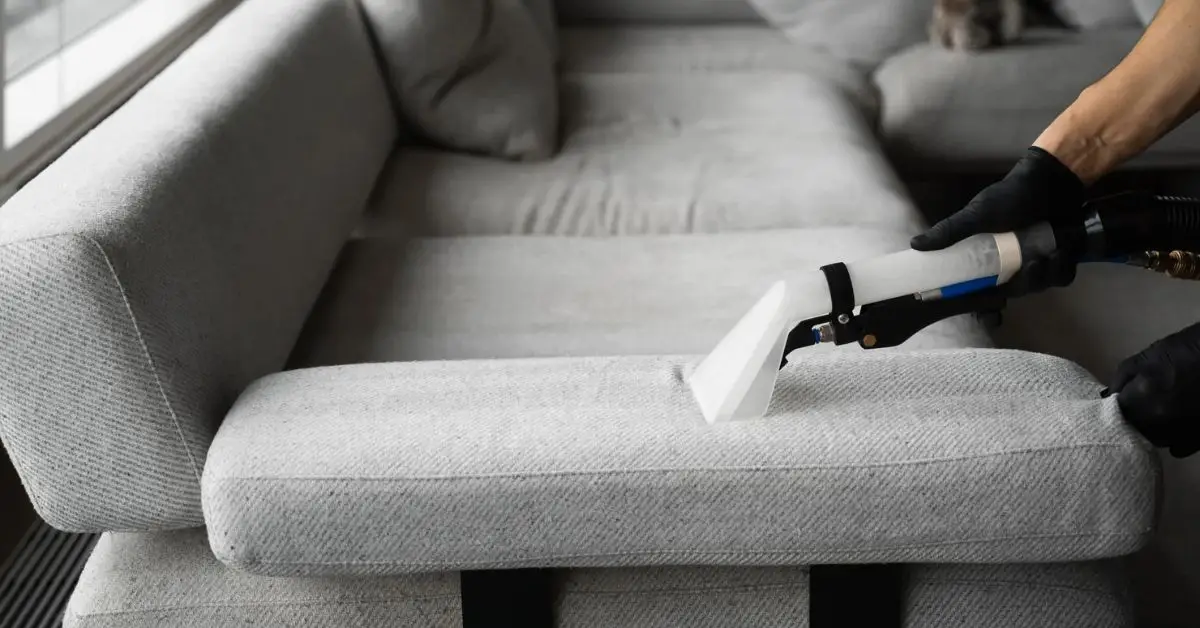
This is the part people regret ignoring. I’ve seen beautiful furniture ruined not by heavy use, but by one spill that never fully comes out.
Every upholstery fabric comes with a cleaning code, and you should always check it before buying:
- W: Clean with water-based cleaners
- S: Solvent-based cleaning only
- WS: Can handle both
- X: Vacuum only (high-maintenance, avoid for daily use)
From a practical standpoint, WS or W fabrics are the safest choices for most homes.
Beyond codes, some fabrics come with performance finishes that make life easier:
- Built-in stain resistance
- Liquid-repelling surfaces
- Easier odor control over time
These treatments can raise the upfront cost slightly, but they often save money long term by reducing professional cleaning or early replacement.
Lifestyle Fit — Pets, Kids & Traffic Patterns
This is where you need to be honest with yourself. I always tell people: choose fabric for how you actually live, not how you wish you lived.
Ask yourself:
- Do pets jump on the furniture daily?
- Is this sofa used every evening or only when guests visit?
- Does the room get heavy foot traffic or direct sunlight?
For active households:
- Tight weaves hold up better against claws
- Smooth textures trap less pet hair
- Medium to darker tones hide wear and stains better
For lower-use or formal spaces:
- You can afford softer textures
- Lighter colors work if traffic is limited
- Decorative fabrics make more sense
If you match the fabric to the room’s real use, you won’t feel stressed every time someone sits down.
Top 10 Upholstery Fabrics
This is where things get practical. I’m not ranking these fabrics based on looks or trends. I’m ranking them based on how they perform in real homes—where furniture gets used every day, not just admired. As you read, I want you to picture your space, your routine, and your tolerance for maintenance.
1. Microfiber
If you want one fabric that works for most people, microfiber is it. I’ve seen it survive pets, kids, and daily use better than many expensive options.
Why it works so well:
- Tight weave helps repel spills instead of soaking them in
- Pet hair doesn’t cling as easily
- Scratches are less visible compared to loose weaves
It’s ideal for everyday sofas, sectionals, and family rooms. Neutral and textured patterns tend to age best, especially if you’re trying to hide wear.
2. Leather (Genuine & Faux)
Leather is popular for a reason—it’s tough and easy to clean. If you’re dealing with frequent spills or muddy paws, being able to wipe a surface clean matters.
Pros:
- Doesn’t absorb spills
- Ages gracefully over time
- Easy day-to-day maintenance
Cons:
- Can feel cold or sticky depending on temperature
- Sharp claws can leave marks, especially on softer leather
If you go this route, smoother finishes usually hold up better than ultra-soft ones.
3. Performance Fabrics (Crypton, Solution-Dyed)
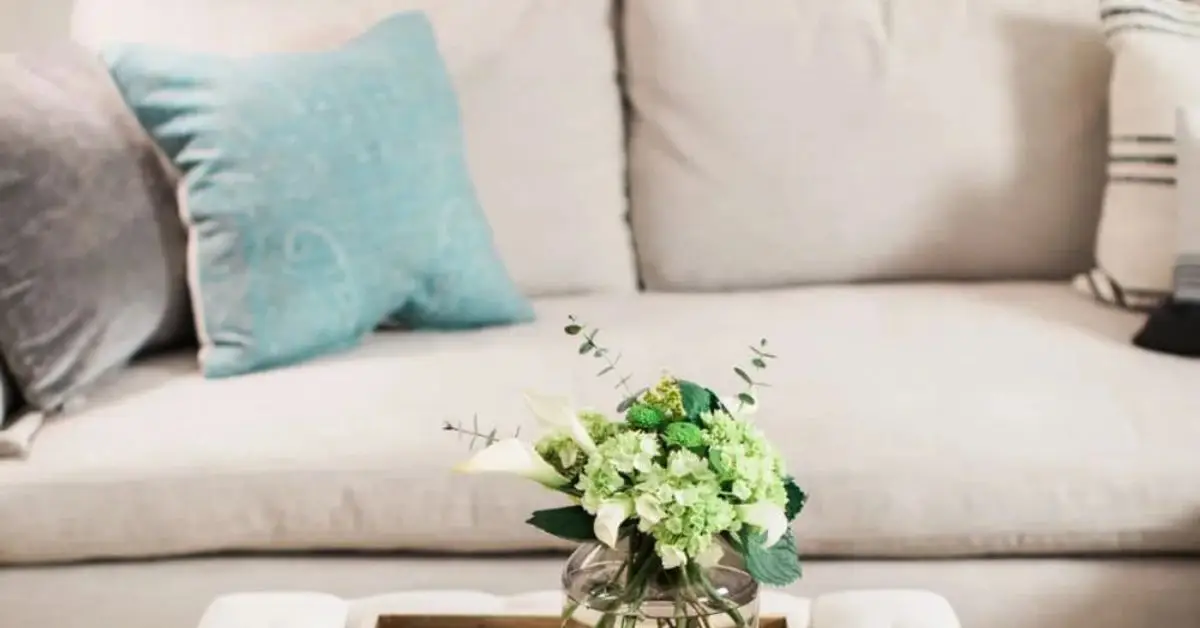
Performance fabrics are engineered for real life. When people ask me what to choose for busy households, this is often my answer.
These fabrics are designed to resist:
- Stains
- Moisture
- Odors
Brands like Crypton and Sunbrella are built for high-use spaces where spills are expected, not feared. If you want peace of mind without sacrificing style, this category is hard to beat.
4. Polyester & Polyester Blends
Polyester doesn’t always sound exciting, but it’s reliable. I like it for people who want durability without a high price tag.
What to know:
- Holds color well over time
- Resists wrinkling and stretching
- Blends improve softness and longevity
It works well on sofas, accent chairs, and multi-use seating.
5. Olefin (Polypropylene)
Olefin is one of those quiet over-performers. It’s strong, stain-resistant, and surprisingly comfortable.
Why it’s useful:
- Great for indoor/outdoor crossover spaces
- Resists moisture and fading
- Easy to clean with minimal effort
It’s a smart option for sunrooms, family rooms, or homes with heavy traffic.
6. Canvas & Denim
These fabrics are casual, sturdy, and forgiving. If your home is relaxed and lived-in, this category makes sense.
Benefits:
- High durability
- Easy to clean
- Works well in kid-friendly spaces
Darker shades and subtle patterns tend to look better as they age.
7. Wool & Wool Blends
Wool is naturally resilient and bounces back better than many people expect.
Why blends matter:
- Pure wool can require professional cleaning
- Blending with synthetics improves durability and ease of care
It’s best for spaces that balance use with a more polished look.
8. Velvet & Performance Velvet
Velvet isn’t off-limits anymore, even with pets—if you choose wisely.
Modern performance velvets:
- Use tighter weaves
- Resist crushing and staining better
- Show fewer claw marks than plush styles
If you love the look, this is how you make it practical.
9. Cotton & Cotton Blends
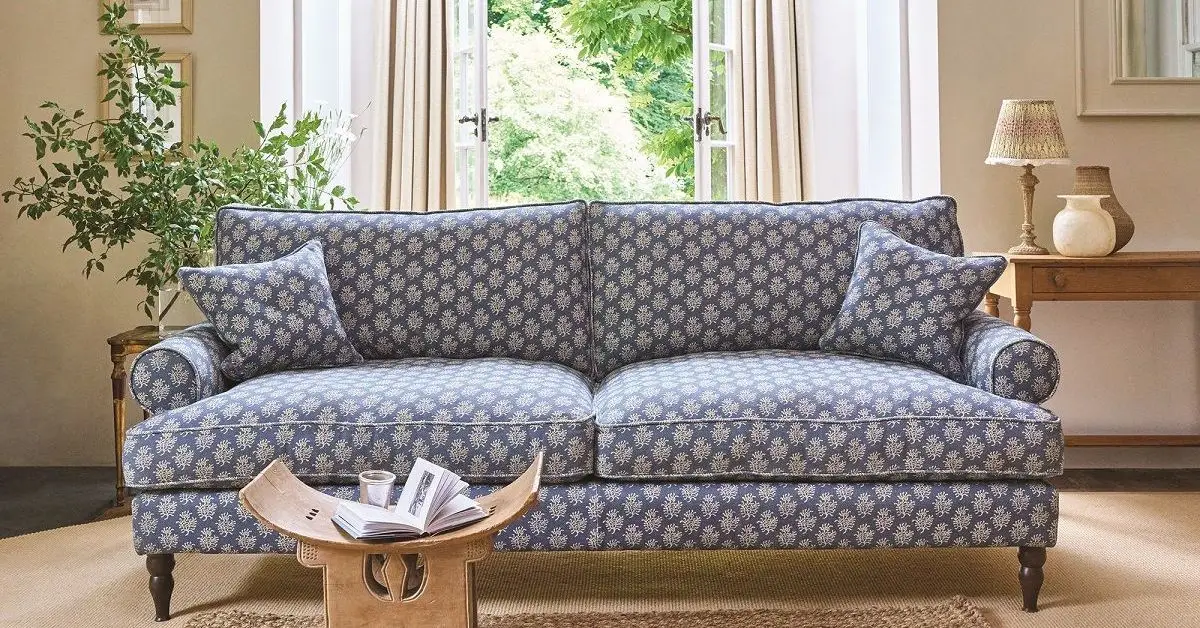
Cotton feels comfortable and breathable, but it’s not the toughest option on its own.
Good to know:
- Prone to staining if untreated
- Blends improve durability significantly
I recommend cotton blends for lighter-use furniture or layered looks with throws.
10. Specialty & Trend Fabrics (Bouclé, Jacquard)
These fabrics are about style first. Bouclé and jacquard can look amazing, but they need the right setting.
Tradeoffs to consider:
- Texture can trap dirt and pet hair
- Not ideal for heavy daily use
According to The Spruce fabric trend guides, treated or performance versions work best if you want the look without constant upkeep.
Practical Tips for First-Time Buyers
If this is your first time picking upholstery, don’t rush it. I’ve walked through showrooms and helped people regret choices that looked good but didn’t perform. These practical steps keep you out of that trap.
How to order & judge swatches
- Always order fabric swatches before committing
- Look at swatches in your own room light at different times of day
- Feel the texture—soft doesn’t always mean durable
- Test the fabric with your fingertips to sense tightness of weave
Seeing fabric in real light and touch beats any screen preview.
Choosing colors & patterns for longevity
- Mid-tones wear better than stark whites or deep blacks
- Patterns and textures hide everyday wear and pet hair better than plain solids
- Think about how your sofa will look after months of use—not just day one
When in doubt, I choose patterns because they age more gracefully.
Storage & fabric care checklist
- Keep extra swatches in case you need repairs or replacements later
- Save the manufacturer’s cleaning/care tags. Knowing which cleaners are safe matters more than people realize, especially since some everyday products work well while others don’t—similar to how people are often surprised by the unexpected household items laundry detergent can clean when used correctly.
- Avoid placing upholstery in direct afternoon sun
- Flip and rotate cushions every few weeks
These small habits add years to your furniture without much effort.
Smart Maintenance & Protection Strategies
Maintenance isn’t glamorous, but it’s what makes your furniture last. Choosing the right fabric is step one—protecting it is step two.
Best protective treatments
- Apply a fabric protector before the first use (professionally if possible)
- Look for fabrics with built-in performance finishes
- Avoid over-spraying at home; too much product can stiffen the fabric
For real-world durability examples and strength expectations, this Vista Furnishing guide on durable upholstery fabrics for homes with kids or pets has useful insights.
DIY vs professional cleaning
- Light cleaning and spot care you can handle at home
- For deep stains or lingering odors, a professional job is worth the cost
- Annual professional cleaning refreshes the fibers and prevents buildup
Trying to fix serious stains with a harsh DIY mix usually makes things worse. I’ve also seen people damage good upholstery by following random internet advice, which is why it’s important to avoid viral couch cleaning hacks experts warn against—especially on performance or pet-friendly fabrics.
Quick fixes for common issues
- Blot spills immediately — don’t rub
- Use a soft brush or lint roller to remove pet hair. Pet hair and dust often settle deep into seams and corners, and many homeowners miss these areas completely—similar to other surprisingly dirty places people forget to vacuum throughout the home.
- Light steaming can lift crushed fibers without damage
These quick moves save you time and preserve your investment.
Common Mistakes to Avoid
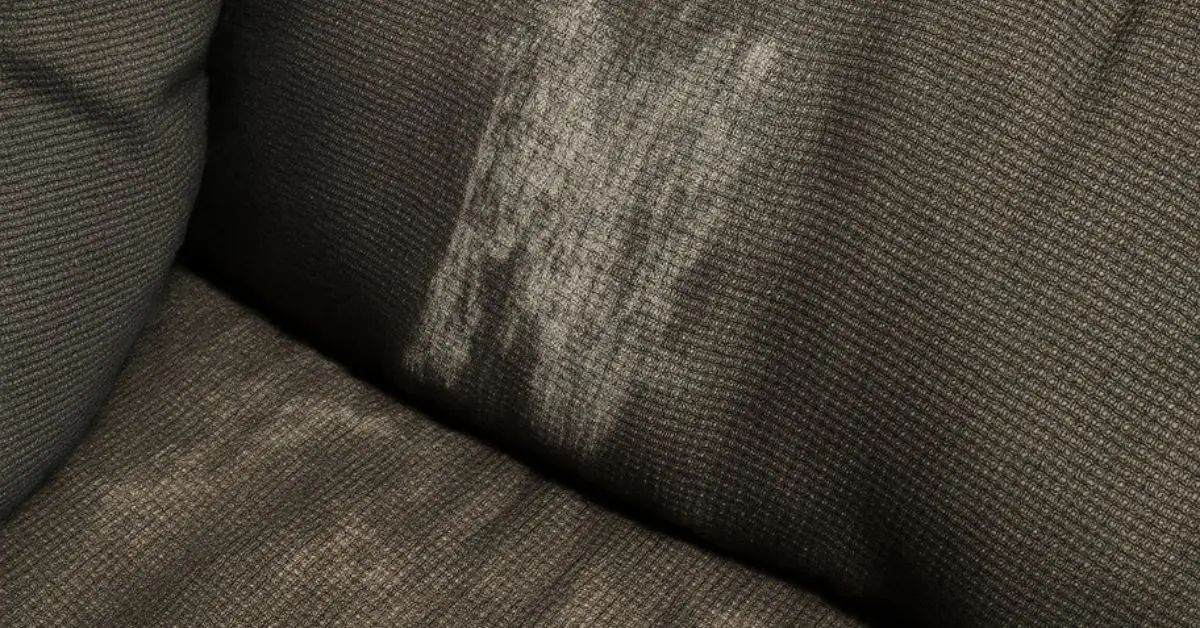
Honestly, most upholstery problems aren’t fabric faults—they’re avoidable mistakes.
- Choosing solely on looks: I’ve seen sofas that looked amazing on Instagram but were a nightmare to live with. Pick for use first, looks second.
- Ignoring cleaning codes: Every fabric has a care code. Ignoring it is like putting the wrong fuel in a car—you’ll pay for it later.
- High-maintenance fabrics in high-use rooms: Delicate fabrics belong in formal spaces that don’t see constant use. If your living room is a family hub, choose accordingly.
Wrapping It All Together — Making the Right Upholstery Choice
If there’s one thing I want you to take away from this guide, it’s this: the right upholstery fabric isn’t about trends or fancy names. It’s about how your home actually works day to day. When you choose fabric with durability, cleanability, and lifestyle in mind, you avoid frustration later—and you enjoy your furniture a lot more.
I’ve seen people feel relieved once they stop overthinking looks and start focusing on use. Whether you’re dealing with pets, kids, frequent guests, or just everyday wear, there is a fabric that fits your life. You just need to ask the right questions before buying.
Take a moment before you decide. Think about how often the furniture will be used, who will use it, and how much maintenance you’re realistically willing to handle. Those answers matter more than any showroom display.
If you want more straight-up, practical advice on building and upgrading your home the smart way, you’ll find more guides like this on Build Like New. And I’d really like to hear from you—what kind of home are you choosing upholstery for right now, and what’s your biggest concern? Share it in the comments and let’s talk.
Disclaimer: Fabric performance, durability, and maintenance can vary based on usage, environment, and manufacturer specifications. Always check the product label, care instructions, and warranty details before making a final purchase. The information shared here is for general guidance and does not replace professional advice from furniture or upholstery specialists.


