10 Insurance Mistakes Every Renovating Homeowner Must Avoid Now
Renovating your home can be exciting—I’ve been through it myself—but there’s one thing that often gets overlooked: insurance. Most homeowners assume their standard policy will cover everything during construction, but that’s far from the truth. I’ve seen friends and clients hit with thousands in unexpected costs simply because a policy didn’t cover a renovation risk they never even knew existed.
In this article, I’m going to walk you through the hidden insurance traps that could quietly drain your wallet during a remodel. You’ll learn what to watch out for, how to protect yourself, and practical steps to avoid costly mistakes before they happen.
Why Your Renovation Could Be an Insurance Nightmare
I get it—you’re excited to transform your kitchen, add a home office, or finally finish the basement. But before you swing that sledgehammer or hire the crew, let’s talk insurance. Renovations aren’t just about dust and paint; they fundamentally change the risk profile of your home. Many homeowners I know assume their standard policy will cover everything. Unfortunately, that assumption can lead to serious financial headaches.
Here’s the reality: standard homeowners insurance is designed for a finished, lived-in property. When you start tearing down walls, storing expensive materials on-site, or upgrading your space, your insurer may see your home differently. Coverage limits, deductibles, and even exclusions can suddenly apply in ways you never expected.
Think of it this way: failing to adjust your insurance during renovation is like driving a car with worn brakes—you might not notice the danger until it’s too late. I’ve seen cases where a minor fire or theft during renovation ended up costing homeowners thousands simply because their coverage didn’t keep up with the changes.
Key risks to understand upfront:
- Standard policies often exclude materials stored on-site.
- Structural changes or major upgrades may require disclosure.
- Liability increases when contractors are working in your home.
- Unpermitted work or vacant status can void coverage.
If you want the full guide to protecting your home during renovations, I recommend checking out Investopedia’s guide on homeowners insurance coverage — it explains why your policy might not automatically adjust.
Trap 1: Assuming Your Standard Policy Covers Renovation Risks

I can’t stress this enough: assuming your regular homeowners policy covers all renovation risks is the most common mistake I see. Many homeowners start tearing down walls or bringing in expensive new appliances without realizing their insurance isn’t designed for that level of change.
Why Standard Homeowners Insurance Falls Short
Here’s the truth: regular homeowners insurance is meant for a lived-in home, not a construction zone. It often excludes:
- Theft or damage of materials stored on-site.
- Accidental damage caused by contractors.
- Fires or water damage caused during structural changes.
If something goes wrong, your insurer might deny the claim entirely. I’ve personally seen a client lose coverage for a simple kitchen remodel because the policy didn’t account for temporary storage of cabinetry and appliances.
When You Actually Need Builder’s Risk or Temporary Coverage
This is where specialized insurance comes in. Builder’s risk or temporary renovation coverage is designed to protect your home during construction. It covers:
- Theft or vandalism of materials on-site.
- Accidental fire, water, or structural damage during construction.
- Liability for third-party injuries on-site.
Even if your standard policy feels comprehensive, adding this coverage can save you from a huge out-of-pocket expense. I also like to tell homeowners to document everything—photos of materials, receipts, and contractor licenses—because it makes claims smoother if anything goes wrong. If you want to understand how a claim might be denied during your renovation, check out our detailed guide on home insurance claims to see real examples and prevention tips. You can read more about practical renovation insurance tips at 5minsurance.
Trap 2: Failing to Notify Insurer Before Starting Work
Another trap that trips up homeowners is simply not telling the insurance company that renovations are happening. I’ve been in meetings where clients thought “small changes” didn’t matter. In reality, insurers treat undisclosed renovations as material misrepresentation—meaning they could deny claims if damage occurs.
How Non-Disclosure Can Void Your Policy
Even something as simple as removing a wall or adding a new extension can affect your coverage. If your insurer finds out after the fact, you could:
- Have your claim denied entirely.
- Face higher premiums when the policy is renewed.
- Risk a lapse in coverage for the renovation period.
Trap 3: Underinsuring the New Value of Your Home After Renovations
I’ve seen this mistake happen more times than I can count. You spend months or even years upgrading your home—adding new rooms, high-end finishes, or smart systems—and assume your old coverage still applies. But here’s the hard truth: your replacement cost just went up, and your insurance needs to match that.
If your policy doesn’t reflect the upgrades:
- A fire or storm could leave you undercompensated by tens of thousands.
- You may be responsible for paying the difference out of pocket.
- Your peace of mind disappears, turning your dream renovation into a financial stress point.
The solution is simple but often ignored: reassess your home’s value after every major renovation. Keep receipts, take before-and-after photos, and update your insurer. Even small upgrades—like a new kitchen island or luxury flooring—can add significant replacement value. To avoid missing coverage for upgrades or new features, you should also read our post on 7 things home insurance misses, so you don’t get surprised by unexpected gaps. For a detailed guide on how much your home’s value can change and why coverage matters, check out Block Renovation’s homeowners insurance tips.
Trap 4: Ignoring Coverage for Materials, Tools & Soft Costs
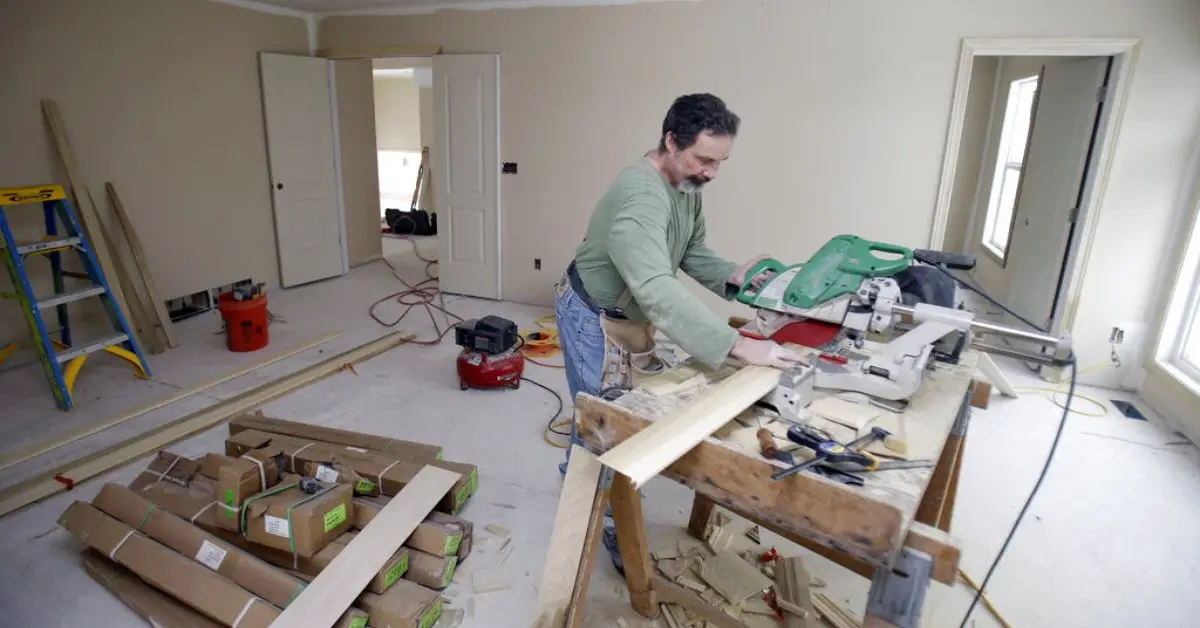
Even when your home itself is insured, many people overlook materials and soft costs during renovation. I’ve had clients shocked to find out that all the expensive lumber, fixtures, and appliances sitting on-site weren’t actually covered if something went wrong.
Here’s what policies often miss:
- Materials stored on-site: Cabinets, appliances, or flooring can be excluded.
- Soft costs: Permit fees, contractor delays, or additional financing charges aren’t automatically covered.
- Short-term tools and equipment: If contractors leave expensive tools behind, some policies won’t reimburse theft or damage.
The takeaway? Ask your insurer if these items are included or require additional endorsements. Keeping a running inventory and taking photos can make claims smoother if disaster strikes.
Trap 5: Not Requiring Proof of Contractor Insurance
Hiring the right contractor is essential—but even the best contractor can create insurance headaches if you don’t check their coverage. I’ve met homeowners who assumed their contractor’s insurance wasn’t their concern—only to find out that if a worker got injured on-site, the claim fell on the homeowner’s policy.
Key things to watch for:
- Workers’ Compensation: Ensures injuries to workers are covered.
- General Liability: Protects your home and property if the contractor accidentally causes damage.
- Certificate of Insurance (COI): Make sure your name is listed as an “additional insured.”
I always tell clients to request this documentation upfront. It’s a small step that prevents huge headaches later, and it’s a common detail people miss on Reddit renovation threads—leading to denied claims or liability disputes.
Trap 6: Misunderstanding Vacant or Under-Construction Status
Here’s a trap that surprises a lot of homeowners. When your home is partially empty or under construction, insurers may treat it as vacant, which can significantly change your coverage—or even void it entirely. I’ve seen homeowners assume that because they live in one part of the house, everything is still covered. Unfortunately, that’s not always true.
Why this matters:
- Many policies automatically reduce coverage for vacant homes.
- Fire, theft, or vandalism during renovation may not be covered.
- Some policies can be canceled if the insurer considers the property too risky.
A practical tip I always share: tell your insurer about the exact scope and duration of the renovation. If your home will be partially empty, ask if a temporary endorsement or rider is needed. Even small gaps in coverage can lead to big out-of-pocket costs if something goes wrong.
Trap 7: Construction Deductibles You Didn’t Know Existed
Here’s another sneaky cost that can catch you off guard: construction-specific deductibles. Your standard homeowners policy might have a $1,000 deductible for typical claims—but during renovations, insurers sometimes apply a separate, much higher deductible for damage caused by construction activities.
Here’s what you need to know:
- Deductibles can vary depending on the type of work (structural vs. cosmetic).
- Some insurers tie higher deductibles to certain high-risk renovations, like electrical or roofing work.
- You might think you’re fully covered, but a $5,000 deductible can turn a small claim into a big expense.
I always recommend reviewing your policy before starting work. Ask specifically: “Are there separate construction deductibles?” and document any agreements in writing with your agent. Being proactive can save thousands and prevent frustration if damage happens mid-renovation.
Trap 8: Not Updating Liability Coverage for New Features

As you renovate, it’s easy to forget that new features can change your liability risk. I’ve seen homeowners add a pool, trampoline, or even a home office and assume their old policy still covers everything. The truth is, these additions can significantly increase your exposure if someone gets injured.
Things to keep in mind:
- Pools, hot tubs, and trampolines usually require higher liability limits.
- Home offices with expensive equipment might need an endorsement.
- Even landscaping changes that increase risk (like steep driveways or retaining walls) can affect liability.
I always tell homeowners: call your agent whenever you add a major feature. A quick update could prevent your insurer from denying a claim if someone gets hurt or your property is damaged.
Trap 9: Forgetting Proper Permits and Building Code Compliance
Here’s a trap that seems obvious, but homeowners overlook it all the time: not getting the proper permits. I’ve met people who thought a minor wall removal didn’t need a permit, only to find out that unpermitted work can be excluded under the “ordinance or law” clause in insurance policies.
Why this matters:
- Claims for damage related to unpermitted work can be denied.
- Your policy may not cover rebuild costs if renovations violate local building codes.
- Contractors working without permits can complicate liability and insurance claims.
Pro tip: always get permits and keep copies of inspections. This is your evidence that renovations were done legally, which protects you in case of disputes or claims.
Trap 10: Failing to Track and Document the Whole Project
Finally, even the most careful homeowners make mistakes by not documenting the renovation properly. I can’t stress this enough—documentation is your safety net.
What to track:
- Before-and-after photos of every room and major upgrade.
- Receipts for materials, appliances, and labor.
- Contractor licenses, insurance certificates, and any permits.
- Daily logs or notes for unexpected issues or delays.
When a claim arises, these records prove the value of your upgrades and show that you took responsible steps. I always suggest keeping a dedicated folder or even a digital archive for easy reference—trust me, it saves a lot of headaches.
Quick Takeaway: Renovation insurance mistakes are easy to make, but each trap is avoidable. By updating liability coverage, securing permits, and documenting your project carefully, you can protect your home—and your wallet—throughout the renovation. Renovation projects can also intersect with loan rules and mortgage requirements, so it’s worth checking out 6 USDA home loan myths every homebuyer should know to make sure your financing and insurance align.
How to Review & Adjust Your Policy Throughout the Renovation

Renovation projects evolve, and so should your insurance coverage. I always tell homeowners that reviewing your policy isn’t a one-time thing—it’s an ongoing process. Doing this proactively can save you thousands in unexpected costs.
Here’s a simple, bookmarkable checklist you can use at key milestones:
| Task | Why It Matters | When to Do It |
|---|---|---|
| Review coverage limits | Ensures your policy reflects the new value of your home and upgrades | Before starting work and mid-project |
| Add endorsements | Covers materials, tools, liability, or builder’s risk gaps | Whenever you purchase high-value items or add major features |
| Notify your insurer | Keeps your policy valid and prevents claim denials | Before starting structural changes or major renovations |
| Collect Certificates of Insurance (COI) | Protects you if contractor accidents occur | Before contractors begin work |
| Track documentation | Photos, receipts, permits, and contractor licenses strengthen claims | Continuously during project |
| Schedule mid-project check-ins | Adjust coverage if scope changes or unexpected risks arise | Monthly or after major project milestones |
Following this checklist will give you peace of mind and prevent surprises. I can’t tell you how many homeowners wish they had done this—it’s a small step for huge protection.
Action Plan: Protect Your Renovation Without Overpaying
Here’s a tactical punch list I recommend to anyone renovating:
- Call your insurance agent before and during the renovation.
- Get Certificates of Insurance from all contractors and verify coverage.
- Evaluate whether builder’s risk or temporary renovation insurance is needed.
- Track all documentation: receipts, photos, permits, and approvals.
- Update your policy if the project scope changes.
- Schedule mid-project check-ins to make sure coverage still matches risk.
By following these steps, you reduce the chance of claims being denied and avoid overpaying for unnecessary coverage. Think of it as protecting your investment while keeping your renovation stress-free.
Let’s Keep the Conversation Going
I’d love to hear about your own renovation experiences. Have you ever faced unexpected insurance issues during a remodel? Share your story in the comments below, and I’ll respond personally.
Also, if you want more expert renovation tips, guides, and checklists, visit us at Build Like New—we cover everything from insurance to planning, so you can renovate smarter, safer, and with confidence.
Disclaimer: This article is for informational purposes only and does not constitute legal, financial, or insurance advice. Always consult your insurance provider or a licensed professional before making coverage decisions or changes during a home renovation.