Top 10 Air‑Purifying Plants Every Healthy Home Should Have
Walking into a home that feels fresh and alive is one of those simple pleasures that instantly lifts your mood. Over the years, I’ve noticed that the right houseplants don’t just make a room look good—they can actually improve the air you breathe and the way you feel. I’ve spent hours researching which plants truly help clean indoor air, and I’ve tested a few myself in my own space.
In this article, I want to share the top houseplants that are not only beautiful but also support your home’s air quality and overall well-being. By the end, you’ll know exactly which plants to pick, where to place them, and how to care for them so they actually make a difference in your daily life.
Why Indoor Air Quality Matters (Beyond Just Green Decor)
If you’re like me, you probably think of houseplants as pretty background decor. But what you might not realize is that the air inside your home can be full of tiny chemicals you can’t see — and these can affect your health over time.
Common indoor pollutants include volatile organic compounds (VOCs) such as:
- Formaldehyde from furniture, particleboard, and fabrics
- Benzene in paints and adhesives
- Xylene from cleaning products and synthetic materials
These VOCs can contribute to headaches, throat irritation, or that “stuffy room” feeling we all dread. Many household sprays and cleaners add to this chemical load; for safer alternatives, see Say No to Sprays: 10 Chemical-Free Home Air Cleaners – What Works, What Doesn’t.
Even small improvements in your home’s ventilation and air filters can significantly reduce VOC levels—learn how to spot when it’s time to upgrade yours in Don’t Ignore These 8 Signs: Replace Your Air Filter Today for Healthier Air. The popular idea that plants can clean this air started with a NASA study in the late 1980s, where scientists found certain plants could remove VOCs in sealed chambers. That was interesting, but it’s important to understand the context — a real home isn’t a sealed lab.
Plants can help improve indoor air quality, but the effect is subtle in typical homes where air circulates freely. You’d need a large number of plants to make a significant difference on VOC levels. For a deeper look at how plants interact with indoor air, check out this IERE overview on houseplants and air quality.
What matters most is this: houseplants can be part of a healthy indoor environment, especially when paired with good ventilation and mindful choices about what you bring into your home. They’re not just decoration — but they’re also not a substitute for fresh air or proper airflow.
How Houseplants Can Contribute to Well‑Being
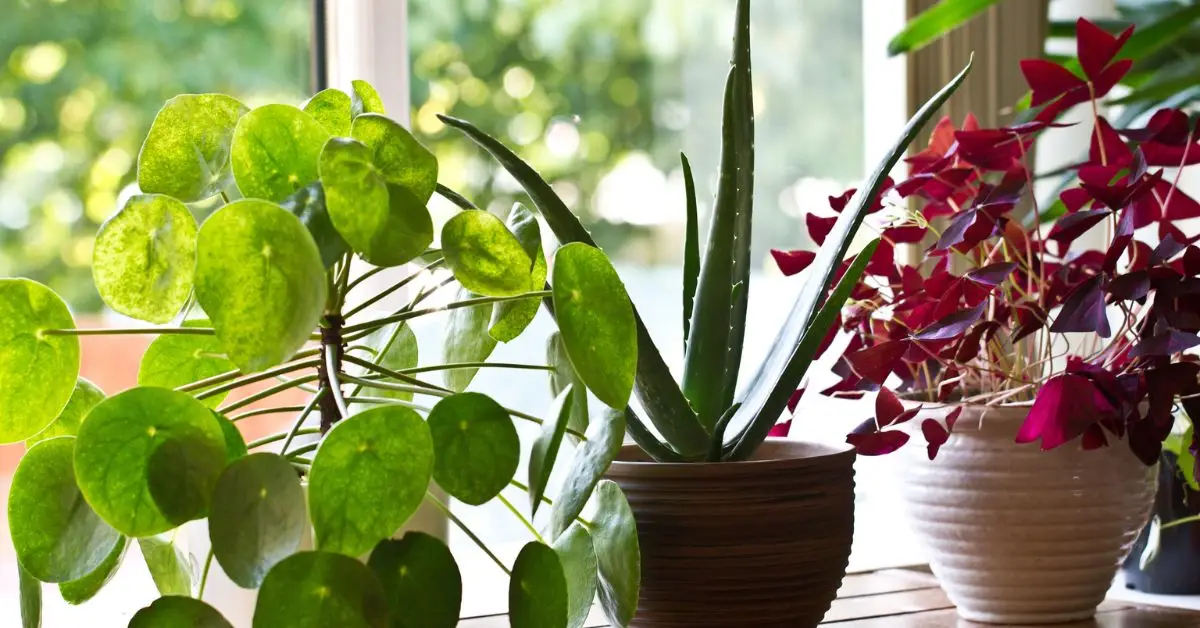
When I added a few key plants to my space, I noticed something beyond air freshness — I simply felt better. Houseplants support well‑being in ways that go far beyond chemical removal.
Here’s how they help:
- Oxygen production: Plants convert CO₂ into oxygen while photosynthesizing, giving your rooms a fresher feel.
- Natural humidity boost: Through a process called transpiration, plants release moisture into the air — helpful if dry indoor heat aggravates your throat or skin.
- Mood and stress reduction: Being around greenery lowers stress and improves focus; countless plant lovers share this on social forums like Reddit.
- Better sleep vibes: Some plants — like snake plants — actually release oxygen at night, making bedrooms feel more restful.
Plants don’t magically transform a polluted home into a spa, but they do make your environment more comfortable, more alive, and more supportive of your daily well‑being.
What Makes a Plant a Good “Air‑Purifier” (Scientifically & Practically)
When I first started choosing houseplants for my home, I realized it’s not about picking the prettiest leaves—it’s about picking the right plant for the right purpose. Not all plants are equal when it comes to improving indoor air quality, so here’s what I look for:
- VOCs removal: Different plants target different toxins. For example, spider plants and snake plants are known to help reduce formaldehyde and benzene, while peace lilies work well against ammonia and other common indoor pollutants.
- Ease of care: If a plant demands constant attention or tricky conditions, it’s unlikely to thrive—and a sick plant can’t help your air. I choose plants that match the light and watering conditions I can realistically maintain.
- Pet‑friendly vs toxic: If you have cats or dogs, some plants like peace lilies or English ivy can be harmful. I always check toxicity before bringing a plant home.
- Size and space considerations: Large palms look beautiful but may overwhelm a small apartment. I like using a mix of tall statement plants for living rooms and small, adaptable plants for bedrooms or desks.
For a trusted guide on which plants really improve indoor air, I often refer to FloraMood’s expert recommendations—they provide practical insights based on both research and real-world experience.
Top 10 Houseplants That Purify Air and Boost Well‑Being
CieloWiGle
Here’s my tried-and-tested list of plants that are not only beautiful but actually contribute to air quality and well-being. I’ve added tips on placement and care so you can see real benefits at home.
1. Spider Plant (Chlorophytum comosum)
- Why it matters: One of the most effective for removing airborne toxins (NASA tests under controlled conditions).
- Best placement: Living room, hanging baskets, or shelves.
- Care tips: Thrives in indirect light; water moderately.
- Extra: Beginner-friendly and hardy.
2. Snake Plant (Sansevieria)
- Why it matters: Removes formaldehyde and benzene; releases oxygen at night.
- Best placement: Bedroom or low-light corners.
- Care tips: Very low maintenance; tolerates occasional neglect.
3. Peace Lily (Spathiphyllum)
- Why it matters: Effective across multiple VOCs, improves humidity, and tolerates low light.
- Best placement: Bedrooms, offices, or bathrooms.
- Care tips: Keep soil moist; dust leaves occasionally.
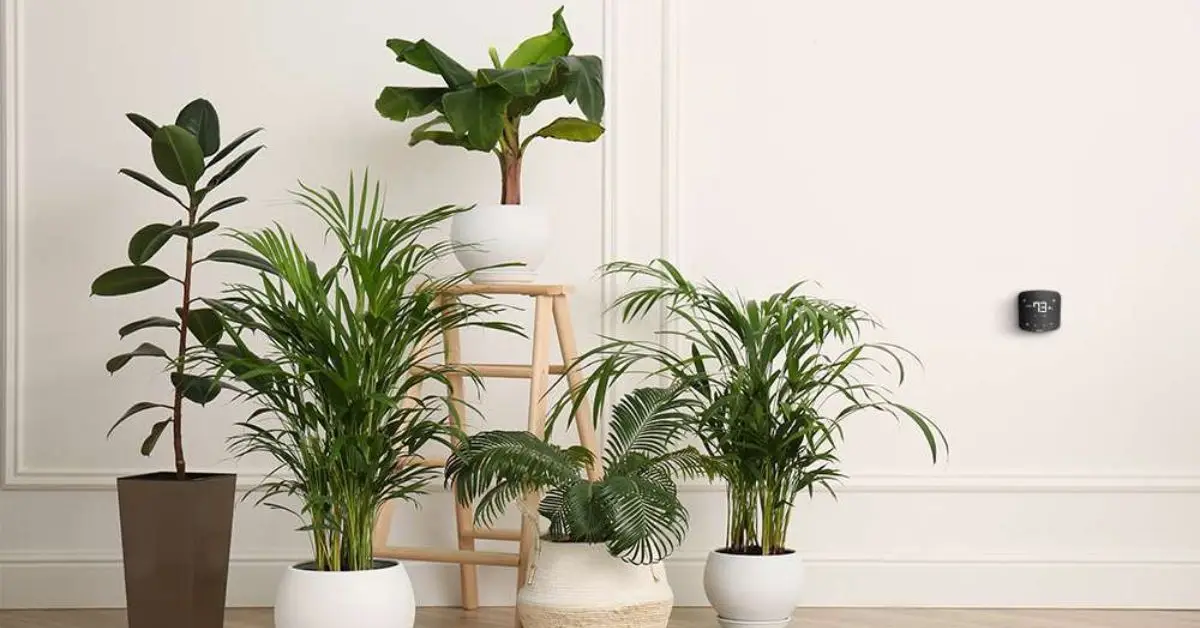
4. Areca Palm
- Why it matters: Excellent for humidity and toxin removal; adds tropical style.
- Best placement: Living rooms or larger spaces.
- Care tips: Prefers bright, indirect light; water regularly.
5. Boston Fern (Nephrolepis exaltata)
- Why it matters: Great for humidity and formaldehyde removal, perfect for bathrooms/kitchens.
- Care tips: Likes consistent moisture and indirect light.
6. Rubber Plant (Ficus elastica)
- Why it matters: Strong VOC removal, glossy leaves add style, adapts to lighting.
- Care tips: Moderate watering; bright indirect light.
7. Aloe Vera
- Why it matters: Dual-purpose—air benefits plus medicinal gel; thrives in bright light.
- Care tips: Let soil dry between watering; place in sunny spots.
8. Chinese Evergreen (Aglaonema)
- Why it matters: Easy care, good for low-light spaces; recommended in NASA studies.
- Care tips: Tolerates dim rooms; water when topsoil is dry.
9. English Ivy
- Why it matters: Reduces benzene and mold spores; ideal for damp spaces.
- Care tips: Prefers indirect light and moderate moisture.
10. Dracaena (Janet Craig or Cornstalk group)
- Why it matters: Tall, striking foliage; effective air toxin removal in larger spaces.
- Care tips: Thrives in indirect light; avoid overwatering.
Best Placement Tips for Maximum Impact
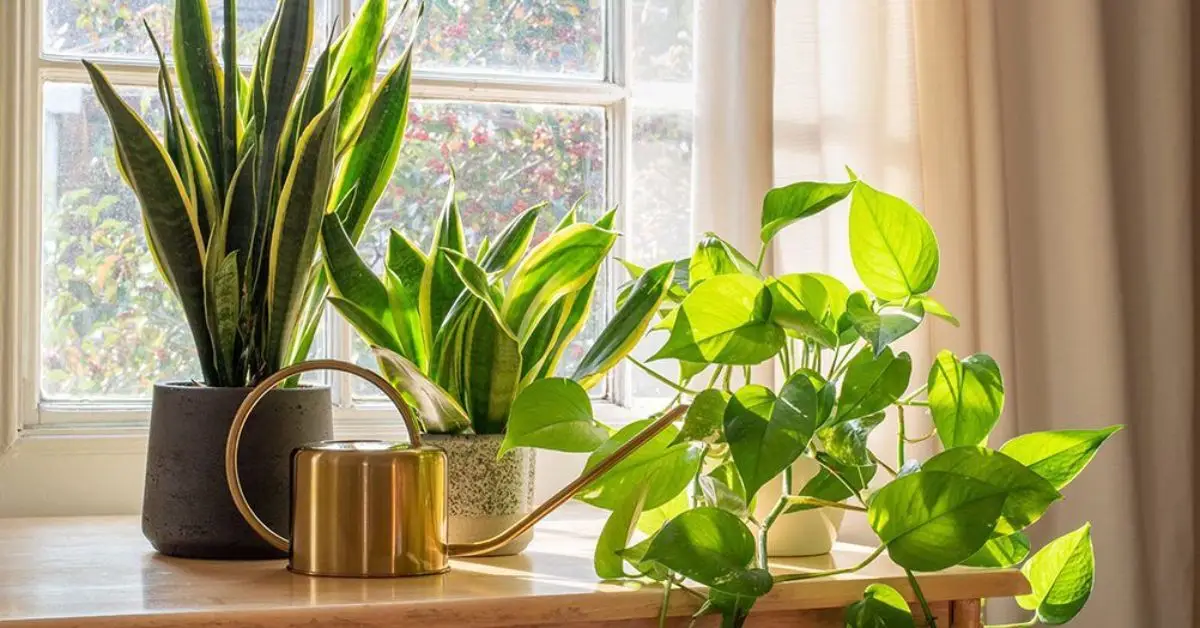
Where you place your plants can make a noticeable difference in both air quality and the vibe of your home. Here’s what I recommend:
- Bedroom: Snake plants and peace lilies work well here. They release oxygen at night, helping improve sleep quality.
- Living Room: Larger plants like rubber plants or Areca palms can purify the air and add visual appeal.
- Kitchen: Boston ferns or English ivy are perfect near sinks or cooking areas to help absorb excess moisture and odors.
- Bathroom: Boston ferns thrive in humidity, and smaller tropical plants like Chinese evergreens do well in low light.
- Home Office: Spider plants and aloe vera improve air and give you a natural stress-relief boost while you work.
Placing plants strategically helps them work effectively without crowding your space.
Care and Maintenance Tips That Keep Plants Healthy (So They Work Better)
Even the best air-purifying plants won’t help if they’re struggling. Here’s how I keep mine thriving:
- Light requirements: Match each plant to its preferred light level. Some need bright indirect light, others tolerate low-light corners.
- Watering routines: Overwatering is a common mistake. Check the soil before watering and adjust for seasonal changes.
- Soil and pot considerations: Use well-draining soil and appropriately sized pots to prevent root rot.
- Cleaning dusty leaves: Wipe leaves gently to ensure they can absorb air efficiently.
- Pest prevention: Watch for common indoor pests and treat promptly; healthy plants purify air better.
Common Mistakes to Avoid With Air‑Purifying Plants
I see a lot of people get frustrated because their plants aren’t thriving or “working.” Avoid these pitfalls:
- Overwatering: It’s the number one killer of indoor plants.
- Wrong lighting: Too little or too much light can stress the plant and reduce its benefits.
- Relying on just one plant for large spaces: You need multiple plants for real impact.
- Not checking pet toxicity: Peace lilies, English ivy, and some others can be harmful to cats or dogs.
Additional Natural Ways to Improve Indoor Air Quality

Plants are amazing, but they work best alongside other strategies:
- Ventilation strategies: Open windows when possible to bring in fresh air. Even a simple daily routine like briefly airing out your rooms can have a measurable impact; check out This 1 Lüften Habit Will Change Your Indoor Winter Air Quality for a step-by-step guide to improving circulation and freshness.
- Activated charcoal and natural absorbers: They help trap toxins that plants can’t remove alone.
- Regular cleaning and dust control: Dust and pollutants accumulate on surfaces, so keep your home clean for optimal air quality.
Best Plants for Specific Purposes
Depending on your space and lifestyle, some plants might be better suited for your needs:
- Best for small apartments: Spider plants, aloe vera, and Chinese evergreen.
- Best pet-friendly options: Areca palms and Boston ferns.
- Best for low-light homes: Snake plants and Chinese evergreen.
- Best for humidifier effect: Boston ferns, peace lilies, and Areca palms.
Conclusion
Bringing houseplants into your home isn’t just about décor — it’s about creating a space that feels healthier, calmer, and more alive. By choosing the right plants, placing them thoughtfully, and caring for them properly, you can improve indoor air quality while boosting your well-being.
I’d love to hear from you: which plants have you tried in your home, and what changes did you notice? Share your experiences in the comments below.
For more tips on making your home feel vibrant and fresh, check out my website Build Like New — where I share practical advice for creating healthier, happier living spaces.
Disclaimer: The information in this article is for general educational purposes only. While houseplants can support indoor air quality and well-being, they are not a substitute for medical advice, professional air quality solutions, or proper ventilation. Always consider pet safety and individual health conditions when choosing plants.