Leaf Blower Secrets: 10 Surprising Home Uses You’ve Never Tried
I’ll admit it—I used to think a leaf blower was just a noisy outdoor tool, good only for yard work. But over the years, I’ve discovered it can do so much more—both inside and outside your home. From blasting dust out of hard-to-reach corners to drying a freshly washed car in minutes, this little powerhouse is surprisingly versatile. In this article, I’m going to show you 10 jaw-dropping ways to use a leaf blower that most people never consider. Some are practical, some are creative, but all are real tricks I’ve seen work—and that can save you time, effort, and even a little money along the way.
Before we dive in, I’ll also share the safety tips and precautions that I always follow, because fun hacks are only worth it if you don’t end up making a bigger mess—or worse, hurting yourself.
Understanding the Risks and Safety First
Before you start imagining all the fun ways to use a leaf blower, we need to talk safety. I’ve learned the hard way that this tool can quickly turn from a helper to a hazard if you ignore some basic precautions.
Indoor Risks: Using a leaf blower inside can scatter dust, pet hair, and allergens everywhere. I’ve seen people end up coughing or triggering asthma attacks because they didn’t ventilate the room. It’s tempting to blast every corner, but you need to be mindful of what you’re stirring up.
Outdoor Risks / Etiquette: Outside, it’s easy to forget that noise travels. Early mornings or quiet neighborhoods can turn your “quick cleanup” into a complaint from the neighbor down the street. Local regulations sometimes limit the hours you can run noisy tools—so it’s worth checking before you start. You can see more about recommended times for leaf blower use in your area on Gardening Know How.
Proper Handling Tips: To make sure you don’t end up with more problems than solutions:
- Always wear protective gear—goggles for flying debris and ear protection for that roar.
- Keep your posture correct and point the nozzle thoughtfully; a downward or angled sweep is safer than blasting everything straight on.
- Avoid hazardous debris like construction dust, sand, or silica.
- Use the blower in a ventilated space or near open windows when indoors to prevent dust from settling everywhere.
1. Clearing Cobwebs, Ceiling Fans & High Corners (Indoors)

One of my favorite indoor uses for a leaf blower is cleaning those hard-to-reach spots. You know the corners you only see when the sunlight hits just right, or that ceiling fan you haven’t dusted in months? A leaf blower can reach them without ladders or stretching yourself into awkward positions.
Here’s how I do it:
- Use the lowest power setting to avoid sending dust flying everywhere.
- Angle the nozzle upward to gently push cobwebs and dust down.
- If you’re tackling a fan with spinning blades, have someone stabilize it first.
I’ve tried this multiple times and honestly, it’s a game-changer. No more precariously balancing on a chair or dealing with a cloud of dust. The room looks cleaner, and you feel like you’ve actually conquered a space most people ignore.
2. Dusting Under Furniture and Tight Spaces
If you’re anything like me, the area under the couch or bed is a constant battlefield of dust, crumbs, and pet hair. A leaf blower can turn that dreaded chore into a 5-minute task. I usually open a window first and set the blower on low to avoid a dust storm inside.
Here’s my approach:
- Sweep the nozzle along the edges under furniture to push dust toward an open doorway or into a dustpan.
- Move systematically from one side to the other—don’t just blast and hope for the best.
- If anyone in your home has allergies or asthma, I recommend wearing a mask or keeping the room ventilated.
It’s simple, effective, and honestly kind of satisfying to see all that hidden dust vanish without bending over or crawling around on the floor.
3. Cleaning Dryer Vents and Ducts
Dryer vents are one of those things you don’t think about until something goes wrong. I’ve seen homes lose efficiency, waste power, and even face fire hazards simply because lint kept building up inside the vent line. A leaf blower can actually help prevent all of that if you use it the right way.
I usually start by disconnecting the exterior vent cover so I have a clear opening. Then I tape the blower nozzle to the vent line to keep the air from leaking out. Once the seal feels tight enough, I give it a short, steady blast and walk outside to check if lint is shooting out. It’s not glamorous, but it works. You can read more about why this method helps on the NAPA Auto Parts blog, which talks about using a leaf blower for vent cleaning and lint removal.
This one small job can:
- Reduce lint buildup
- Improve dryer performance
- Lower the risk of overheating or fire
If you’re already looking into airflow and home safety, you may also want to see my guide on how to know your HVAC system needs repairs fast, since blocked vents and poor circulation often show up together.
4. Drying Cars and Wet Surfaces

If you wash your car at home, you already know how long it takes for the water to stop dripping from mirrors, emblems, and those tiny crevices. A leaf blower can cut that drying time in half. I usually start at the roof and work my way down, letting the air push water off the panels. It’s especially good around wheel wells where towels never reach.
The same trick works on patios, walkways, or a deck right after rain. Instead of waiting for the sun or slipping on wet spots, you can walk through with your blower and clear the surface in minutes.
A few things make this smoother:
- Use moderate airflow so you’re guiding the water instead of flinging it everywhere
- Keep the nozzle angled downward to keep control
- Avoid full power on delicate surfaces or loose gravel
5. Cleaning Shop Areas, Vacuum Filters, and Workshop Dust
If you have a garage or workshop, the leaf blower becomes even more useful. I use mine to blast sawdust off workbenches, table saws, clamps—basically anything that collects debris. It clears the surface fast and gives you a clean slate to work on.
One of my favorite uses is cleaning vacuum and shop-vac filters. Instead of shaking them out and creating a mess, I take the filter outside, set the blower on low, and gently remove the packed dust from between the pleats. Lowe’s even recommends this method in one of their maintenance guides because it helps keep the vacuum’s suction strong.
Here’s what you get out of this:
- Less clogging
- Better tool performance
- A cleaner, safer work area
6. Gutter Cleaning (Outside)
I’ve learned that a leaf blower can make gutter cleaning a whole lot easier, especially when you use the right attachment. You can see how professionals approach it in this Better Homes & Gardens guide, which explains the angles and tools that actually work.
How I handle it:
- I use an extension tube so I can stay on the ground whenever possible.
- I move in one steady direction so debris doesn’t backflow or clump.
- If I do need a ladder, I keep it stable and never overload a single gutter section.
- I wear gloves and eye protection so I’m not dealing with unexpected blowback.
This method cuts down ladder use, keeps things safer, and turns a dreaded chore into a simple task. If you want a deeper breakdown of early warning signs and quick fixes, you can check out my guide on 10 easy ways to unclog your gutters before they flood your home.
7. Inflating Pool Floats / Air Mattresses
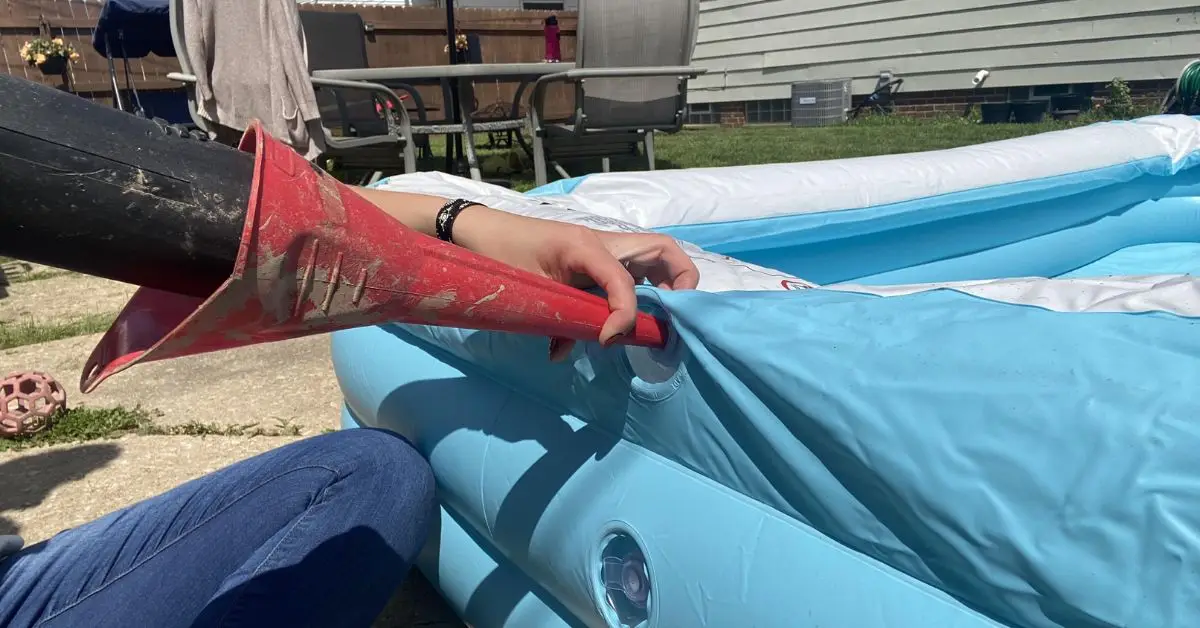
This is one of the quickest wins I’ve added to my summer routine. A leaf blower inflates large items much faster than any manual pump.
My approach:
- I make a simple adapter using a cut plastic bottle taped to the nozzle.
- I use low or medium power so I don’t overinflate anything.
- I keep one hand on the inflatable to feel when it’s firm enough.
Anyone who’s stood there pumping a giant float for ten minutes will appreciate how much time and effort this saves.
8. Clearing Standing Water & Pollen / Outdoor Debris
Right after a rain or during peak pollen season, I use the blower to clear the patio, deck, and outdoor furniture.
What works well for me:
- I blow shallow puddles toward the edge of the patio to dry it faster.
- I use low to medium airflow on furniture so dust and pollen don’t just swirl back.
- Early morning or post-rain sessions usually give the cleanest results.
It keeps outdoor spaces usable without scrubbing, sweeping, or waiting for the sun to do the job. And if you’re working on refreshing your deck or outdoor surfaces, you can also check out my guide on the best paint for pressure-treated wood, which helps you choose coatings that actually last outdoors.
9. Cleaning Firewood Before Bringing It Indoors
Firewood can carry bark dust, chips, and the occasional bug. A quick blast in the garage fixes most of that.
How I handle it:
- I lay the wood on the floor, give it a few strong bursts, and rotate the pieces.
- I only do this in a garage or well-ventilated area, never inside a living space.
- I let the dust settle before bringing the wood into the house.
It keeps your floors cleaner and reduces the chance of bringing insects inside with the firewood.
10. Emergency Light Snow or Leaf Clearing
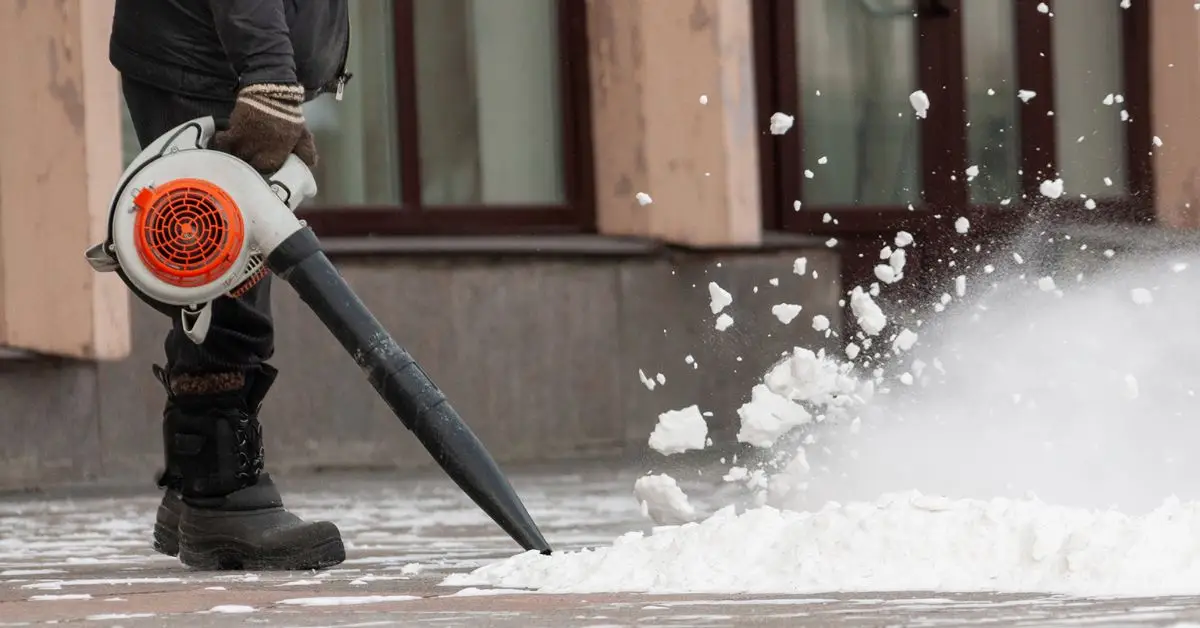
When snow is still powdery, a leaf blower can clear it faster than a shovel.
My routine:
- I use moderate airflow so I don’t blow snow into areas I need clear.
- I avoid using the blower on packed or icy snow because it’s not designed for that.
- After storms, I use it to remove leftover debris from railings, decks, and steps.
It’s a smart, quick solution for small weather-related messes—especially when you don’t want to drag out heavier tools.
Bonus Tips: Maximize Your Leaf Blower’s Versatility
Over the years, I’ve noticed that most people use only half the potential of their leaf blower. A few smart habits can stretch what your tool can do and make every task easier, safer, and faster.
What I keep in mind:
- I adjust the power setting depending on the job. Light dusting needs the lowest setting, while puddles or outdoor debris need stronger airflow.
- I use task-specific attachments like long extensions, narrow nozzles, or DIY adapters. They give me better control and reduce cleanup afterwards.
- I maintain the blower regularly by cleaning the intake, checking the filter, and storing it properly so airflow stays strong and consistent.
- I pick the right blower type based on need. Battery versions are quieter and easier indoors; gas models have more power but more noise and emissions.
These small habits help you get more value from the tool you already own and make it easier to use it safely, efficiently, and confidently.
Final Thought: A Smarter Way to Use a Simple Tool
After trying these ten ideas myself, I’ve realized a leaf blower is one of those tools that quietly does far more than we expect. From indoor cleaning to outdoor shortcuts, from seasonal tasks to emergency fixes, it’s one of those things you appreciate more once you start experimenting with it.
What matters most is using it responsibly—keeping safety in mind, being considerate about noise, and maintaining it so it stays reliable when you need it. Even trying just one new idea from this list can save you time, effort, or an extra trip to grab another tool.
If you try one of these uses this week, I’d love to hear how it goes. Drop your experience in the comments and share what worked for you. And if you want more practical, real-life home tips, you can always check out Build Like New for fresh ideas and smarter ways to handle everyday tasks.
Disclaimer: Always follow the safety guidelines provided by your leaf blower’s manufacturer. The tips in this article are based on general experience and may not apply to every model or situation. Use your blower responsibly, follow local regulations, and avoid any task that feels unsafe or beyond your comfort level.