10 Expert Secrets That Can Skyrocket Your Home Sale Price
I’ve seen so many people leave thousands of dollars on the table when selling their homes. Maybe you’ve sold a house before, or maybe this is your first time—it doesn’t matter. The truth is, most guides focus on the obvious stuff: clean the kitchen, put out fresh flowers, bake some cookies. Those things help, sure, but if you really want to get top dollar—or even spark a bidding war—you need to think a little differently.
In this article, I’m going to share 10 tricks that almost no one talks about. These are practical, low-cost strategies that go beyond the typical staging tips. They’re the kind of insights that make buyers fall in love, feel confident in their offer, and sometimes even compete to win your home. By the end, you’ll not only know what to do, but also why each step matters—and how it can actually boost your final sale price.
So, if you’re ready to get serious about selling smart, let’s dive in.
Trick #1: Optimize Micro-Curb Appeal (Mailbox, Driveway, Pathways)
You never get a second chance to make a first impression. When buyers pull up to your home, tiny details—like a leaning mailbox, cracked driveway, or worn pathways—are the first things they notice. Fixing them can make a huge difference in perceived value, even before they step inside.
Here’s how I’d tackle it:
- Replace or repaint your mailbox. Teris Pantazes, CEO of SettleRite, calls it “literally the first thing people see.”
- Power wash or repair your driveway and walkway. A clean path signals that the home has been well cared for.
- Add simple greenery or potted plants near entry points to make the home feel welcoming.
Even small tweaks here can create a sense of pride and quality that buyers subconsciously value. For more tips on subtle upgrades that increase home value, I found Bankrate’s guide on home selling tips especially helpful—it covers the little things that really make a difference.
Trick #2: Stage Rooms to Reflect Original Purpose
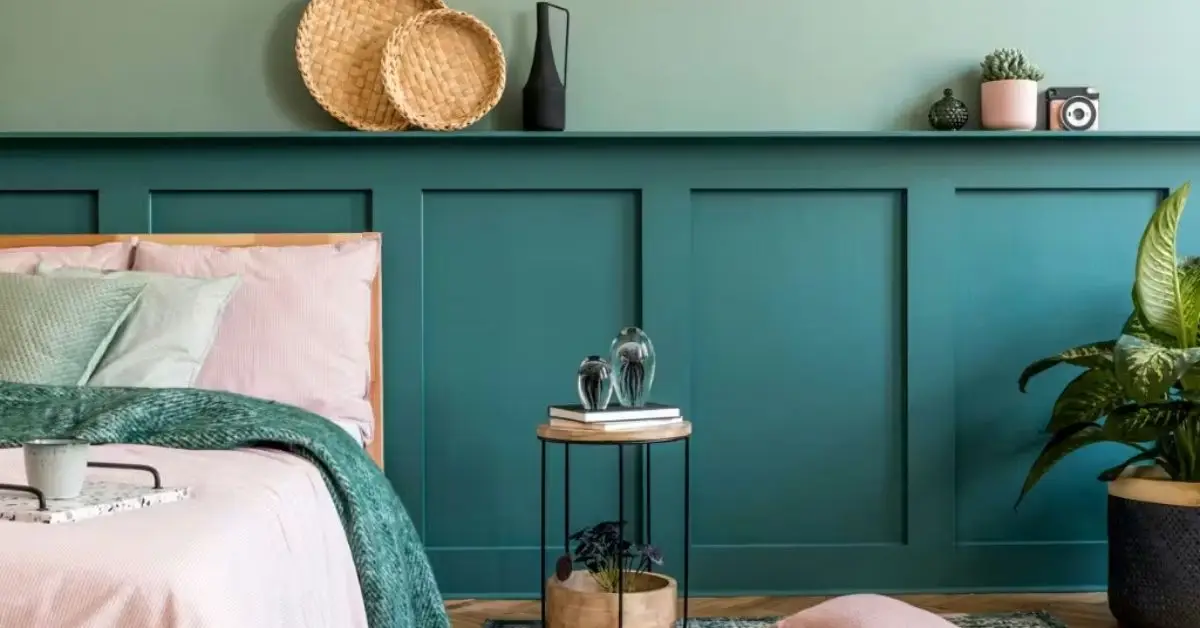
Walk into any room and ask yourself: Can a buyer immediately see how this space should be used? If you’ve turned your dining room into a play area, or your loft is just a storage zone, buyers might struggle to imagine living there.
To stage effectively:
- Put a proper dining table in the dining room. Even a simple table with a centerpiece can work wonders.
- Turn empty lofts or spare rooms into a functional office or reading nook.
- Remove clutter and let each room breathe, so buyers can visualize their furniture and lifestyle. If you want to make your bedrooms more appealing to buyers, check out our guide on how to upgrade your bedroom to sell faster.
When rooms clearly show their intended use, buyers assign more value to the space. It’s amazing how a few adjustments can make them feel like this is their home, not just a house on the market.
Trick #3: Modernize Key Areas with Low-Cost Fixes
Bathrooms and kitchens sell homes more than almost any other room. But you don’t need a full renovation to make an impact. Small cosmetic fixes can drastically increase perceived value.
Here’s what I recommend:
- Reglaze or repaint dated bathroom tiles—think pink or green tiles replaced with neutral tones. Michael Pinter, a seasoned house flipper, says this alone can make a bathroom look 30 years younger.
- Replace old faucets or cabinet handles; small details signal quality.
- Freshen up countertops with paint kits or polish, rather than costly replacements.
Even minor improvements in these key areas can give buyers the impression that the home is well-maintained and move-in ready. Before listing, it’s smart to tackle key repairs; our guide on essential home repairs before selling can help you prioritize what matters most.
Trick #4: Connect with Buyers Emotionally
You might be surprised at how powerful a personal touch can be. Buyers aren’t just purchasing square footage—they’re buying the feeling of living in your home. Sharing a story can create an emotional connection that increases the likelihood of a top-dollar offer.
Try these approaches:
- Write a one-page letter about your life in the house: the backyard barbecues, the morning coffee on the porch, the memories that make this place special.
- Include framed photos of the home in use, or leave subtle notes about favorite spaces.
- Highlight unique features that made your family fall in love with the home.
Trick #5: Strategic Underpricing to Trigger Competition
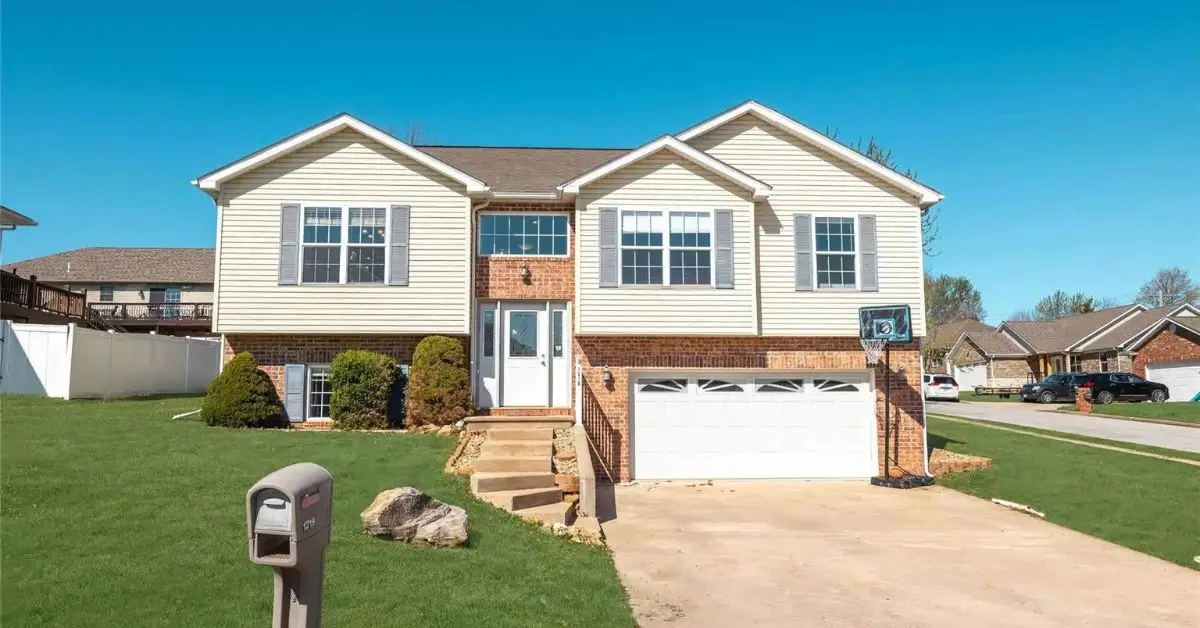
It may feel counterintuitive, but listing slightly under market value can spark a bidding war and often pushes the final sale price above what you expected.
Here’s how I approach it:
- Research comparable homes and price just below average to attract the largest buyer pool.
- Use scarcity tactics: “This home is likely to sell quickly,” can create urgency.
- Track early interest and adjust marketing if multiple offers come in.
Trick #6: Offer Insider Neighborhood Knowledge
Buyers don’t just buy a house—they buy a lifestyle. Sharing small details about your neighborhood can make your listing stand out and create perceived value beyond the home itself.
You can include:
- Favorite local spots like cafes, bakeries, or parks.
- Community activities, such as weekend markets, sports games, or library programs.
- Notes about nearby schools, trails, or unique conveniences only locals know.
By highlighting these hidden gems, you show buyers the experience of living there, not just the property. I personally like using Reddit’s local neighborhood threads to gather authentic insights from residents—it adds credibility and interesting details that buyers value.
Trick #7: Highlight Neighborhood Culture
When buyers look at a home, they’re really imagining a lifestyle. The vibe of the neighborhood—the people, the activities, the feel of the streets—can be just as important as the house itself.
Here’s how to show it off:
- Mention local events like weekend street markets, block parties, or community sports games.
- Highlight dog-walking areas, playgrounds, or nearby pools where families gather.
- Include small perks: walking trails, community gardens, or favorite local shops.
By painting a picture of the community, you help buyers see themselves living there. It turns a house into a home in their mind, which often leads to higher offers.
Trick #8: Showcase Smart Home Features and Extras
Technology and convenience sell. Even small, thoughtful features can signal care and modern living to buyers.
Consider highlighting:
- Motion-sensor lights and timers for security and energy savings.
- Smart garage doors or automated window blinds.
- Camera doorbells or connected home security systems.
- Extra touches like built-in charging stations or water filtration systems.
Buyers love knowing a home is well-equipped and move-in ready. Smart upgrades don’t have to be expensive, but they can make a property feel premium. For more practical ideas, Forbes guide to top home renovation has excellent examples that buyers actually notice.
Trick #9: Leverage Video Tours and Virtual Walkthroughs

Photos are great, but video takes it a step further. A video tour lets buyers explore your home as if they’re walking through it themselves—without scheduling an in-person visit.
Here’s what I do:
- Film a smooth walkthrough highlighting natural light, room flow, and special features.
- Keep it short and engaging—2–3 minutes is perfect.
- Share it on listing sites, social media, and even in email outreach to reach more potential buyers.
- Highlight key features in captions or voiceovers so nothing gets missed.
Trick #10: Get a Pre-Inspection to Build Trust
Nothing builds confidence like transparency. A pre-inspection shows buyers that you care about your home and reduces surprises during negotiations.
Steps to take:
- Hire a licensed inspector to check the roof, plumbing, electrical, and HVAC.
- Address minor issues upfront—small fixes make buyers feel confident.
- Provide the inspection report to potential buyers to show integrity and honesty.
Bonus: Quick Pre-Listing Checklist
Before you put your home on the market, make sure you’ve covered these high-impact steps:
- Curb appeal: Mailbox, walkway, landscaping, small fixes.
- Room staging: Ensure each room shows its intended purpose.
- Key upgrades: Reglaze, repaint, and modernize bathrooms and kitchens.
- Emotional connection: Letters, photos, or notes that tell the story of the home.
- Neighborhood insights: Highlight lifestyle perks and hidden gems.
- Smart home features: Technology and convenience upgrades.
- Video tour: Capture your home’s flow and light in a short walkthrough.
- Pre-inspection: Address potential issues to build buyer trust.
- Pricing strategy: Consider strategic underpricing to encourage competition.
This checklist is a practical roadmap. By following it, you’ll maximize buyer interest, create competitive offers, and increase your chances of getting top dollar. Understanding how each upgrade impacts your home’s value is crucial; our detailed guide on boosting home selling value can help you make informed choices.
Conclusion
Selling a home for top dollar isn’t about luck—it’s about strategy, preparation, and paying attention to the details that most sellers overlook. From small curb appeal tweaks to emotional storytelling, smart upgrades, and pre-inspections, each step adds value and builds buyer confidence.
Remember, buyers aren’t just purchasing square footage—they’re buying a lifestyle, a feeling, and the peace of mind that comes with a well-maintained home. When you combine practical improvements with thoughtful presentation, you give yourself the best chance to not only meet but exceed your asking price.
I’d love to hear from you: Which of these tricks are you planning to use first in your home sale? Or do you have your own strategies that worked wonders? Drop a comment below and let’s discuss.
And if you want a more detailed guide, tools, and checklists to sell your home like new, visit Build Like New for expert tips and insider advice. Your next sale could be your most profitable yet!
Disclaimer: The information provided in this article is for general educational purposes only and is not a substitute for professional real estate, legal, or financial advice. Results may vary depending on your specific property, market conditions, and personal circumstances. Always consult a licensed professional before making decisions related to buying or selling a home.