10 Smart Tricks to Mouse-Proof Your Pantry Before Cold Weather Arrives
Every year when the temperature drops, I start noticing the same signs: that faint scratching behind a cabinet, a torn cereal box, or a tiny trail of crumbs that I know I didn’t leave. If you’ve lived in a house long enough, you already know what that means. Mice are looking for a warm spot—and your pantry is the first place they try to move into.
What most people don’t realize is that mice don’t wait until winter fully kicks in. They start scouting early. And if your pantry has even one gap the size of a pencil, they’ll find it. I’ve seen homeowners clean, set traps, and spray repellents for months, only to discover the real problem was a hidden entry point or a poorly sealed container.
So before winter officially hits, I want to walk you through something I’ve learned after years of helping people prevent pantry infestations: preparing ahead saves you from stress, wasted food, and a lot of late-night rustling sounds. You don’t need expensive products or complicated steps—you just need a clear plan and the right places to focus on.
If you’ve ever opened your pantry and wondered, “How did they get in here so fast?”—you’re exactly who I’m writing this for.
What’s your biggest worry right now—contamination, food safety, or the fear of mice showing up again this year
Signs Your Pantry Is Vulnerable to Mice
Early Red Flags to Watch
When I check whether a pantry is at risk, I always start with the subtle early signs. You might not see a mouse directly, but your pantry often reveals clues long before an actual infestation begins. If you pay attention to these signals, you can act before the problem grows.
Some early red flags you should watch for:
- Soft rustling noises behind cabinets or walls at night
- Small droppings that look like black grains of rice
- Torn corners or chewed edges on food boxes or bags
- A faint, musty or ammonia-like smell around pantry shelves
- Food crumbs in hard-to-reach areas you normally don’t touch
- Grease marks or smudge trails along lower walls and trim
If you notice even one or two signs, your pantry may already be on a mouse’s route. Early detection gives you a huge advantage.
Why Small Gaps Matter More Than People Think
People usually assume mice need a visible opening to get inside. But in reality, a mouse can squeeze through gaps as small as a dime. I’ve seen homes where the tiniest cracks turned into active mouse highways simply because they were ignored.
These small spaces matter more than you think because:
- Mice are extremely flexible and can flatten their bodies
- They can widen tiny gaps by gnawing
- Warm air escaping from cracks attracts them during winter
- Food scents easily pass through small openings
- Cracks often sit behind appliances, making them easy for mice to use unnoticed
If you start sealing the small gaps you normally ignore, you instantly reduce your pantry’s vulnerability.
1. Seal Entry Points (Your First and Strongest Defense)
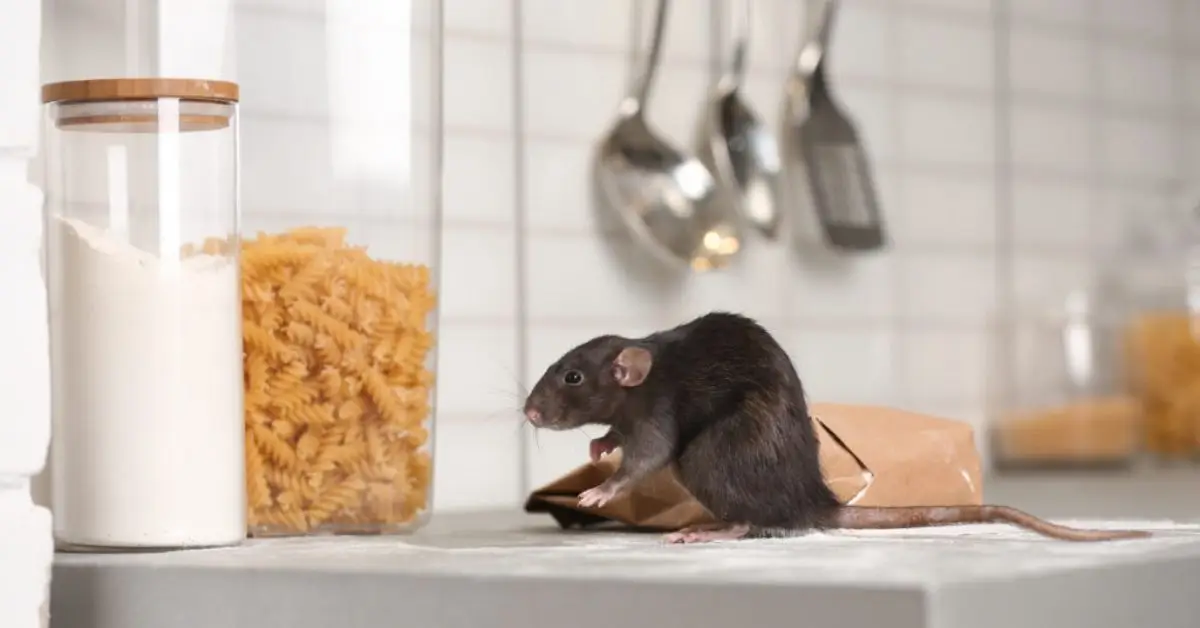
Common Cracks & Gaps in and Around the Pantry
When I inspect a pantry for entry points, I always check the surrounding areas as well. Mice often enter the kitchen or utility spaces first and then move toward the pantry because that’s where the food is.
You should look closely at:
- Baseboard gaps where cabinets meet the floor
- Unfinished spaces behind pantry shelving
- Holes around plumbing pipes and electrical outlets
- Cracks between wall corners and old trim
- Gaps under the pantry door
- Window frame cracks (if your pantry has a window)
Even if a gap looks harmless, treat it as a potential entry route. Once mice find food, they’ll keep returning unless the path is completely blocked. Before you start sealing every gap, you might also want to look at a few smart home tricks that keep pests out all year, since they work great alongside these sealing methods.
What Materials Actually Work (Steel Wool, Metal Mesh, Caulk Combinations)
Not every sealing material works against mice. I always rely on materials they can’t chew through. The combination you use matters just as much as the material itself.
Here’s what actually works:
- Steel Wool: Perfect for stuffing into small or medium holes
- Metal Mesh: Ideal for larger gaps where steel wool may not hold
- Silicone Caulk: Seals edges and locks materials in place
- Hardware Cloth: Useful for covering wide openings or structural gaps
My recommended method:
- Push steel wool deep into the opening.
- Add silicone caulk on top to secure it.
- For larger openings, cover with metal mesh before caulking.
For more detailed guidance on blocking rodent entry points, this resource breaks down effective methods clearly.
2. Upgrade All Pantry Storage to Mouse-Proof Containers
Glass vs Metal vs Heavy-Duty Plastic
Upgrading your pantry storage is one of the strongest defenses you have. Over the years, I’ve learned that the type of container you choose makes a huge difference in whether mice can access your food.
Here’s what you should use:
- Glass Containers
- Completely chew-proof
- Keeps odors sealed inside
- Perfect for cereals, grains, nuts, and snacks
- Metal Containers
- Extremely durable
- Ideal for foods with stronger scents
- Great for baking supplies and pet food
- Heavy-Duty Plastic (Thick, Locking-Lid Grade)
- Works only if the plastic is truly thick
- Good for bulk food or large bags
If you’re not sure where to start, choose glass first. It offers both visibility and protection.
Why Original Packaging Attracts Mice
Original food packaging, especially cardboard, is one of the biggest reasons mice target pantries. You may not realize it, but your packaging works against you.
Here’s why original packaging is a problem:
- Cardboard absorbs food scents easily
- Mice can chew through boxes within minutes
- Thin plastic bags crinkle, attracting mice
- Most packaging has tiny air gaps even when sealed
- Boxes often sit directly against walls—making them easy targets
By transferring everything into mouse-proof containers, you immediately reduce scent, clutter, and accessibility. Your pantry becomes cleaner, safer, and far less appealing to mice.
3. Deep Clean & Declutter to Remove Food Signals

How Crumbs, Spills, and Cardboard Create Mouse Pathways
Whenever I deep clean a pantry, I always look for tiny cues that attract mice. You may not catch these during your daily routine, but mice rely on them heavily. Even small crumbs can guide them right to your shelves.
Here’s how these signs turn into mouse pathways:
- Crumbs create a scent trail that pulls mice straight to food
- Syrup or oil spills stick to shelves and attract them repeatedly
- Cardboard boxes soak up food odor and release it constantly
- Leaked flour or grains accumulate under containers
- Thin packaging at lower shelves becomes an easy entry point
If a mouse finds a reward once, it keeps returning. That’s why eliminating every small signal counts.
Weekly Cleaning Checklist
A consistent weekly routine makes a massive difference. Here’s the checklist I personally follow and recommend:
- Sweep and wipe each shelf, especially corners
- Transfer everything out of cardboard into sealed containers
- Remove hidden crumbs on lower levels
- Clean sticky jars like honey, maple syrup, or sauces
- Inspect cereal bags and snack packs for tears
- Check expiration dates and remove damaged packaging
- Take out pantry trash before it develops strong scent
This routine keeps your pantry fresh, reduces food signals, and makes the space far less appealing to rodents. And while you’re already deep cleaning the pantry, it’s a great time to tackle other kitchen pests as well—especially houseflies that thrive on leftover food and moisture.
4. Control Moisture & Eliminate Water Sources
Hidden Moisture Zones (Under Sink, Behind Shelves)
Most people focus only on food, but from what I’ve seen, mice are just as attracted to water. Moisture gives them survival, warmth, and a hidden spot to settle.
These hidden moisture zones deserve your extra attention:
- Under the sink—often the first place leaks start
- Behind deep shelves where air doesn’t circulate
- Corners where condensation builds on colder days
- Around refrigerator lines or floor-level plumbing
- Baseboards that absorb moisture from tiny pipe leaks
If you spot dampness early, you disrupt one of the top reasons mice remain inside the home.
Fixing Leaks Before Winter Freezes Pipes
Leaks become far more dangerous during winter. A small drip can freeze, crack a pipe, and create the perfect warm, wet place mice prefer.
Here’s what you should do before winter:
- Tighten pipe joints and replace worn connectors
- Add pipe insulation where needed
- Fix slow-drip faucets
- Install a small dehumidifier in moisture-prone areas
- Inspect wood or drywall for water stains
- Look for swelling around baseboards
For a clear breakdown of how to seal entry points and prevent rodent access, you can review the CDC’s guidance.
5. Install Pantry-Safe Mouse Deterrents

Natural Scent Repellents (Peppermint, Clove, Cedar)
When it comes to placing deterrents inside a pantry, I always start with natural scents because they’re food-safe and highly effective. Mice rely on smell, so strong natural aromas push them away quickly.
Some of the best pantry-safe options include:
- Peppermint oil — strong, sharp, and highly disliked by mice
- Clove oil — a powerful scent that lingers longer
- Cedar chips — repels rodents and freshens shelves
- Bay leaves — mild, but effective when used in groups
How I recommend using them:
- Add a few drops on cotton balls and place them in corners
- Refresh the scent every 7–10 days
- Put cedar chips in mesh bags
- Group bay leaves around large containers
These options create an environment mice prefer to avoid without introducing harmful chemicals.
Safe Placement Away from Kids/Pets
Even natural repellents need safe placement. I always ensure they are out of reach, especially if you have children or pets.
Here’s where you can place them safely:
- Behind heavier containers on higher shelves
- Inside small, breathable sachets to prevent spills
- On upper cabinet levels that kids or pets can’t access
- Behind pantry items close to the wall
- Enclosed areas inside bins (but away from food)
This setup keeps the pantry protected while maintaining a safe environment for everyone at home.
6. Use Traps Strategically (Only If You Already Suspect Activity)
Best Trap Types for Pantry Areas
When I suspect mouse activity—like night noises, droppings, or damaged packaging—I rely on traps as a detection tool, not the first line of defense. You don’t need to use chemicals inside a pantry. Instead, choose traps that work quietly, safely, and effectively.
The most reliable trap types for pantry zones include:
- Snap Traps:
- Highly effective
- Works quickly
- Best placed behind or under shelves
- Covered Snap Traps:
- Safer if you have kids or pets
- Keeps the kill point concealed
- Electric Traps:
- Clean and instant
- Suitable for pantry floors or hidden corners
- Catch-and-Release Traps:
- A non-kill option
- Best for homeowners who prefer humane methods
I always choose one based on activity level and pantry layout. You don’t need dozens—just the right type in the right place.
Placement Map for Maximum Detection
Trap placement matters more than trap type. If you place them randomly, mice will walk around them without ever triggering one. If the noises or that strange odor feel stronger than a typical mouse issue, it might be a sign that something is going on inside the walls, so checking this guide will help you confirm it early.
Here’s the ideal placement map I use for pantry detection:
- Against walls — mice run along edges
- Behind large storage bins — natural hiding paths
- Under lower shelves — where crumbs usually fall
- Near baseboards leading toward the kitchen
- Inside cabinet corners but away from food
- Behind appliances positioned near pantry entry
Make sure traps sit flush with the wall so mice naturally run into them. Positioning increases catch rates more than bait does. As a reference, you can review safe handling guidance for traps here.
7. Reinforce Vents, Doors & Utility Lines Near Pantry

Metal Mesh for Vents
One of the most overlooked entry points is vents. I check these before anything else because they often have gaps wide enough for mice to squeeze through. If your pantry or nearby area has any vent—air, dryer, or utility—you should secure it immediately.
Here’s what works best:
- Use ¼-inch metal mesh hardware cloth
- Cut it to fit vent openings
- Secure it using screws or strong adhesive strips
- Ensure no soft material remains that mice could chew
Once reinforced, vents instantly become one of the strongest barriers in your home.
Door Sweeps for Bottom Gaps
Even a small space under a door gives mice a direct path into the pantry. I’ve seen mice slip under gaps that homeowners didn’t even notice.
Door sweeps are simple but powerful. You should install one if:
- You can slide a pencil under the door
- The door meets tile or hardwood with a visible gap
- You feel drafts coming through the bottom
- You’ve already seen droppings near the doorway
Choose solid rubber door sweeps instead of brush-style ones. Rubber seals tightly and blocks both drafts and pests.
8. Create a Winter-Ready Pantry Routine
Monthly Inspection Checklist
A winter-ready pantry isn’t just set-and-forget. I always recommend a monthly routine that helps you spot problems early and keep everything sealed tightly.
Your monthly checklist should include:
- Checking all corners and shelves for new droppings
- Inspecting baseboards for fresh gnaw marks
- Re-sealing tiny gaps with caulk if needed
- Looking for new food spills or packaging damage
- Ensuring no moisture has collected under the sink
- Confirming vents, door sweeps, and mesh are secure
- Examining traps (only if you suspect activity)
This routine takes 10–15 minutes but protects your home all winter long.
Rotation of Food Stock & Checking Container Integrity
I always rotate pantry food with the “first in, first out” method. This keeps older items from sitting long enough to attract pests.
Here’s what you should do:
- Move older containers toward the front
- Check lids for cracks or loose seals
- Replace any container that doesn’t fully lock
- Inspect bulk items like flour or rice for moisture
- Remove all cardboard storage
- Tighten lids on oils, syrups, and sauces
Rodent-proofing isn’t just about sealing gaps—it’s about maintaining clean, secure storage through the entire winter season.
9. Quick Pre-Winter Pantry Mouse-Proofing Checklist

This is the exact checklist I use every year before winter hits. You can follow it step-by-step to mouse-proof your pantry fast.
Structural Checks
- Inspect baseboards, vents, and pantry corners
- Seal every gap larger than a pencil
- Install or tighten door sweeps
- Reinforce nearby vents with metal mesh
- Verify utility lines are fully sealed
Storage & Food Security
- Move all food into airtight glass, metal, or thick plastic containers
- Remove all cardboard packaging
- Check for damaged or flimsy lids
- Rotate older food to the front
- Inspect bulk items for moisture or chew marks
Sanitation Tasks
- Deep clean shelves and floors
- Vacuum crumbs from corners and behind bins
- Wipe sticky jars or bottles
- Empty trash daily
- Clean under appliances near the pantry
Moisture & Water Control
- Check under-sink cabinets for leaks
- Look for condensation behind shelves
- Fix drips before temperatures drop
- Keep pantry humidity as low as possible
Trap & Deterrent Setup
- Place traps only if you suspect activity
- Add natural deterrents like clove or peppermint
- Keep repellents away from kids and pets
- Confirm no food is exposed anywhere
This checklist works best when you repeat it monthly through winter. The more consistent you are, the fewer surprises you’ll deal with later.
10. When DIY Fails — When to Call a Professional
I always recommend trying prevention first, but there are times when calling a professional is the smarter and safer move. If you notice any of the following, it’s time to get help:
You should call a pro if:
- You keep seeing fresh droppings after sealing entry points
- You hear scratching inside walls
- Your traps stay empty but signs of activity continue
- Mice return every winter despite prevention
- There’s a strong musty or ammonia-like smell
- You find shredded insulation or gnawed wiring
- You discover more than one mouse at a time
Professionals can identify hidden nests, seal structural openings you can’t reach, and set up long-term exclusion systems that last through multiple seasons. It saves time, frustration, and repeat infestations.
If you’re unsure, most companies offer inspection visits so you can understand the severity before committing.
Conclusion
Keeping your pantry mouse-proof before winter isn’t just about comfort—it protects your food, your home, and your family’s health. When you take the time to seal gaps, upgrade storage, clean consistently, and remove food signals, you’re creating a barrier that mice simply can’t break through. And if you already suspect activity, acting early prevents a small problem from becoming a structural one.
I’d love to hear from you. Did any of these steps help you? Have you dealt with pantry mice before? Drop your questions or experiences in the comments—your input helps other homeowners stay protected this winter.
For more home improvement guides, preventive checklists, and practical tips, visit Build Like New. It’s where I share everything you need to keep your home safe, efficient, and truly renewed all year long.
Disclaimer: The information in this guide is for general educational purposes only and isn’t a substitute for professional pest control advice. If you suspect a severe infestation or safety risk, consult a licensed pest control specialist.