10 Warning Signs Your DIY Project Is Stalling — and How to Fix It Fast
I’ve been there—halfway through a home renovation or DIY project, standing in a room that’s supposed to be your dream space, and suddenly feeling that sinking doubt: “What was I thinking?” You’re not lazy, and you’re definitely not alone. This feeling even has a name: mid-project regret syndrome (MPRS). It hits when the excitement of starting a home project fades, the tasks feel heavier than you expected, and motivation begins to slip away.
In this guide, I’ll walk you through the 10 signs that you might be in the grip of MPRS—and more importantly, what you can do about it today. I’m not going to give vague “just push through it” advice. Instead, you’ll get practical, realistic steps for reclaiming your momentum—whether it’s repainting that living room, tackling a kitchen remodel, or finishing a backyard upgrade. With real-life examples from homeowners and DIY experts, plus psychology-backed insights, you’ll know exactly how to decide whether to course-correct, reset, or rethink your project.
Before we dive in, pause and ask yourself: Are you avoiding your project, spending more on tools than progress, or just feeling overwhelmed in your own home? If so, keep reading—this guide is for you, and by the end, you’ll feel ready to take control and actually enjoy the space you’re creating.
What Is Mid‑Project Regret Syndrome (MPRS)?
If you’ve ever started a home renovation or DIY project full of excitement—and halfway through found yourself questioning every decision—then you’re experiencing what experts call mid-project regret syndrome (MPRS). I’ve been there, standing in the middle of a half-painted living room or a partially tiled bathroom, thinking, “Was this really worth it?”
MPRS isn’t laziness or lack of skill. It’s a real psychological and behavioral pattern. Motivation dips, doubts rise, and projects stall right when you should be making the most progress. And here’s the thing: it’s more common than you might think. In fact, a recent Better Homes & Gardens report found that nearly 9 out of 10 DIYers experience some form of mid-project regret during their home projects.
Some common signs that MPRS has crept in include:
- Constantly asking yourself why you started the project in the first place
- Feeling that tasks which were once exciting now feel like chores
- Avoiding the project area because it feels overwhelming
- Spending more time planning than actually doing
Recognizing MPRS is the first step toward fixing it. Once you see it for what it is, you realize it’s not a reflection of your ability—it’s just a stage almost every home project goes through.
Why You’re Hitting the Wall: The Psychology Behind MPRS

I want you to understand why this happens. It’s not random—it’s your brain reacting to the challenges of a real project. Once you see the patterns, you can take control rather than feel stuck.
Unrealistic Expectations vs. Reality Check
When we start a project, it’s easy to imagine a perfect outcome: a spotless kitchen, a picture-perfect backyard, or a beautifully organized garage. But reality rarely matches the vision. Once you’re mid-project, you face:
- Hidden complications, like uneven walls or unexpected repairs
- Time that stretches far beyond what you expected
- Extra costs that make your budget feel tight
This mismatch between expectation and reality creates cognitive overload. You’re not lazy—you’re just confronting a situation that’s bigger and more complex than you imagined. Experts at Real Simple note that expectation mismatches are a core trigger for feeling stuck and discouraged.
Sunk Cost Bias & Escalation of Commitment
Here’s something I see in myself and others: even when a project starts feeling overwhelming, we often keep going because of the time, money, or effort we’ve already invested. Psychologists call this sunk cost bias.
- You keep buying extra tools, thinking it will fix the problem
- You spend hours planning, even though execution is stalled
- You justify every small decision because you’ve “already put so much in”
Recognizing this is huge. It explains why you feel trapped and why stopping or pivoting doesn’t feel like an option—even if it might be the smartest move.
Fear of Failure & Perfectionism
Finally, let’s talk about that little voice in your head telling you everything has to be perfect. Fear of failure can freeze progress:
- You hesitate to start tasks because you’re unsure of the result
- You keep second-guessing your choices, repainting or redoing steps
- You compare your progress to Instagram-worthy projects and feel inadequate
Fear of failure can freeze progress: if fear of messing up or perfectionism is holding you back, check out 6 expert tips to beat FOMU (fear of messing up) during DIY projects that can help you push past that mental block.
When fear and perfectionism combine with sunk costs and unmet expectations, it’s no wonder the project feels paralyzing.
Understanding these patterns—expectation mismatch, sunk cost bias, and fear of failure—gives you the why behind your feelings. Once you know why you’re stuck, you can actually start moving forward instead of spinning in place.
10 Clear Signs You’re Experiencing Mid‑Project Regret Syndrome
Let me be honest—home projects are exciting at the start. But halfway through, it’s easy to start questioning yourself. These 10 signs will help you figure out if what you’re feeling is mid-project regret syndrome rather than just a temporary slump.
1. You’re Constantly Reassessing “Why I Started This”
If you find yourself repeatedly asking, “Why did I even decide to redo the kitchen?” or “Was this worth the time and money?”, that’s a classic MPRS signal. Your mind is stuck on the “why” instead of the “how.”
2. Tasks That Used to Excite You Now Feel Like Chores
Remember when painting the walls or assembling furniture felt fun? Now, those same tasks feel like a burden. Excitement has faded, replaced by a sense of drudgery.
3. You Avoid Looking at the Project Area Entirely
Do you find yourself avoiding the living room half-painted wall or the backyard that’s mid-landscape? Avoidance is your brain’s way of coping with overwhelm—it’s not laziness.
4. You Find Yourself Over‑Planning but Under‑Doing
You might spend hours researching the “perfect” paint color, rewatching tutorials, or redesigning your plan—but very little gets done. Over-planning can actually be a sign of fear and indecision.
5. You’re Spending More to Delay Progress

Buying new tools, upgrading materials, or constantly adjusting the budget to “get it just right” can be a way of procrastinating. Sometimes we distract ourselves with spending rather than finishing the work.
6. You Start Spending Time on New Projects Instead
If you’re suddenly obsessed with starting a new deck, bathroom remodel, or craft project while leaving the current one unfinished, that’s a red flag. Escaping to something new is a sign your motivation for the first project has dipped.
7. You Feel Irritable or Anxious About the Project
Do small things—like a misplaced brush or a paint spill—set you off? Feeling anxious, frustrated, or tense around the project shows that it’s causing mental strain and burnout.
8. Motivation Plummets After Small Setbacks
A tiny problem—a cracked tile or a smudge on the wall—throws off your entire day? If minor setbacks are derailing your progress, MPRS might be at play.
9. You Fantasize About Abandoning It Altogether
Thinking, “Maybe I should just leave this unfinished” or imagining walking away completely is common. These thoughts are your brain’s way of coping with the stress and overwhelm.
10. You Keep Telling Yourself “It’s Too Hard”
When every task starts feeling impossible, you’re falling into a defeatist mindset. This internal narrative reduces persistence and makes finishing the project feel daunting.
Recognizing these signs is powerful. You’re not failing; you’re noticing patterns that can be fixed. Once you identify them, you can take intentional steps to regain control, reset your approach, and actually finish the home project you started.
Quick‑Win Actions You Can Take Today
Sometimes, all it takes is a few small steps to get your home project back on track. I’ve learned that when motivation dips, quick wins can make a huge difference. Here are some practical things you can do right now to regain momentum and feel in control:
Reset Expectations with a Simple 5‑Minute Reframe
Take a moment to step back and reframe your thinking. Instead of focusing on finishing the whole kitchen remodel perfectly, zoom in on one small achievement—like completing a single cabinet or painting one wall.
- Write down one tiny goal for the next hour
- Celebrate it when you’re done, even mentally
- Remind yourself that progress is progress, no matter how small
This micro-reframe shifts your mind from overwhelm to action, and suddenly the project feels doable again.
Break Your Project into Tiny, Doable Tasks
I can’t stress this enough: big home projects feel overwhelming because they’re…well…big. Breaking them into bite-sized tasks can make them manageable.
- Instead of “redo the entire backyard,” start with clearing one corner
- Instead of “paint the living room,” start with one wall or ceiling
- Track each completed task—it’s motivating to see progress
Experts at ManMade DIY recommend this method as a proven way to reduce overwhelm and keep momentum going.
Add Micro‑Rewards to Your Workflow
Reward yourself for small wins. It sounds simple, but psychology shows that even tiny rewards can keep motivation alive:
- Take a coffee break after finishing a small section
- Snap a photo of your progress and share it with a friend
- Play your favorite music while you work
These little celebrations make the work feel less like a chore and more like a series of mini-achievements.
Public Commitment (Tell Someone What You’re Doing)
Accountability works. I’ve noticed that when I tell a friend or family member what I’m working on, I’m more likely to follow through.
- Share your goal on social media or with a close friend
- Give updates along the way—this creates gentle pressure to finish
- Join a local DIY group or online forum for encouragement
Take a Strategic Break, Not an Escape
Sometimes, stepping away intentionally can help more than forcing yourself to grind.
- Take a 15-minute break to reset your energy
- Avoid using breaks as a way to procrastinate or distract yourself with another project
- Return refreshed, ready to tackle the next small task
When to Reconsider Your Project (Pivot or Pause)
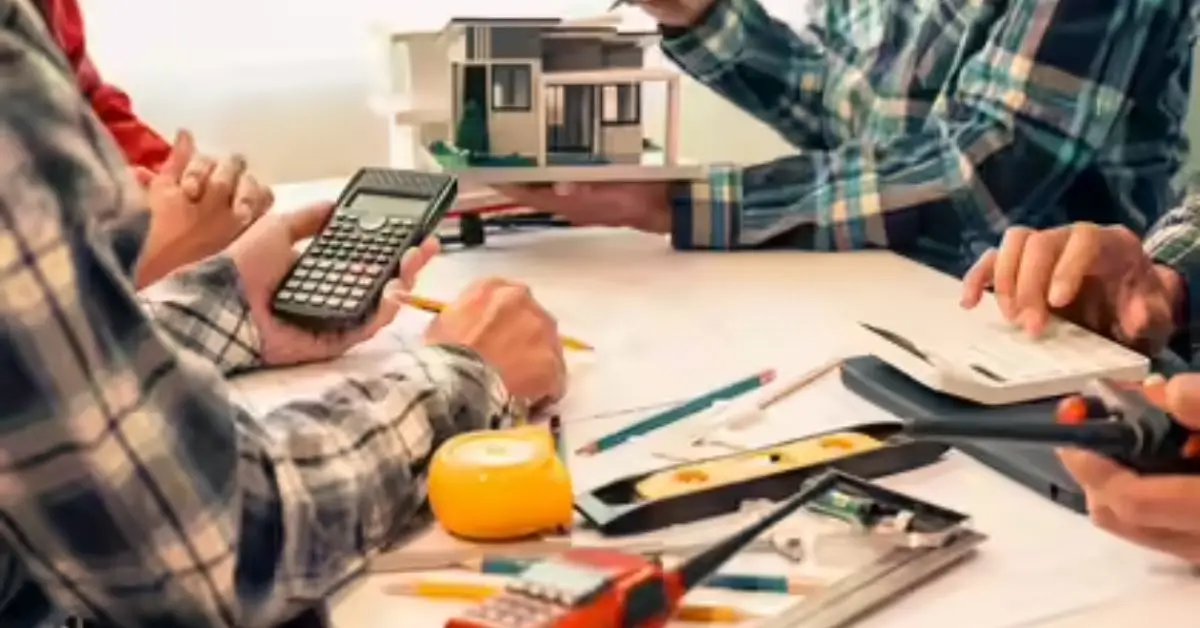
Even with these strategies, not every home project is meant to be finished exactly as planned—and that’s okay. Knowing when to pause or pivot is a mark of smart project management, not failure. Knowing when to pause or pivot is a mark of smart project management, not failure. Sometimes, the smartest choice is knowing whether to tackle it yourself or call in a professional—here’s a guide on how to decide between DIY or hiring a pro for your home projects to make that decision confidently.
Consider stopping or adjusting your plan if:
- The project is creating safety risks (like unstable structures or exposed wiring)
- You’re exceeding your budget in ways that cause stress
- The project no longer aligns with your priorities or lifestyle
Consider stopping or adjusting your plan if: sometimes, certain projects aren’t worth the time or money—this article on 11 home projects that might be a waste of money, according to experts can help you decide whether to redirect your efforts.
Tools and Techniques to Track Progress
One of the best ways to beat mid-project regret is to see your progress clearly. When you can quantify what’s done, motivation comes back almost instantly. Here are some tools and techniques I personally use for home projects:
- Simple Checklists – Break the project into small, daily tasks and tick them off. Nothing feels better than a growing list of completed items.
- Kanban Boards – Use sticky notes on a wall or an app to visualize tasks in stages: To Do → Doing → Done. It’s satisfying and reduces overwhelm.
- Timers & Pomodoro Technique – Work in focused bursts (25–30 minutes) and take short breaks. You’ll be surprised how much gets done.
- Progress Photos – Snap a picture at the end of each day or week. Seeing the transformation keeps motivation alive.
- Project Tracking Apps – Tools like Trello, Notion, or simple home renovation apps can help track budgets, timelines, and completed tasks.
Using these methods turns abstract progress into visible wins, which is crucial when MPRS tries to slow you down.
Final Thoughts: You’re Not Alone — and You Can Finish What You Started
If you’ve made it this far, I want you to know something important: mid-project regret is completely normal, especially in home projects. The truth is, almost everyone experiences these dips in motivation. The key is recognizing the signs, taking small, intentional actions, and tracking your wins.
You can finish your project—whether it’s a full kitchen remodel, a backyard upgrade, or just a small room refresh. Every small step counts, and each one brings you closer to the space you imagined when you first started.
Here’s my challenge to you: pick one strategy from this guide—even just breaking your project into tiny tasks or using a checklist—and apply it today. Then, I’d love to hear from you: what’s your mid-project struggle, and which strategy worked for you? Drop your story in the comments below and share your experience.
And if you want more home renovation tips, step-by-step guidance, and actionable advice, head over to Build Like New—we’ve got everything to help you finish what you start and love the results.
Disclaimer: This article is for informational and home project guidance purposes only. It is not a substitute for professional advice. Always use proper safety precautions, follow manufacturer instructions, and consult experts when needed.