10 Quick Pomodoro Decluttering Hacks to Instantly Refresh Your Home
Clutter doesn’t pile up because we’re lazy. It piles up because life keeps moving, and cleaning always feels like something that needs a big block of time. You see the mess, feel tired before you even start, and tell yourself you’ll handle it “this weekend.” Most weekends never come.
I’ve been there. I used to think decluttering meant pulling everything out, making an even bigger mess, and losing half a day. That’s why I kept avoiding it. Then I tried a simple timer-based approach, and something shifted. Not in a dramatic, life-changing way — but in a very real, practical one.
Instead of asking, “How do I clean this whole room?” I started asking, “What can I improve in the next 25 minutes?” That single question made starting easier. Finishing didn’t feel overwhelming either. And the house began to look cleaner much faster than I expected.
What surprised me most was how visible the change felt. Clear counters. Less visual noise. Spaces that felt calmer without being perfect. Short bursts of focused effort did what long, exhausting cleaning sessions never did.
If your home feels messy but the idea of decluttering feels heavier than the mess itself, this approach is for you. These Pomodoro decluttering tricks are about quick wins — the kind you can actually fit into a busy day.
Before we get into it, think about this: Which spot in your home would make the biggest difference to your mood if it looked cleaner today?
How to Set Up Your Pomodoro Decluttering Toolkit
Before you start the timer, stop for a minute. This step decides whether your session feels smooth or frustrating.
I’ve learned this the hard way — decluttering rarely fails because you didn’t try hard enough. It fails because you weren’t set up. You start with good intent, then realize you need trash bags. Or a box. Or labels. You leave the room, get distracted, and the flow is gone.
The whole point of Pomodoro decluttering is simple: once you start, you don’t pause.
Pick a Timer You’ll Actually Respect
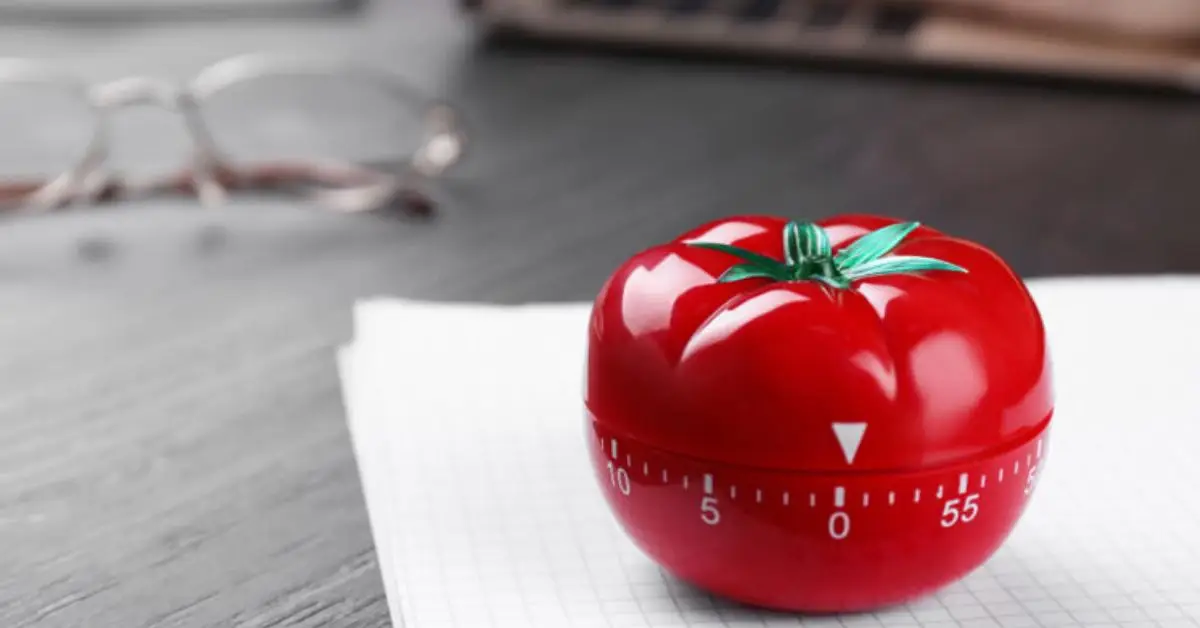
You don’t need the “perfect” app. You need a timer that creates a clear boundary.
You can use:
- A Pomodoro app on your phone if that keeps you consistent
- A basic kitchen timer if you want zero digital distraction
- A browser timer if you’re already on your laptop
What matters is trust. When the timer is running, you work. When it rings, you stop. That structure works because your brain knows there’s an end point — something even AOL’s guide on the Pomodoro technique explains clearly when talking about why timed focus reduces burnout and procrastination.
Gather Your Supplies Before You Hit Start

This is non-negotiable. I always prep first, even if it feels unnecessary.
Keep these right next to you:
- Trash bags (more than one — clutter hides surprises)
- One donation box or bag
- One “belongs elsewhere” bin
- Labels or sticky notes if you’re sorting shelves or drawers
Once the timer starts, you shouldn’t leave the space. Every interruption breaks momentum, and momentum is what makes Pomodoro decluttering work.
Decide the Exact Task in Advance
If you tell yourself, “I’ll clean this room,” your brain will push back. It feels too big.
Instead, choose something very specific:
- One drawer
- One shelf
- One cabinet
- One surface, like just the entry table
I usually say the task out loud before starting. It locks my focus and removes decision-making during the session. You’re not decluttering everything — you’re decluttering this one thing.
When your setup is solid, the session feels lighter. You move faster, make quicker decisions, and finish without feeling drained. That’s the difference between quitting halfway and actually seeing results.
Before you start your first timer, ask yourself: Is everything I need already within arm’s reach — or will I interrupt myself five minutes in?
The 10 Simple Pomodoro Decluttering Tricks
These aren’t “clean your whole house” ideas. I use these tricks when I want my space to look better fast — not perfect, just calmer and more put together. Each one is designed to give you visible results within one or two Pomodoro sessions, so you actually feel the difference.
1) Start With a High-Impact Zone (Entryway or Countertops)
When I’m short on time, I don’t start with hidden messes. I start where my eyes land first.
High-impact zones are places you see again and again:
- Entryway
- Kitchen countertops
- Coffee table
- Bathroom sink area
Clearing these spaces creates instant relief. Even if the rest of the house isn’t perfect, it feels cleaner. If your kitchen counters or cabinets are the main source of visual clutter, this step-by-step reverse decluttering guide for kitchens and closets can help you reset them without creating a bigger mess. That quick visual win gives you momentum to keep going.
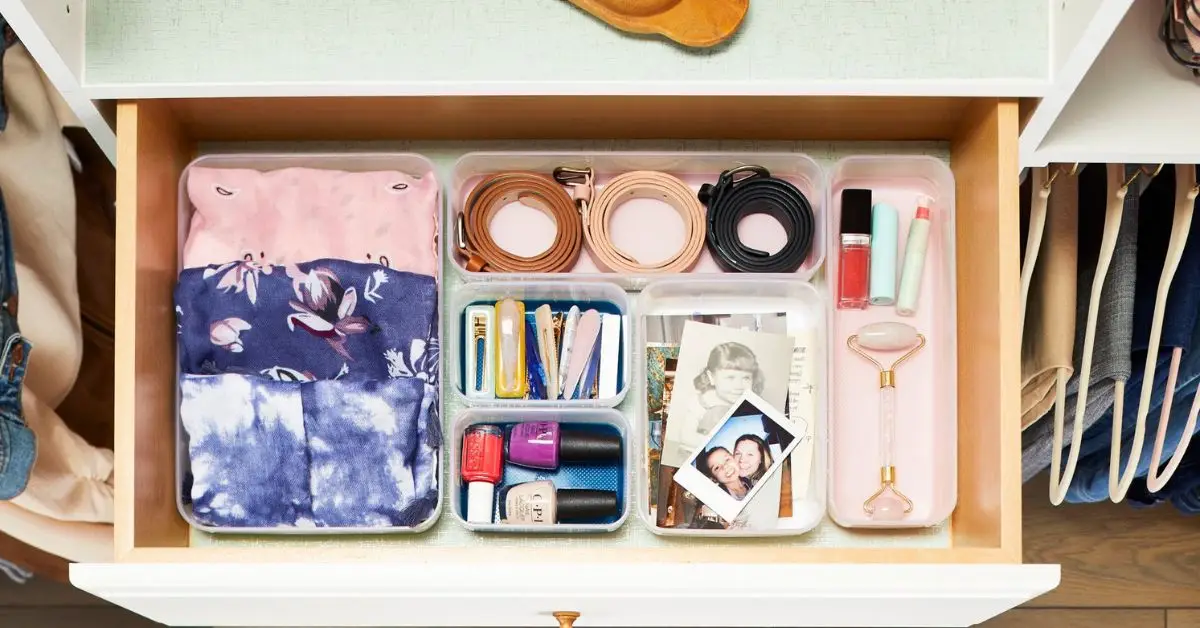
2) Use a 25-Minute Sprint to Declutter One Drawer
A single drawer might sound small, but that’s exactly why it works.
I set the timer for 25 minutes and focus on:
- Taking everything out
- Tossing obvious trash
- Putting back only what belongs
That standard Pomodoro length works because it’s long enough to make progress but short enough to avoid overthinking — something Indeed’s breakdown of the Pomodoro technique highlights when explaining how fixed time blocks reduce distraction and decision fatigue.
One finished drawer gives you proof that progress is possible.
3) Break Down Tasks With Mini Pomodoros
Some tasks don’t need 25 minutes. Some need more.
I adjust based on energy:
- 15 minutes for simple surface clutter
- 25 minutes for sorting
- 50 minutes for deep problem areas
This flexibility keeps you from quitting just because the timer feels wrong. You’re still using the method — just in a way that fits you.
4) Batch Similar Tasks in One Sprint
Instead of switching between tasks, I batch them.
For example:
- One sprint only for trash
- One sprint only for donations
- One sprint only for putting items back
Batching keeps your brain in one mode, which speeds everything up. Less mental switching means more visible progress in less time.
5) Use the Timer to Force Quick Decisions
The timer isn’t just for focus — it’s for decision-making.
When the clock is running, I don’t debate every item. I ask:
- Do I use this?
- Does it belong here?
- Would I buy this again today?
The time limit stops me from overthinking. Fast decisions equal faster results. If decision fatigue slows you down, focusing only on the small number of items that create most of the mess can help — that’s exactly what the 80/20 decluttering rule is designed for.
6) Create a Visible Progress Tracker
This sounds small, but it works.
I keep a simple list:
- Drawer done
- Shelf cleared
- Counter reset
Checking things off creates a reward loop. You see progress, and that feeling makes it easier to start the next session instead of avoiding it.
7) Reward Your Wins After Every Few Sprints
No rewards, no consistency. That’s been my rule.
After 2–3 Pomodoros, I:
- Take a real break
- Grab coffee
- Sit down without guilt
You’re teaching your brain that decluttering leads to relief, not exhaustion. That’s how the habit sticks.
8) Customize Your Pomodoro Around Your Real Life
Most people don’t have quiet, uninterrupted hours.
I fit Pomodoros into real moments:
- One sprint after dinner
- One during a child’s nap
- One before bed
Short, planned sessions work better than waiting for “free time” that never shows up.
9) Visualize the End Result Before You Start
Before I hit start, I pause and picture what “done” looks like.
Not perfect. Just:
- Clear surface
- Fewer items
- Easy to reset later
This makes decisions faster because you’re working toward a clear outcome instead of guessing as you go.
10) Maintain With Weekly Quick Pomodoro Cleanups
Decluttering isn’t a one-time event.
I do one or two short Pomodoros each week to:
- Reset high-traffic areas
- Catch clutter early
- Avoid big messes later
This keeps the house consistently cleaner without ever needing a full overhaul.
If you could only try one of these today, which one feels the easiest to start with right now?
Quick Before/After Room Checklist
When time is limited, I don’t guess where to start. I use a simple before/after checklist to make sure the Pomodoro session actually changes how the room looks — not just how busy I felt.
You can screenshot this, print it, or keep it in your notes app.
Before you start the timer, check:
- Are surfaces crowded or hidden under random items?
- Are there things here that clearly belong somewhere else?
- Is trash mixed in with usable items?
After one Pomodoro, aim for this:
- Clear or mostly clear main surfaces (table, counter, desk)
- Trash removed from the room
- Items grouped together instead of scattered
- One visible area that looks “reset”
Rooms and zones that respond best to short timed bursts:
- Entryway tables and shoe areas
- Kitchen counters and pantry shelves
- Bathroom sink and cabinet
- Bedroom nightstands
- Living room coffee tables
You don’t need the room to be perfect. If it looks noticeably calmer when you walk back in, the Pomodoro did its job.
Avoiding Common Pomodoro Decluttering Mistakes

I’ve made all of these mistakes — and they’re usually why people say, “Pomodoro didn’t work for me.” Many of these frustrations come from common decluttering mistakes most people don’t realize they’re making — this breakdown of the biggest decluttering fails and what to do instead explains where things usually go wrong. It does work, but only if you know how to handle these moments.
When the Timer Rings Mid-Task
This one trips people up.
If the alarm goes off and you’re halfway through something, don’t panic and don’t push through blindly. Do one of these instead:
- Finish the exact item in your hands, then stop
- Make a quick note of what’s left
- Reset the space enough that it doesn’t look worse than before
Stopping cleanly matters. It protects your energy and makes it easier to restart later.
When Your Focus Starts to Fade
If your mind drifts five minutes in, that’s normal.
What helps:
- Stand up for 30 seconds and stretch
- Switch from sorting to trash removal
- Narrow the task even further (one shelf instead of the whole cabinet)
You’re not failing — you’re adjusting. Pomodoro is flexible by design.
When You Get Interrupted
Interruptions happen. Kids, calls, doorbells — real life doesn’t pause.
If it happens:
- Pause the timer
- Handle the interruption
- Restart a new Pomodoro if needed
Don’t try to “salvage” a broken session. A clean restart is better than forcing focus that’s already gone.
Tools and Timers That Make This Easier
You don’t need many tools, but the right ones remove friction.
For timers, I prefer simple and visual. One option I often recommend is Pomofocus, a clean Pomodoro timer that lets you:
- Start instantly without setup
- Track completed sessions
- Stay focused without extra features
Other helpful basics:
- A physical kitchen timer if phones distract you
- A notes app checklist for tracking completed zones
- One laundry basket or bin for “put away later” items
The best tool is the one you’ll actually use without overthinking. If starting feels easy, you’re far more likely to follow through.
Quick question before you move on: Which room from your checklist feels like it would give you the biggest visual win with just one Pomodoro today?
Your First 25-Minute Challenge
Don’t overthink this. You don’t need a plan for the whole house.
Here’s what I want you to do today — just once.
Pick one visible spot. Not a whole room. One surface, one drawer, or one small area that bugs you every time you see it. Set a 25-minute timer and work until it rings. No pausing. No rearranging other rooms. Just that space.
When the timer stops:
- Throw the trash away
- Put donation items in one bag
- Reset the area so it looks cleaner than before
Then stop. Even if you feel like you could do more.
The goal of this first challenge isn’t perfection. It’s proof. Proof that your home can look noticeably better in less than half an hour.
After you finish, take a quick look at the space. That calmer feeling? That’s the method working.
If you try this today, drop a comment and tell me which area you chose and how it felt when the timer ended. I read every one.
And if you want more practical, no-fluff home tips that actually fit real life, you’ll find them on Build Like New — that’s where I share simple ways to make your home feel fresh without burning yourself out.
Disclaimer: This article is for general home organization and productivity guidance only. Results may vary based on individual habits, space, and time availability. Use these tips in a way that feels practical and safe for your home and routine.