10 Quick Ways to Remove Dog Smell from Your Home in Just 30 Minutes
If you live with a dog, you already know this: one day your home smells normal… and the next, there’s a strange “dog odor” hanging in the air that you can’t quite ignore. I’ve dealt with this in my own home more times than I can count, and I know how frustrating it is when you’ve cleaned everything, yet the smell still lingers.
The truth is, dog odor doesn’t come from one place. It builds up quietly — in fabrics, carpets, corners, bedding, and even in the air that’s not moving enough. Most guides online either give you long, time-consuming routines or long-term cleaning plans. But what if you only have 30 minutes and need your house to smell fresh right now?
That’s exactly what I’m going to help you with.
In this guide, I’ll walk you through the same fast, practical tricks I use at home — the ones that actually work when you don’t have time for a deep clean. These are small steps, but together they make a huge difference, and you’ll feel it the moment you walk back into the room.
Before we dive in, tell me one thing — does the smell bother you more, or do you mostly want the place fresh before guests come over?.
The Real Reason Your House Smells Like Dog (And Why It Gets Worse Fast)
If your home smells like dog even after you clean, you’re not imagining it — and honestly, I’ve dealt with the same thing. The tricky part is that the odor rarely comes from one obvious source. It builds slowly, in small layers, until the day you walk in and wonder why the air feels heavy.
Once you understand where the smell comes from, fixing it becomes a lot easier. Let’s break it down.
Odor Sources Most People Don’t Notice — Dander, Oils, Saliva, Damp Fur
Most dog odor comes from tiny things we overlook because we’re so used to them. When I started paying attention to these, the difference in my home’s smell was huge.
Here are the main culprits:
- Dander and natural skin oils: Dogs constantly release tiny skin flakes and coat oils, and these stick to fabrics and surfaces more than you realize. The guide on keeping your home odor-free from Basepaws explains how this mix becomes one of the strongest hidden smell sources.
- Saliva and drool on fabrics: Even dried saliva holds odor. Toys, blankets, couch edges, and anywhere your dog rests its head can trap smell fast.
- Moisture and damp fur: Wet fur is a powerful odor amplifier. If your dog comes in from the rain or air-dries after a bath, that damp smell spreads quickly through the house.
- Soft furnishings: Beds, throws, cushions — anything soft — works like a sponge, soaking up oils, dander, and saliva.
When all of these stack together, even a clean home can smell like dog again by the next day.
Why Airflow, Fabrics, and Carpets Trap Dog Smell
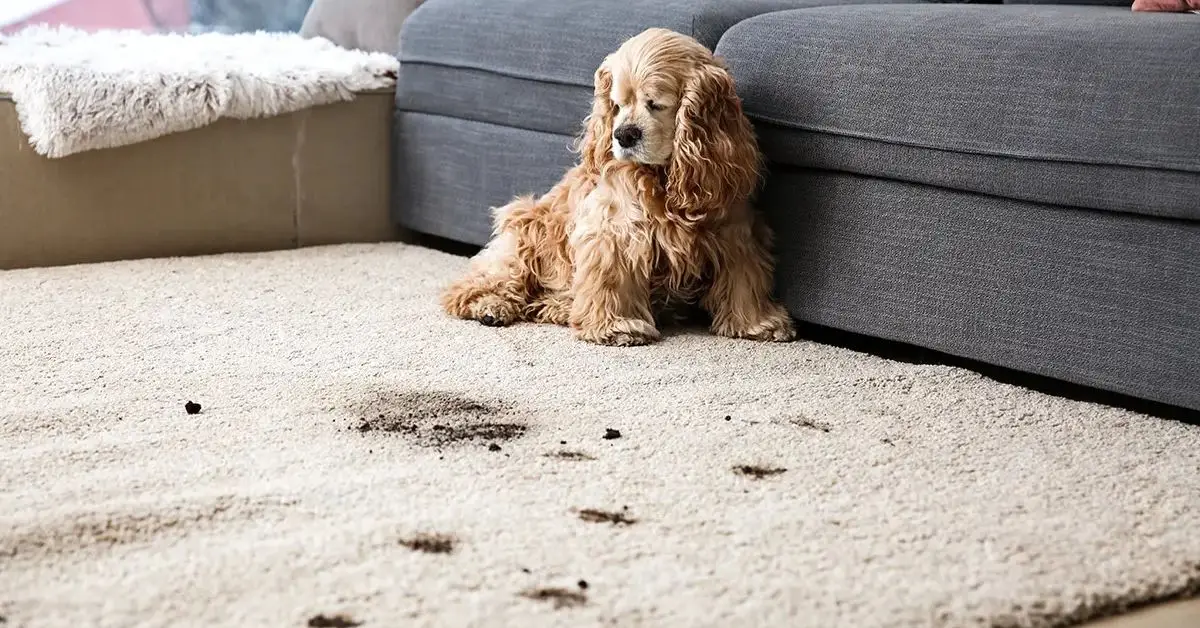
This is where most people get confused — they clean, but the smell keeps returning. And there’s a simple reason for it.
- Poor airflow keeps the odor “sitting” in the room: If air isn’t moving, smell doesn’t escape. It lingers, mixes with humidity, and becomes stronger over time.
- Fabrics soak up odor and release it slowly: Think curtains, rugs, throws, and pet beds. These materials hold onto oils and moisture, then release the smell back into the air when they’re disturbed.
- Carpets trap odor deep inside: Carpet fibers grab oils and dust, but the real problem is the padding underneath — once odor reaches that layer, surface cleaning isn’t enough.
- Repetitive buildup: Your dog sheds a little, drools a little, gets a bit damp, naps on the same spot — and the cycle repeats daily.
Understanding this helps you approach odor removal in a smarter way. You stop masking the smell and start breaking the cycle that creates it.
30-Minute Odor-Removal Plan — The 10 Tricks That Work Fast
I use this same 30-minute routine when I need my place to smell clean right now. If you follow these steps in order, you’ll feel the difference before you even finish the list.
1. Start With a 2-Minute Air Reset (Windows + Fans + Cross-Ventilation)
You’d be surprised how fast the smell lifts simply by moving the air. I always start here because it gives you the quickest win.
What to do:
- Open windows on opposite sides of the room
- Switch on ceiling or portable fans
- Position one fan to push stale air out
- Let fresh air pull in from the opposite side
Why it works: Stale air traps odor molecules. Moving fresh air through the room instantly cuts the smell before you even start cleaning.
2. Do a 5-Minute Pet-Hair Sweep (Vacuum High-Traffic Spots Only)
You don’t have time to vacuum the whole house — and you don’t need to. I only hit the places where my dog spends the most time.
Target spots like:
- Couch area
- Dog bed zone
- Near food/water bowls
- Hallways and doorways
Why it works: Hair and dander carry most of the actual smell. Removing them from the busiest spots makes a big difference quickly.
3. Use a Baking Soda “Shock Treatment” on Carpets & Sofas
This is my go-to when the smell feels heavy. Baking soda absorbs odors fast, even when you don’t have time for a deep clean.
How to do it:
- Sprinkle a light layer on rugs, carpets, and couch cushions. Not only does this help absorb odors, but it can also prevent infestations from pests like carpet beetles. For expert tips, check out 7 Proven Ways to Get Rid of Carpet Beetles Without Calling Pest Control.
- Let it sit while you continue the routine
- Vacuum it at the end
Why it works: Baking soda pulls odor out of soft fibers — especially carpets, which trap smell the most.
4. Mist a Diluted Vinegar Spray on Hard Floors & Corners
This is one of those tricks that works almost instantly.
Make a quick spray:
- 1 part white vinegar
- 2 parts water
- Optional: a few drops of pet-safe essential oil
Spray lightly on:
- Hard floors
- Corners
- Baseboards
Why it works: Vinegar neutralizes odor-causing bacteria at a molecular level, not just on the surface.
5. Throw Pet Bedding or Blankets in a Quick Wash Cycle
This step alone can change the entire room’s smell.
Wash anything your dog sleeps on or touches daily:
- Bed covers
- Blankets
- Crate pads
- Throw blankets
Why it works: Soft bedding is one of the biggest odor sponges in your house. A quick wash lifts off oils, dander, and lingering smell faster than anything else.
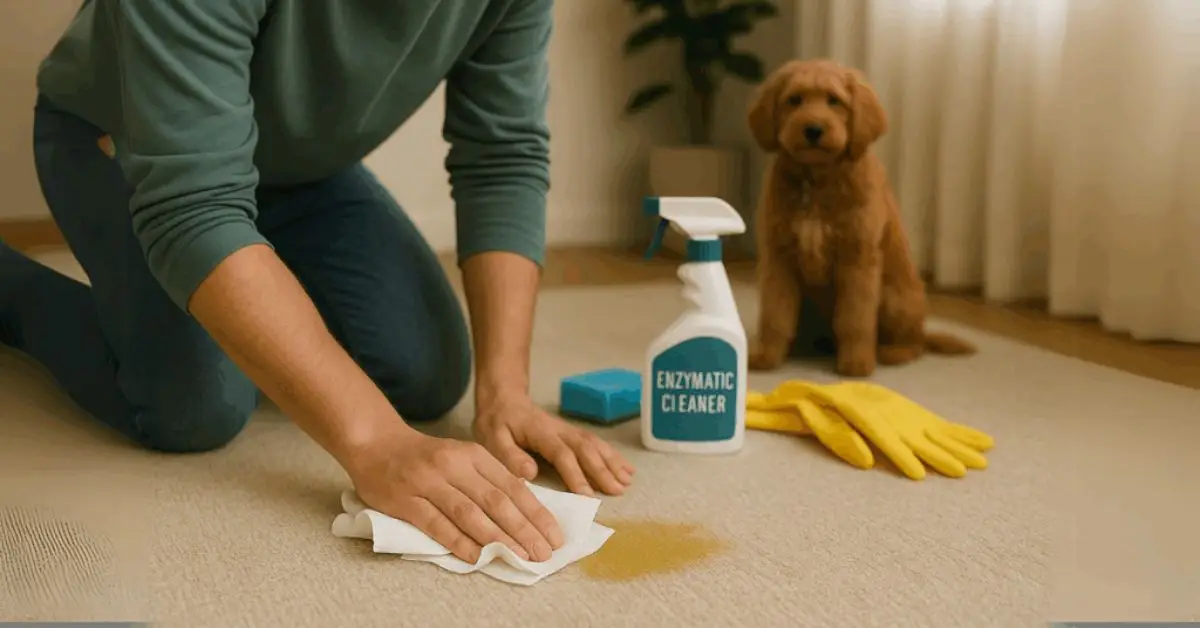
6. Spot-Clean Accidents With an Enzyme Cleaner
Here’s where you don’t want to skip the right product. Ordinary cleaners might remove surface dirt, but they don’t break down the compounds that actually cause the smell.
According to the pet odor removal guide from Napa Humane — which has a step-by-step on treating pet stains and odors — using an enzyme cleaner helps break down organic matter in stains so the smell doesn’t come back.
What to treat:
- Fresh or old pee spots
- Vomit stains on carpet or upholstery
- Saliva-heavy textile spots
Why it works: Enzymatic cleaners target the source of the odor — digested proteins and organic residues — instead of just masking the scent.
7. Wipe Down Surfaces Your Dog Touches (Doors, Kennels, Crates)
This is a step many guides miss, but it’s one I never skip.
Wipe places like:
- Door frames and edges
- Kennel bars
- Crate walls
- Playpen rails
- Food bowl stands
Why it works: These surfaces gather oils, saliva, and fingerprints from your dog. Removing that buildup stops odors from re-entering the air.
8. Refresh the Room With Activated Charcoal or Baking Soda Bowls
You don’t want the smell coming back right after you clean. These little odor absorbers keep working even after your 30-minute reset.
Place small bowls of:
- Activated charcoal
- Baking soda
Put them in:
- Corners
- Near the couch
- Next to dog bed
- Hallways with low airflow
Why it works: These absorb odor passively, even after your main cleaning is done.
9. Do a Quick Grooming Pass — Brush, Wipe Paws, Clean Damp Fur
Half the smell problem starts with the dog itself — especially damp fur and dirty paws.
Try this quick pass:
- Brush loose fur
- Wipe paws with a damp cloth
- Check and dry moist spots (belly, armpits, neck folds)
Why it works: When your dog carries less odor on its body, your house stays fresher longer.
10. Set a 60-Second Aroma Reset Using Pet-Safe Fresheners
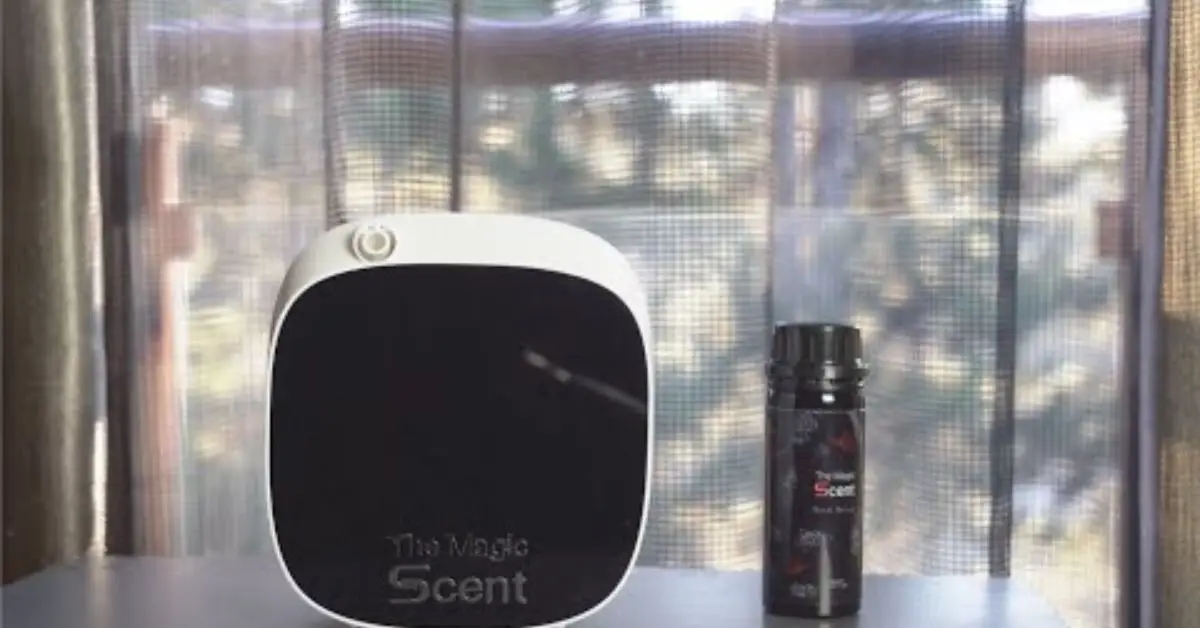
This isn’t about masking the smell. It’s a finishing touch to make the room feel inviting — not overwhelming.
Good options:
- Pet-safe room sprays
- A diffuser with neutral, light scent
- Fabric mist for couches and curtains
Why it works: After you’ve removed the actual odor sources, a subtle fresh scent helps the space feel clean and comfortable without covering up anything.
30‑Minute Timetable (Download‑Style Cheat Sheet)
Minute‑By‑Minute Quick Map: 0–5, 5–10, 10–20, 20–30
I’ve broken your 30‑minute plan into practical blocks so you can see exactly what to do and when.
0–5 Minutes: Fresh Air + Quick Hair Sweep
- 0:00–1:00 — Open windows and start fans for airflow reset
- 1:00–3:00 — Quick vacuum of pet zones (couch, entrance, dog bedding area)
- 3:00–5:00 — Light brushing of visible loose fur
5–10 Minutes: Odor Absorption & Spot Prep
- 5:00–6:00 — Sprinkle baking soda on carpets and sofas
- 6:00–8:00 — Make a diluted vinegar spray and mist hard floors
- 8:00–10:00 — Start treating any obvious stains
10–20 Minutes: Deepen Impact
- 10:00–12:00 — Toss pet bedding/blankets into a quick wash
- 12:00–15:00 — Treat accidents with the right cleaner
- 15:00–20:00 — Wipe down dog‑touch surfaces (doors, crates, bowl stands)
20–30 Minutes: Passive Freshness + Final Touches
- 20:00–22:00 — Place odor absorbers (baking soda or activated charcoal bowls)
- 22:00–25:00 — Quick paw wipe + brush of dog
- 25:00–30:00 — One‑minute aroma reset with pet‑safe freshener
Pro Tip: Many professional home inspectors and cleaning advisors recommend focusing first on airflow and odor absorption steps — they’ve found that proper ventilation plus targeted surface treatments neutralize odor much more effectively than just spraying scents or masking products.
For example, the odor removal tips from Avalon Home Inspections walk through practical immediate fixes that match this type of sequence.
What to Avoid: Common Mistakes That Make Dog Smell Worse
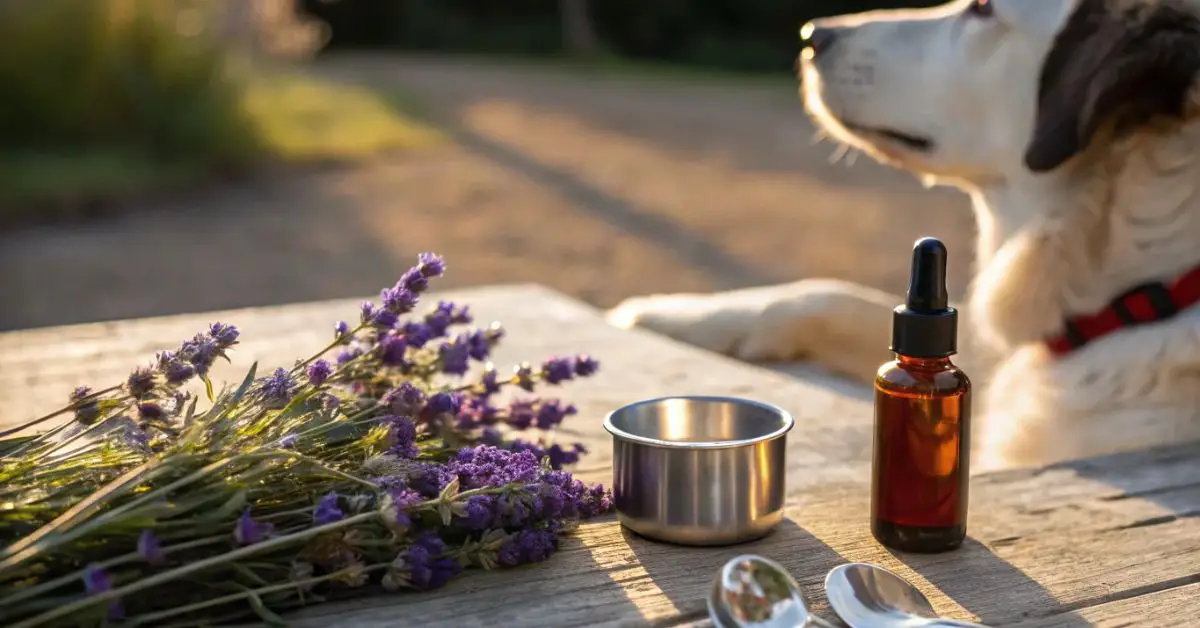
Using Strong Synthetic Fragrances That Mix With Odors
You might be tempted to reach for the strongest room freshener you can find, but here’s the thing: artificial fragrances can mix with the natural dog smell and make the overall scent even more noticeable, not less. It’s like trying to cover vinegar with perfume — the result is just heavier, not cleaner.
Real odor removal comes from neutralizing the source, not overpowering it. That’s why targeted cleaning steps matter far more than fragrance bombs.
Leaving Fabrics Damp After Washing
I learned this the hard way — washed bedding that wasn’t completely dry ended up smelling musty, and suddenly the room smelled worse than before. Fabrics that stay just a bit damp are perfect breeding grounds for mildew and musty odors.
Here’s how to avoid that:
- Dry pet bedding on a setting appropriate for the fabric
- Add extra drying time if it still feels slightly moist
- Fluff pillows and cushions where possible to help airflow
Moisture + trapped fibers = lingering smell that keeps coming back.
Not Cleaning the Dog — Only Cleaning the House
This is one of the biggest traps people fall into. You can deep‑clean carpets, refresh the air, and replace air filters… but if your dog still carries oils, dander, and damp fur into the environment every day, the smell will always resurface.
To prevent that cycle:
- Brush your dog regularly to remove loose fur
- Wipe paws after walks and damp weather
- Bathe as recommended for your dog’s breed and skin type
- Check ears and skin folds for buildup
A fresher dog means a fresher home. They go hand in hand.
If Smell Still Won’t Go Away — Hidden Sources to Check
Sometimes, even after your 30-minute reset, the smell lingers. That usually means it’s hiding somewhere unexpected. I’ve found that checking these “invisible” spots often solves the stubborn odors. Another hidden culprit: old carpets or foam cushions.
Over time, fibers and padding absorb oils and moisture so deeply that a surface cleaning or vacuum won’t touch them. In fact, for tips on which spaces are best avoided for carpet entirely, check out 5 Rooms Where Carpet Is Always a Bad Idea.
- HVAC filters and vents — Air circulation spreads odor, and if filters are clogged or vents dusty, you’re essentially recycling the smell.
- Under sofas and furniture — Dirt, hair, and oils get trapped underneath and go unnoticed until they re-enter the air.
- Behind doors and baseboards — Dogs often rub against edges, and these small spots hold odor longer than open surfaces.
- Car interiors — If your dog rides in the car, the same fur, oils, and dander can transfer back home and make your house smell worse.
Another hidden culprit: old carpets or foam cushions. Over time, fibers and padding absorb oils and moisture so deeply that a surface cleaning or vacuum won’t touch them. Sometimes the only solution is replacement or professional deep cleaning.
Long-Term Prevention: 5-Minute Daily Routine
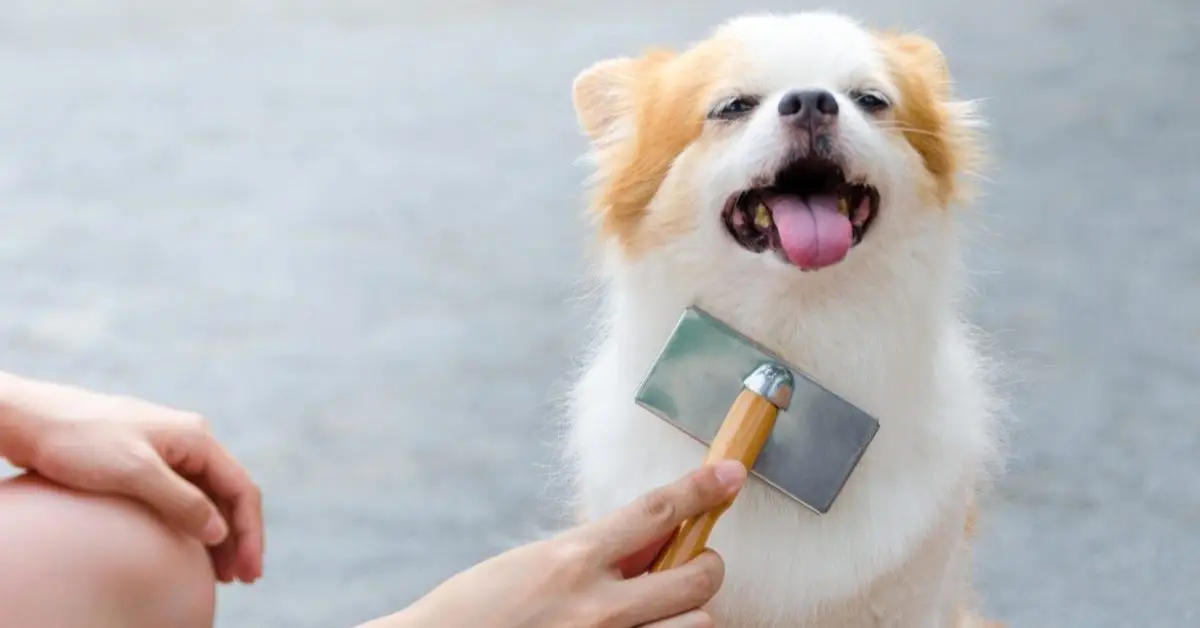
Keeping your house fresh long-term doesn’t require hours of work every day. I keep a simple 5-minute routine that prevents the odor from building up.
- Light brushing — Brushing your dog for a few minutes each day removes loose hair and dander before it settles.
- Quick vacuum in pet areas — A fast sweep of high-traffic zones keeps surfaces clean without a full deep clean.
- Regular bedding wash schedule — Wash beds, blankets, and crate pads weekly to prevent odors from embedding.
Quick Safety Note (Pet-Safe Cleaning Essentials)
Even effective cleaning can backfire if the products aren’t pet-safe. Here’s what I always keep in mind:
- Safe ingredients: Baking soda, diluted vinegar, enzyme cleaners. They neutralize odors without harming your dog.
- Unsafe items to avoid: Bleach mixes, strong chemical cleaners, and certain essential oils (like tea tree or citrus oils) that can be toxic to pets.
For a more detailed list of dangerous products every pet owner should avoid, see Pet Owners: Stop Using These 6 Toxic Cleaners at Home.
Keeping your routine safe ensures you’re solving the problem without introducing new risks.
Conclusion
Dog smell doesn’t have to control your home. With the right 30-minute routine, attention to hidden odor sources, and a short daily maintenance plan, your house can stay fresh and welcoming — without hours of scrubbing or masking sprays.
I want to hear from you! Which trick worked best for your home, or which tip are you excited to try first? Drop a comment below and share your experience.
And if you want more expert-backed cleaning guides, tips, and home care strategies, check out Build Like New — we bring practical solutions for real homes, just like yours.
Disclaimer: The tips in this article are for general informational purposes only. Always follow product instructions and consult your veterinarian if your pet has health issues or allergies. Build Like New is not responsible for any damage or injury resulting from cleaning methods used.