10 Quick Hideaway Spots for Clutter When You’re Short on Time
I didn’t write this for people who enjoy cleaning. I wrote it for moments when life gets ahead of you. When the house isn’t dirty exactly—but things are everywhere. The kind of mess that shows up when you’re busy, tired, or just done for the day.
You know that feeling. Guests text they’re on the way. You look around. There’s no time to clean, organize, or “do it properly.” You just need the mess to stop being visible.
That’s where hiding comes in. Not ignoring. Not giving up. Just being practical.
Most of us don’t need another lecture about decluttering. We need smart places where things can go right now—places that make a room feel calm in minutes, even if everything inside those spots is still a little chaotic.
That’s what this guide is about. Real homes. Real messes. Real solutions that actually work when cleaning isn’t an option. No perfection. No guilt. Just quick wins that help you breathe again.
Before we get into the list, let me ask you something— If someone rang your doorbell right now, which room would you rush to hide first?
1) Under the Bed (Flat Bins & Slide-In Boxes)
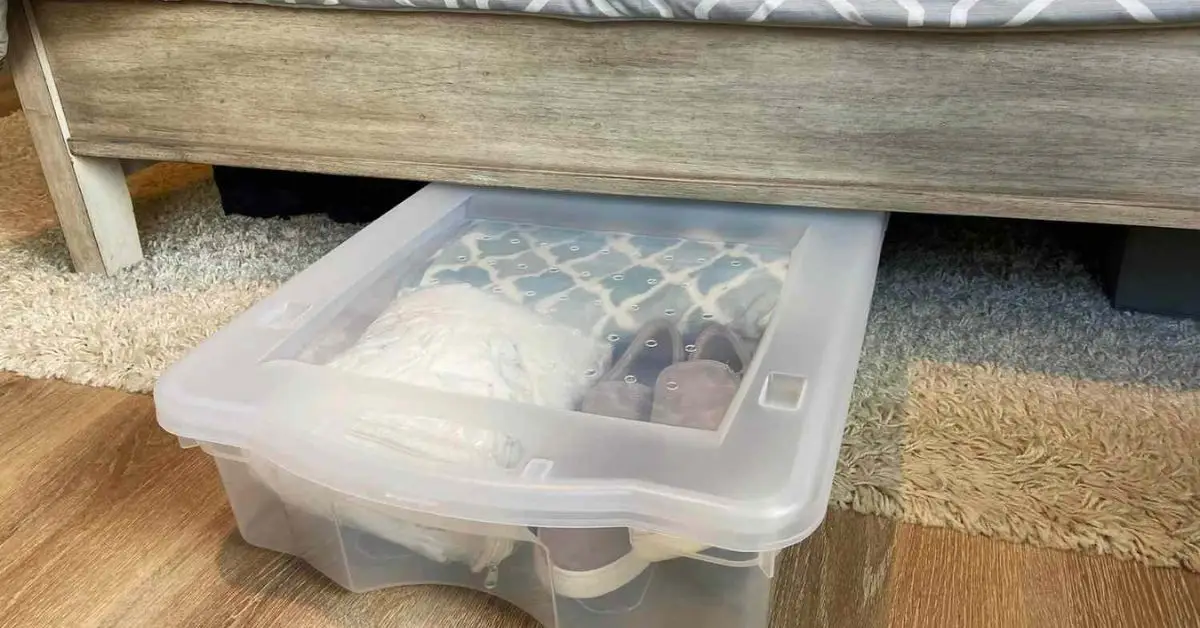
If I had to pick one place that saves me again and again, this would be it. When cleaning isn’t an option, the space under your bed is basically a quiet hero. It’s big, hidden, and no guest is going to bend down and inspect it.
Most people think of under-bed storage only for seasonal stuff. But in real life, this is where an entire room’s worth of mess can disappear in minutes.
Here’s why it works so well when you’re panicking:
- It hides volume, not just small items
- You don’t have to sort or think—just slide things in
- Flat bins keep the mess from spilling back out later
- The room instantly looks calmer, even if nothing is “organized”
I’ve seen this tip come up again and again in real cleaning emergencies, and even home experts point out how underrated under-bed storage is for quick resets. The Spruce talks about using it as a practical hiding zone when time isn’t on your side.
Use this spot for things like loose clothes, random bags, kids’ toys, or anything bulky that makes the room feel loud.
2) Storage Ottomans & Benches (Living Room Lifesaver)
If the living room is messy, everything feels messy. That’s the room people see first—and the room that triggers the most embarrassment. I’ve learned that if I can reset just this space, my stress drops immediately.
That’s where storage ottomans and benches earn their place.
You lift the lid, drop the mess in, close it—and suddenly the room looks intentional again.
This works because:
- One piece of furniture hides dozens of items
- You don’t have to leave the room to clean it
- Guests assume it’s “just furniture,” not storage
- It turns panic cleanup into a 60-second job
I use mine for blankets, throw pillows, random cables, magazines, and all the stuff that somehow ends up on the couch. You don’t need multiple hiding spots—just one reliable one that’s always there.
If you could hide everything in one place right now, what would go into your ottoman first?
3) Inside Decorative Baskets (Not Just for Decor)
If you look around your house right now, chances are you already own at least one basket. It’s probably sitting there looking nice—and doing nothing useful. I used to treat baskets as decor too, until I realized they’re perfect for temporary chaos control.
The trick is understanding this one difference most people miss: a hide-now basket is not the same thing as an organize-later basket.
When you’re short on time, you don’t need systems. You need a place where things can land without thinking.
Here’s how I use baskets when things get out of hand:
- One basket per room, max
- Toss in remotes, mail, chargers, toys—no sorting
- Place it where it looks intentional, not hidden
- Empty it later when life slows down (not today)
You’ve probably seen this on social media too—those quick CleanTok videos where creators clear a surface by dumping everything into a “clutter basket.” It works because it gives you instant visual relief without pretending the mess is gone forever. Sometimes the mess isn’t about having too many things, but about where they land visually—especially in the kitchen. If your counters still feel cluttered even after quick resets, you might be making a few small layout mistakes without realizing it, like the ones explained in 7 common kitchen mistakes that make your space look unappealing.
If you had to grab one basket right now, which room would it save first?
4) Behind Closed Curtains (Cabinets, Shelves, Under Sink)
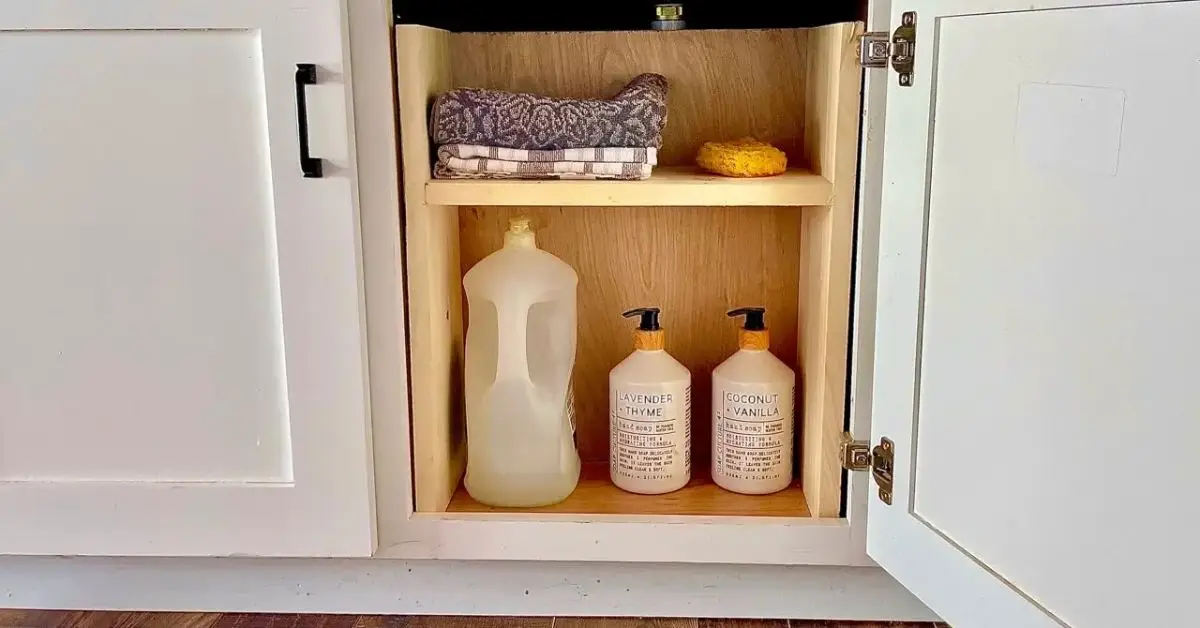
This is one of my favorite zero-effort tricks because it costs nothing and works immediately. No buying. No installing. No organizing.
You’re not hiding clutter—you’re hiding the view of clutter.
A simple curtain can turn an open shelf, messy cabinet, or under-sink disaster into something that looks calm and intentional. Once it’s closed, your brain relaxes. And honestly, that’s the whole point.
Why this works so well:
- Our eyes read “closed” as “clean”
- Curtains soften visual noise instantly
- Great for rentals or small spaces
- You can ignore what’s behind it for now
Design experts often talk about this as hiding clutter in plain sight, and Homes & Gardens has highlighted how curtains create a visual illusion of order without fixing what’s underneath.
You don’t need perfection. You just need fewer things staring back at you. This same idea applies to hidden kitchen spaces too—especially freezers, where clutter builds up fast but stays out of sight. If yours always feels packed no matter how often you rearrange it, these 5 quick hacks to maximize freezer space and save money can help without a full clean-out.
5) Inside Closets — Floor Level, Not Shelves
When people panic-clean, they usually try to shove things onto closet shelves. That’s how closets become unmanageable messes.
I’ve learned to do the opposite.
The floor of the closet is your short-term hiding zone. It keeps shelves usable and stops you from creating a bigger problem later.
Here’s how to use closet floors without regret:
- Push items to the sides, not the center
- Use bags or bins so nothing spills
- Keep shelves off-limits during panic cleanup
- Treat it as temporary parking, not storage
This way, when you come back later, you’re not dealing with a full closet collapse. You know exactly where the mess is—and it hasn’t multiplied.
If your closet could hide one category of mess today, what would it be? Once the immediate mess is under control, closets are usually the next place people want to fix properly. When you’re ready to move beyond hiding and actually create more room, these 11 smart closet hacks that instantly create more space are a solid next step.
6) Under the Couch (Soft Items Only Rule)

This is the fastest hide spot in the house. No walking. No opening lids. Just lift, push, done.
But there’s one rule I always follow: soft items only.
When guests are literally minutes away, under the couch can save you—but only if you use it right.
What works under the couch:
- Throw blankets
- Pillows
- Hoodies or soft clothes
- Lightweight bags
What doesn’t:
- Hard objects
- Anything sharp or breakable
- Stuff you’ll forget about for months
Used correctly, this spot buys you instant calm without creating damage or long-term clutter. It’s not elegant—but it’s real life.
Be honest—have you ever hidden something under the couch and completely forgotten about it?
7) Coffee Tables with Drawers or Lift-Tops
If a room looks messy, I almost always find the problem right here. Coffee tables attract everything—remotes, chargers, mail, cups, random objects you didn’t even realize you dropped.
That’s why tables with drawers or lift-tops are so powerful. One lift, one slide, and the mess is gone.
Why this works so well:
- It’s the highest-traffic surface in the room
- You don’t have to leave your seat to hide things
- Guests never think to check inside
- The room instantly looks “put together”
I treat this space like a visual reset button. If nothing else gets cleaned, this one move can change how the entire living room feels.
If you cleared your coffee table right now, what’s the first thing you’d hide?
8) Over-the-Door Storage (Back of Doors Nobody Looks At)
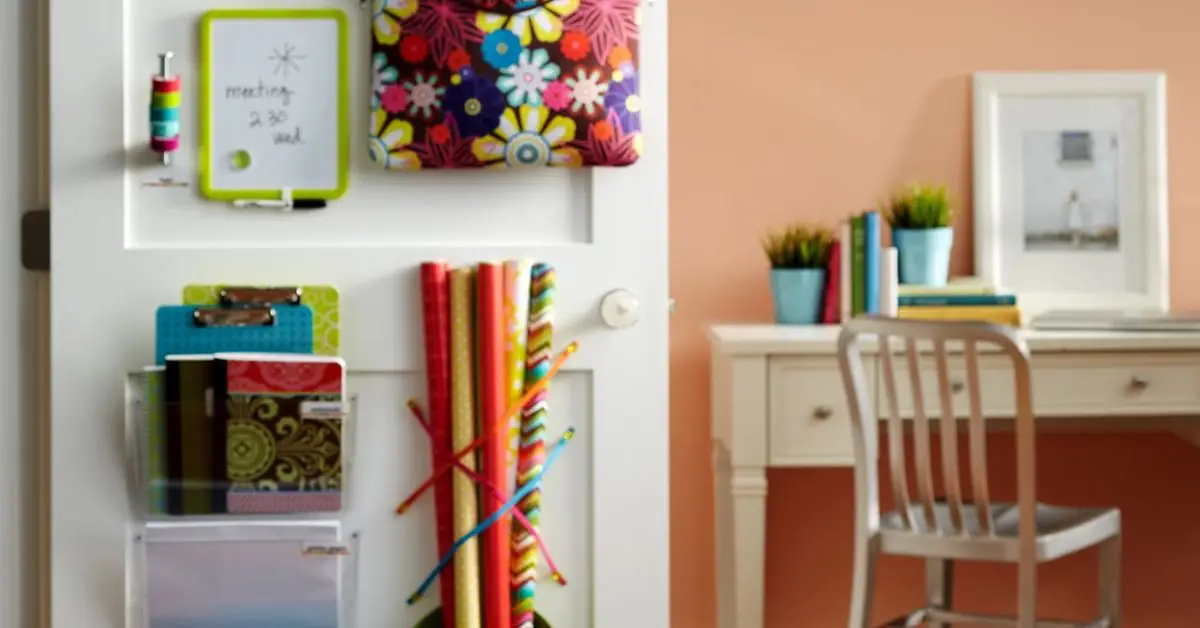
Doors are one of the most ignored storage opportunities in a home. And that’s exactly why they’re perfect.
I like over-the-door storage because it uses space you already have—and nobody pays attention to it.
This works especially well if you’re renting or short on closets.
Here’s what makes it a stealth hide zone:
- Completely invisible when the door is open
- No drilling or permanent setup
- Great for small, annoying items
- Keeps clutter off floors and surfaces
The back of a door is the last place guests look, which makes it one of the safest places to hide everyday mess without stress.
Which door in your home is doing absolutely nothing right now?
9) Car Trunk (Extreme but Real-Life Option)
This one isn’t pretty, but it’s honest.
Sometimes the house is too far gone and guests are already outside. In those moments, people do what works—and yes, that sometimes means the car trunk.
I’ve done it. Most people I know have done it too.
Why this works in real life:
- It’s completely out of sight
- You don’t have to organize anything
- It buys you immediate relief
- Zero impact on indoor space
Important rule: this is short-term only. Use it for non-fragile items like bags, boxes, or random clutter—not anything you’ll forget for weeks.
This isn’t a system. It’s an emergency exit.
Have you ever used your car as temporary storage and sworn you’d deal with it “later”?
10) One Emergency Bin — The Dedicated Panic Container
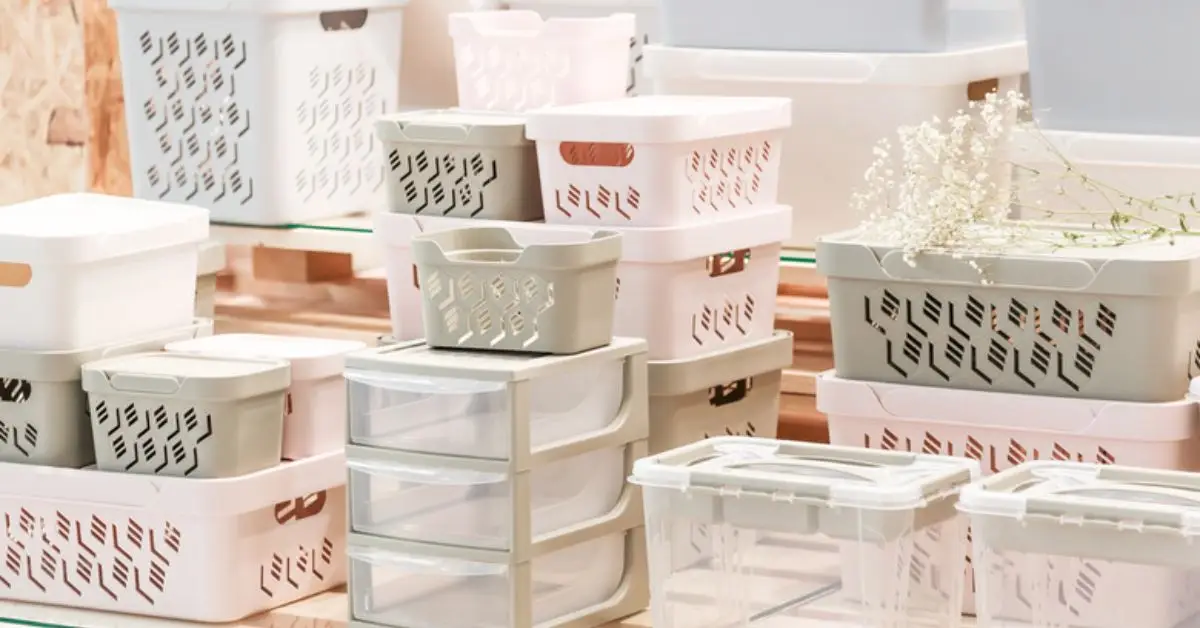
If there’s one habit that’s saved my sanity, it’s this: one bin, one purpose, no thinking.
Instead of hiding mess all over the house, I keep a single “emergency bin.” When things get overwhelming, everything goes in there. No decisions. No sorting.
This idea comes up constantly in real cleaning communities, especially among people who struggle with overwhelm or ADHD. You’ll see it talked about often in places like r/UnfuckYourHabitat, where people share judgment-free ways to survive messy days.
Why this works better than multiple hiding spots:
- One place to dump everything
- No mental load during cleanup
- Easy to find later
- Prevents clutter from spreading
The bin isn’t failure. It’s a pause button.
If you had one emergency bin today, where would you keep it—and what would go in first?
How to Use These 10 Spots Without Creating a Bigger Mess Later
Let me say this clearly: hiding mess doesn’t mean you’re lazy. It means you’re choosing calm over chaos in the moment. And sometimes, that’s the smartest move you can make.
The key is how you use these spots. Think of them as pause buttons, not permanent solutions. You’re not pretending the mess doesn’t exist—you’re giving yourself breathing room so it doesn’t run your day.
A few simple rules I follow to keep things from spiraling later:
- Treat every hiding spot as temporary, not storage
- Limit how many spots you use at one time
- Empty one hiding spot before adding to another
- Pick one low-energy day to deal with it—no pressure, no guilt
This way, hiding mess stays helpful instead of becoming another problem you avoid.
Real homes get messy. Real people get tired. What matters is having options that work for you, not against you.
Now I want to hear from you.
Which one of these spots do you already use—and which one are you going to try next? Drop it in the comments. Real answers help real people.
And if you want more practical, no-shame home tips like this—things that actually work in everyday life—you’ll find them on Build Like New. That’s where I share smart, realistic ways to make your home feel better without chasing perfection.
Disclaimer: These ideas are meant for short-term use, not long-term storage. They’re designed to help you manage visual clutter during busy or overwhelming moments—not replace regular cleaning or organizing habits. Use what works for you, without guilt.