10 Surprising Things Bleach Can Ruin (And a Few It Actually Cleans Well)
Most of us treat bleach like a magic fix. Something smells bad? Bleach. Looks dirty? Bleach. I’ve done it too—until I realized how many surfaces I was quietly damaging without knowing it.
Here’s the problem I keep seeing in almost every guide out there: they either scare you away from bleach completely or act like it’s safe for anything as long as you dilute it. Neither is true. Bleach isn’t just a cleaner. It’s a strong chemical disinfectant, and when it’s used on the wrong surface, it can ruin finishes, weaken materials, and even create health risks.
If you’ve ever wondered why your stainless steel started rusting, why wood lost its shine, or why a “quick clean” made things worse, this is probably why. The real question isn’t “Can I clean this with bleach?” It’s “Should I?”
I’m going to walk you through what bleach actually makes sense for—and where it causes more harm than help—so you can clean smarter, not harsher. As you read, think about your own home: which surface have you been using bleach on without really being sure it was safe?
Why You Need to Understand Bleach Before Using It Anywhere
Before I talk about what you can or can’t clean with bleach, I want you to pause for a second and think about how often you reach for it without really knowing what it does. Most articles jump into a list without explaining the basics — and that’s exactly why people end up damaging surfaces or creating health risks.
Here’s the bottom line: bleach is not just a household cleaner. It’s a chemical disinfectant designed to kill bacteria, viruses, and mold. When you use it without understanding how it works, it can quietly weaken finishes, release harmful fumes, and irritate your skin and lungs.
According to the Centers for Disease Control and Prevention on bleach use and dilution, proper dilution and ventilation are essential for safe use. This isn’t about fear — it’s about respect for what you’re working with.
Keep these points in mind before you grab that bottle:
- Bleach disinfects, it does not clean dirt by itself
- More bleach doesn’t mean more power — it often means more damage
- Wrong surface + bleach usually equals irreversible damage
Once you understand that, the rest of this article will make a lot more sense.
Cleaning vs Disinfecting — Where Most People Get Bleach Wrong
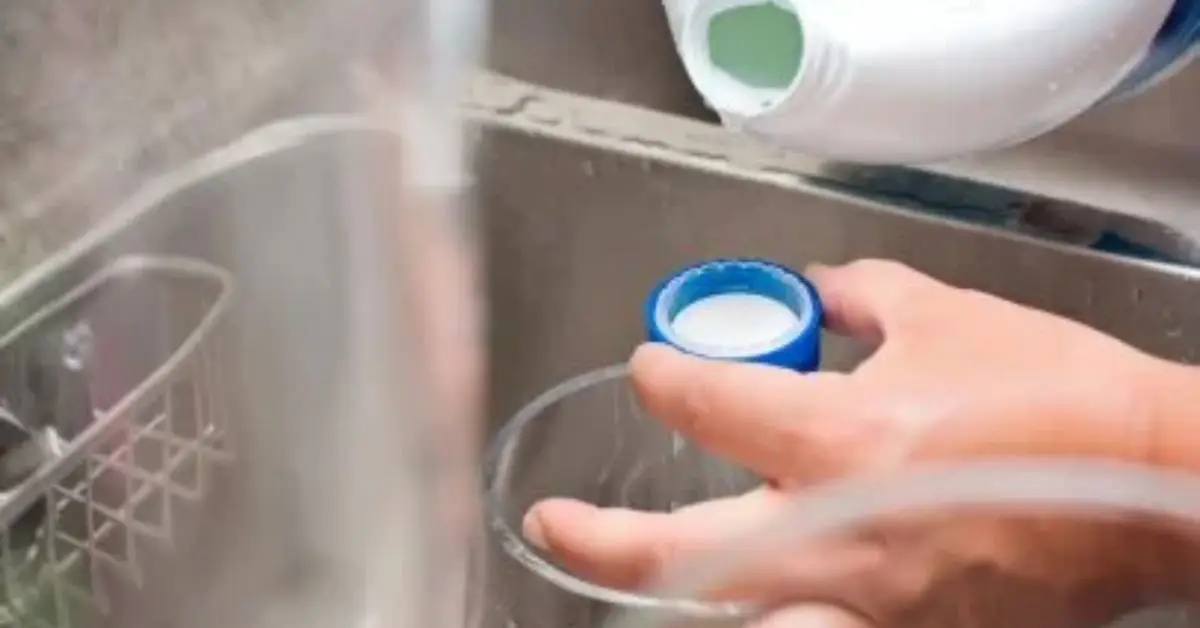
Cleaning and disinfecting are two very different things, yet most people use bleach as if it magically does both.
Cleaning removes visible dirt, grease, and grime. Disinfecting kills germs. Bleach’s job is the latter, not the former. If disinfecting is your real goal, bleach isn’t the only solution—I’ve shared simple home disinfection hacks that actually work, many of which are safer and easier for everyday use. If you pour bleach on a dirty surface, you’re often disinfecting dirt, not the actual material underneath. That’s why bleach works only after basic cleaning is done — something most bleach guides ignore.
The Clorox official guide on how to use bleach safely clearly explains that basic cleaning must come first for bleach to be effective.
As you read through the examples below, ask yourself:
“Am I trying to remove dirt, or am I trying to kill germs?”
Understanding that changes everything.
1. Bathroom Tile and Grout — YES, But Only If Used Correctly
Bathroom tile and grout is one of the very few surfaces where bleach actually makes sense — when used right.
Grout traps moisture and mold, especially in showers. A diluted bleach solution can disinfect these areas effectively. But:
- Pouring full-strength bleach directly onto grout can weaken it
- Letting bleach sit too long can discolor tiles
- Using it every time you clean wears grout out faster
Here’s a simple rule I follow:
- Clean first with soap and water
- Then apply diluted bleach (about 1 part bleach to 10 parts water)
- Rinse thoroughly and ventilate the room
Think of bleach here as a spot disinfectant, not your everyday cleaner.
2. White Cotton Laundry — YES, But Not for Routine Washing
Bleach can brighten white cotton, especially when stains are stubborn. But most people treat bleach like detergent — and that’s a mistake.
Using bleach too often:
- Weakens fabric fibers
- Causes yellowing over time
- Shortens the life of your clothes
Here’s when bleach actually makes sense:
- When the fabric label clearly allows it
- When whites look dingy or stained
- When other stain removal methods haven’t worked
Here’s a quick tip: Always check the laundry care symbols on your clothes before using bleach so you don’t unintentionally ruin them.
3. Plastic Cutting Boards — YES, With Proper Dilution and Rinsing
This one surprises a lot of people.
Many assume bleach is unsafe anywhere near food — but that’s not true. A properly diluted bleach solution is approved for disinfecting food-contact surfaces like plastic cutting boards, as long as you rinse them thoroughly afterward.
This makes sense especially when you’ve been cutting:
- Raw meat
- Poultry
- Strong odor-producing foods
My own rule is simple:
- Dilute bleach properly
- Never soak boards for long periods
- Rinse and air-dry completely
Used occasionally this way, bleach is a safe and effective tool. Used carelessly, it’s trouble.
4. Outdoor Concrete and Patios — YES, and Often Overlooked
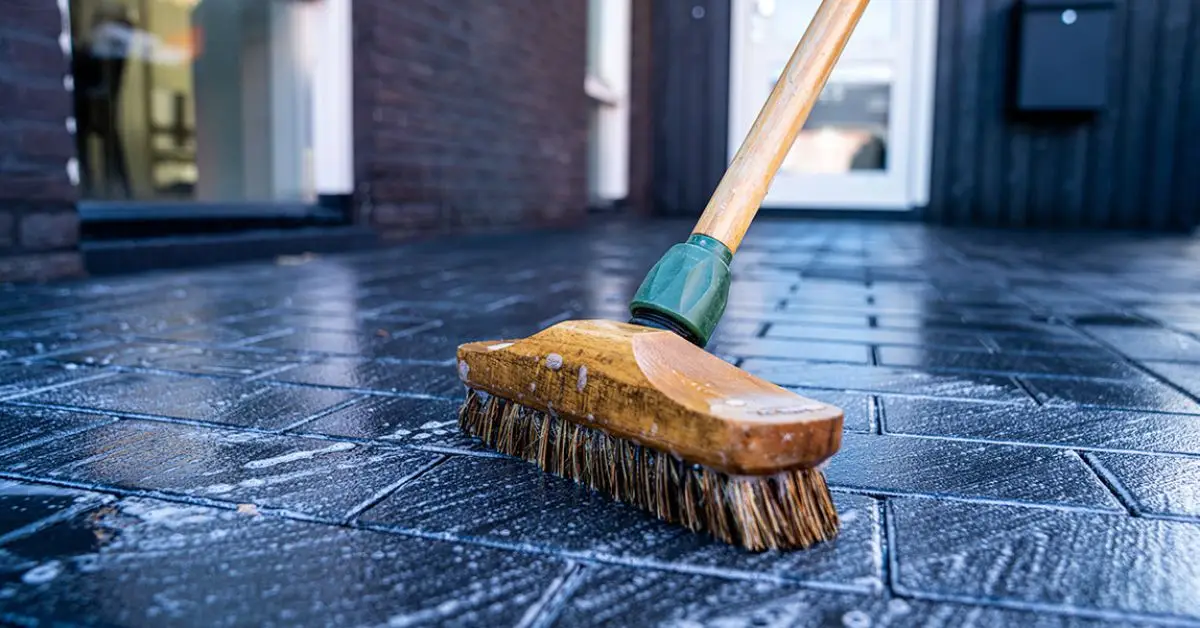
This is one place where bleach actually earns its reputation—and yet most people don’t think of it.
Outdoor concrete collects mold, algae, and deep-set stains that regular soap won’t touch. When I’m dealing with a patio or walkway that’s gone dark and slippery, diluted bleach can help reset things.
Here’s where it works well:
- Mold or mildew stains on concrete
- Algae buildup in shady areas
- Driveways and patio slabs (not sealed stone)
What you should not do:
- Use full-strength bleach
- Let it dry on the surface
- Skip rinsing with water
Bleach is useful here because concrete is non-porous and tough. Just remember—this is about occasional treatment, not routine cleaning.
5. Stainless Steel and Other Metals — NO, Bleach Causes Corrosion
This is one of the most expensive mistakes I see.
Bleach and metal do not get along. Even stainless steel—which sounds like it should resist everything—can pit, dull, and rust when exposed to bleach.
According to cleaning experts at The Spruce, bleach strips protective layers from metals and speeds up corrosion, especially when residue is left behind.
Never use bleach on:
- Stainless steel sinks or appliances
- Aluminum cookware
- Copper, brass, or silver
- Cast iron
If you’ve ever wondered why a “clean” metal surface suddenly looks worse, bleach is often the reason.
6. Wood Furniture and Floors — NO, Even Diluted Bleach Is Risky
I know the logic people use here. “If I dilute it enough, it should be safe.”
Unfortunately, that’s not how wood works.
Wood absorbs liquid. Bleach penetrates past the surface, breaking down finishes, drying out fibers, and causing warping or blotchy discoloration that you can’t undo.
Bleach can:
- Strip protective coatings
- Raise the grain
- Leave pale, uneven patches
If it’s real wood—or even engineered wood—bleach is a gamble that usually doesn’t pay off.
7. Natural Stone (Marble, Granite, Limestone) — ABSOLUTELY NOT
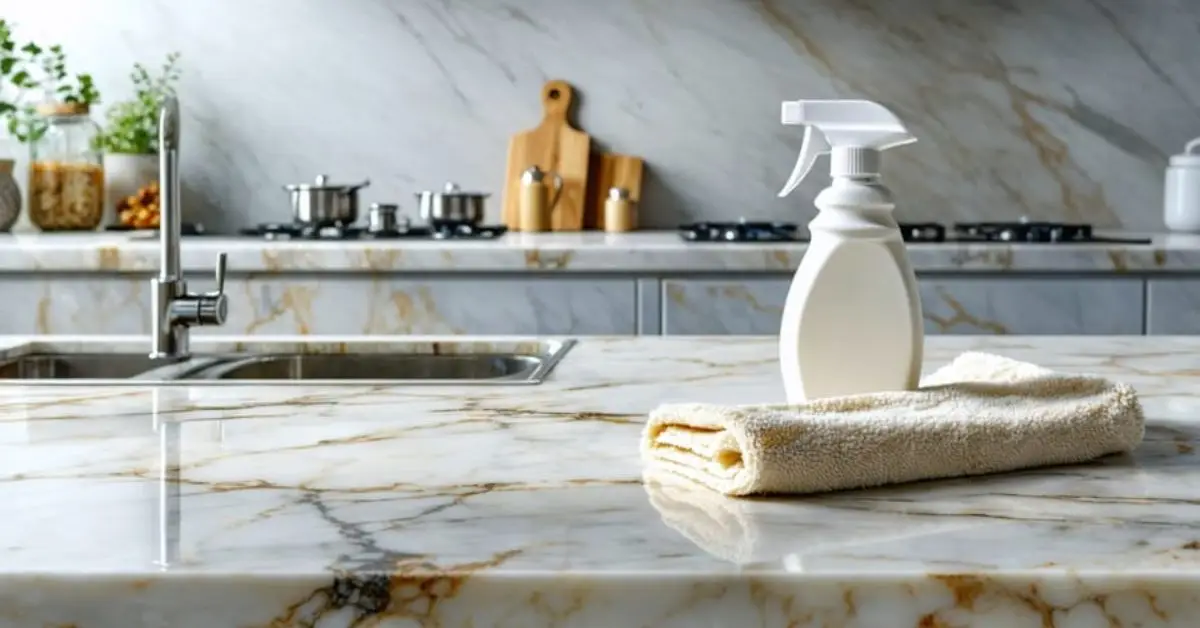
This one deserves a hard stop.
Natural stone looks solid, but chemically, it’s sensitive. Bleach reacts with stone surfaces and slowly eats away at sealants and polish.
What happens over time:
- Etching and dull spots
- Weakened sealant protection
- Increased staining later on
Because the damage builds gradually, many people don’t realize bleach is the cause until it’s too late. If it’s marble, granite, or limestone, bleach should never touch it.
8. Electronics and Screens — NEVER USE BLEACH
I get why people try this—especially after illness or when wiping down phones and laptops.
But bleach is one of the worst things you can use on electronics.
It damages:
- Screen coatings
- Plastic housings
- Internal components through moisture
I’ve seen countless real-world examples on Reddit where people permanently ruined screens using bleach wipes “just once.” For electronics, less aggressive cleaners are not just safer—they’re smarter.
9. Colored and Delicate Fabrics — NO, “Color-Safe” Is Often Misunderstood
This mistake usually comes down to one word: bleach.
Many people don’t realize there are two different types:
- Chlorine bleach (the harsh one)
- Oxygen bleach (the gentler one)
When guides say “color-safe bleach,” they’re not talking about regular chlorine bleach. Using the wrong one leads to:
- Color fading
- Yellowing
- Fabric breakdown
If the label doesn’t clearly allow bleach, it’s not worth the risk.
10. Mixing Bleach With Other Cleaners — THE MOST DANGEROUS MISTAKE
This is the one mistake I never take lightly.
Mixing bleach with common household cleaners—especially ammonia, vinegar, or acidic products—creates toxic gases that can harm your lungs, eyes, and skin within minutes.
This isn’t rare. It happens because people think:
- “Mixing means stronger”
- “I’m just experimenting”
- “It’s a small amount”
There is no safe amount when it comes to mixing bleach. If you remember only one rule from this article, let it be this: Bleach is never meant to be combined with anything else.
What to Use Instead of Bleach (Surface-Specific Alternatives)
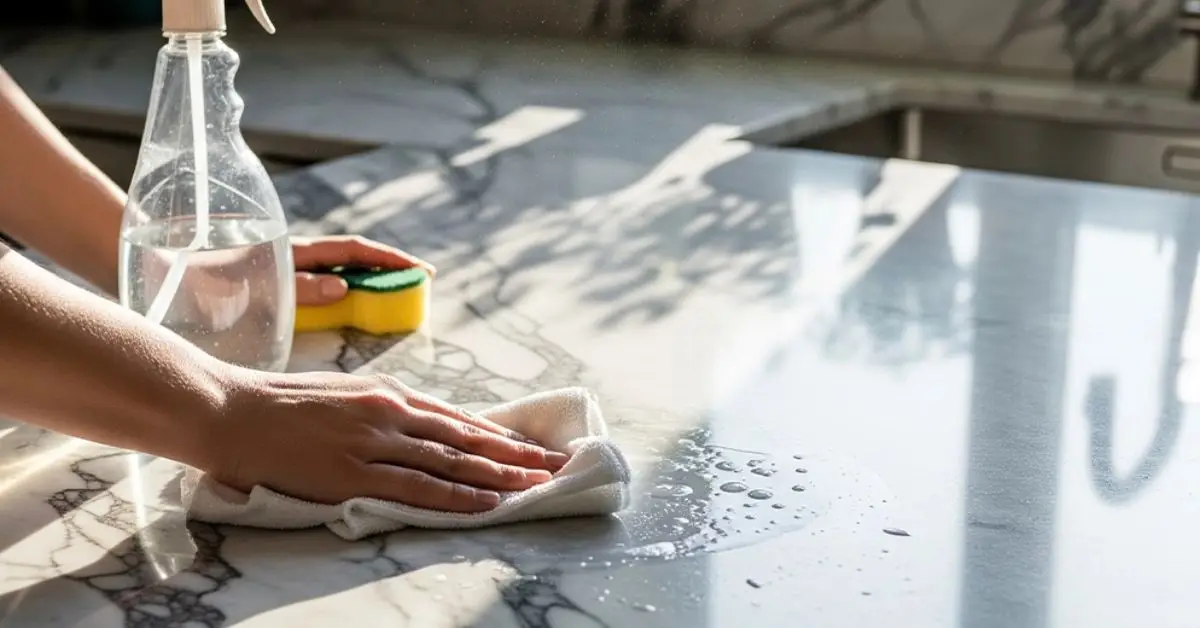
This is where most articles drop the ball. They tell you what not to do and leave you stuck thinking, “Okay… so what should I use instead?”
I don’t want that for you.
Bleach is strong, but strength isn’t always the goal. If you’re actively trying to reduce harsh chemicals, I’ve shared genius ways to clean your entire home using citric acid, which works especially well for mineral buildup, soap scum, and hard water stains—without surface damage. The right cleaner depends on the surface and the problem you’re trying to solve.
Here’s what I personally recommend when bleach is the wrong choice:
- Natural stone (marble, granite, limestone): Use mild dish soap and warm water. It cleans without damaging sealants or dulling the surface.
- Organic stains (food, sweat, pet messes): Enzyme cleaners work with the stain instead of burning it away. They’re slower, but far safer and more effective long-term.
- Electronics and screens: Isopropyl alcohol (70% or lower) on a microfiber cloth. No soaking, no dripping—just light wiping.
- Wood furniture and floors: Wood-safe cleaners or a damp cloth with a drop of gentle soap. Keep moisture minimal.
- Colored or delicate fabrics: Oxygen-based cleaners instead of chlorine bleach. They lift stains without stripping color.
The goal isn’t to avoid cleaning—it’s to clean without causing damage you can’t undo.
A 5-Point Safety Checklist Before Using Bleach Anywhere
Before you open that bottle, I want you to run through this quick checklist. It takes less than a minute, and it can save you a lot of regret.
1. Correct dilution: Never use bleach straight from the bottle. Stronger does not mean better.
2. Proper ventilation: Open windows or turn on exhaust fans. Bleach fumes build up faster than most people realize.
3. Protective gloves: Bleach dries and irritates skin, even during short exposure.
4. Spot testing: Always test on a hidden area first. If damage happens, you want it somewhere you won’t see.
5. Safe storage: Keep bleach tightly sealed and away from heat, sunlight, and other cleaners.
If one of these feels inconvenient, that’s usually a sign bleach isn’t the right tool for the job.
Smarter Cleaning Starts with Knowing When Not to Use Bleach
I don’t think bleach is bad. I think blind bleach use is.
When you know where bleach works—and where it doesn’t—you stop overcleaning, stop damaging your home, and start getting better results with less effort. That’s the difference between harsh cleaning and smart cleaning. If you want to take that approach further, I’ve also shared cleaning tips every homeowner should follow for better health, especially if your goal is a cleaner home with fewer chemicals overall.
If you’re trying to keep your home looking fresh without slowly ruining surfaces, that’s exactly what we focus on at Build Like New—practical, real-world advice that actually works.
Now I want to hear from you: Have you ever ruined something with bleach—or avoided a mistake just in time? Drop your experience in the comments. It helps others more than you think.
Disclaimer: This article is for general information only. Cleaning products, including bleach, can react differently depending on surface type, condition, and usage. Always read product labels, follow manufacturer instructions, and test on a small, hidden area before use. If in doubt, consult a professional.