Fireplace Safety: 10 Things You Should Never Put Near It
If you have a fireplace, I want you to pause for a second before you decorate around it or move furniture closer. I’ve seen too many homes where people did everything right inside the fireplace—but completely ignored what was happening around it. That’s where most real problems start.
When people search for things not to put around a fireplace, they’re not just being curious. They’re worried about safety, damage, kids, pets, or even insurance issues. And honestly, that concern is valid. Fireplaces don’t just burn forward. Heat radiates outward, materials dry out faster than you think, and one small spark can turn a cozy night into a serious mess.
What I’ve noticed after reviewing fire safety advice, insurance guidelines, and homeowner mistakes is this: most articles talk about what you shouldn’t burn, but they skip the everyday stuff sitting inches from the flames. Curtains. Décor. Furniture. Cords. Things you don’t even notice anymore.
I wrote this to fix that gap.
I’ll walk you through the exact items you should never place around a fireplace, explain why they’re risky in real life, and help you spot dangers before they turn into expensive or dangerous problems. No scare tactics. No fluff. Just clear, practical guidance you can actually use.
Before we dive in, take a quick look around your fireplace right now. Do you already see something that feels a little too close for comfort?
How Fireplaces Work — Heat Zones & Risk Areas
Most people think a fireplace is dangerous only where the fire is visible. That’s not true—and this misunderstanding is exactly why items around the fireplace become a problem.
I want you to think of your fireplace less like a box with flames and more like a heat source that spreads energy in multiple directions. Even when the fire looks calm, heat is constantly moving outward and upward. That heat doesn’t care whether something is décor, furniture, or “just for a minute.”
Understanding the Fireplace Heat Zone
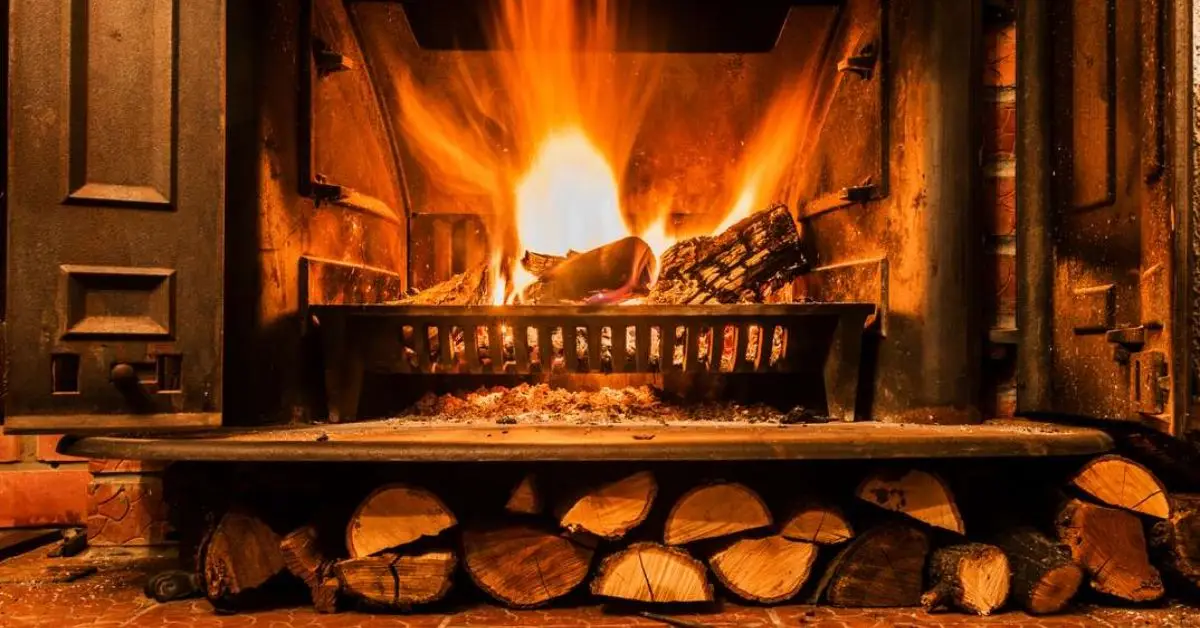
There are two main ways heat affects the area around your fireplace, and both matter.
1) Radiant Heat: This is heat you can feel on your skin when you stand nearby. It travels straight out from the fire and slowly heats up objects in its path.
If something is close enough, it can:
- Dry out over time (wood, fabric, paper)
- Become brittle or damaged
- Eventually ignite without ever touching a flame
2) Convective Heat: This is hot air rising upward. It’s why mantels and items above the fireplace get hotter than people expect.
This heat:
- Collects near the mantel
- Gets trapped behind décor or shelves
- Builds up slowly, which makes the risk easy to ignore
Now look at the physical parts around your fireplace:
- Hearth: The floor area in front of the fireplace where sparks can land
- Mantel: The shelf above the opening that absorbs rising heat
- Surround / Clearance Area: The space on all sides where heat spreads outward
Fire screens and glass doors help, but they don’t stop heat from radiating. They reduce sparks—not temperature exposure.
This matters because many items don’t burn right away. They weaken first. And that’s when accidents happen.
Clearance Rule — The Basic Safety Principle
Before I tell you what not to put around your fireplace, you need one simple rule that guides everything else.
Follow The 3-Feet Rule
As a general safety standard, anything combustible should be kept at least three feet away from an active fireplace. This guideline comes from U.S. fire safety authorities and is used by inspectors, insurers, and fire departments.
When I say “combustible,” I mean:
- Fabric
- Paper
- Wood
- Plastic
- Upholstered furniture
- Electrical cords
Even if something feels “warm but not hot,” that doesn’t mean it’s safe.
Important Exception: Some modern gas fireplaces with sealed glass fronts allow closer placement. But that depends on the manufacturer’s clearance specs—not guesswork.
If you’re unsure, assume three feet. It’s the safest call.
Easy Way To Judge Distance (No Tools Needed)
If you want a quick mental check:
- One adult step ≈ 2.5 to 3 feet
- If you can touch the fireplace and the object without moving your feet, it’s too close
Use This Spacing As A Baseline:
- Furniture: 3 feet or more
- Curtains: well outside the heat zone
- Décor on the hearth: non-flammable only
- Mantel items: heat-resistant and minimal
Once you understand how heat actually behaves, saying no to risky items becomes obvious—not restrictive.
10 Things You Should Never Put Around Your Fireplace
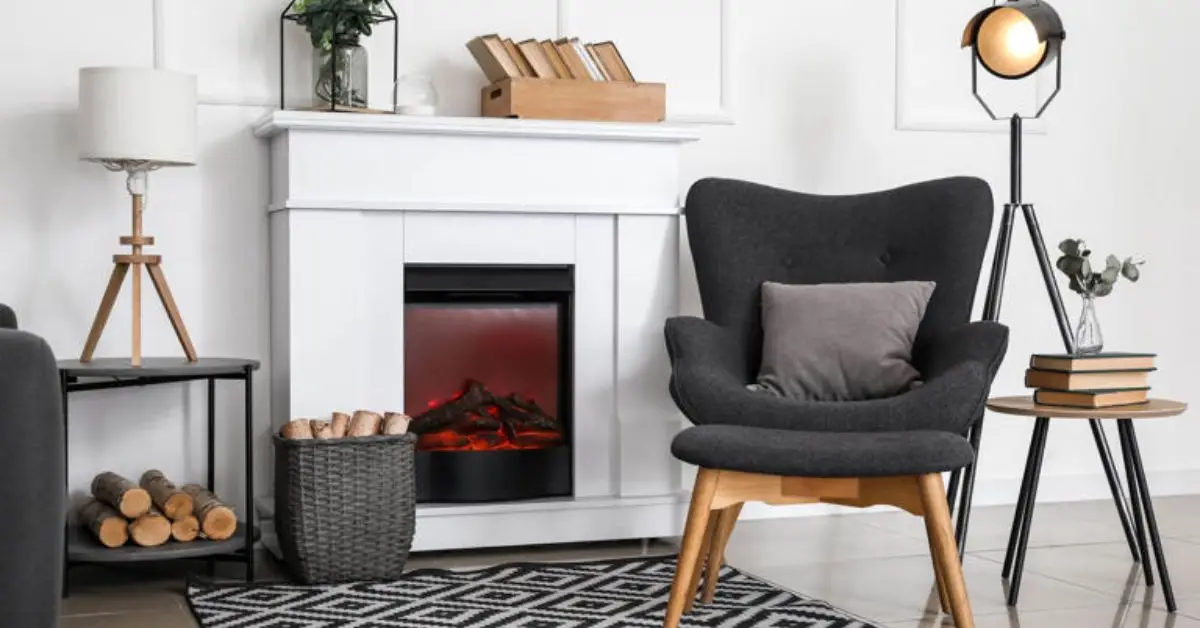
This is the section most people jump to—and I get why. You want clear answers, not theory. And if you’re also unsure about what materials are unsafe to burn inside the fireplace itself, I’ve broken that down separately in this guide on things you should never burn in your fireplace—because inside and outside mistakes often go hand in hand. I’m going to walk you through the most common items I see placed around fireplaces and explain why they’re risky in real life, not just “technically unsafe.”
As you read, I want you to picture your own fireplace area. If even one of these items is sitting close right now, that’s your cue to move it.
1. Flammable Fabrics (Curtains, Cushions, Rugs)
Fabric is one of the most underestimated fire risks around a fireplace.
Curtains, throw pillows, and area rugs don’t need direct flames to catch fire. Radiant heat slowly dries them out, weakens the fibers, and makes them easier to ignite from a small spark or heat surge.
Why this is dangerous:
- Fabric absorbs heat quietly
- Sparks can travel farther than you expect
- Fire spreads fast once fabric ignites
If it can sway, drape, or fold, it doesn’t belong near the fire.
2. Paper Products (Books, Newspapers, Cards)
I’ve seen people stack books near the hearth or decorate with old magazines for a “cozy” look. It feels harmless—until it isn’t.
Paper burns fast and doesn’t give you much warning. A single ember can land, smolder, and turn into open flame before you notice.
Child safety experts consistently warn that paper products should never be near active fireplaces because fires can start without direct contact with flames.
3. Décor With Plastic Or Synthetic Materials
A lot of modern décor looks solid but contains plastic or synthetic coatings.
These items don’t just melt—they release toxic fumes when heated. Even without catching fire, they can:
- Warp and drip
- Damage surrounding surfaces
- Release unhealthy smoke into your home
If you don’t know what it’s made of, assume it’s not heat-safe.
4. Holiday Trees And Evergreen Decorations
Seasonal décor is one of the biggest spike risks during winter. This risk increases even more when real Christmas trees come indoors, and if you’re decorating this season, these genius ways to keep your home needle-free with a real Christmas tree can also help reduce hidden fire hazards around the fireplace.
Evergreen branches dry out fast indoors. Once dry, needles can spark, pop, and ignite almost instantly. This is especially risky when decorations sit on the hearth or near the mantel.
If it’s natural, dry, or decorative-only, keep it well outside the heat zone.
5. Treated Or Painted Wood
This is a common mistake, especially in homes that store extra wood near the fireplace.
Painted or treated wood gives off chemical fumes when heated. It’s unsafe to burn and just as unsafe to store close to active heat.
Hidden risks include:
- Toxic smoke
- Chemical residue buildup
- Increased flare-up potential
Only untreated, approved firewood belongs anywhere near your fireplace—and even that should be stored at a distance.
6. Heavily Upholstered Furniture

Couches and chairs feel safe because they’re “solid,” but upholstery hides padding and foam that burns aggressively once ignited.
When furniture is too close:
- Radiant heat dries the fabric
- Internal foam becomes fuel
- Escape paths can get blocked fast
If you couldn’t pull it away quickly in an emergency, it’s too close.
7. Lint Or Small Combustibles (Dryer Lint)
Dryer lint is basically fire starter material.
Some people mistakenly use it for kindling or leave it nearby. Lint ignites instantly and causes sudden flare-ups that are hard to control.
This is one of those items that should never be near a fireplace—at all.
8. Flammable Liquids And Fire Accelerants
This one should be obvious, but it still happens.
Gasoline, lighter fluid, or fire starters can explode or flash back unexpectedly. Even sealed containers can rupture when exposed to heat.
If it’s meant to start fires, it shouldn’t be anywhere near one.
9. Decorative Items That Trap Heat (Glass Or Plastic Lanterns)
Glass and enclosed décor can look safe but act like heat traps.
Heat builds up inside, pressure increases, and items can crack, shatter, or ignite nearby materials. Plastic versions are even worse because they melt and drip.
If air can’t move through it, heat will build inside it.
10. Electronics And Cords
Electronics and fireplaces should never share the same space, even if they seem far enough at first.
Heat slowly breaks down wire insulation and weakens internal components. You won’t see the damage happening, but over time it increases the risk of short circuits, melted cords, and electrical fires.
This is especially risky with:
- Extension cords
- Phone chargers
- Power strips
- Lamps and floor lighting
- TVs or sound systems mounted too close
Another problem is false safety. Electronics don’t react right away. They fail later—sometimes hours after the fireplace has been turned off.
If a cord feels warm to the touch, it’s already too close. I always tell people this: if something needs electricity to work, it doesn’t belong near a heat source.
What Happens If You Get It Wrong — Real Safety Consequences
I’ve noticed that most people don’t think about consequences until something actually goes wrong. And by then, it’s usually expensive, stressful, or dangerous. Fireplace mistakes rarely cause small problems—they escalate fast.
This isn’t about fear. It’s about understanding what’s realistically at stake when unsafe items sit around an active fireplace.
Safety Outcomes And Hazards
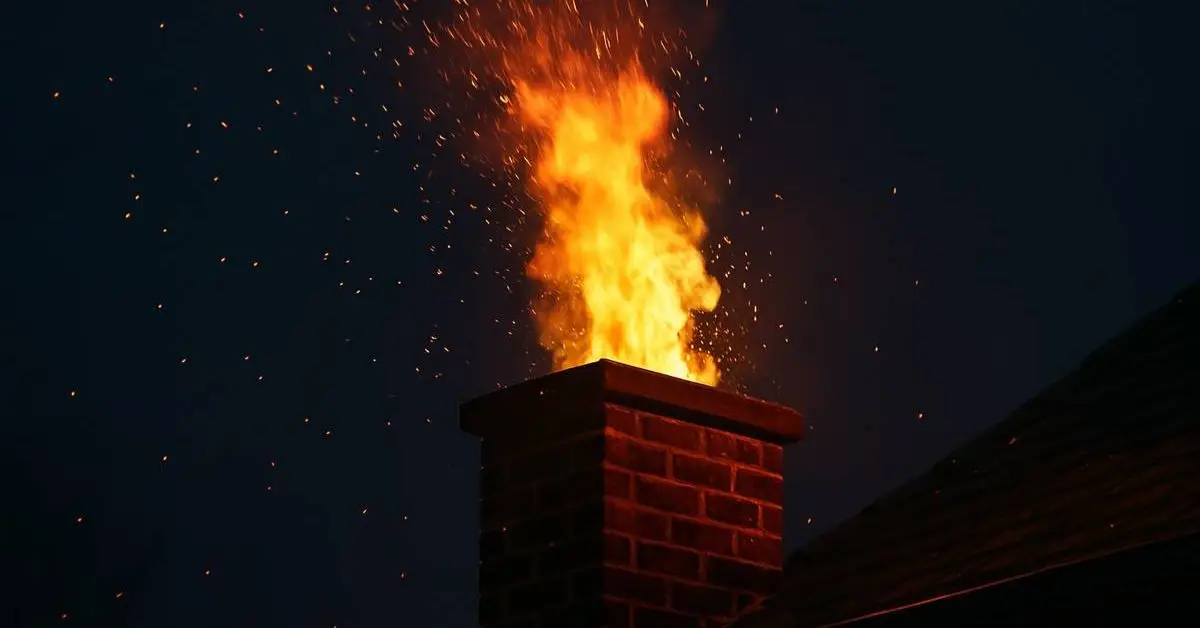
One of the most common outcomes is a chimney fire. Small embers or sparks rise, stick to buildup inside the chimney, and ignite without warning. Many homeowners don’t even realize it’s happening until they smell smoke or hear cracking sounds.
But chimney fires are just one part of the risk.
Here’s what can also happen:
- Structural damage: Heat can weaken nearby walls, floors, and framing over time
- Smoke inhalation: Even minor fires release toxic gases that spread quickly through the home
- Hidden fire spread: Fires often start behind walls or under flooring, not in plain sight
Then there’s the insurance side—something people rarely think about until it’s too late. If an investigator determines that unsafe placement or negligence caused the fire, claims can be reduced or denied entirely. I’ve seen cases where a simple décor choice turned into a major financial loss.
That’s why prevention matters more than reaction here.
Smart Alternatives — Safe Decorations And Placement
Here’s the good news: staying safe doesn’t mean your fireplace area has to look empty or boring. You just need to be intentional about what you use and where you place it.
Safe Decoration Ideas Around Your Fireplace
If you want style without risk, focus on materials that don’t react to heat.
Safer choices include:
- Fire-resistant hearth mats designed for high temperatures
- Stone, brick, or ceramic décor that doesn’t trap heat
- Minimal, spaced-out items rather than clusters
For mantels, less is more. Keep items small, lightweight, and heat-resistant. Avoid stacking or layering objects, because trapped heat is often the real problem—not flames.
If you’re ever unsure, ask yourself one question: Would this item still be safe if it sat in direct sunlight all day? If the answer is no, it doesn’t belong near a fireplace.
Seasonal Safety Checklist — Winter And Holidays
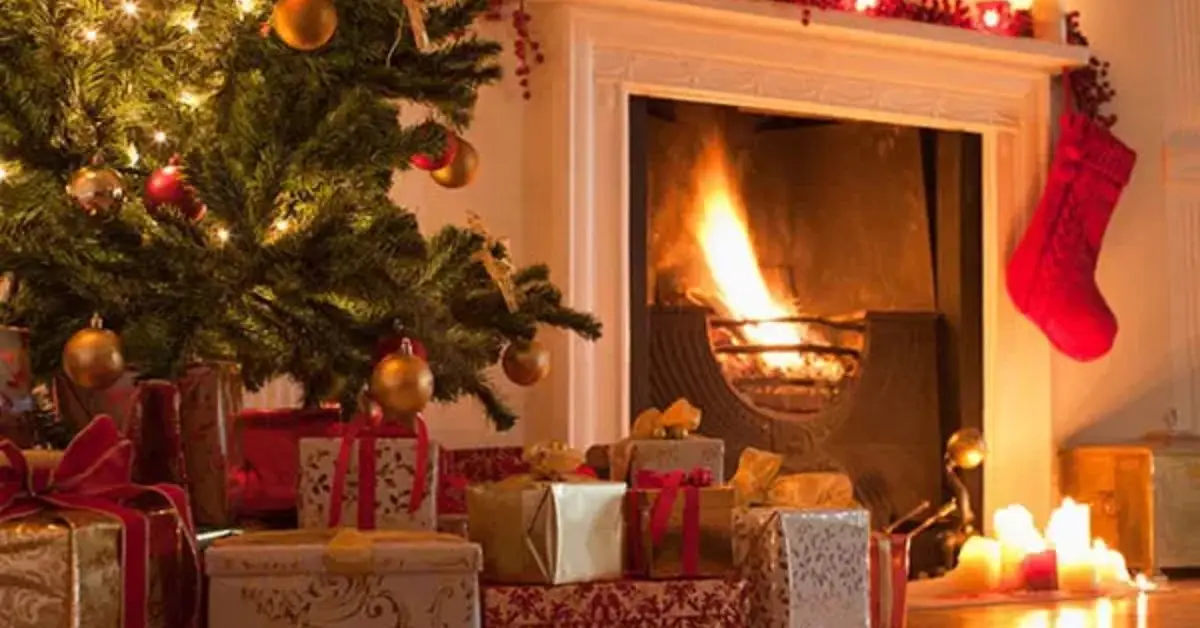
Most fireplace accidents happen when homes are busiest—cold nights, holidays, guests, decorations everywhere. This is when small oversights add up.
Before lighting your fireplace during winter or holidays, run through this quick checklist:
- Clear all combustible items at least three feet away
- Remove seasonal décor from the hearth and mantel
- Check cords, chargers, and electronics for heat exposure
- Use a proper fire screen every time
- Never leave the fire unattended, even for a short break
I always recommend doing this check once at the start of the season and again when you add holiday decorations. Fireplace safety is just one part of winter preparation, and if you’re already thinking ahead, these crucial steps to make your home storm-ready before winter hits fit perfectly alongside this checklist.
Now I want to hear from you. When was the last time you really looked at what’s sitting around your fireplace—and is there anything there that shouldn’t be?
A Final Word Before You Light The Fire Again
If there’s one thing I want you to take away from this, it’s this: most fireplace accidents don’t start with flames—they start with placement.
Keeping things not to put around a fireplace out of the heat zone protects more than your décor. It protects your home, your health, and the people inside it. Fabrics burn quietly, electronics fail slowly, and décor traps heat long before you see smoke. The risk builds over time, not in one dramatic moment.
The good news is that safety here is simple. Clear space, heat-safe materials, and a quick seasonal check do more than any fancy accessory ever could. When you understand how heat moves, the right choices become obvious.
If this helped you spot something risky around your own fireplace, drop a comment and tell me what you moved first. Your experience might help someone else avoid a mistake.
And if you want more practical, no-nonsense home safety and improvement guidance, visit Build Like New. That’s where I share real advice that helps you protect what you’re building—without the fluff.
Disclaimer: This content is for general informational purposes only. Fireplace designs, materials, and safety requirements can vary by home and manufacturer. Always follow your fireplace manual and consult a licensed professional or local fire authority for advice specific to your setup.