11 Everyday Items That Should Always Be Stored in Clear Bins
I’ve organized hundreds of homes over the years, and there’s one small change that almost always makes people say, “Why didn’t I do this earlier?” Switching the right items into clear bins.
Most homes aren’t messy because people have too much stuff. They’re messy because people can’t see what they already own. When things are hidden in dark boxes, bags, or random drawers, they get forgotten. Forgotten items turn into duplicate purchases, clutter, and frustration. I see this pattern again and again.
Clear bins solve a very human problem: out of sight usually means out of mind. When you can see what’s inside a bin without opening it, your brain relaxes. You make faster decisions. You waste less time searching. You stop buying things you already have.
But here’s where most articles get it wrong. They throw together a generic list without explaining why certain items belong in clear bins and others don’t. Not everything should be visible. And not every clear bin setup actually makes life easier.
In this guide, I’m walking you through the smartest, most practical things to store in clear bins—based on how real people live, not Pinterest-perfect homes. These are choices that save time, reduce daily stress, and help your home stay organized without constant effort.
Before we get into the list, let me ask you this: which area of your home do you avoid organizing because it always turns messy again?
Why Clear Bins Work Better Than Other Storage Solutions
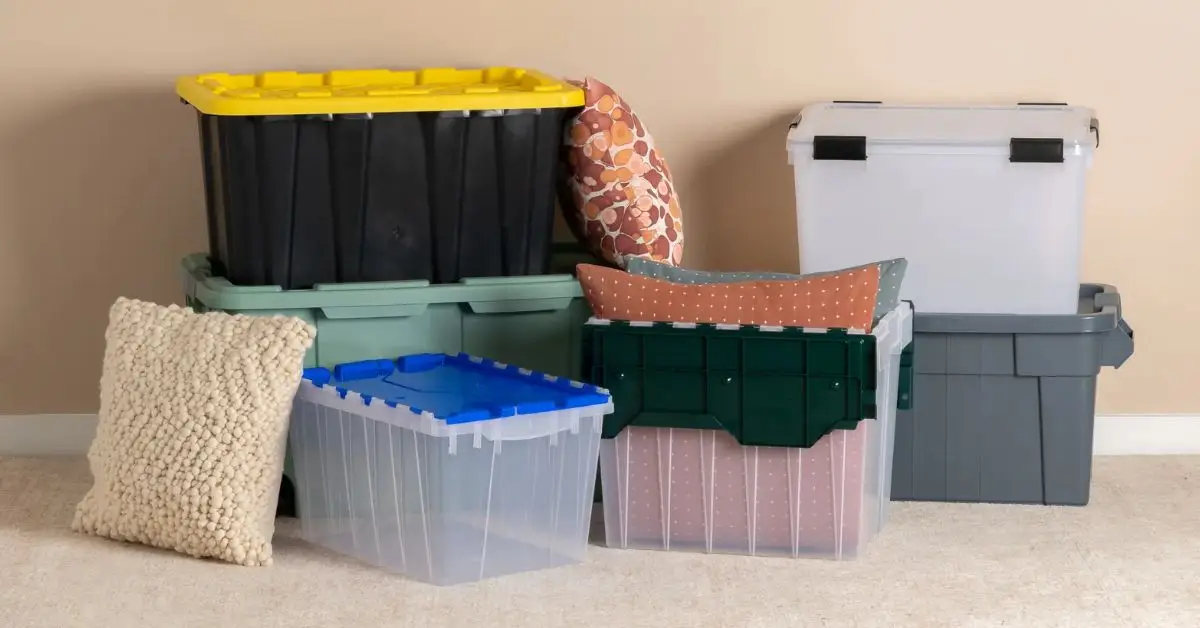
I’ve worked with every kind of storage you can imagine, and most of them fail for one simple reason: they hide things instead of helping you manage them. Cardboard boxes, fabric bins, and opaque containers all depend on memory—and memory is unreliable.
Clear bins work because they remove guessing from the equation. You don’t need to remember what’s inside. You don’t need to open anything. You see it, and you move on.
Transparency = Time Saved
The biggest advantage of clear bins is how much time and mental effort they save in daily life. When storage is visible, decisions become quicker and easier.
Instant Identification Without Opening: When I use clear bins, I don’t rely on labels or mental notes. I take one look and know exactly what’s there.
This helps you because:
- You stop opening multiple boxes to find one item
- You grab what you need without disrupting the rest
- You avoid turning a quick task into a long cleanup
That reduction in friction adds up fast.
Encourages Minimalism & Clutter Control: One pattern I see in almost every home: people keep too much because they forget what they already own.
When everything is visible:
- Duplicate items stand out immediately
- You think twice before buying more
- Decluttering feels logical, not emotional
As explained by Home Storage Solution 101 clear storage helps people stay aware of their belongings, which naturally reduces overbuying and clutter buildup.
Protection vs. Cardboard Boxes: Cardboard works only until it doesn’t.
Clear plastic bins give you:
- Better protection from moisture and humidity
- A solid barrier against pests and dust
- Long-term durability that doesn’t collapse or tear
That’s why I never recommend cardboard for basements, garages, or seasonal storage. One thing people don’t think about until it’s too late is odor buildup—especially in seasonal or long-term storage, which is why these simple bin freshening tricks can make a huge difference in keeping stored items usable and pleasant.
Stackability & Space Optimization: Clear bins are designed for real storage, not temporary fixes.
Most come with:
- Flat lids that stack securely
- Uniform shapes that maximize vertical space
- Easy access even when bins are stacked
You end up using less space while storing more—without adding shelves or complicated systems.
At the end of the day, clear bins don’t just organize your stuff. They simplify how you interact with your home.
So tell me—where do you lose the most time searching for things right now?
How to Choose the Right Clear Bin (Quick Buying Guide)
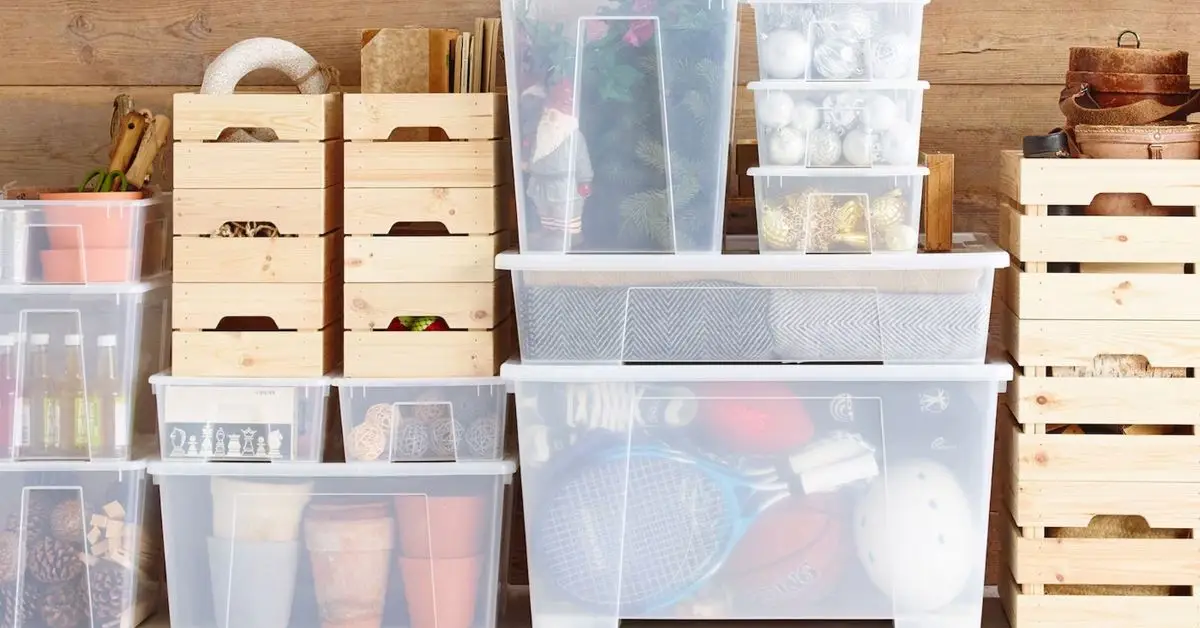
Most people buy clear bins the way they buy storage boxes—whatever’s cheap or looks okay in the moment. I’ve seen that backfire more times than I can count.
If you want clear bins to actually make life easier, a few buying decisions matter more than brand names.
Size and Shape Matter More Than You Think
Before buying anything, I always ask one question: what exactly are you storing?
Shallow bins work best when:
- You store small items you reach for often
- You want everything visible at once
- You’re organizing shelves, drawers, or cabinets
Deep bins make sense when:
- Items are bulky or seasonal
- You don’t need daily access
- You’re stacking vertically in closets or garages
Wrong size = wasted space or lost items. There’s no shortcut here.
Lid Type: Snap-Tight vs Easy-Access
Not all lids serve the same purpose, and choosing the wrong one creates daily friction.
Snap-tight lids are better when:
- Storage is long term
- Bins go in basements, garages, or attics
- Protection matters more than convenience
Easy-access lids work better when:
- You open the bin frequently
- Storage is indoors
- Speed matters more than sealing
In most homes, I use both—one size never fits all.
Labels & Labeling System Ideas
Clear bins help you see, but labels help you move faster.
What works in real homes:
- Short, category-based labels
- One label per bin
- Same label position every time
This keeps things obvious without making storage look busy.
Durability and Safety (BPA-Free, Non-Toxic)
If you’re storing food, kids’ items, or everyday household supplies, material safety isn’t optional.
The U.S. Food & Drug Administration explains that some plastics can contain BPA, which is why BPA-free containers are recommended for regular household use.
When buying clear bins, I always check for:
- BPA-free labeling
- Thick, rigid plastic
- No strong chemical smell
A good bin should last years—not crack or warp after one season.
Choosing the right clear bin isn’t about being perfect. It’s about picking storage that matches how you actually live.
Which space are you planning to organize first—closet, pantry, or garage?
The 11 Best Things You Should Be Storing in Clear Bins at Home
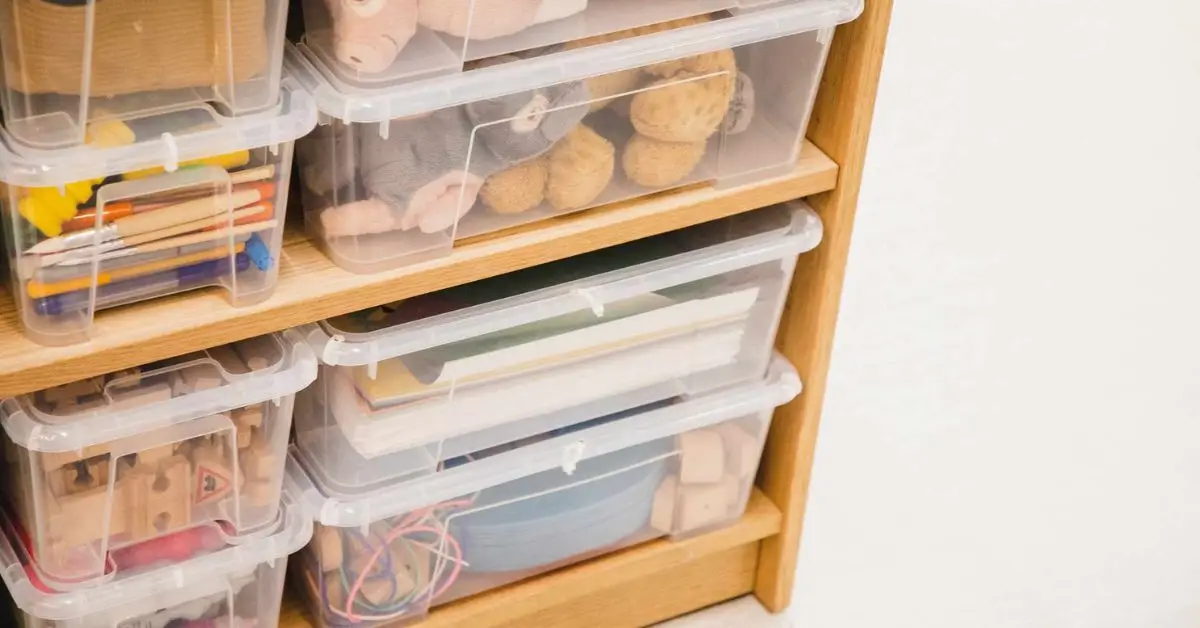
This is the part most people come for—and rightly so. When someone searches what to store in clear bins, they don’t want theory. They want real answers that actually work in day-to-day life.
I’m walking you through items that genuinely benefit from being visible, protected, and easy to grab. Not trends. Not Pinterest fluff. Just smart storage.
1) Seasonal Decor & Holiday Gear
Why this is useful: You use these items once or twice a year, then forget where they went.
Clear bins let you:
- Spot holiday decor instantly without opening boxes
- Avoid broken ornaments and crushed lights
- Stack decor safely without guessing what’s inside
I’ve seen people save hours every season just by switching from cardboard to clear bins here.
2) Off-Season Clothes & Shoes
Why this is useful: These items don’t need daily access—but they do need protection.
Clear bins help you:
- Free up prime closet space
- Rotate wardrobes without digging
- See exactly what you already own
You can even combine them with vacuum bags inside the bin for extra space savings.
3) Toys (Indoor & Outdoor)
Why this is useful: Kids clean up better when they can see what belongs where.
With clear bins:
- Toys are easier to put away
- Toy rotation becomes simple
- You reduce the “everything dumped on the floor” problem
This works especially well for blocks, action figures, and outdoor toys.
4) Craft & Hobby Supplies
Why this is useful: Small items disappear fast when they’re hidden.
Clear bins:
- Keep supplies sorted and visible
- Prevent buying duplicates you already own
- Make it easier to start projects instead of avoiding the mess
If you craft, visibility directly affects how often you actually use your supplies.
5) Pantry & Bulk Food Items
Why this is useful: Overbuying usually happens because people forget what they already have.
Clear bins:
- Show backstock at a glance
- Help track expiration dates
- Keep similar items grouped
I use them mostly for bulk snacks, paper goods, and backup groceries.
6) Cleaning Supplies
Why this is useful: Cleaning gets skipped when supplies are scattered or hard to find.
Clear bins:
- Show when you’re running low
- Contain spills and leaks
- Make grab-and-go cleaning easier
This works great under sinks or in laundry rooms. Once your cleaning supplies are organized and easy to grab, maintaining surfaces becomes much easier—especially in kitchens, where these no-scrub greasy counter cleaning tricks save serious time.
7) Medications & Toiletries
Why this is useful: This is where duplicates and expired products pile up fast.
Clear bins help you:
- See what’s expired
- Avoid buying what you already have
- Keep daily items separate from backups
Visibility here isn’t just convenient—it’s safer.
8) Linens, Bedding & Towels
Why this is useful: Digging through folded piles creates instant chaos.
With clear bins:
- You find full sheet sets quickly
- Guest linens stay neat
- Towels stay clean and dust-free
This is one of the fastest wins in closets.
9) Office & Utility Items (Batteries, Tools, Cables)
Why this is useful: This is where junk drawers are born.
Clear bins:
- Create simple categories
- Stop cords and tools from tangling
- Make replacements easy to find
Most competitor lists skip this, but it’s one of the most practical uses.
10) Electronics & Cords
Why this is useful: Tech clutter gets messy and dusty fast.
Clear bins:
- Protect electronics from dust
- Keep chargers and adapters visible
- Prevent cable confusion
I always suggest separating everyday tech from rarely used gear.
11) Pet Gear & Supplies
Why this is useful: Pet items are small, frequent, and easy to lose.
Clear bins work well for:
- Leashes and collars
- Grooming tools
- Backup food and treats
This category is often missed, but once you organize it, daily routines get smoother.
When you look at this list, one pattern stands out: clear bins work best for items you either forget about or reach for often.
Now I’m curious—out of these 11, which one feels like it would make the biggest difference in your home right now?
Pro Organizer Tips
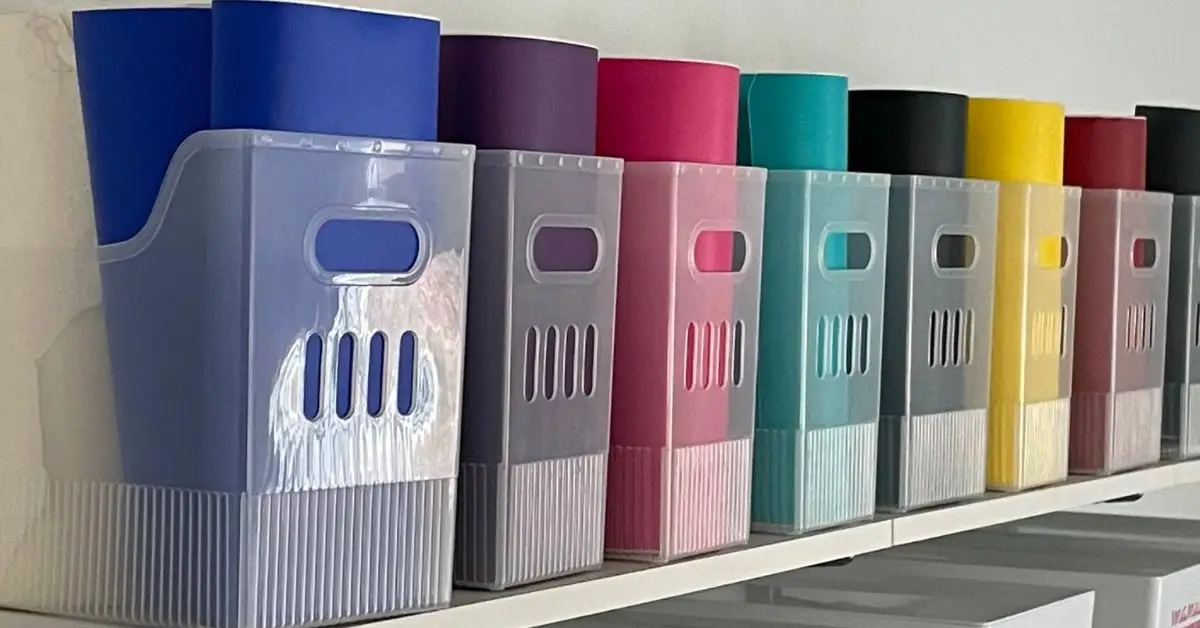
Clear bins work, but they work best when part of a system you actually use.
Zone Bins by Frequency of Use
One of the simplest habits I teach is this:
- Put daily-use bins where you access them easily (waist to eye level)
- Put weekly-use bins a bit higher
- Put seasonal or rare items up top or down low
When you match bin placement to how often you interact with the contents, you avoid clutter rebuilding itself.
Use Clear Bins to Build Systems, Not Just Storage
A bin isn’t useful unless it supports a routine.
Think about:
- A morning launch bin with keys, wallet, masks
- A cleanup bin with all your sprays and cloths in one place
- A homework-ready bin for kids
Bins become tools you use, not just boxes that sit.
Teach Kids to Use the Bins Themselves
Here’s where clear bins outperform nearly every other option: kids can participate.
When children can see what goes in a bin:
- Cleanup becomes faster
- They stop putting toys in the wrong place
- Independence grows without nagging
Clear bins work even better when paired with the right approach—these toy clutter strategies that don’t upset kids help turn cleanup into a habit instead of a daily battle.
Professional organizers quoted in Southern Living note that visibility makes cleanup intuitive, not a chore.
This is real value—not just “pretty” storage.
Aesthetic Tips: Keep Visual Clutter in Check
Clear bins help you see, but too much visible stuff can feel overwhelming.
Here’s how I balance function with calm:
- Group similar bins together
- Place them against neutral backgrounds
- Avoid overstuffing with unrelated items
The goal is clarity, not visual chaos.
Common Mistakes to Avoid With Clear Bins
Clear bins can fail for all the wrong reasons. These are the ones I see most often:
Overfilling Bins
A bin that’s packed to the brim:
- Becomes hard to open
- Loses visibility
- Defeats the purpose of clear storage
If you’re digging, it’s too full.
No Labeling System
Clear bins reduce guesswork—but they don’t remove the need for labels.
Without labels:
- Similar bins get confused
- Other people in the house guess wrong
- Systems break down over time
Short, consistent labels = faster finds.
Ignoring Climate & Material Safety
Not all plastics are created equal.
Garages, basements, and attics can be extreme environments. Choose:
- Durable plastic
- BPA-free or non-toxic materials
- Containers rated for heat/moisture
This protects your stuff, and your health.
Forgetting Accessibility
The biggest organizational mistake? Creating storage nobody uses because it’s frustrating.
If a bin is:
- Too heavy
- Hard to reach
- Buried under other stuff
It will get ignored. That’s not organization—that’s decoration.
Clear bins shouldn’t just store things—they should help you live better.
Tell me—what’s one storage mistake you’d love to fix in your home this weekend?
Quick Setup Workflow for Your First Clear Bin System
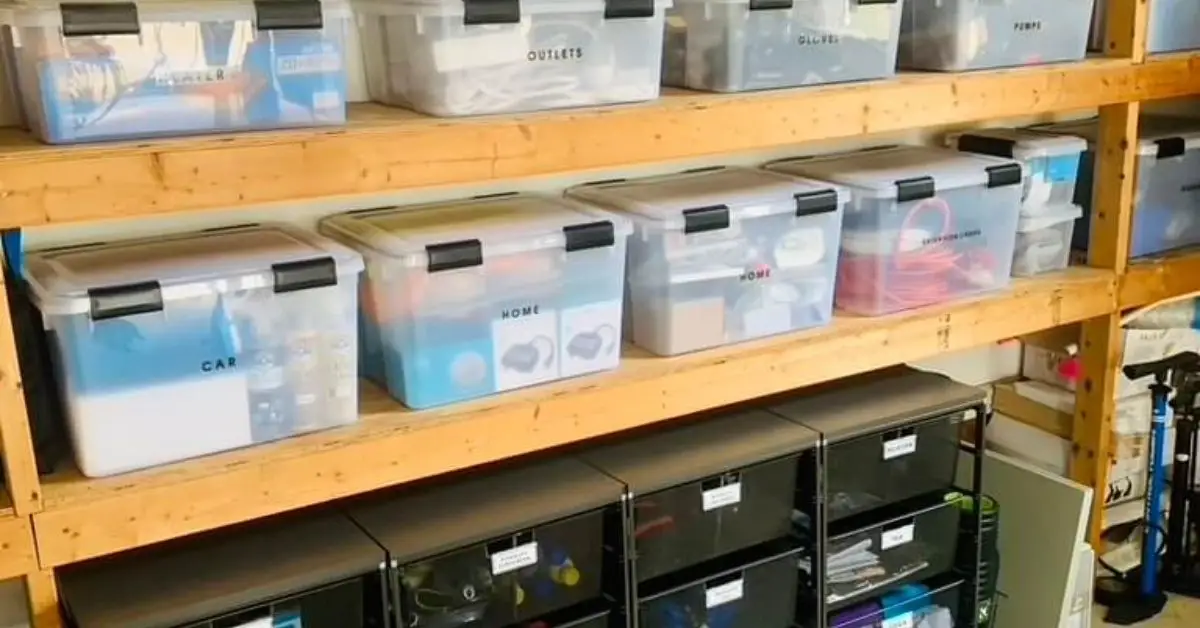
This is the exact process I use when helping someone set up clear bins for the first time. It’s simple, realistic, and designed to prevent the “looks good for a week, then falls apart” problem.
Decide Zones First
Before buying anything, I decide where bins will live.
Think in zones, not rooms:
- Cleaning zone
- Pantry backstock zone
- Kids’ activity zone
- Seasonal storage zone
When each bin has a home, clutter stops floating around.
Measure Spaces (Don’t Skip This)
This step saves money and frustration.
I always measure:
- Shelf height and depth
- Closet width
- Under-bed or cabinet clearance
Bins that almost fit never work long term.
Group Items by Category
Next, I pull everything out and group similar items together.
This helps you:
- See duplicates
- Decide what to keep
- Choose the right bin size
Don’t organize junk—edit it first.
Pick Bins & Add Simple Labels
Now you buy bins based on real needs, not guesses.
What works best:
- One category per bin
- Short, clear labels
- Same label placement every time
Labels make systems usable for everyone in the house—not just you.
Test the Layout Before Committing
Here’s the part most people skip.
I always test:
- Can I reach this easily?
- Do I actually open this bin often?
- Does anything feel annoying to use?
If it’s annoying now, it’ll be abandoned later. Adjust early.
Final Thoughts: Make Storage Work for You
Clear bins aren’t about perfection or aesthetics. They’re about reducing friction in daily life—less searching, fewer duplicates, and systems that actually hold up.
If you use them intentionally, clear bins can make your home feel lighter, calmer, and easier to manage.
I’d love to hear from you:
- Which area of your home are you planning to organize first?
- Or what’s one storage problem you’re stuck on right now?
Drop your thoughts in the comments—I read every one.
And if you want more practical, no-nonsense home improvement and organization ideas, explore more guides on Build Like New.
Disclaimer: This article is for general home organization and educational purposes only. Storage needs, materials, and safety considerations can vary by household. Always follow product instructions and use your own judgment when organizing or storing items, especially food, medications, or children’s belongings.