11 Common Items You’re Storing Wrong in Plastic Bins
I’ve always loved the simplicity of plastic storage bins—they’re cheap, stackable, and seem like a quick fix for keeping a house organized. But over the years, I’ve learned the hard way that not everything belongs in those neat little containers. You might think tossing electronics, old photos, or even some food into a plastic bin is harmless, but the truth is, plastic can trap moisture, heat, and odors in ways that quietly ruin your stuff.
In this article, I want to show you the 11 household items I’ve seen people, including myself, store the wrong way—and what can happen when you do. I’ll also share smarter alternatives and practical tips so you don’t end up with moldy memories, damaged gadgets, or food that tastes a little “off.” By the end, you’ll know exactly what to keep out of plastic bins and why it matters.
Why Plastic Storage Bins Aren’t Always Safe
If you’re like me, you probably love the convenience of stacking plastic bins in your closet or garage. But here’s the thing: those same bins that seem so harmless can quietly damage the things you’re trying to protect. I’ve learned that plastic isn’t always the safe, neutral storage option we assume it is.
The main issues come down to a few hidden dangers:
- Moisture traps: Plastic seals in humidity, which can lead to mold, mildew, and even warping of sensitive items.
- Heat build-up: In attics or garages, bins can trap heat, which speeds up deterioration of materials like electronics or leather.
- Chemical leaching: Certain plastics can off-gas or transfer harmful chemicals into items, especially when exposed to heat.
- Poor ventilation: Lack of airflow means odors, dust, and moisture have nowhere to escape.
Understanding these pitfalls is key, because it’s not just about what you put in the bin—it’s about how plastic interacts with that item over time. Once you get this, the rest of the list will make perfect sense.
1. Important Documents and Photos
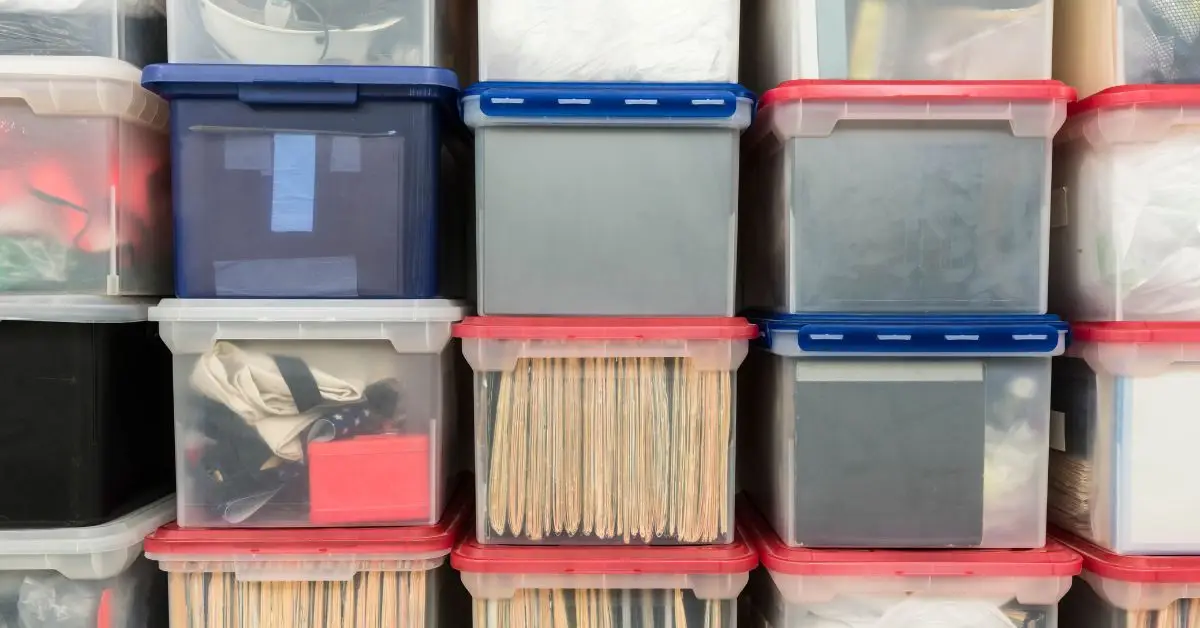
I’ve had personal experience with this one—and it’s painful. You might think a plastic bin is perfect for storing old tax records, certificates, or family photos. The reality? Plastic traps humidity, and over time that can:
- Curl your papers
- Cause ink to fade
- Promote mold growth
- Make photos stick together or develop water spots
These are irreplaceable memories and critical documents, and once they’re damaged, it’s almost impossible to reverse. That’s why I always recommend switching to acid-free archival boxes from Homes & Gardens. They let your papers breathe while still protecting them from dust, pests, and light exposure.
A little investment in the right storage can save you years of regret.
2. Electronics and Batteries
Here’s a mistake I see people make all the time: tossing old gadgets, cables, or spare batteries into plastic tubs. I did it myself once, thinking it would keep everything safe. Fast forward a few months:
- Moisture in the bin caused some of my electronics to corrode.
- Batteries leaked, damaging both themselves and nearby devices.
- Heat trapped inside the sealed bin accelerated wear on delicate components.
To avoid this, I always store electronics in anti-static bags, padded boxes, or even a small climate-controlled storage area. Even keeping just a little airflow around your devices can prevent corrosion, short-circuiting, and other hidden damage.
3. Leather Goods and Delicate Fabrics
I’ve learned the hard way that leather jackets, shoes, and delicate fabrics don’t like being trapped in plastic. You might think sealing them away keeps them safe from dust—but it does the opposite.
Here’s what can happen:
- Leather can crack or stiffen when it can’t breathe.
- Silks, wools, and other fine fabrics can develop mildew or odors in a closed plastic environment.
- Colors may fade or transfer, especially if items are stacked tightly.
To keep your clothes and accessories in good condition, I recommend breathable storage solutions. Using canvas bags or cedar-lined closets not only preserves the texture but also keeps that fresh, natural scent that plastic bins can never replicate.
4. Books, Paper Products, and Printed Materials
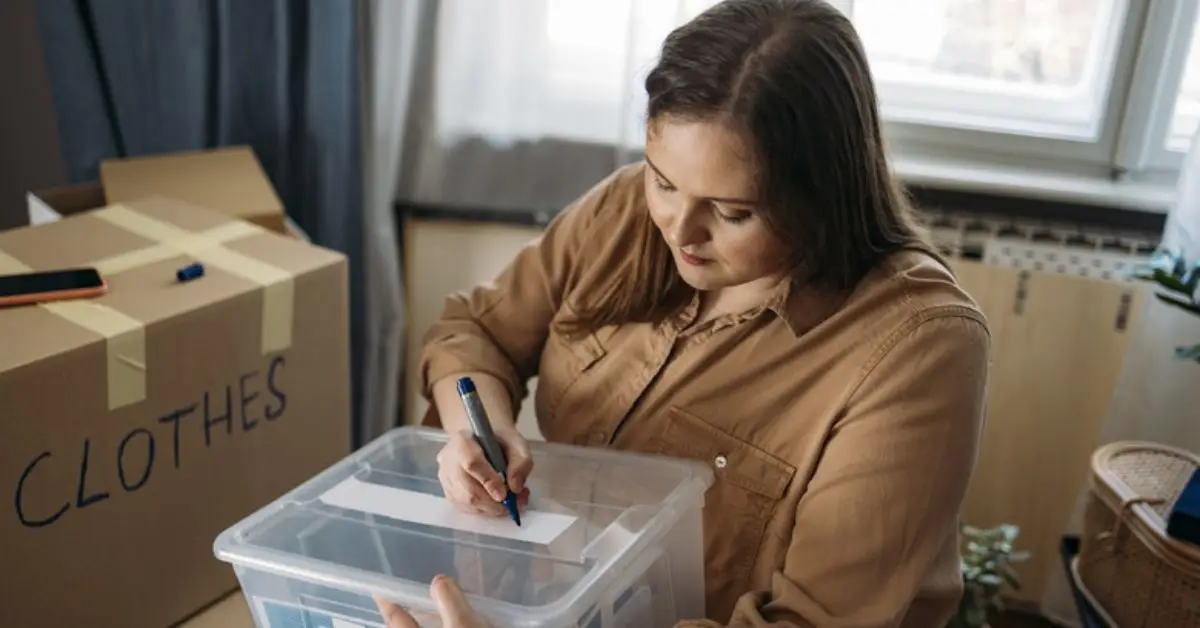
If you’re a collector or someone who keeps important manuals or journals, plastic bins can quietly ruin your collection. Here’s why I always avoid them for books and paper:
- Moisture trapped inside can warp pages or make bindings stiff.
- Mold can grow on paper, leaving unsightly stains and a musty smell.
- Stacking books in sealed bins can cause creased corners or stuck pages.
I’ve switched to wooden or cardboard archival boxes with silica gel packets—they allow airflow while keeping dust and pests away. It’s a small step, but it keeps your collection readable and intact for years.
5. Food and Perishable Items (Including Strong Smelling Foods)
This is one area where I see people make a serious mistake—storing tomato sauces, garlic, onions, citrus, or greasy foods in regular plastic bins. Here’s the problem:
- Non-food-grade plastic absorbs odors and can stain over time.
- Heat increases the chance of chemical leaching, especially in acidic foods.
- Strong-smelling foods can transfer odors to other items stored nearby. And while we’re talking about food storage, keeping your kitchen surfaces clean and grease-free can prevent cross-contamination and odors—here are 7 simple tricks to clean greasy counters without scrubbing forever.
Even Reddit users share stories of non-food-grade bins ruining homemade sauces and baked goods. The solution is simple: stick to glass containers or food-grade plastics specifically designed for food storage. Your meals—and your health—will thank you. For a detailed look at BPA risks, check out Canadian Living’s guide on foods to avoid storing in plastic.
6. Candles and Wax Items
If you’re a candle lover like me, storing them in plastic bins can be disappointing. The trapped heat and light can:
- Melt or warp the candle shape.
- Transfer scents onto the plastic, making them smell different.
- Cause discoloration, especially on white or lightly colored candles.
I now store candles in cardboard boxes placed in a cool, dry spot, which keeps their shape, fragrance, and color intact—simple but effective.
7. Shoes and Odor‑Prone Items
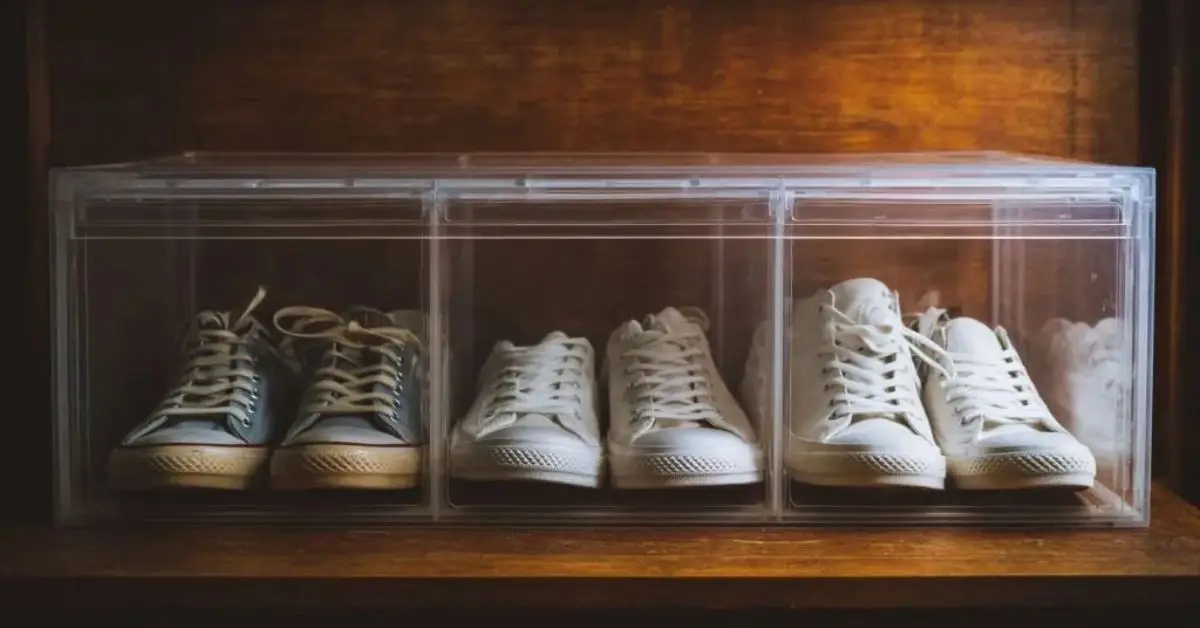
I used to toss old sneakers and boots into plastic bins after taking them off at the end of the season. What I didn’t realize was how quickly sealed plastic traps moisture and bacteria.
Here’s what happens:
- Moisture that wasn’t fully dried gets locked in and feeds mold and mildew.
- Bacteria multiply and create intensified odors that linger.
- Shoes stacked without airflow can losen their structure or deform.
Instead of plastic, I now go with breathable shoe racks or vented boxes — they let air circulate and keep odors, mold, and shape issues at bay. If odors are a concern, there are simple tricks to keep your bins smelling fresh that I share in 5 bin freshening tricks every home needs.
8. Wet or Slightly Damp Items
Confession: I’ve made this mistake more than once — tossing towels or gym clothes that still felt dry but weren’t completely moisture‑free into a bin.
The result?
- Immediate mold and mildew growth inside the container.
- That awful, musty smell that sticks on fabrics even after washing.
- Long‑term damage to fibers, reducing the life of your clothes.
My rule now is simple: air‑dry everything fully before storing, or use mesh bags that let moisture escape — and trust me, it saves headaches later.
9. Chemicals and Hazardous Materials
Plastic bins may look sturdy for storing household chemicals, but there’s a hidden danger. Certain substances react with plastics and create problems you don’t want in your home.
- Chemicals can off‑gas or react with plastic, producing harmful fumes.
- Plastic containers can warp or break down, especially under heat or sun.
- Mixed chemical leaks in bins can create toxic air and fire hazards.
For safety, I keep cleaners, solvents, and similar items in their original containers or metal storage cabinets, which are built to handle those materials. If you want a deeper expert view on what not to stash in plastic, Tom’s Guide explains why certain items really shouldn’t go in plastic containers — and the reasoning lines up with what pros warn about moisture, odors, and material interactions.
10. Plants, Soils, and Organic Compost
When I first started gardening, I thought plastic bins would be great for potting soil and compost scraps. Big mistake.
Here’s why they fail:
- Plastic traps moisture and heat, creating a soupy, anaerobic mess.
- That leads to rotting soil and foul, sour odors.
- Beneficial microbes die off when they can’t breathe or aerate.
Open compost bins, breathable containers, or designated compost setups work far better, encouraging healthy decomposition instead of smelly rot.
11. Irreplaceable Keepsakes (Heirlooms, Sentimental Items)
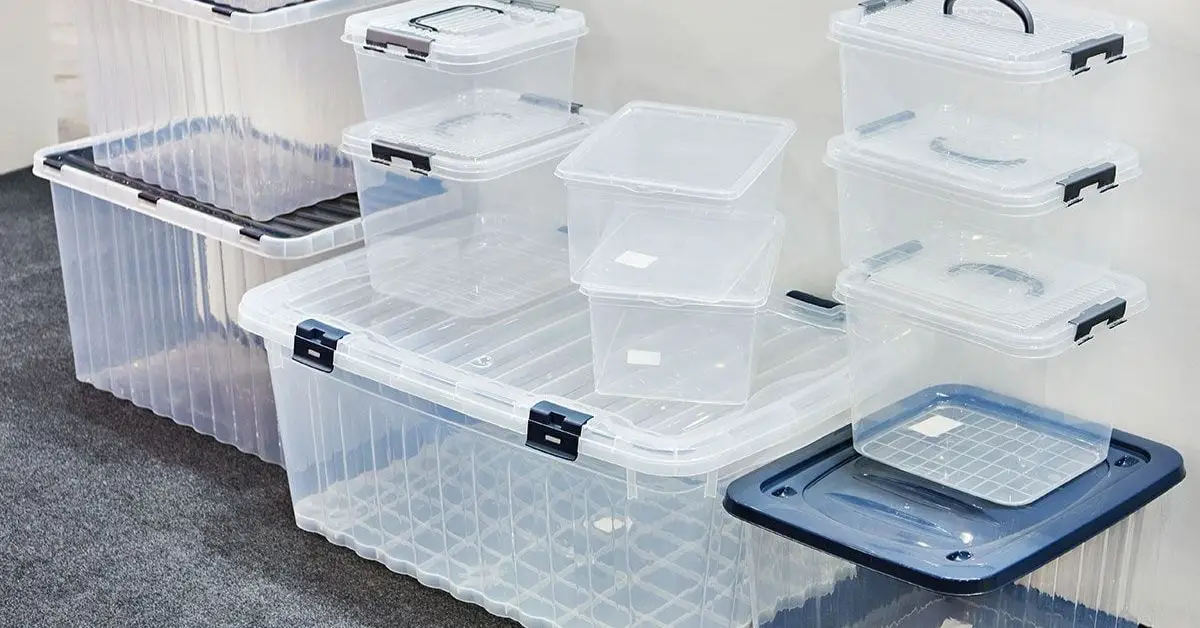
This one hits home. A few years ago, I packed up old letters, handmade cards, and family trinkets into bins to “get them out of the way.” A couple of months later, some items smelled stale, and once‑pristine paper edges were curling.
Here’s why plastic fails for keepsakes:
- Humidity and temperature swings wreak havoc on fragile materials.
- Lack of airflow can trap odors or cause discoloration.
- Damage to sentimental items feels worse than losing a physical object — it’s losing a piece of memory.
For things you can’t replace, I now recommend climate‑controlled storage or display options — even simple shelving with airflow beats sealed plastic.
Smart Tips for Using Plastic Bins Safely
Even after all this, I’m not saying plastic bins are useless. They’re great if you know how to use them properly. Over the years, I’ve picked up a few tricks that make plastic storage much safer:
- Use moisture absorbers: Silica gel packs or small moisture control packets keep humidity in check, especially for fabrics and paper.
- Choose opaque bins: They block sunlight, which helps prevent heat and fading.
- Allow ventilation: Don’t seal items that need airflow. Even a small gap or vented lid can make a big difference.
- Periodic checks: Every few months, open your bins and inspect items for moisture, odor, or damage.
- Know what works in plastic: Hardier items like toys, seasonal decor, or plastic kitchenware are fine, as long as they’re dry and clean. If you want to see the flip side—items that are actually perfect for clear or plastic bins, check out 11 brilliant things you should be storing in clear bins at home today.
Using these simple steps, you can enjoy the convenience of plastic without the hidden risks.
Best Alternatives to Plastic Storage Solutions
Sometimes the best way to protect your things is to skip plastic entirely. Here’s what I recommend based on my experience:
- Breathable fabrics or canvas bags: Perfect for leather, shoes, or delicate clothing.
- Archival boxes: Acid-free cardboard or wooden boxes for documents, photos, and collectibles.
- Metal or wooden cabinets: Ideal for chemicals, paints, or heavy items.
- Glass containers: Excellent for food storage or fragile items you want to see without opening.
- Food-grade plastic bins: Use only for non-acidic, non-strong-smelling foods if you must store in plastic.
The key is to match the material to the item, and not just grab the nearest plastic bin. It saves time, money, and stress in the long run.
Final Takeaway: What to Store in Plastic Bins vs What Not To
Here’s a quick checklist I follow, and it might save you a lot of headaches:
Safe in Plastic Bins:
- Toys and hard household items
- Seasonal decor (dry, clean)
- Plastic kitchen containers
- Non-porous, moisture-resistant items
Avoid in Plastic Bins:
- Documents, photos, and paper products
- Electronics and batteries
- Leather goods, shoes, and delicate fabrics
- Wet or damp items
- Strong-smelling or acidic foods
- Candles, wax items
- Chemicals and hazardous materials
- Plants, soil, or compost
- Irreplaceable keepsakes
Take a moment to look at what’s in your plastic bins now — you might be storing some things that shouldn’t be there. And I’d love to hear from you: What have you found damaged in plastic bins? Share your stories in the comments below.
If you want more practical home improvement, organization, and storage advice, check out my website Build Like New — I post tips every week to help you protect your home and your stuff smarter.
Disclaimer: The information in this article is for general guidance only. Always follow manufacturer instructions and safety recommendations for storage, chemicals, and food. Build Like New is not responsible for damage or injury resulting from improper storage.