11 Things You’re Probably Storing Under Your Sink — Stop Now!
I’ve spent more time than I care to admit rummaging under my kitchen sink, and let me tell you, it’s a lot more dangerous than it looks. Between the leaky pipes, lingering moisture, and the random bottles of chemicals, it’s basically a mini hazard zone tucked right in your kitchen. If you’ve ever wondered why that corner seems to attract mold, spills, or even a weird smell that never goes away, you’re not imagining it.
In this article, I want to walk you through 11 things you should never store under your kitchen sink—and exactly where to put them instead. I’ve dug into expert advice, real-life stories, and safety data, so you’re not just getting opinion—you’re getting facts you can trust. By the end, you’ll know how to keep this tricky spot safe, organized, and completely stress-free.
Before we jump in, think about this: when was the last time you checked under your sink? While you’re at it, you might also want to check out this clever tip for cleaning oven racks—it’s surprisingly easy and not in the sink at all.
Odds are, there’s something there that really shouldn’t be. Let’s fix that.
Why Under-Sink Storage Is Tricky
I used to think under my kitchen sink was the perfect catch-all for anything I didn’t want lying around. But the more I looked, the more I realized just how tricky this little space can be. Here’s what makes it so complicated:
- Moisture and humidity risk: Even a tiny bit of condensation can ruin absorbent items like paper towels, napkins, or food containers. Sponges and cloths quickly become breeding grounds for bacteria. Leaving dirty dishes in the sink overnight can add to this problem, making under-sink storage even riskier (see why here). According to Daily Retale, many people underestimate how quickly moisture can damage everyday items under the sink.
- Leaks happen: Pipes aren’t perfect. Even a minor leak can soak electronics, metal items, or cookware, causing rust or permanent damage.
- Child and pet access hazard: Curious kids or pets can reach under-sink chemicals easily, which makes it a dangerous zone. Tom’s Guide points out that accidental exposure to household cleaners is one of the most common risks in kitchens.
- Poor ventilation and heat: That small cabinet often traps heat from nearby appliances or pipes. Without airflow, the combination of warmth and moisture accelerates damage.
- Clutter risk: It’s easy to overstuff the space. When everything is piled together, you can’t find what you need—and hazards multiply.
11 Items You Should Never Store Under Your Kitchen Sink
Now that you know why this area is tricky, let’s get into the items you should never store there, along with safer alternatives. I’ve grouped them logically so it’s easier to follow.
Safety Hazards
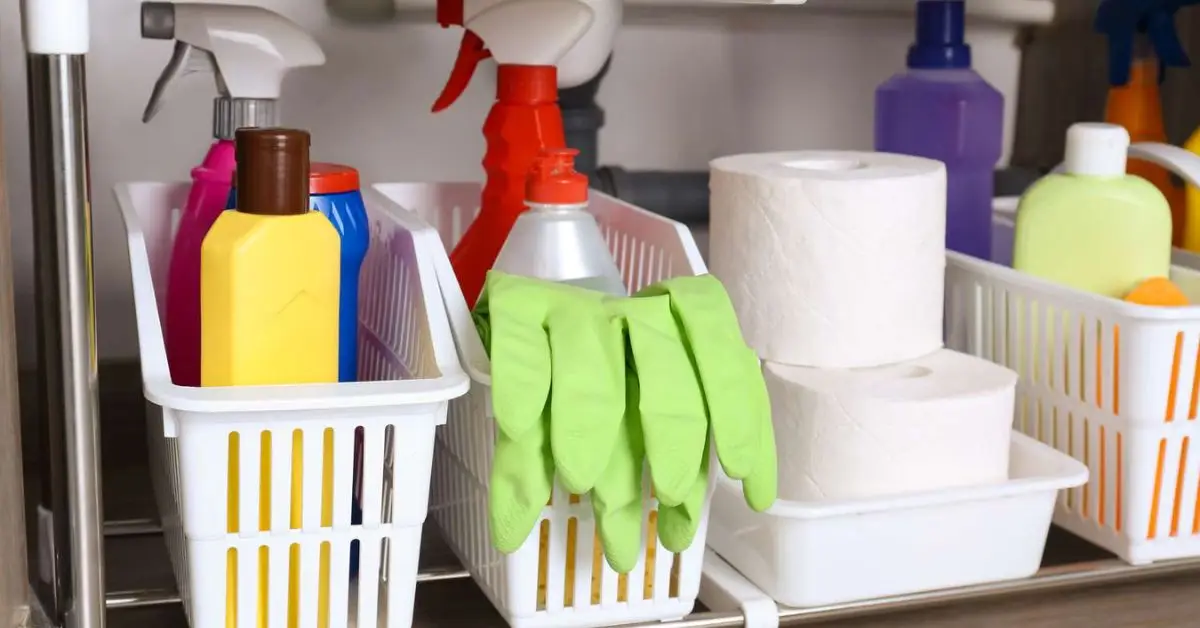
1. Hazardous/Chemical Cleaners (bleach, drain openers, pesticides)
- Why: Toxic, prone to leaking, and dangerous if kids or pets get to them.
- Where instead: Keep them in a locked high cabinet or garage shelf.
2. Flammable Items (solvents, aerosols, propane canisters)
- Why: Fire or explosion risk if they get too close to heat or sparks.
- Where instead: Store in a ventilated garage or workshop.
3. Battery Packs and Chargers
- Why: Humidity can cause corrosion, and short circuits are a real threat.
- Where instead: Dry drawer or utility closet.
Moisture-Sensitive Items
These are the items I see people often underestimate. They don’t look dangerous, but under-sink moisture is their worst enemy.
4. Paper Products (paper towels, napkins, paper bags)
- Why: Even a small amount of humidity makes them soggy or moldy. You don’t want to grab a damp napkin in the middle of cooking.
- Where instead: Keep them in a pantry or any dry cabinet away from sinks and pipes.
5. Dishwasher Pods & Detergents
- Why: Humidity can make pods dissolve or clump, and if kids reach them, they could be dangerous.
- Where instead: Store them in a cabinet above the counter—dry, safe, and easy to access when loading the dishwasher.
6. Sponges, Dish Cloths & Towels
- Why: Moist conditions make these a bacteria hotspot. Trust me, no one wants a sink full of germs every day.
- Where instead: Dry them properly in the laundry room or on an open shelf that lets them air out.
Food & Pet Items
I’ve seen so many people stash food under the sink thinking it’s convenient. Spoiler: it’s not.
7. Food Items & Pet Food
- Why: Moisture, leaks, and lack of airflow make this a perfect environment for mold and pests.
- Where instead: Use sealed containers in the pantry. It keeps your food fresh and your pets safe.
8. Bulk Backstock of Consumables
- Why: Extra items like cleaning sprays or canned goods can get damaged and clutter the space.
- Where instead: Store them in a closet or pantry for organized and easy access. A lot of people underestimate how quickly under-sink clutter accumulates.
Fragile / Inappropriate Items
Finally, let’s talk about fragile or electronic items. I’ve personally had a couple of near-disasters here.
9. Small Appliances & Electronics
- Why: One leak and you could ruin your toaster, blender, or chargers.
- Where instead: Dedicated appliance shelf or cabinet away from moisture. This is a common mistake many households make.
10. Glassware & Fragile Items (vases, light bulbs)
- Why: Tight spaces increase the risk of breakage and messy cleanups.
- Where instead: Keep them padded in a safe shelf or cabinet.
11. Cookware / Food Storage Containers
- Why: Water leaks or cluttered piles can contaminate lids and bowls.
- Where instead: Store in regular kitchen cabinets or drawers for easy access and protection.
Smart Alternatives: What You Can Store Under the Sink
Most guides stop at “don’t store this” and leave you hanging. I like to be practical, so let’s talk about what actually works under your sink.
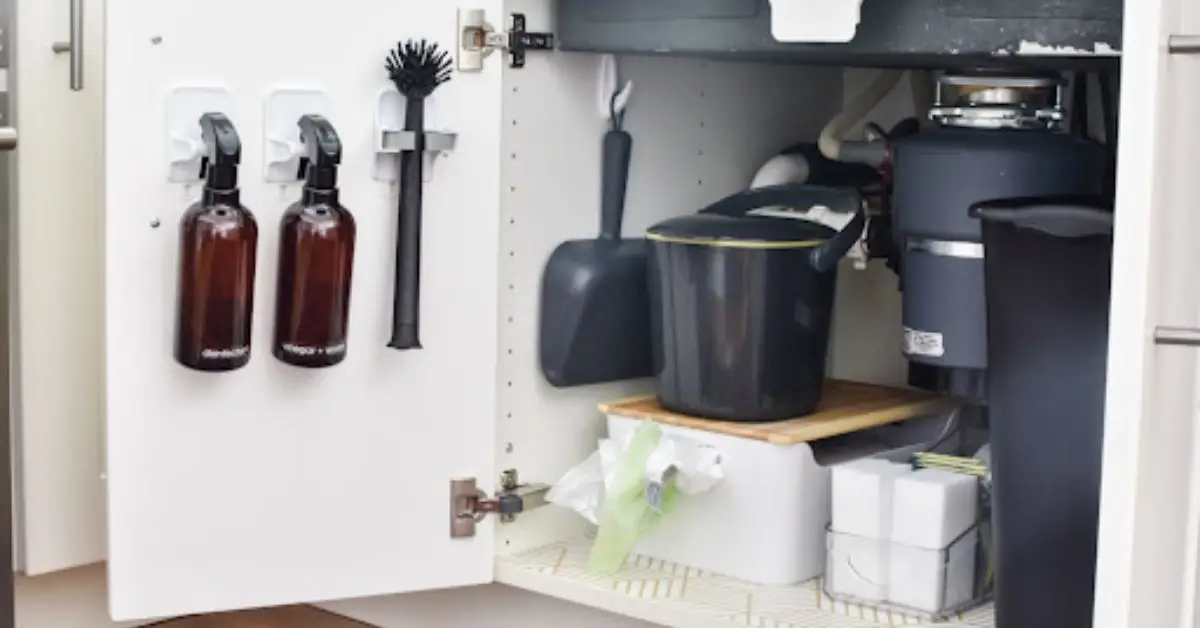
- Non-toxic everyday cleaning supplies like dish soap, vinegar, or baking soda. These are safe, won’t release harmful fumes, and can handle the occasional splash.
- Garbage and recycling bins—keeps your trash organized without crowding the space.
- Trash bags, wraps, and liners—they fit neatly in a bin or basket for easy grab-and-go.
- Sealed compost containers—you can keep kitchen scraps nearby without worrying about leaks or odors.
- Organizers that leverage vertical space, like pull-out drawers, bins, or door caddies. Reddit communities often rave about these because they elevate items off the cabinet floor, keeping them dry and accessible.
By choosing these safer options, you can finally make your under-sink area functional instead of a hazard zone.
Organizing Tips to Prevent Future Problems
Even safe items can get messy if you don’t organize properly. Here’s how I keep things under control:
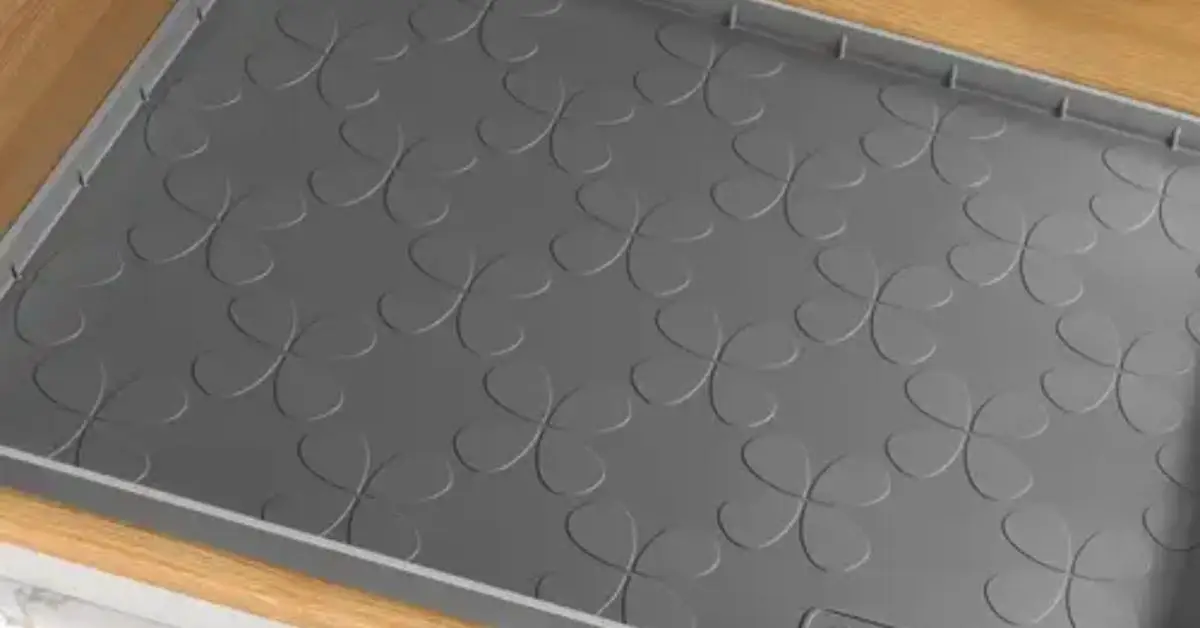
- Install a waterproof cabinet liner to protect the base from leaks or spills. I use a silicone mat that’s easy to clean and keeps moisture from ruining the cabinet. Better Homes & Gardens recommends similar setups for protecting under-sink spaces.
- Use bins or baskets to separate categories—cleaners, trash supplies, and miscellaneous items.
- Add pull-out shelves or sliding trays for easy access to items at the back.
- Check the area monthly for leaks or moisture buildup. Catching a small drip early saves a lot of headaches later. And if you want to prevent pink stains from developing and making your sink area even messier, check out these 5 proven ways. Catching a small drip early saves a lot of headaches later.
These steps turn a cramped, messy cabinet into an organized, safe, and surprisingly functional space.
Quick Recap Table: What Not to Store Under Your Sink
Here’s a cheat sheet you can glance at whenever you’re cleaning or reorganizing your under-sink area. It sums up the key hazards and smart alternatives so you don’t have to scroll back and forth.
| Item You Shouldn’t Store | Why | Where To Put It Instead |
|---|---|---|
| Paper Products (towels, napkins) | Moisture risk, mildew | Pantry or dry cabinet |
| Hazardous/Chemical Cleaners | Toxic, leak risk, child/pet hazard | Locked high cabinet or garage shelf |
| Flammable Items (solvents, aerosols) | Fire/explosion risk | Ventilated garage or workshop |
| Battery Packs & Chargers | Corrosion, short-circuit risk | Dry drawer / utility closet |
| Dishwasher Pods & Detergents | Dissolve or clump with humidity | Kitchen cabinet above counter |
| Sponges, Dish Cloths, Towels | Bacteria hotspot | Laundry room or open shelf |
| Food Items & Pet Food | Mold, pests | Sealed pantry containers / food bin |
| Bulk Backstock of Consumables | Damage & clutter | Pantry or storage closet |
| Small Appliances & Electronics | Leak or moisture damage | Dedicated appliance shelf |
| Glassware & Fragile Items | Breakage risk | Padded shelf or safe cabinet |
| Cookware / Food Storage Containers | Contamination, awkward access | Kitchen cabinets or drawers |
Closing Thought
If there’s one thing I’ve learned from organizing my kitchen, it’s that mindful storage saves time, money, and stress. Taking a few minutes to rethink what goes under your sink—and where—is worth it.
I’d love to hear from you: what’s the strangest or most surprising thing you’ve ever found under your kitchen sink? Share your story in the comments below, and check out more practical home tips at Build Like New.
Disclaimer: The information in this article is for general guidance and home organization purposes only. Always follow product instructions and safety guidelines when storing chemicals or flammable items. Build Like New is not responsible for any accidents or damages resulting from under-sink storage.