
14 Surprising Household Items You Must Clean Right Now
I used to think my house was pretty clean—until I started noticing the little things I’d never really paid attention to. You know, the spots you don’t see every day, the ones tucked away in corners or behind appliances. Turns out, those “out-of-sight” places are actually perfect breeding grounds for germs, mold, and bacteria. And trust me, some of them are downright disgusting.
It shocked me to learn that everyday items like your TV remote or kitchen sponge can carry more bacteria than your toilet seat. I’ve seen it, read the studies, and heard from cleaning experts who swear that most people don’t touch these spots until something smells, looks gross, or they’re forced to deep clean.
In this article, I’m going to walk you through 14 spots in your home that you’re probably skipping without even realizing it. I’ll tell you why they matter, what’s actually lurking there, and how to tackle them without turning your weekend into a full-on scrubbing marathon. By the end, you’ll look at your home differently—and maybe reach for a disinfectant a little more often.
The Psychology of Overlooked Cleaning
I’ve noticed that most people, including myself, tend to ignore certain spots around the house simply because they’re out of sight. Think about it—you don’t see the grime on the back of your TV remote or the dust collecting under the fridge, so it almost feels like it’s not there. But just because you can’t see it doesn’t mean it isn’t there, and that’s exactly what makes these areas perfect hiding spots for bacteria and mold.
This “out of sight, out of mind” mindset is super common. Cleaning experts often say that we subconsciously prioritize visible areas: countertops, floors, sinks—the stuff that immediately makes a room look tidy. Meanwhile, the hidden corners and high-touch items quietly accumulate germs over time. Reddit discussions and Twitter threads are full of people admitting they’ve gone months without touching certain spots—only realizing how nasty they are when they finally do a deep clean.
Once you understand this pattern, it becomes easier to approach cleaning strategically. Instead of reacting only when something smells or looks gross, you can anticipate which spots are likely to harbor bacteria and deal with them proactively.
14 Disgusting Things in Your Home You’re Probably Forgetting to Clean

1. TV Remotes, Game Controllers & Smart Device Remotes
I’ll be honest—I never thought of my TV remote as a germ hotspot until I read a report by Better Homes & Gardens showing how much bacteria these devices carry. Every time you touch it, you’re transferring germs from your hands—and if multiple people are using the same remote, it only multiplies. High-touch areas like remotes and handles are often skipped—but a few minutes of attention makes a big difference.
Quick Tips:
- Wipe down with alcohol-based disinfectant wipes once or twice a week.
- If possible, remove batteries and clean the grooves where dirt accumulates.
2. Light Switches & Door Handles
These are some of the most touched surfaces in your home, yet they rarely get cleaned. Studies even show that a light switch can harbor more bacteria than a toilet seat. It’s one of those “you don’t notice it until you see it” areas that can be surprisingly gross.
Quick Tips:
- Wipe handles and switches weekly with disinfectant.
- Consider using microfiber cloths to reach all the edges.
3. Faucets & Sink Handles
I’ve found that my kitchen and bathroom faucets are almost invisible germs magnets. Water splashes, soap residue, and constant hand contact make them prime breeding grounds for bacteria.
Quick Tips:
- Use a disinfectant spray or a vinegar solution daily.
- Don’t forget to clean around the base where grime tends to collect.
- For more in-depth guidance on tackling bacteria hotspots in your kitchen, I like the practical tips from Healthline—they break down what to clean and how often.
4. Ice Cube Trays & Water Bottles
Honestly, ice cube trays never occurred to me until I noticed a strange smell coming from my freezer. Turns out, mold and bacteria love cold, moist environments just as much as warm ones. The same goes for reusable water bottles—you fill them every day, but do you really clean them properly? Make sure to clean them thoroughly using simple household products for best results.
Quick Tips:
- Wash ice trays weekly with hot water or run them through the dishwasher if safe.
- For bottles, use a bottle brush and a mild detergent or baking soda to remove hidden buildup.
5. Reusable Shopping Bags
If you’re like me, you reuse grocery bags constantly, tossing them in the car or pantry without thinking. Over time, those bags pick up bacteria, yeast, and leftover food particles.
Quick Tips:
- Wash bags at least once a week.
- Separate bags used for meat and produce to reduce cross-contamination.
6. Garbage Disposal & Sink Drains
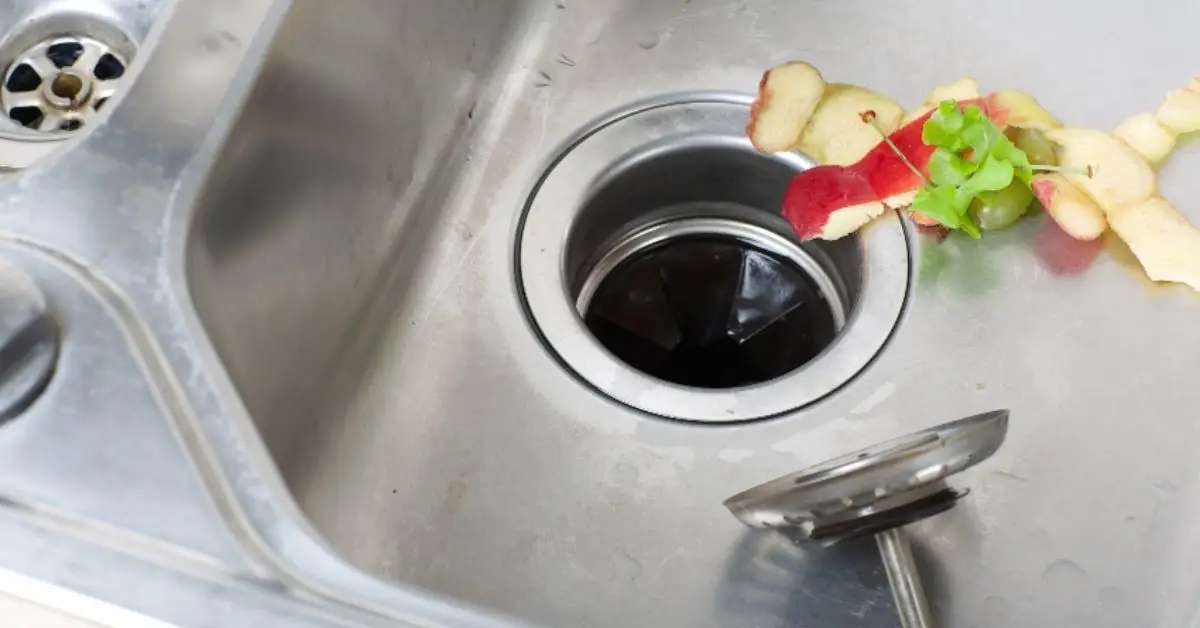
I have to admit, I rarely check my sink drain until it smells. But those drains are a perfect storm for bacteria, food particles, and odors. Cleaning them is a small step that makes a huge difference.
Quick Tips:
- Clean with baking soda and vinegar once a month.
- Consider specialized disposal tablets for an extra deep clean.
7. Oven Interiors & Range Hood Filters
These are the classic “out of sight, out of mind” areas. Grease, crumbs, and spills build up over months or even years. The longer you ignore them, the harder it becomes to clean—and the worse the smell gets.
Quick Tips:
- Use an appropriate oven cleaner or a mixture of baking soda and water.
- Don’t forget to remove and wash the range hood filter periodically.
8. Toothbrush Holders & Soap Dishes
These small bathroom items might seem harmless, but they sit in moist environments, which makes them perfect breeding grounds for bacteria.
Quick Tips:
- Wash them weekly with warm water and soap.
- Soak in vinegar once a month to kill lingering germs.
9. Behind & Under Toilet Base
I’ll be honest, I avoid looking there, and I bet you do too. But that’s exactly why bacteria love it. It’s moist, dark, and mostly forgotten until it starts to smell or you’re deep cleaning for guests.
Quick Tips:
- Use a small brush and disinfectant wipes to reach hidden nooks.
- Make this part of your monthly bathroom cleaning routine.
10. Shower Curtain & Liner
I used to ignore my shower curtain for months, thinking it looked fine. Then the mildew hit. Moist environments like showers are perfect for mold growth, and a dirty curtain can affect your bathroom’s smell and even your health.
Quick Tips:
- Wash the liner monthly in hot water or wipe it with a vinegar solution.
- Replace it seasonally if mold or discoloration persists.
11. Under Furniture & Behind Appliances
These are spots I avoid like the plague, and I bet you do too. Dust, hair, and allergens quietly build up under couches, beds, and fridges. You might not notice it until your allergies flare or you finally pull the furniture out for cleaning.
Quick Tips:
- Vacuum or sweep these hidden areas monthly.
- Use a long-handled duster to reach corners and behind appliances.
12. Window Tracks & Skirting Boards
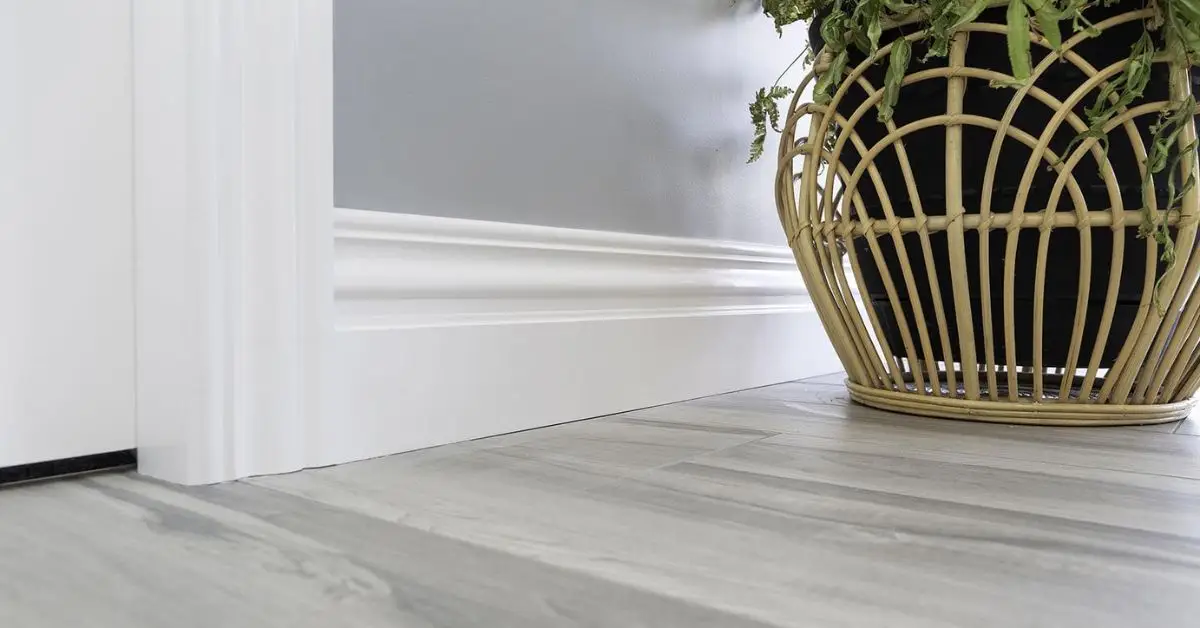
Ever notice those tiny grooves along your windows and walls? They collect dust and dirt that regular cleaning misses. Ignoring them makes your home look less tidy, even if the floors are spotless.
Quick Tips:
- Clean window tracks with a microfiber cloth or compressed air.
- Wipe skirting boards monthly to prevent dust and allergens from building up.
13. Ceiling Fans & Light Fixtures
Ceiling fans and light fixtures spread dust and allergens every time they’re used. Most people skip them because they’re inconvenient to reach—but ignoring them only makes your home dustier.
Quick Tips:
- Dust monthly with a long-handled microfiber cloth or vacuum attachment.
- Don’t forget the tops of light fixture shades—they collect more dust than you think.
14. Rugs, Blinds, Curtains & Upholstery/Couch Cushions
Soft surfaces might look clean, but they trap dust, pet hair, and allergens. I always underestimate how dirty my couch cushions get until I vacuum or steam them. You’ll be surprised at how much comes out.
Quick Tips:
- Vacuum rugs, curtains, and upholstery weekly.
- Wash or steam clean periodically to remove built-up dust, odors, and allergens.
Cleaning Frequency & Quick Checklist
Knowing what to clean and how often is half the battle. I like breaking it down into daily, weekly, and monthly routines so it doesn’t feel overwhelming.
Quick Tips:
- Daily: Wipe faucets, handles, counters.
- Weekly: Clean remotes, light switches, bathroom surfaces, and vacuum soft surfaces.
- Monthly: Deep clean behind appliances, under furniture, window tracks, ceiling fans, shower curtains, and drains.
For more expert guidance on the dirtiest household items and how to tackle them, check out Ideal Home’s guide on the dirtiest household items. You can also find practical tips for keeping your home truly clean on Build Like New. It highlights high-touch areas like remotes and faucets that most people forget about and gives practical tips for keeping your home truly clean.
Conclusion
Cleaning those “hidden” spots in your home isn’t just about making things look tidy—it’s about protecting your health and creating a space that truly feels fresh. From your TV remote to the shower curtain, the small, often-overlooked items can harbor bacteria, mold, and allergens if left unattended. Tackling them doesn’t have to be overwhelming; a few minutes of weekly or monthly cleaning can make a huge difference.
I’d love to hear from you: which of these spots surprised you the most? Do you have any secret cleaning hacks that keep your home spotless? Share your thoughts in the comments below—I read every single one.
And if you want more practical tips, guides, and home-cleaning strategies that actually work, check out Build Like New. We’re all about helping you create a cleaner, healthier, and more organized home without the stress.
Disclaimer: This article is for informational purposes only. The cleaning tips and advice provided are based on general research and expert guidance. Results may vary depending on your home environment. Always follow product instructions and safety guidelines when cleaning.


