Can an HOA Really Control How You Behave? What Homebuyers Should Know
You can’t pick your neighbors, but you can pick the neighborhood — and lately some developments are trying to pick the neighborly vibe for you. I read about a community in Hesperia, CA, where buyers are asked to sign a “kindness pledge” before they move in. At first it sounds nice; then you start wondering: can anyone actually make you be kind?
I’ve spent years digging into HOA rules, developer playbooks, and the legal gray area between “house rules” and personal conduct. In this piece I’ll walk you through what these pledges really do, what they can’t do, and what actually makes a neighborhood worth paying extra for — so you can spot marketing from meaningful design and decide if a “kindness community” is for you.
Setting the Stage — Why “Niceness Rules” Are Becoming a Real Estate Talking Point
If you’ve shopped for a home recently, you’ve probably noticed something: people are tired of neighborhood conflict. From noise disputes to Facebook-group arguments, a lot of us just want to live somewhere calm, respectful, and predictable. And that’s exactly why “niceness rules” and civility pledges are suddenly showing up in housing communities.
I’ve been watching this trend grow over the past few years. Developers know buyers want safety, stability, and a friendlier environment for their kids. At the same time, national conversations have gotten louder and more divided, and that tension often spills into neighborhoods. So instead of only relying on standard HOA rules, some communities are trying to brand themselves around kindness.
It sounds idealistic, but it’s very real — and if you’re buying a home, you need to understand what these pledges actually mean for your rights, your neighbors, and your daily life.
The Silverwood Case Study — The First “Kindness Community” of Its Kind

Silverwood in Hesperia, CA, is the clearest example of this trend. It’s the first community I’ve seen where the developer built the entire identity around a formal “kindness pledge.” A recent breakdown from Realtor highlighted how this idea is catching national attention:
What the Pledge Asks Homebuyers to Sign
When you buy here, you’re asked to agree to things like:
- listening to others before reacting
- avoiding harsh or hateful language
- engaging with neighbors on a personal level
- helping build a respectful, supportive environment
You’re not signing a legal threat. You’re signing an intention — but it’s still a big ask, because it sets the tone for the entire community.
Why the Developer Says Civility Is a Selling Point
The developer’s belief is simple: if you gather people who willingly agree to be respectful, you create a community with fewer conflicts and more connection. And honestly, I understand the strategy. In a world where most neighborhoods rely on strict rules and fines, the idea of building culture instead of enforcing behavior feels refreshing.
Silverwood markets itself as a place where relationships matter as much as real estate. They even showcase this philosophy on their social pages and branding materials.
The Appeal for Certain Buyer Groups
Not every buyer will love a pledge like this. But some groups absolutely do:
- young families who want an emotionally safe environment
- community-minded buyers who value shared values
- remote workers who spend more time at home and value neighbor interaction
- people looking for a calmer, cleaner, more predictable environment
These buyers aren’t looking for policing — they’re looking for predictability.
What HOA Behavior Rules Usually Cover — And What They Don’t
You and I both know HOAs can be strict, but they’re also limited. They aren’t built to regulate personality, kindness, or the tone of your voice.
Here’s where the line is drawn:
Property-Based Rules (Clear & Enforceable)
These fall into the “normal HOA rulebook,” and they’re enforceable because they’re measurable.
Typical examples include:
- noise limits
- trash can rules
- exterior paint and upkeep
- pet rules
- parking regulations
- landscaping standards
These rules are measurable. You can see them, document them, and apply them consistently.
Behavior-Based Rules (Subjective & Hard to Prove)
Now think about rules around:
- your tone of voice
- how “friendly” you are
- how quickly you respond to a neighbor
- whether you’re being “respectful enough”
- social disagreements
These are subjective. Ten people could witness the same moment and give ten different interpretations. Even small day-to-day behaviors, like loud leaf blowers or yard maintenance timing, can create neighbor tension — check out our tips on etiquette every homeowner should follow to stay on good terms.
That’s exactly why HOAs don’t typically touch them.
Why Behavior Clauses Break Every Standard of HOA Rulemaking
HOAs can only enforce rules that are:
- specific
- objective
- measurable
- consistently enforceable
Anything based on emotion, tone, or interpretation doesn’t meet legal standards. This is why kindness pledges fall outside the traditional HOA enforcement zone. If you want to dig deeper into which HOA rules actually hold up and which ones they can’t enforce, check out our guide on 10 HOA rules they can’t legally enforce.
They set expectations — not penalties.
The Legal Reality — Why Niceness Can’t Be Enforced Like Traditional HOA Rules
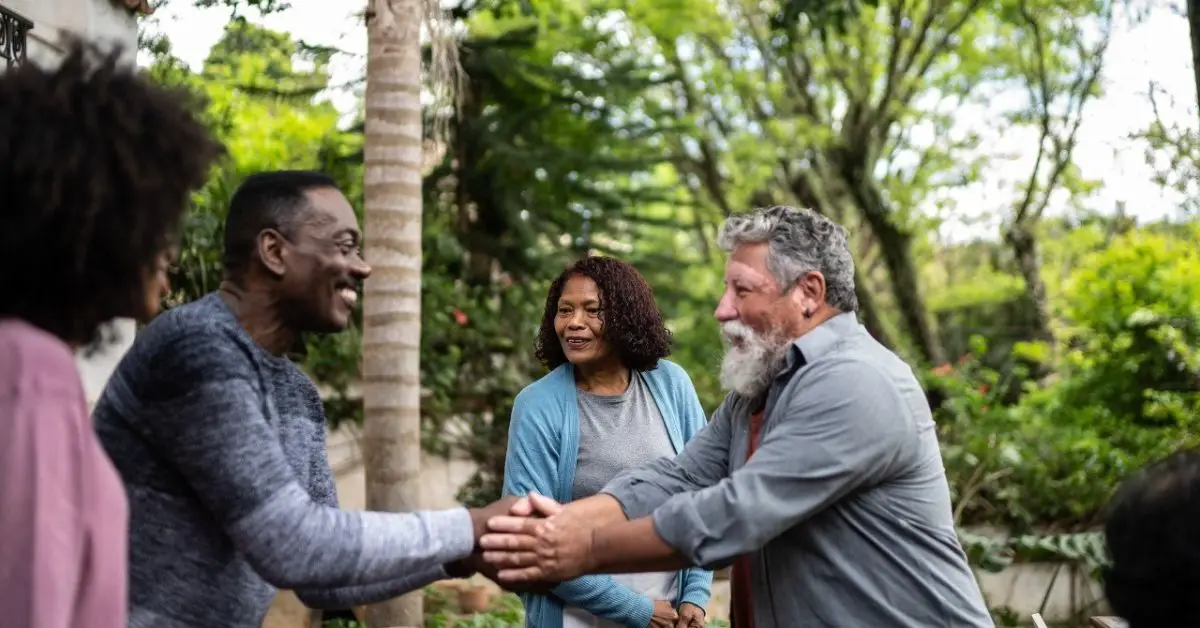
This is where most buyers need clarity. A kindness pledge may sound official, but legally, it has no teeth.
Experts Agree: Vague Standards = No Legal Weight
Attorney Donna DiMaggio Berger — who specializes in HOA and condo law — put it plainly in multiple interviews. Kindness isn’t enforceable because it isn’t definable. You can measure trash violations. You can’t measure tone of voice.
If a rule can’t be applied fairly or consistently, it doesn’t hold up.
Why Subjectivity = Immediate Legal Risk
If an HOA tried to punish someone for “not being kind enough,” it could open the door to claims of:
- discrimination
- selective enforcement
- biased decision-making
- violation of member rights
You can imagine the lawsuits.
That’s why neighborhoods like Silverwood call them pledges rather than enforceable rules.
What Courts Require for Enforceable Rules
Courts look for rules that are:
- objective
- specific
- measurable
- consistently documented
Think “no loud noise after 10 pm,” not “don’t speak rudely.”
Kindness pledges simply don’t fit the criteria.
If It’s Not Enforceable, Why Have a Kindness Pledge at All?
A lot of buyers ask the same thing: if a kindness pledge can’t be enforced, why put it in writing at all? After looking at different communities that use these types of agreements, the answer is actually pretty simple.
Self-Selection: Attracting “Like-Minded” Buyers
A pledge filters people before they even move in. If you’re turned off by the idea of signing a civility promise, you probably won’t choose that community. If you like the idea, it signals you’re someone who values respect and stability.
Developers rely on this natural sorting. It creates a group of residents who already share a few basic expectations before they’ve even unpacked.
Marketing & Branding Strategy for New Developments
New communities need an identity. Some developments focus on luxury, some on nature, and some — like Silverwood — build their story around culture and values.
A kindness pledge becomes a branding tool. It tells buyers, “This place is different. This place has standards.”
Even without legal power, the message itself attracts attention and builds trust.
Social Signaling: Creating a Culture Before Residents Move In
Culture usually forms slowly, but developers don’t want to wait years. A pledge speeds that up.
It sets the tone the moment the first families move in:
- we talk things out
- we respect personal boundaries
- we don’t escalate small problems
- we choose civility over conflict
Whether every resident lives up to it or not, the community’s baseline expectation is already set.
The Real Benefits of “Nice” Neighborhoods — Backed by Research, Not Rules
Now here’s something buyers really care about: Does living in a more “neighborly” community actually make life better?
The short answer is yes — not because of a pledge, but because of what stronger social ties do for daily life and long-term property value.
Higher Social Cohesion = Higher Property Values
Several studies show that neighborhoods with stronger social connection tend to hold their value better. When people look out for each other, report problems early, and engage with the community, the area stays cleaner, safer, and more stable — all factors buyers pay for.
Connected Neighbors = Lower Crime Rates
Research has repeatedly shown that when people actually know one another, crime drops. It’s simple: the more connected a neighborhood is, the harder it is for crime to go unnoticed or ignored.
Mental Health Gains (Lower Stress, Lower Anxiety)
Social cohesion also affects emotional well-being. One study published through the National Institutes of Health found that supportive neighborhoods can reduce stress levels and improve overall mental health.
You feel safer. You feel less alone. You’re less anxious about conflict. Those things matter in daily life far more than most people realize.
Why Walkability and Shared Spaces Impact Home Prices (NAR Data)
Younger buyers — especially millennials and Gen Z — will pay more for walkable communities and natural interaction points like parks, playgrounds, and shared green space.
Walkability creates connection.
Connection builds safety.
Safety increases value.
And all of it works far better than any written promise.
The Hidden Truth — It’s the Physical & Social Design, Not the Pledge, That Makes a Neighborhood “Nice”
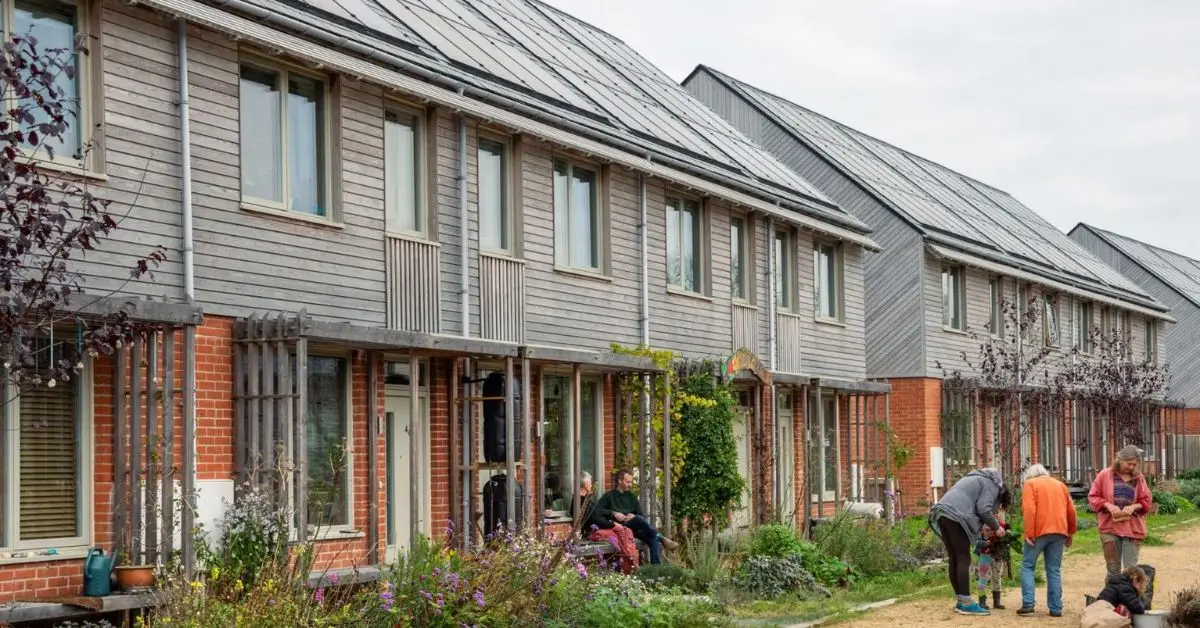
Here’s the part most articles gloss over:
People don’t become nicer because a developer asked them to sign something.
People become nicer because the environment makes good behavior easier.
Walkability, Design, Play Areas, Shared Amenities
When a neighborhood has:
- sidewalks
- parks
- dog areas
- playgrounds
- shared lounges or clubhouses
you naturally meet people. You talk. You build trust. You see familiar faces.
These design choices do more to build a friendly neighborhood than any pledge ever could.
Clear and Fair Objective Rules (Noise, Upkeep, Maintenance)
Buyers care about stability and predictability.
That comes from actual enforceable rules:
- quiet hours
- trash and recycling rules
- parking limits
- lawn and exterior maintenance standards
These create fairness — and fairness reduces conflict.
Communication Systems: HOA Responsiveness and Conflict Resolution
A responsive HOA makes or breaks a community. When issues are handled quickly, consistently, and transparently, residents trust the system. That trust lowers tension and stops disputes from spiraling.
A kindness pledge may look good in the brochure, but the day-to-day experience depends on structure, communication, and fairness.
What Buyers Should Look For When Considering a Kindness-Pledge Community
If a developer hands you a kindness pledge, you should treat it like any other part of the sales package — something worth reading, but not something to accept at face value. Buyers want real standards and real clarity, not vague expectations.
Ask: “What Happens if Someone Isn’t ‘Kind’?”
This is the question that exposes whether the pledge has any practical purpose.
Ask the sales rep or HOA:
- Is there a process for complaints?
- Is the pledge just a statement of values?
- Is there any follow-up if someone repeatedly violates it?
You’re not looking for punishment — you’re looking for transparency.
Identify Whether the Pledge Is Marketing or Meaningful Culture
Some communities genuinely want to build a neighbor-focused culture. Others are using the pledge as a branding element. You can often tell which is which:
- Is the pledge referenced in community events or welcome materials?
- Do staff or early residents talk about it like it matters?
- Or is it only mentioned during the sales tour?
A meaningful culture is consistent. Marketing disappears once escrow closes.
Talk to Existing Residents — Culture Over Paper
The best information always comes from people who already live there.
Ask residents:
- Do people actually interact?
- Are disputes handled fairly?
- Does the place feel welcoming?
The pledge is just words. The lived experience is what you’re buying. And if you ever find yourself navigating a challenging neighbor dynamic, here are 5 smart ways to handle difficult neighbors and keep your home stress-free.
The Bigger Problem — Who Gets to Define “Kind”?

This is where things get complicated. Kindness sounds universal, but in practice, people have wildly different expectations for how neighbors should speak, act, and interact.
Cultural Differences in What “Nice” Looks Like
Different cultures interpret friendliness differently. Some communities value direct conversation; others lean toward indirect communication; some expect casual chatting; others prefer privacy.
A single written standard of “kindness” can unintentionally favor one style over another.
The Risk of Conformity-Based Pressure
If a community treats “kindness” as a social requirement, residents may feel pressured to participate in activities, communicate a certain way, or adopt the dominant culture’s norms.
The pledge can shift from “be considerate” to “behave like everyone else.”
Why Subjective Social Rules Can Harm Diversity
Subjective rules tend to punish people who don’t fit the majority’s expectations. That includes cultural differences, neurodiversity, introversion, and people who simply prefer to keep to themselves.
A neighborhood that tries too hard to enforce a single definition of “nice” can end up less inclusive — even if the intentions were positive.
The Verdict — Can Your Neighborhood Decide How Nice You Have to Be?
After digging through the legal side, the cultural side, and the social side, here’s the bottom line.
Legally, No
HOAs cannot enforce kindness, civility, friendliness, or neighborliness. They can enforce noise limits, parking rules, architectural standards, and maintenance — but not personality traits.
Culturally, Possibly
A community can build a culture that encourages connection and respect. And a well-written pledge can help set that tone. But culture comes from residents, design, communication systems, and shared values — not from signatures on a sheet of paper.
Financially, Indirectly
If the community design supports walkability, connection, safety, and maintenance standards, property values benefit. The pledge itself doesn’t raise prices, but the type of people it attracts — and the environment that surrounds it — can.
Real-World Example: How Silverwood Frames Its “Kindness Community”
The developer marketing for Silverwood — a community in Hesperia, CA — is clear about what the pledge is and isn’t. As reported by CBS News, buyers are required to sign a “kindness pledge” before moving in. The pledge aims to encourage respect and civility — but there’s no formal enforcement mechanism or penalties if someone fails to “get along.”
Conclusion: What This Means for You as a Homebuyer
So, can your neighborhood decide how nice you have to be? Legally, the answer is no. But culturally and socially, the right design, shared spaces, and community values can make a big difference in how residents interact. The “kindness pledge” is less about enforcement and more about signaling the type of environment a developer hopes to create.
As a buyer, the key takeaway is this: don’t focus on the pledge alone. Look at the CC&Rs, observe how residents interact, and evaluate whether the physical and social design actually supports the friendly, connected neighborhood you want to live in. That’s what really determines quality of life — and, indirectly, property value.
I’d love to hear your thoughts: Have you ever lived in a community with similar “culture” rules? Do you think a kindness pledge would influence your homebuying decision? Drop a comment below and share your experience.
For more in-depth guides, insights, and expert tips on choosing the right community and designing your dream home, visit Build Like New — where we help buyers like you make informed decisions for smarter, happier living.
Disclaimer: This article is for informational purposes only and does not constitute legal, financial, or real estate advice. Always consult a qualified professional before making decisions related to property purchases, HOA agreements, or neighborhood rules.