What’s Causing That Smell in Your Dishwasher? 3 Likely Causes
I’ve seen this happen in a lot of homes: you open the dishwasher expecting clean dishes, and instead, there’s a sour, musty, or rotten smell hitting your face. It’s confusing—and honestly annoying—especially when the appliance is supposed to clean things, not stink up your kitchen.
If you’re wondering “Why does my dishwasher smell even though I use it regularly?” you’re not alone. Most people assume a bad odor means something is seriously wrong. In reality, dishwasher smells are surprisingly common, even in newer machines.
The reason is simple: a dishwasher is a warm, dark, and damp space. That combination is perfect for food particles, grease, and bacteria to settle in places you don’t normally see. Over time, those hidden spots start producing smells—sometimes mild, sometimes downright unbearable.
What I notice most in SERP content is that many articles jump straight to “clean it” without helping you understand why the smell started in the first place. When you don’t know the root cause, the odor keeps coming back, no matter how many times you run a cycle.
The good news? In most cases, dishwasher smells come down to a few very specific issues—not dozens. Once you know what to look for, fixing the problem becomes much easier and far less frustrating.
Before you try random cleaning hacks, let’s break down the three main sources that cause dishwasher odors—and how to tell which one is affecting your machine.
Quick check for you: Does the smell remind you more of old food, dirty water, or damp clothes? That detail matters more than you think.
Why Dishwashers Develop Unpleasant Odors Over Time?
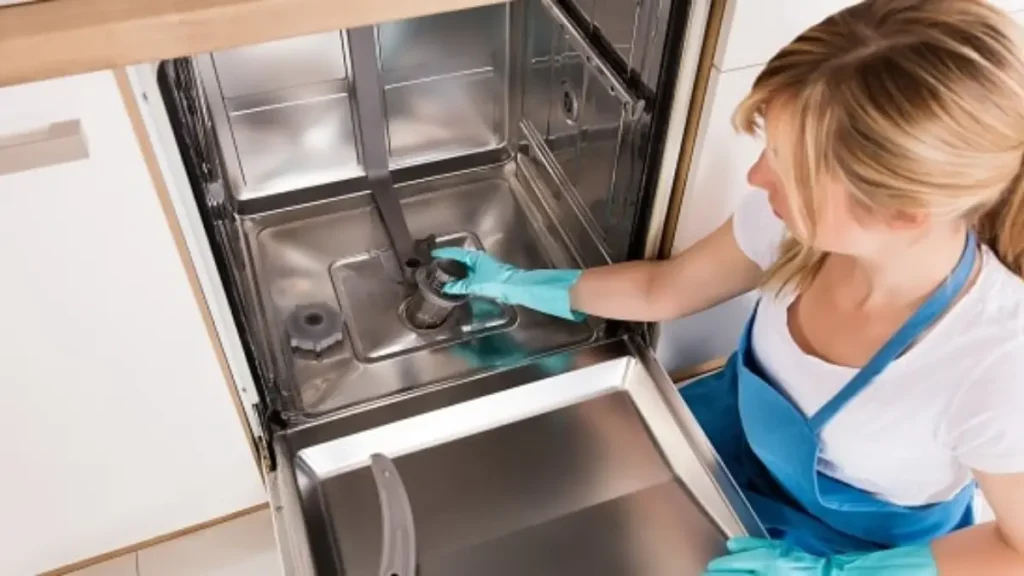
Most people think a smelly dishwasher means it’s dirty or broken. That’s not always true.
In fact, even a regularly used dishwasher can start smelling if a few small things go wrong.
Based on cleaning expert insights shared by Better Homes & Gardens, dishwasher odors usually build up slowly. You don’t notice them at first. A little food here, some moisture there, and suddenly the smell becomes impossible to ignore.
The real issue is that a dishwasher isn’t a sealed, self-cleaning box like many assume. Food bits, grease, minerals from water, and moisture all get trapped in places you rarely check—filters, drains, rubber seals, and spray arms.
BHG points out that these smells aren’t random. They usually come from three repeat problem areas, which is good news—because repeat problems have repeat solutions.
Once you understand which source is causing the smell, you can fix it properly instead of guessing.
Cause #1 — Food Residue Buildup (The Most Common Reason)
This is the biggest culprit I see—and the one most people underestimate.
Even after a wash cycle, tiny food particles often stay behind. They collect in the filter, stick inside spray arms, or settle at the bottom of the dishwasher. Over time, that food starts to break down.
And yes, it literally rots.
If you don’t run your dishwasher daily and let dirty plates sit inside for a few days, the smell gets worse. The dishwasher turns into a closed container for old food, not a cleaning machine.
Cleaning experts consistently agree on this point: food debris is the number-one cause of dishwasher odors. Pre-rinsing helps, but it’s not enough if the filter itself is dirty.
If your dishwasher smells sour or like spoiled leftovers, this is almost always the reason.
Practical takeaway: If the smell shows up right when you open the door—and feels food-related—check the filter before trying anything else.
Cause #2 — Standing Water and Drain Issues
If the smell reminds you of sewage, dirty water, or something “swampy,” food residue may not be the real issue.
Standing water is.
When drains clog or water doesn’t fully exit the dishwasher, that leftover water just sits there. Bacteria love stagnant water, and once they grow, the smell spreads fast.
This can happen because of:
- A clogged dishwasher drain
- A blocked garbage disposal connected to it
- Improper drainage setup
- Mineral buildup from hard water
Hard water makes things worse by leaving deposits inside pipes and drains. Those deposits trap grime and reduce water flow, which leads to—you guessed it—more standing water.
If the smell lingers even after cleaning, or you notice water pooling at the bottom, drainage is likely the real problem.
Drain-related smells are tricky because they often come back even after cleaning. I regularly share short maintenance reminders and real-life fixes for issues like this that people usually miss.
Practical takeaway: If your dishwasher smells worse after a wash cycle, not better, standing water is a strong possibility.
Cause #3 — Mold, Mildew, or an Aging Dishwasher
Sometimes the smell isn’t sharp or rotten—it’s musty. Like damp clothes left too long.
That’s usually mold or mildew.
Dishwashers stay warm and moist, which is perfect for mold growth. Rubber door seals, corners, and hidden crevices are common problem areas. Even a clean-looking dishwasher can hide mold where you don’t normally wipe.
There’s also a point many articles avoid mentioning: old dishwashers smell more because worn parts stop cleaning effectively. Over time, hoses, seals, and internal components degrade. No amount of vinegar can fully fix that.
If your dishwasher is many years old and smells no matter what you do, the issue may not be maintenance—it may be age.
Practical takeaway: A constant musty smell that keeps coming back can be a sign it’s time to replace parts—or the appliance itself.
How to Get Rid of Dishwasher Odors?
Here’s the honest truth: most dishwasher smells are fixable without replacing the machine.
Start simple.
Remove food debris regularly. Clean the filter, not just the interior walls. Make sure water drains completely after each cycle. Let the door stay open for a bit so moisture can escape.
For deeper cleaning, natural solutions work well when used correctly. Running a hot cycle with vinegar and baking soda helps break down bacteria and mineral buildup. Lemon juice on a hot cycle can also cut grease and leave a fresh scent.
Most importantly, make cleaning a habit—not a reaction. Monthly maintenance prevents smells far better than emergency fixes.
Regular deep cleaning doesn’t just remove smells—it also helps reduce germs that spread illness, something I’ve covered in detail in this guide.
Before we move on, quick question for you: What does your dishwasher smell like—old food, dirty water, or damp mold?
How to Keep Your Dishwasher Smelling Fresh Long-Term?
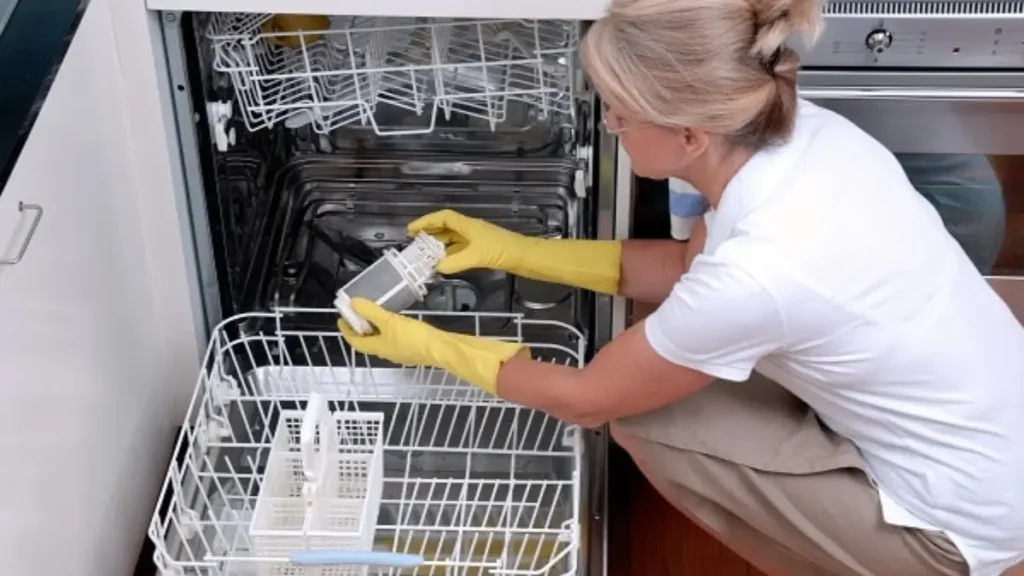
Once the smell is gone, the real goal is making sure it doesn’t come back. This is where most people slip—they fix the odor once and forget about prevention.
From my experience, dishwasher smells return when moisture and food are allowed to build up quietly over time. You don’t need fancy cleaners or complicated routines. A few consistent habits make a big difference.
Scrape food off dishes before loading them. You don’t have to make them spotless—just remove the chunks that end up rotting later.
Clean the dishwasher filter at least once a month. This single step prevents most odor complaints.
After a cycle finishes, crack the door open for a few minutes. Letting steam escape helps dry out the inside and slows down mold growth.
Also, don’t ignore how you load the dishwasher. Heavier items belong on the bottom and should be angled so water drains properly. Poor loading traps water—and trapped water leads to smells.
If you deal with hard water, running a cleaning cycle once a month isn’t optional. Mineral buildup is slow, but once it starts, odors follow.
Think of this like brushing your teeth. Skip it for a while, and problems show up fast.
Just be careful with viral cleaning hacks—some do more harm than good, similar to the risky couch-cleaning trends experts warn against.
Why Dishwasher Odors Are More Than Just an Annoyance?
A bad-smelling dishwasher isn’t just unpleasant—it can affect how clean your dishes actually are.
Odors often signal bacteria, mold, or trapped grime. When that buildup stays inside the machine, it can transfer back onto plates, glasses, and utensils. That defeats the whole purpose of using a dishwasher in the first place.
I’ve noticed many people tolerate the smell longer than they should, thinking it’s harmless. But if the odor keeps returning despite cleaning, it’s a sign something deeper is wrong—like drainage issues or aging parts.
Paying attention early saves you time, money, and frustration later.
Now I’m curious— when did you first notice the smell in your dishwasher, and has it been getting worse over time?
Dishwashers aren’t the only places people overlook—many hidden areas in the home quietly collect grime, just like the rooms most people forget to vacuum properly.
When You Should Stop DIY and Call a Professional?
Most dishwasher smells can be fixed at home—but not all of them should be.
If you’ve cleaned the filter, checked for standing water, run hot cycles, and the smell still comes back, that’s a red flag. Persistent sewage-like odors, water backing up into the sink, or a smell spreading beyond the dishwasher usually point to a plumbing issue, not a cleaning one.
Another sign is age. If your dishwasher is over 8–10 years old and nothing seems to work, worn hoses, seals, or internal parts may be the real problem. At that stage, repeated DIY fixes often cost more time and money than they’re worth.
I always tell people this:
If the smell makes you question whether your dishes are truly clean—or if it’s getting worse instead of better—it’s time to bring in a plumber or appliance technician.
Catching the issue early can prevent bigger repairs, water damage, or having to replace the entire unit unexpectedly.
Let me ask you this: Have you already tried cleaning and maintenance, or does the smell feel like it’s coming from somewhere deeper?
If you like practical, no-nonsense home care advice like this, I share quick tips and real-world fixes regularly on X and Facebook.
That’s where I usually post things that don’t make it into full articles.
Disclaimer: This article is for general information only and does not replace professional appliance or plumbing advice. If your dishwasher has persistent odors, drainage issues, or signs of damage, consult a qualified technician. Always follow the manufacturer’s guidelines before attempting repairs or deep cleaning.