3 Simple Hacks to Cut Your Heating Costs This Winter
I don’t know about you, but when the last winter storm hit, I watched my heating bill climb faster than the snow piled up outside. Millions of homeowners across the U.S. were doing the same—cranking thermostats, running space heaters, and hoping their furnaces could keep up. The problem is, spikes in natural gas and electricity prices mean those simple comforts come at a real cost.
Before you panic about what this winter will do to your wallet, there’s good news: you don’t have to sacrifice warmth or comfort. I’ve learned that small, practical changes can make a noticeable dent in your bills, even when the weather is at its harshest. By understanding how your home loses heat, tweaking everyday habits, and making a few smart investments, you can take control—and actually feel the difference on your next statement.
In the next few minutes, I’ll walk you through three easy ways you can slash your heating bills this winter. These aren’t complicated tricks or expensive overhauls—they’re actionable strategies you can start using right now, and each one is backed by real data and expert advice.
Way #1: Understand & Optimize Your Energy Usage
Before you start slashing your heating bills, the first step is simple: understand how much energy your home actually uses. I’ve seen too many people chase savings blindly, only to discover they were throwing effort at the wrong things. If you know your baseline, every tweak you make will have real impact.
Track usage, not just dollars
When I check my bills, I focus on kWh for electricity and CCF for natural gas, not the dollar amount. Why? Because the total cost can fluctuate due to rate hikes, taxes, or fees. What really matters is how much energy your home is consuming.
A tip I picked up from David Watkins, a heating and cooling expert in Ohio, is simple: ignore the dollars and track the fuel itself. Once you know what “normal” looks like, you’ll see which adjustments actually reduce consumption.
Consider a home energy audit
If you want a deeper look at where your heat—and money—are escaping, a home energy audit is worth considering. You’ve got options:
- Professional audits: Can cost $800–$2,000, but identify major leaks and efficiency issues
- Discounted or free audits: Many utilities offer them, so it’s worth asking
- DIY checks: Look at your smart thermostat data, inspect insulation, or even check for drafts around windows and doors
For practical, step-by-step advice on identifying and fixing energy losses, I always turn to Energy Saver’s winter tips, a trusted guide from the U.S. Department of Energy.
Small behavioral tweaks that add up
Once you know your baseline, small changes around the house can make a real difference. I do these every winter:
- Adjust the thermostat to 60–65°F while sleeping or when you’re away
- Open curtains during the day to let the sun naturally warm your space, and close them at night to keep heat in
- Close vents or doors in rooms you’re not using to avoid wasting energy
These tweaks might seem minor, but combined, they can lower your energy usage noticeably—sometimes by 10–15%—without costing a dime.
Way #2: Seal Leaks & Improve Home Efficiency
If you really want to see long-term savings on your heating bills, the single biggest step is stopping heat from escaping. I’ve noticed that even small leaks around doors, windows, or outlets can quietly drain your energy—and your wallet.
Identify common air leaks
The usual suspects are easy to spot if you take a closer look:
- Windows and sliding doors that don’t close tightly—if you want a budget-friendly way to reduce heat loss, wrapping them with plastic can be surprisingly effective. Learn how plastic window wrap really works.
- Chimneys or fireplace dampers
- Electrical outlets and switch plates
Knowing where your home is leaking heat is the first step to making effective changes.
Quick DIY fixes
You don’t need to spend thousands to see results. Here’s what I do every winter:
- Apply weatherstripping or caulk to doors and windows
- Install door draft stoppers
- Add pipe insulation where pipes run through unheated spaces
- Replace HVAC filters monthly to keep the system efficient
- Upgrade to a smart thermostat to better control heating, and if you’re curious about whether smart home devices end up using more electricity than they save, check out how smart home devices affect energy usage.
Even a few small fixes like these can immediately reduce your energy waste and make your home feel warmer.
Larger improvements with ROI
For bigger, longer-term savings, consider:
- Attic insulation: usually pays for itself in 2–4 years
- Storm windows or enhanced ductwork sealing
- Check with your local utility company for rebates and incentives that can offset some of the costs
For example, Constellation Energy provides a detailed guide on winter energy-saving tips that explains which improvements give the best returns.
These upgrades not only save money, but they also make your home consistently more comfortable.
Way #3: Smart Behavioral Habits & System Maintenance
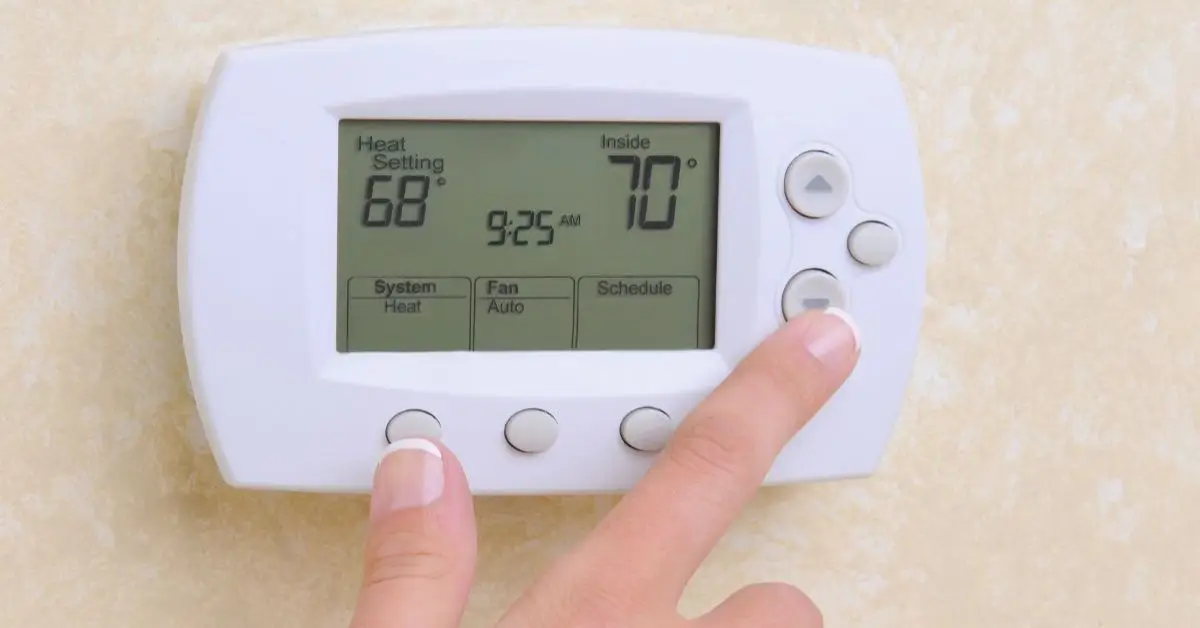
Cutting bills isn’t just about fixing leaks—it’s also about how you use your home and maintain your system. I’ve learned that small, consistent habits plus regular maintenance prevent those unpleasant bill spikes.
Thermostat & heating strategies
- Lower the temperature at night or when you’re away, then reheat efficiently in the morning
- Use zone heating to focus warmth only on rooms you’re using
- Run ceiling fans clockwise to push warm air down from the ceiling
Routine maintenance
Some maintenance tasks are easy to handle yourself:
- Replace filters regularly
- Rinse outdoor A/C coils gently
- Change humidifier pads
Other tasks are worth leaving to a professional:
- Annual HVAC tuneups (~$100)
- Furnace inspection
- Duct sealing for maximum efficiency
Everyday hacks
Small lifestyle changes make a difference too:
- Dress warmer indoors and use rugs on cold floors
- Lower water heater temperature slightly
- Unplug idle electronics—those “energy vampires” silently drain electricity, and small energy savings add up in every corner of your home. For example, cleaning refrigerator coils is a simple trick that can help cut power use.
Even these simple actions, when combined with leak fixes and smart thermostat use, can add up to real savings over the season.
Combined Savings & Checklist
By now, you’ve seen three ways to cut your heating bills: understanding your energy usage, sealing leaks and improving efficiency, and practicing smart habits with regular maintenance. The question is: which actions give you the most bang for your buck? I like to break it down so I can prioritize what to tackle first.
Quick comparison
Here’s how I see it:
- Behavioral tweaks (thermostat adjustments, closing vents, opening/closing curtains)
- Cost: $0–$20
- Savings: 5–15% of winter heating bills
- Small DIY improvements (draft stoppers, weatherstripping, pipe insulation, HVAC filter changes)
- Cost: $50–$200
- Savings: 10–20%
- Major upgrades (attic insulation, storm windows, duct sealing, smart thermostats)
- Cost: $500–$2,500+
- Savings: 20–40% over time, payback in 2–4 years
Seeing it laid out like this makes it easier to tackle the low-effort, high-impact steps first, then work your way up to bigger investments.
Printable checklist
Here’s a simple checklist I follow every winter:
- Track your energy usage (kWh and CCF)
- Adjust thermostat settings for sleep and away periods
- Close vents/doors in unused rooms
- Open curtains during the day, close at night
- Seal air leaks around windows, doors, and outlets
- Replace HVAC filters monthly
- Consider larger upgrades if budget allows: attic insulation, storm windows, duct sealing
- Schedule professional HVAC tuneup
For practical, actionable guidance on reducing winter heating bills, I often turn to Experian’s winter energy savings tips, which give real-world examples and estimated savings.
If you follow this checklist, even small tweaks alone can noticeably reduce your heating bills this winter. And combining behavioral changes with a few DIY fixes or a smart upgrade can lock in long-term savings—without ever feeling like you’re freezing to save money.
Final Thoughts
At the end of the day, you can’t control when the next winter storm hits, but you can control how much it costs you. I’ve seen firsthand how small, intentional steps—tracking energy usage, sealing leaks, and adjusting daily habits—add up to real savings on your heating bills.
The benefits go beyond money. A well-maintained, energy-efficient home feels warmer and more comfortable, month after month. It even boosts your home’s resale value, making every improvement an investment, not just an expense.
I’d love to hear from you: which of these strategies are you planning to try first? Or maybe you have your own tricks for keeping your heating bills in check—share them in the comments below.
And if you want even more hands-on, practical guidance for improving your home efficiently, visit us at Build Like New. We cover everything from energy-saving upgrades to smart DIY improvements that actually work in real homes.
Disclaimer: The tips and strategies in this article are for informational purposes only. Results may vary depending on your home, energy usage, and local conditions. Always follow safety guidelines and consult a professional for major upgrades or maintenance.