Is Your Freezer Over-Freezing? 3 Warning Signs and Easy Fixes
I’ve seen this mistake more times than I can count—people assume a colder freezer is always a better freezer. I used to think the same way. Set it low, forget about it, and trust that frozen means safe. But when food starts tasting off, ice builds up overnight, or ice cream turns into a brick, that’s when I know something isn’t right.
Here’s the truth most people miss: a freezer that’s too cold can cause just as many problems as one that isn’t cold enough. It can ruin food texture, dry out meat, waste energy, and quietly shorten the life of the appliance. And the worst part? Most people don’t realize what’s happening until they’ve already thrown food away.
If you’re here, you’re probably noticing small signs—extra frost, strange food texture, or temperatures that just feel off. That’s exactly what this guide is for. I’ll walk you through the most common signs your freezer is too cold, why they happen, and how to fix them fast without guessing or overcorrecting.
Before we get into the fixes, let me ask you this: what’s the one thing your freezer is doing right now that made you stop and look this up?
How a Freezer Actually Works (So the Signs Make Sense)
Before you can spot a real problem, you need a basic idea of what your freezer is supposed to do. I’m not talking about technical diagrams—just enough clarity so you don’t misread symptoms.
Your freezer doesn’t run cold all the time. It works in cycles, and that’s where most confusion starts.
Here’s how I explain it in real life terms:
- The temperature control (thermostat) acts like a switch. You set a target temperature, and the freezer turns cooling on and off to stay near it. If that control is even slightly off, the freezer can keep running longer than needed.
- Airflow does the real work. Cold air moves through vents to cool everything evenly. In fridge-freezer combo units, this airflow also affects the fridge section.
- The defrost system keeps frost in check. Most modern freezers auto-defrost on a schedule. If that cycle doesn’t work properly, ice starts building up quietly.
Appliance brands like Kitchen Aid explain that blocked vents or disrupted airflow are one of the most common reasons freezers run colder than intended, especially in packed or poorly organized units.
Once you understand this, the first warning sign becomes very hard to ignore.
Sign #1: Excessive Frost, Ice on Walls, or Ice Crystals on Food

This is usually the first thing people notice—and the easiest one to brush off.
A light frost layer is normal over time. But when you start seeing thick white ice on the walls, vents, or food boxes, that’s not normal wear. That’s a signal.
Here’s how I tell people to judge it quickly:
What’s normal
- Thin frost
- Takes months to appear
- Mostly near the door edges
What’s a problem
- Frost building up fast
- Ice covering walls or vents
- Ice crystals forming inside sealed food packages
Those ice crystals matter. That’s not just moisture in the air. It usually means the freezer is colder than it should be, or cold air isn’t circulating properly.
Why you should care:
- Food dries out faster
- Texture and taste get ruined
- The freezer works harder and wastes electricity
What you can fix right now
- Defrost if frost isn’t thin anymore. If ice feels thick or crunchy, a proper defrost can reset things.
- Reorganize the freezer. Don’t press food against the back wall or vents. Air needs room to move.
- Check the door seal. If the gasket feels dirty, loose, or cracked, warm air leaks in and turns into frost.
I see this all the time: people blame the freezer itself, when it’s really blocked airflow or a bad seal causing the problem.
Take a quick look inside your freezer right now—where do you see frost forming first?
Sign #2: Food Showing Freezer Burn and Texture Damage
This one hits a nerve. I don’t know anyone who enjoys opening the freezer and finding dry, gray meat or ice cream that’s gone grainy. When you see freezer burn, it’s not just about age—it’s often a temperature problem.
Here’s what’s really happening. When a freezer runs too cold or the temperature swings more than it should, moisture gets pulled out of food. That moisture freezes on the surface or inside the packaging, leaving food dry, tough, and bland. Extreme cold speeds this up instead of preventing it.
You’ll notice it most on:
- Meat and poultry (dry edges, gray spots)
- Ice cream (icy, gritty texture)
- Packaged meals (ice crystals inside sealed boxes)
Why this matters to you: freezer burn isn’t just cosmetic. It changes texture permanently, and once it happens, you can’t fix it.
What I recommend doing right away
- Check the real temperature. Built-in dials aren’t always accurate. A simple freezer thermometer tells you what’s actually happening.
- Wrap food better before freezing. Air exposure makes moisture loss worse, especially in an over-cold freezer.
- Nudge the thermostat, don’t crank it. Bring it slowly back toward 0°F and give it a full day before adjusting again.
For peace of mind, I always point people to official food safety guidance. The US Food Safety and Inspection Service (USDA) confirms that 0°F is the ideal balance for food safety without damaging texture.
If your food keeps burning even when it’s well wrapped, that’s usually a sign the freezer is colder than it needs to be.
Sign #3: Ice Cream Rock-Hard or the Fridge Section Getting Too Cold

This is where people start doubting their appliance.
If your ice cream is so hard you need to leave it out before scooping, or liquids in the fridge section are starting to freeze, that’s not normal behavior. That’s overcooling—and it usually points to airflow or control issues.
I see this pattern a lot:
- Ice cream turns brick-solid
- Milk or produce in the fridge gets icy
- Freezer feels unevenly cold depending on shelf
What’s happening is cold air isn’t staying where it should. Instead of cycling evenly, it’s pushing too aggressively—sometimes spilling into the fridge compartment.
What you should check
- Thermostat setting. If it’s set lower than needed, the system won’t shut off often enough.
- Door seal and alignment. Even a slightly loose gasket can throw off internal balance.
- Vent blockage. Food pressed against vents forces cold air into the wrong places.
This is one of those signs people ignore because “everything is still cold.” But when cold turns extreme, it stops protecting food and starts damaging it.
Quick question for you: is your ice cream harder than usual, or have you noticed drinks or produce freezing in the fridge section lately?
Quick DIY Temperature Check (A Simple Test I Trust)
Before you change settings or blame the freezer, I always suggest one thing: verify the real temperature. Built-in dials and digital displays are often off by a few degrees, and those few degrees make all the difference.
Here’s how you can check it yourself without tools or guesswork.
What actually works
- Use an independent freezer thermometer. Place it in the center of the freezer, not near the walls or vents. Leave it there for at least 8–12 hours.
- Try the water test. Put a small cup of water in the freezer.
- Fully frozen solid very fast → likely too cold
- Frozen evenly in several hours → usually normal
- Give changes time. After adjusting the thermostat, wait a full 24 hours before judging results. Constant tweaking makes readings unreliable.
I like referencing food experts here because they focus on balance, not extremes. Simply Recipes explains that 0°F is the sweet spot—cold enough for safety, but not so cold that it damages food or wastes energy.
If your thermometer consistently reads well below that, you’ve found the root of the problem.
Common Causes Most People Miss (Beyond the Settings)
This is where many articles stop short. In real homes, the issue often isn’t the dial—it’s what’s happening around it.
Here are the causes I see most often when temperature adjustments don’t fix the issue:
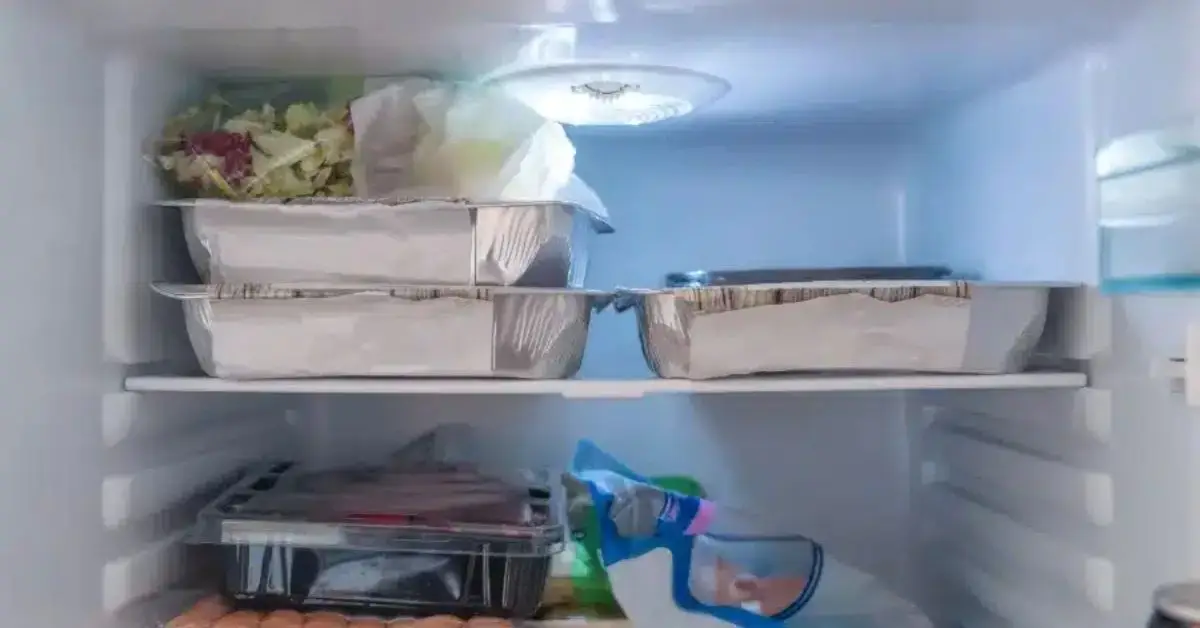
- Blocked airflow. Overpacked shelves or food pushed against vents force cold air to stay trapped.
- Faulty thermostat or sensor. If readings don’t change no matter what you adjust, this is a strong possibility.
- Dirty condenser coils or defrost issues. These make the system work harder and colder than needed.
- Bigger system problems. Compressor or control board issues usually show up as extreme or uneven cooling.
What you can safely try yourself
- Reorganize food to clear vents
- Clean visible dust from coils
- Check door seals and alignment
Cleanliness also plays a bigger role than most people realize—food residue and lingering odors can weaken seals over time, which is why using one kitchen staple that keeps your fridge clean and odor-free is such a simple but effective preventive habit.
When I recommend calling a professional
- Temperature won’t stabilize after 48 hours
- Freezer runs constantly
- Fridge section starts freezing food
Knowing when to stop DIY saves time, money, and food.
Why an Over-Cold Freezer Costs You More Than You Think
Most people only think about spoiled food. But running a freezer too cold has long-term costs.
Here’s what I’ve seen over time:
- Higher electricity bills from longer run cycles
- Faster wear on the compressor and internal parts. If your freezer seems to be running longer than it should, dirty coils are often part of the problem—these quick steps to clean your refrigerator coils and lower your power bill can help restore efficiency and reduce unnecessary strain.
- Shorter appliance lifespan overall
A freezer that’s slightly too cold today often becomes a freezer that fails early tomorrow.
Simple habits that actually help
- Check door gaskets every few months
- Clean condenser coils at least once a year
- Defrost when frost stops being thin
- Avoid setting temps lower “just in case”
If your freezer could talk, it wouldn’t ask to be colder—it would ask to be balanced.
Out of curiosity, when was the last time you actually checked your freezer’s real temperature instead of trusting the dial?
Consumer Tips for Maintaining the Right Freezer Balance
Reader’s Digest
Once your freezer is back on track, the goal is keeping it there. I’ve noticed that most problems come back not because the appliance fails—but because small habits slip over time.
Here’s what actually helps in real homes.
Temperature balance that works
- Aim for around 0°F for most frozen foods
- Meat and seafood hold best at steady temps, not extreme cold
- Ice cream should be firm but scoopable—not rock solid
Pack smart, not tight
- Leave space around vents so air can circulate
- Avoid pressing boxes against the back wall
- Group similar items together so cold air moves evenly
One mistake I see often is overloading the freezer door with items that don’t belong there, which throws off airflow and temperature balance—if you’re unsure, this breakdown on foods you should never store on the freezer door explains why placement matters more than people think.
Adjust with the seasons
- In summer, check temps more often—heat makes freezers work harder
- During holidays, overloaded freezers need airflow even more
- After big grocery loads, give the freezer 24 hours to stabilize
Organize for even cooling
- Heavier items on lower shelves
- Everyday items in the middle where temps are most stable
- Avoid stuffing door bins—they warm up fastest
These habits don’t take long, but they prevent most “mystery” freezer issues before they start.
Mistakes I See People Make Over and Over
This is where a lot of otherwise good advice goes wrong.
Here are the biggest traps to avoid:
- Turning the dial lower thinking colder is safer: Too cold doesn’t protect food—it dries it out and stresses the system.
- Ignoring an aging door gasket: A weak seal lets warm air sneak in, causing frost and temp swings.
- Never double-checking the real temperature: Built-in controls drift over time. Without a thermometer, you’re guessing.
Most freezer problems aren’t sudden. They’re slow, quiet, and easy to miss.
Wrap-Up: What I’d Do First If This Were My Freezer
If you remember nothing else, remember this:
- Frost buildup, freezer burn, and rock-hard ice cream are warning signs
- Extreme cold causes damage just like weak cooling does
- Small adjustments now save food, energy, and repairs later
If I were standing in your kitchen right now, these would be my first three moves:
- Check the actual temperature with a thermometer
- Clear vents and reorganize for airflow
- Bring the setting back toward balance—not extremes
If this helped, I’d love to hear what your freezer has been doing lately. Drop a comment below and tell me which sign you noticed first.
And if you want more practical home and appliance guidance like this, visit Build Like New—that’s where I break things down the same way, without guesswork or fluff.
Disclaimer: This information is for general guidance only and doesn’t replace professional appliance diagnosis or repair. Freezer models and issues can vary, so always follow your manufacturer’s instructions and contact a qualified technician if problems persist.