4 Home-Safe Roach Repellents Recommended by Bug Specialists
I’ve spent years studying how roaches behave, and let me tell you—these little creatures are smarter than we often give them credit for. You might have tried sprays, traps, or even those so-called “natural” hacks you read online, only to find the problem comes back stronger. That’s because most advice out there either ignores what entomologists actually know about cockroach behavior or focuses on quick fixes that don’t work long-term.
In this article, I’m going to walk you through four methods that real experts recommend—methods that are natural, effective, and backed by science. I’ll show you how to outsmart roaches, keep your home safe, and actually see results without relying on harsh chemicals. By the end, you’ll have practical steps you can take today, and a clear plan to keep these unwelcome guests from ever coming back. If you want even more ways to keep your home roach-free without chemicals, check out 10 DIY Methods for Roach-Free Living.
How Entomologists Evaluate “Natural Repellents” — What Works vs What Doesn’t
When I first started looking into natural roach repellents, I was surprised at how many articles just recycle the same old tips—vinegar here, cucumber peels there—without any real evidence. I’ve learned that not all “natural” methods are actually effective, and the difference comes down to how entomologists evaluate them. Let me break it down for you so you can make choices that actually work.
What Makes a Repellent “Entomologist‑Approved”?
For a method to earn the stamp of an entomologist, it has to do more than smell nice or seem harmless. Here’s what I pay attention to:
- Behavior disruption: Does it make roaches avoid treated areas consistently, or just for a few minutes?
- Mortality impact: Will it actually reduce roach numbers, or simply annoy them?
- Longevity of effect: Some sprays lose potency in hours; experts prefer solutions that last days or weeks.
- Safety and practicality: It should be non-toxic to humans and pets while easy to apply in real homes.
Thinking this way helps me separate gimmicks from methods that truly change roach behavior over time.
Common Misconceptions About Natural Methods
I know how tempting it is to grab the vinegar and sprinkle it around the kitchen. I’ve been there myself. But here’s the reality: vinegar may repel roaches temporarily, but it doesn’t kill them or stop an infestation long-term. In fact, relying on it alone can give a false sense of security.
Some other myths I often see:
- Cucumber peels will clear roaches: Only mildly repellent, not a population control method.
- Borax-free “natural powders” are enough: Without proper baiting, roaches ignore them.
- Essential oils alone eliminate infestations: They can repel, but without cleaning and barrier strategies, roaches return.
If you want a more scientific perspective on these claims, the Environmental Literacy Council has a clear breakdown of which home remedies actually affect roach behavior.
By understanding these evaluation criteria, you and I can focus on methods that are both natural and genuinely effective, instead of wasting time on myths.
Method #1 — Diatomaceous Earth (DE): The Insect Physiology‑Based Approach
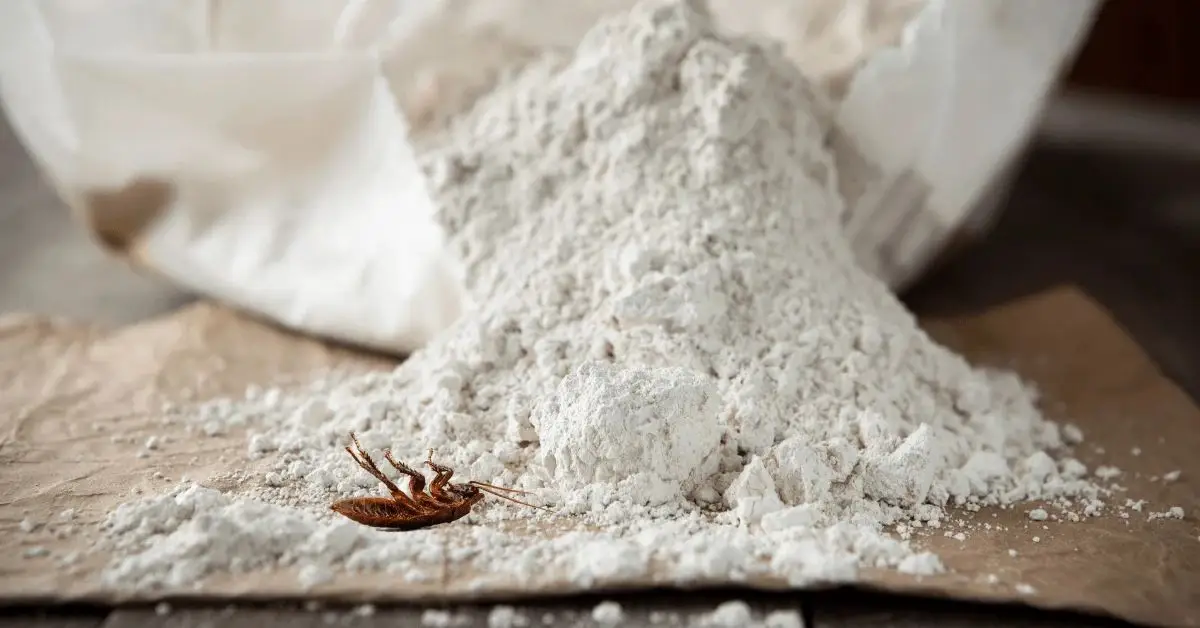
When I first tried Diatomaceous Earth, I was skeptical—it’s just a powder, right? But here’s the science behind it: DE physically damages a roach’s exoskeleton, causing them to dehydrate. That’s why entomologists often recommend it as a safe, natural control method.
Here’s how I use it effectively:
- Food-grade only: Never use pool-grade DE—it’s toxic.
- Targeted application: Sprinkle in cracks, behind appliances, and along baseboards, where roaches travel.
- Reapply after cleaning: Vacuuming or spills remove it, so reapplication is key.
What I’ve learned from experts: DE works slowly. It doesn’t kill eggs, so patience is essential. But when combined with other methods, it significantly reduces populations. For a detailed guide, The Spruce explains application tips and limitations well.
Method #2 — Botanical Repellent Sprays (Essential Oils) with Entomological Evidence
Essential oils are a favorite “natural” tip online, but I’ve found that without evidence, they’re hit or miss. Studies show that peppermint, eucalyptus, citrus, and some other oils disrupt roach behavior—they avoid areas sprayed with these scents.
Here’s how I make them work:
- Use concentrated sprays: Dilute essential oils in water or alcohol for effective coverage.
- Spray entry points and edges: Focus on cracks, cabinets, and corners.
- Reapply regularly: Oils lose potency within a day or two.
- Safety first: Keep sprays away from pets and sensitive people.
Method #3 — Boric Acid/Borax Baits: Natural Kill With Strategy
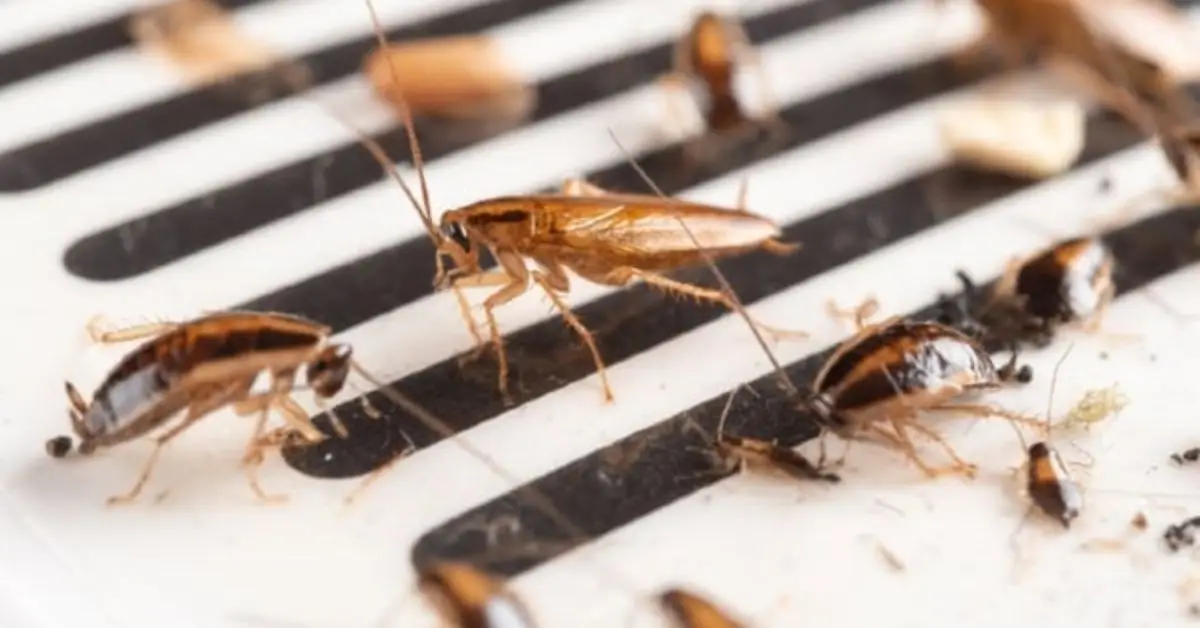
Boric acid is a naturally occurring mineral that I’ve come to trust for serious infestations. Unlike sprays that only repel, it kills roaches by disrupting metabolism and abrading their exoskeletons.
Here’s my approach:
- Make simple baits: Mix boric acid with sugar or flour to attract roaches.
- Strategic placement: Hide baits along cracks, edges, behind appliances—never on food prep surfaces.
- Combine with DE or oils: This increases long-term effectiveness.
- Safety precautions: Keep out of reach of children and pets.
Entomologists from the University of Kentucky confirm boric acid is highly effective when applied correctly and remains one of the safest mineral-based control methods.
Method #4 — Barrier & Habitat Strategies Backed by Entomology
I’ve learned that controlling roaches isn’t just about sprays or powders—it’s about making your home uninviting. Roaches thrive where there’s food, water, and shelter, so changing the environment often beats a single repellent.
1. Seal Entry Points and Remove Attractants
- Inspect cracks and gaps: Use caulk or weatherstripping to block entrances.
- Declutter and clean: Roaches hide in piles of cardboard, paper, or cluttered cabinets. Cluttered storage areas are prime hiding spots for roaches, which is why I recommend reviewing what you’re keeping in your attic.
- Remove food access: Store dry foods in airtight containers; clean crumbs and spills promptly.
2. Humidity and Moisture Control
- Fix leaks: Roaches love water, so check under sinks and pipes.
- Use dehumidifiers: Keeping humidity low reduces roach activity.
- Ventilate kitchens and bathrooms: Helps discourage breeding spots.
3. Integrating Barriers with Repellents for Long-Term Control
- Combine sprays, baits, or DE with sealed entry points.
- Treat cracks first, then use repellents along edges—they work better when roaches have fewer escape routes.
- Regularly inspect and maintain barriers for lasting results.
Common Pitfalls and When to Step Up to Professional Help
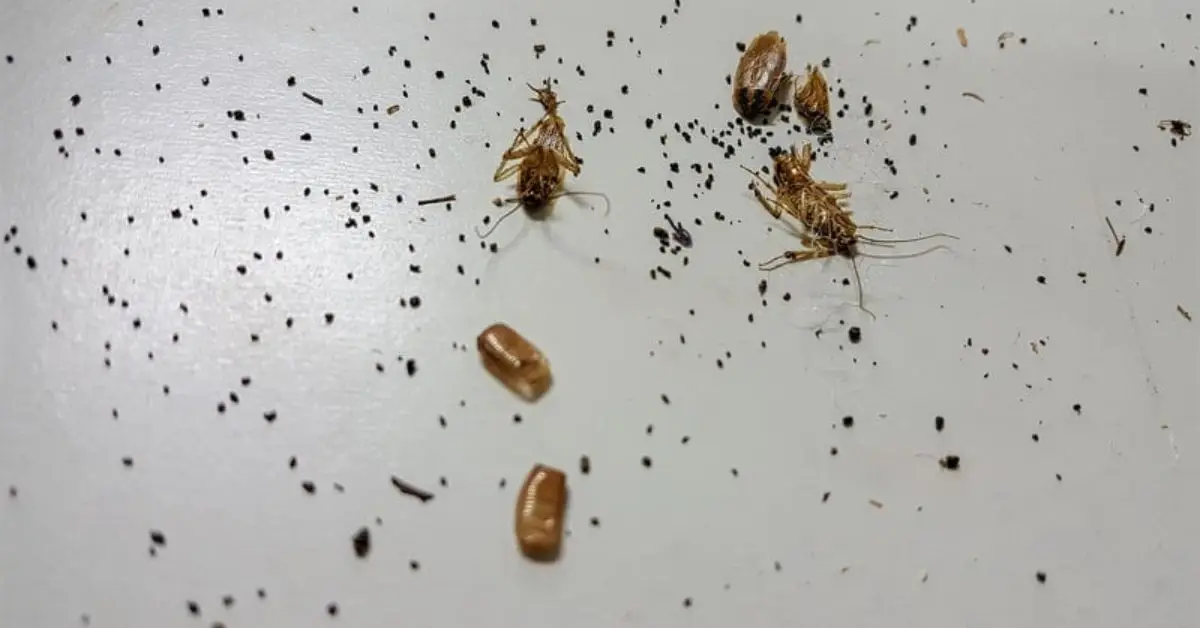
I want to be honest—natural methods work best for small to medium infestations. Severe cases need expert intervention. Here’s how I know when to call a pro:
- Signs of deep infestation: Seeing roaches during the day, droppings in multiple rooms, or eggs behind walls.
- Persistent populations: If natural methods fail after 4–6 weeks.
- Structural issues: Leaks, hidden clutter, or wall voids that are hard to treat.
Natural methods can’t always eliminate these deeper problems, so don’t waste time trying every DIY hack alone.
30‑Day Entomologist‑Approved Roach Control Checklist
I’ve put together a step-by-step plan that you can follow to stay on track:
- Week 1: Deep cleaning + sealing cracks and gaps.
- Week 2: Apply Diatomaceous Earth in hidden zones.
- Week 3: Spray essential oil repellents along edges and entry points.
- Week 4: Place boric acid baits + monitor results.
Following this sequence gives you a structured approach and keeps the process manageable instead of overwhelming. Keeping your home clean and controlling dust also reduces roach activity—here are some tips for why your home gets dustier in winter and what to do about it.
Appendix — Safety, Kids & Pets, and Effectiveness Notes
A few practical tips I always share:
- Pet safety: Only use food-grade DE, keep boric acid baits out of reach, and store essential oils safely.
- Reapplication frequency: Powders and sprays lose potency; check them every few days.
- “Natural” doesn’t mean instant: Patience and consistency matter more than one-time treatments.
Conclusion
I’ve walked you through four entomologist-approved natural methods, how to create barriers, and a simple 30-day plan that really works. The key is combining science-backed strategies with daily habits—you can’t just spray once and hope roaches disappear.
Now I want to hear from you. Which method do you plan to try first? Or maybe you’ve already tried something that worked surprisingly well? Share your experience in the comments below on Build Like New, and let’s help each other finally take control of roaches naturally.
Disclaimer: The information in this article is for educational purposes only. While these methods are supported by entomologists and research, results may vary depending on infestation severity. Always use caution with powders, oils, and baits around children and pets. For severe infestations, consult a licensed pest control professional.