4 Forgotten Home Cleaning Hacks That Actually Still Work
I’ll be honest—some of the best cleaning results I’ve seen lately didn’t come from new products at all. They came from simple habits and tricks that most of us quietly stopped using over the years. Not because they stopped working, but because we were told there was something “better” on the shelf.
As I dug deeper into how people actually clean their homes today, one thing became clear. Many popular cleaning tips are repeated again and again, but rarely explained. You’ll see vinegar, baking soda, lemons—yet no one really talks about why they still work, when they work best, or where people go wrong using them. That lack of clarity is exactly why these methods feel outdated, even though they’re not.
The truth is, these old-school cleaning hacks were built on simple logic and consistency. They solved real problems with fewer tools, less money, and a lot more common sense. That’s why people still rely on them—especially those who care about results, not marketing promises.
If you’ve ever bought a cleaner that looked impressive but didn’t fix the problem, you’re not alone. I’ve been there too. That’s what pushed me to revisit a few forgotten methods that quietly still outperform many modern solutions.
Let me ask you this before we begin—what’s one spot in your home that never feels truly clean, no matter what you try?
Why the Old Ways Still Clean Better Than You Think

I used to think old-school cleaning methods were just about nostalgia. You know—things people did because they didn’t have better options. But the more I looked into it (and tried a few myself), the more obvious it became: these methods weren’t basic, they were smart.
Long before fancy labels and scented sprays, people relied on simple science:
- Mild acids to break down grime
- Natural abrasives to scrub without damage
- Everyday solvents to lift grease and odors
That’s it. No mystery. And that’s exactly why they still work.
What surprised me most was how many people still swear by these methods today. Scroll through frugal or cleaning-focused communities and you’ll see the same pattern—people replacing store-bought cleaners with vinegar and baking soda because they’re cheaper, predictable, and actually solve the problem. Not once, but every time.
If you’re here, chances are you want the same thing:
- Cleaning that works
- No unnecessary spending
- No overcomplicated routines
That’s why revisiting these old ways makes sense—not as a trend, but as a practical reset. That said, not every old habit deserves a comeback, and some outdated cleaning routines can actually do more harm than good—this breakdown on old cleaning habits to ditch for a healthier home helped me separate what still works from what’s better left behind.
Hack #1 — White Vinegar: The OG All-Purpose Cleaner
If I had to keep just one old-school cleaning ingredient, it would be white vinegar. No contest. It’s simple, cheap, and quietly more effective than many products people buy without thinking twice.
What It Cleans Best
You’ll get the best results using vinegar on:
- Windows and mirrors (cuts streaks fast)
- Refrigerator shelves and drawers
- Stainless steel sinks and fixtures
- Hard water stains on faucets and showerheads
The reason is simple: vinegar breaks down mineral buildup and grease instead of masking it.
How to Mix It for Maximum Power
I keep it basic, because that’s what works:
- Everyday cleaner: 1 part white vinegar + 1 part warm water
- Heavy buildup: Undiluted vinegar, used sparingly
A few things I always keep in mind:
- Don’t use vinegar on natural stone like marble or granite
- Avoid mixing it with bleach—ever
- Ventilation matters, even with natural cleaners
Modern vs. Old School — Why Vinegar Still Wins
Most modern cleaners:
- Add fragrance instead of solving buildup
- Leave residue that attracts dirt again
- Cost more for repeat use
Vinegar does the opposite. That’s why it shows up in almost every serious list of cleaning methods that still work, including long-running home and lifestyle resources like She budgets, where it’s repeatedly highlighted as a cost-effective, eco-friendly staple that hasn’t been replaced—because it doesn’t need to be.
Hack #2 — Baking Soda Magic: Scrub, Deodorize, Reveal Shine
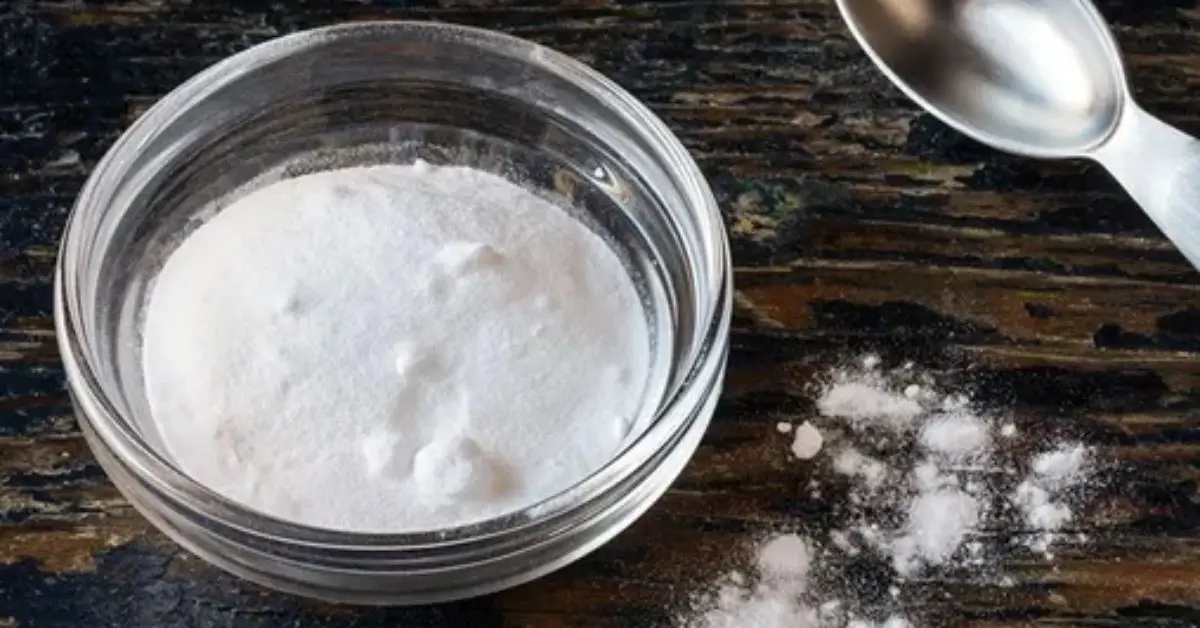
Baking soda is one of those things people own but underuse. I did too—until I realized how much ground it covers with almost zero effort.
Everyday Uses That Actually Make a Difference
You can rely on baking soda for:
- Deodorizing carpets and rugs
- Scrubbing ovens and stovetops
- Cleaning tubs and sinks without scratching
- Removing lingering smells from trash cans and shoes
It’s gentle enough to use often, but strong enough to show results fast.
Why It Works (No Guesswork Here)
Baking soda works because it:
- Absorbs odors instead of covering them
- Acts as a mild abrasive to lift grime
- Reacts with acids to loosen stuck-on messes
That balance is why it’s still recommended in real cleaning discussions, not just blog lists.
Bonus Combo Hacks I Still Use
When you pair baking soda with the right thing, it gets even better:
- Baking soda + dish soap: great for greasy surfaces
- Baking soda + vinegar: ideal for drains and deep-clean jobs (used occasionally, not daily)
People often argue about these combos online, but in real homes, they’re still getting used because they work.
Hack #3 — Newspaper & Rags: Low-Tech Tools, High-Tech Results
This is the part most modern cleaning articles rush through—and honestly, that’s a mistake. Tools matter just as much as products. I’ve learned that the hard way after wasting rolls of paper towels that did nothing but smear dirt around.
Streak-Free Windows With Newsprint
It sounds strange until you try it. Newspaper works because:
- It doesn’t leave lint behind
- The ink helps cut through grease
- It absorbs moisture better than paper towels
When I clean windows or mirrors with diluted vinegar and newspaper, I don’t have to go back for touch-ups. You wipe once, maybe twice, and you’re done. That’s it.
Reusable Rags vs. Paper Towels — Cost + Waste Benefits
Paper towels feel convenient, but they’re terrible at deep cleaning. Rags win because:
- They scrub instead of shredding
- You can wash and reuse them dozens of times
- They don’t leave fibers on surfaces
Over time, this saves real money and reduces waste. That’s why reusable rags keep coming up in practical home-care guides like the ones shared on Go2Tutors, where older household habits are often explained through efficiency, not trends.
Dusting Tips That Still Work Better
Some of the best tools aren’t tools at all:
- Old socks work perfectly as dust mitts
- Toothbrushes reach corners no vacuum attachment can
- Cotton rags trap dust instead of pushing it around
If dust keeps coming back quickly in your home, it’s usually not the cleaner—it’s the tool.
Hack #4 — Natural Acid & Household Combos You Probably Forgot
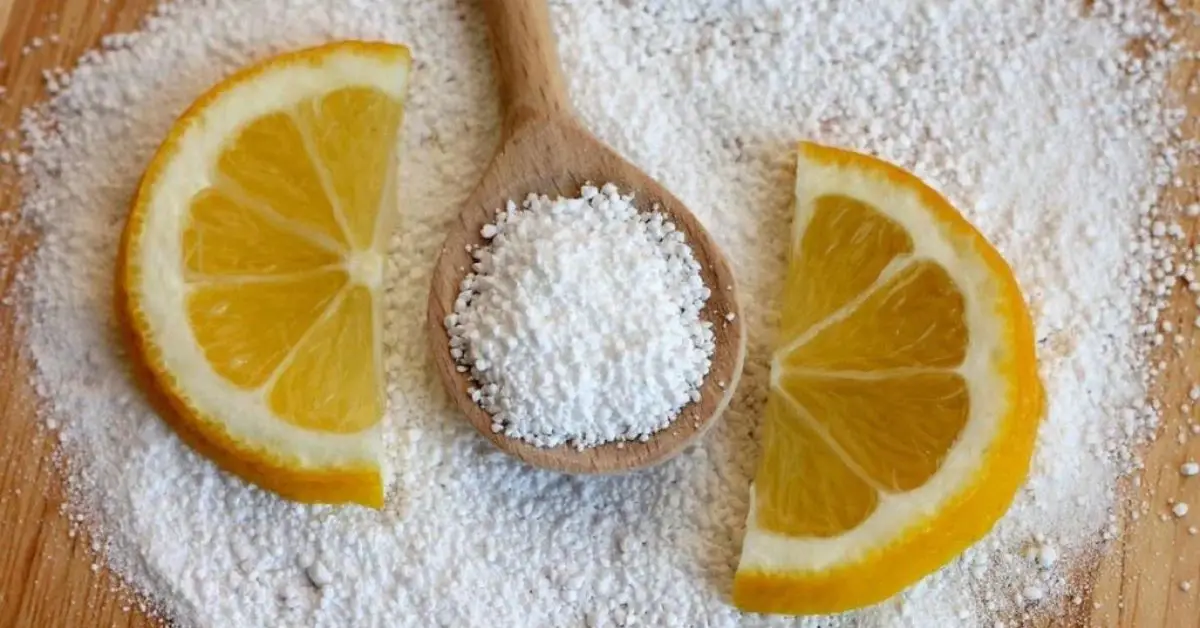
This is where old-school cleaning really shows its depth. These combinations weren’t random experiments. They were learned through repetition, results, and common sense.
Lemon + Salt for Grease and Rust
I still use this combo on:
- Cutting boards
- Rusty utensils
- Greasy stovetop spots
The acid cuts through buildup, while salt provides gentle scrubbing. No harsh smell. No residue.
Sunlight + Vinegar for Fabric Refresh
This one surprises people the most. Sunlight naturally helps break down bacteria, and vinegar neutralizes odor. Together, they’re great for:
- Musty towels
- Old curtains
- Gym clothes that won’t smell clean
It’s simple, but it works—especially when “fresh scent” products don’t.
Borax Power Boost (Used Carefully)
Borax was a staple for a reason. When used correctly, it helps with:
- Laundry deodorizing
- Deep carpet freshening
- Deterring pests in problem areas
It’s not trendy, and that’s exactly why many lists skip it. But it solved problems before specialized products existed—and in many cases, it still does.
Bonus: Hacks People Still Swear By (User-Generated Gold)
Some of the best cleaning tips aren’t polished listicles — they’re real tricks people keep using because they actually work. When I started paying attention to community conversations, a few consistently came up again and again.
Hot Water + Dish Soap Pot Trick
This is one of those you learn by doing, not reading. Add hot water and dish soap to a burnt pot, let it soak, and the grime loosens with almost zero effort. It’s a simple tactic that beats scrubbing until your hands ache.
The Soak & Scrape Method
Instead of digging at stuck-on messes immediately, many people soak first. After even a short soak, scraping becomes easier and quicker — and it saves your cookware from scratches.
Vinegar + Soap Microwave Cleaning
Microwaving a bowl of water with a splash of vinegar creates steam that loosens food splatter. Wipe once, and 90% of the mess comes off. It’s an old-school trick that, to my surprise, outperforms many specialty sprays.
Modern Safety Notes — Use the Old Ways Smartly]
Feplumbingheatingltd.co.uk
Old methods are great, but there’s one thing most modern articles gloss over — when not to use them. A recent lifestyle roundup from Southern Living highlights how these cleaning ideas are trending again, but it also reminds us to be practical about where and how they’re used.
When Not to Use Acidic Hacks
Some surfaces and appliances don’t like acids like vinegar or lemon. Natural stone and certain seals can be damaged if you’re not careful.
Ventilation & Protective Tips
Even natural cleaners can irritate skin or eyes. Open a window, and consider gloves if you have sensitive skin. Clean surfaces matter, but consistency matters even more—especially when it comes to health, which is why simple routines like the ones explained in these everyday cleaning habits that reduce cold and flu risk pair so well with old-school methods.
Mixing Cleaners — What to Avoid
Combining products can be dangerous. Never mix bleach with vinegar, and don’t assume every “natural” mix is safe for every surface.
What Cleaning Products Still Worth Keeping on Your Shelf
I’m all for old-school methods — but modern products have their place too.
Classics That Lasted
Some things have endured for a reason:
- Borax for deodorizing and laundry boosts
- Bon Ami for gentle scrubbing
- Ammonia for cutting heavy grease (used carefully)
These aren’t trendy — they’re practical.
When to Blend Old and New
Use old-school basics for everyday tasks, and bring in modern cleaners for specialized jobs. That balance often gives the best results without overspending or overcomplicating your routine.
Try These 4 Hacks This Weekend
If you don’t want to rethink your entire cleaning routine, don’t. I’d rather you test these first. One weekend is enough to see the difference.
Here’s a simple checklist you can actually follow:
- Clean one mirror or window using vinegar and newspaper
- Scrub one tough spot (sink, tub, or oven edge) with baking soda
- Swap paper towels for an old rag for one full cleaning task
- Try one combo hack (lemon + salt or steam cleaning in the microwave)
That’s it. No shopping. No new products. If you’re trying to build a more consistent routine instead of one-off fixes, combining these hacks with a few structured steps—like the approach shared in this guide on simple, repeatable cleaning methods—can make daily upkeep feel a lot more manageable.
The goal isn’t perfection—it’s noticing what works faster, cheaper, and with less effort. Once you see results, you’ll naturally keep the ones that fit your home.
Final Thoughts — Old Doesn’t Mean Outdated
After revisiting these hacks myself, one thing is clear: many “forgotten” cleaning methods didn’t disappear because they failed. They disappeared because marketing got louder.
Old-school cleaning works when:
- You understand why you’re using it
- You match the method to the surface
- You don’t overcomplicate the process
You don’t need to throw out modern products. But you also don’t need a cabinet full of them to keep your home clean.
At Build Like New, my focus is simple—helping you fix, clean, and maintain your home using methods that actually make sense. Practical ideas. No fluff. No hype.
Now I want to hear from you. Which of these hacks are you already using—and which one surprised you the most? Drop a comment and share what’s worked (or failed) in your home.
Disclaimer: The cleaning methods shared here are based on general household use and personal experience. Always test any cleaner on a small, hidden area first and follow manufacturer guidelines for your appliances and surfaces. Use proper ventilation and avoid mixing cleaning agents that may be harmful.