
4 Warning Signs Centipedes Are Taking Over Your Home
I started noticing centipedes in my house a few weeks ago, and at first, I brushed it off as a random encounter. But then they kept showing up—on the bathroom floor, near the basement door, even in the corners of my bedroom. That’s when I realized these weren’t just random visitors—they were sending me a message about my home. If you’ve been wondering why centipedes keep appearing, you’re not alone. Frequent sightings usually point to something deeper—moisture issues, hidden pests, or gaps in your home’s structure.
In this article, I’m going to walk you through the four signs centipedes keep showing up and what each one really means for your house. By the end, you’ll not only know how to handle them but also what they’re trying to tell you about your living space.
Why Centipedes Keep Appearing in Your Home — The Real Story
I remember the first time I noticed a centipede in my house—I thought it was just a random visitor. But then they started showing up again, and again, in places I wouldn’t expect—my bathroom, basement, even near my bedroom corners. That’s when I realized these weren’t just random bugs—they were sending a signal about what’s going on inside my home.
You see, centipedes aren’t like most pests that come in looking for crumbs. They’re predators, and their repeated visits usually mean there’s something in your house that’s attracting them—whether it’s hidden moisture, other insects they can feed on, or gaps in your walls and floors giving them easy access.
Here’s the key takeaway: every centipede you spot is telling you something about your home. If you ignore them, they won’t just disappear—they’ll keep coming back. But if you pay attention, you can use their presence to uncover issues you might not even know exist, from water leaks to hidden pests.
By the time we go through the four main signs, you’ll not only understand why centipedes keep appearing but also know what steps to take to make your home less inviting for them—and safer for you.
Sign #1 — You Have Hidden Moisture Problems
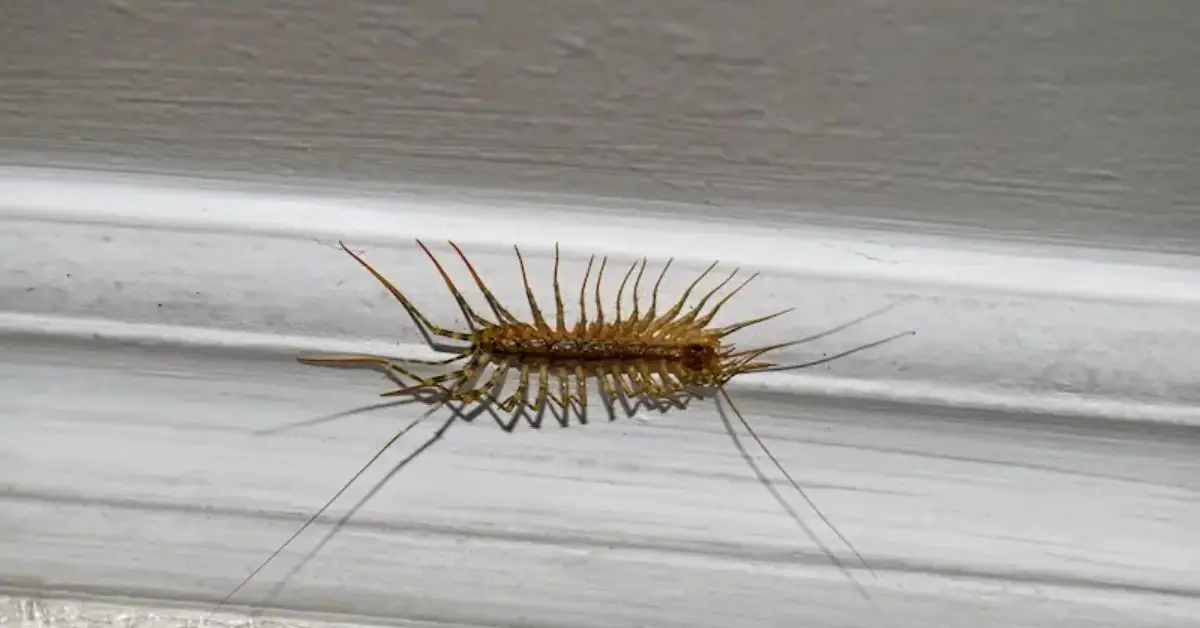
If centipedes keep appearing in your home, the first thing I always check is moisture. I learned the hard way that these little critters are like tiny weather sensors—they go where it’s damp. They need humidity to survive, so basements, bathrooms, and crawlspaces become their playground.
Here’s what I pay attention to:
- Basements and crawlspaces: Dark, damp corners are perfect hiding spots. Even a small leak behind a pipe or foundation crack can turn into a centipede hotspot.
- Bathrooms and kitchens: Areas with poor ventilation or condensation buildup attract centipedes—and not just them. Moisture invites other bugs, which brings me to the next sign.
- Leaks or poor ventilation: Hidden water damage behind walls or under sinks can create a steady damp environment that draws centipedes in. While fixing moisture and sealing entry points, I also learned that many of the same steps protect against other wood-damaging pests like termites.
What this tells me (and you) is that frequent sightings aren’t random—they’re a symptom. When I noticed them, I also discovered that improving ventilation and fixing a leaky pipe drastically reduced their visits.
For more tips on how moisture attracts centipedes and ways to control it, I like referencing expert advice from Orkin Pest Control on what attracts centipedes indoors. Their guidance is practical and easy to follow.
Sign #2 — There’s an Underlying Insect Problem Feeding Them
Once I ruled out moisture, I realized centipedes were showing up because of food. Unlike other pests, centipedes are hunters. They’re drawn to homes where cockroaches, silverfish, spiders, or other small insects are thriving. In my house, seeing centipedes in the corners meant I had insects I hadn’t even noticed—tiny intruders hiding in cracks, under furniture, and behind baseboards.
Here’s how I connect the dots:
- Centipedes hunt: They’re not just random visitors—they actively search for prey. If you see them often, something else is feeding them.
- Common prey in homes: Cockroaches, silverfish, spiders, and other small insects create a buffet that keeps centipedes coming back.
- Hidden infestations: Frequent centipede sightings can reveal pest problems you might not even realize exist.
When I first cleaned out a cluttered cabinet and treated a minor silverfish issue, the centipedes started disappearing within days. That’s why I always recommend looking beyond the centipedes themselves.
If you want a solid resource to identify what might be attracting these hunters, check out A-1 Pest Control North Carolina’s guide on centipedes. Their insights helped me understand the prey connection and take the right steps to reduce it.
Sign #3 — Your Home Has Easy Access Points
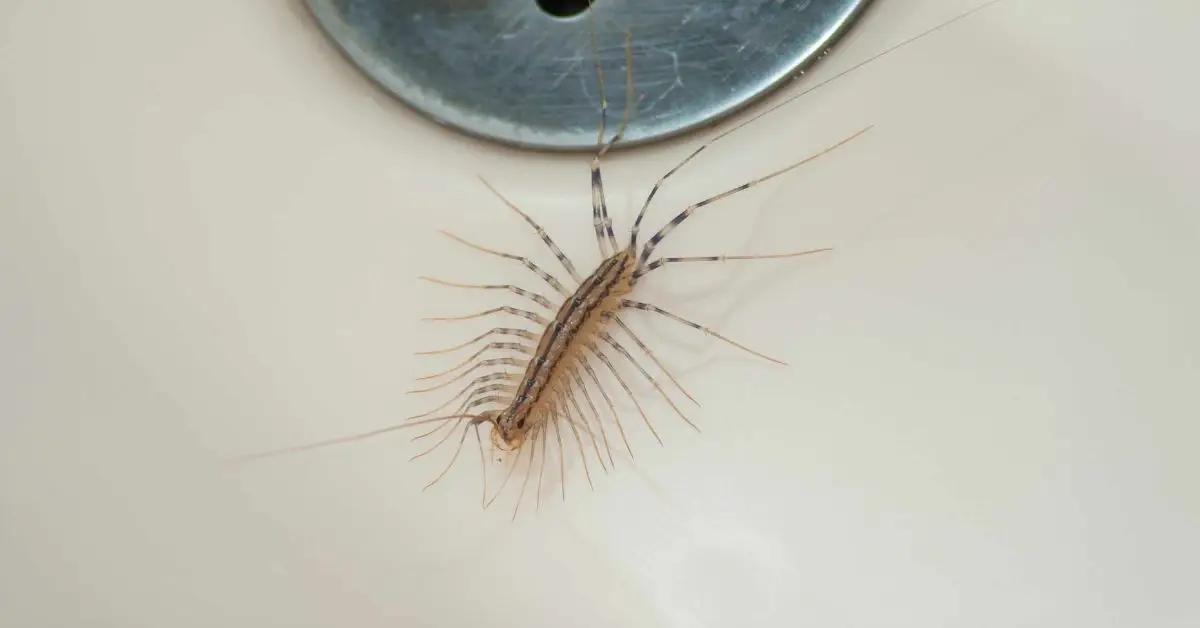
If centipedes keep showing up, one of the first things I check is how they’re getting in. I’ve learned the hard way that these little critters don’t magically appear — there’s usually an open door, crack, or gap in your home’s structure letting them slip inside.
Here’s what I focus on:
- Cracks and gaps around the foundation: Even tiny splits near the base of walls or along concrete floors are enough for centipedes to enter.
- Doors and windows that don’t seal well: Weather stripping wears down over time, and those small spaces add up.
- Unsealed vents and drains: Floor drains, crawlspace vents, and attic openings are common entry points, especially if they’re moist and dark.
- Seasonal shifts: I’ve noticed more centipede activity in colder months because they’re pushed indoors to escape the chill.
What these entry points tell me — and you — is that your home’s “envelope” might not be as tight as it needs to be. Regular centipede sightings often reveal weaknesses in your insulation and sealing, not just bug problems.
For a grounded explanation of why centipedes appear inside homes and what attracts them, I often refer to The Spruce’s article on why centipedes keep showing up in your house — it’s hands‑on and practical.
Sign #4 — You Have Poor House Hygiene or Clutter Zones
Clutter doesn’t just make a room look messy — it creates real environments where centipedes and their prey can thrive. I noticed that when I cleaned out dark boxes or corners I rarely checked, centipede sightings dropped quickly.
Here’s what I observe in cluttered spaces:
- Dark, undisturbed areas: Boxes, stacked storage, piles of clothes — these spots stay cool and damp and rarely get airflow.
- Neglected zones beneath furniture: Vacuuming or sweeping these areas helps more than you’d think.
- Repeated sightings in the same zone: If centipedes keep coming back to one spot, that area is effectively a micro‑ecosystem supporting them.
Clutter not only hides centipedes — it hides the insects they hunt. Cleaning and decluttering become pest‑control strategies, not just housekeeping tasks. Reducing clutter and maintaining hygiene doesn’t just help with centipedes—it also discourages other unwelcome visitors, like rodents, which can be kept away by planting certain common greenery around your home.
What Frequent Centipede Sightings Don’t Necessarily Mean
Let’s clear up a misconception I see a lot: Seeing centipedes doesn’t always mean you have a full‑blown infestation.
Here’s how I think about it:
- Occasional sightings are normal — especially if you live near damp areas, woods, or gardens.
- Repeated sightings indicate something bigger — moisture, entry points, or other insects — but not always an “infestation” in the traditional sense.
- Centipedes are hunters, not nesters: They hunt other pests, so they’ll come back repeatedly only if they find food, shelter, or both.
Understanding this distinction stops you from panicking and helps you focus on the why instead of just the what.
Quick Diagnostic Checklist — Assess Before You Act
Before spending money on products or services, I always do a quick home check. Here’s the exact checklist I use:
Moisture Check
- Look under sinks and behind appliances
- Check basement walls for condensation
- Smell for musty odors
Pest Monitoring
- Place sticky traps to see what other insects are active
- Note spider or silverfish activity
Structural Inspection
- Walk along baseboards and walls
- Check door and window seals
- Inspect crawlspace vents and drains
Doing this helps me know what I’m dealing with before I spend time or money on a fix.
When to Call a Professional
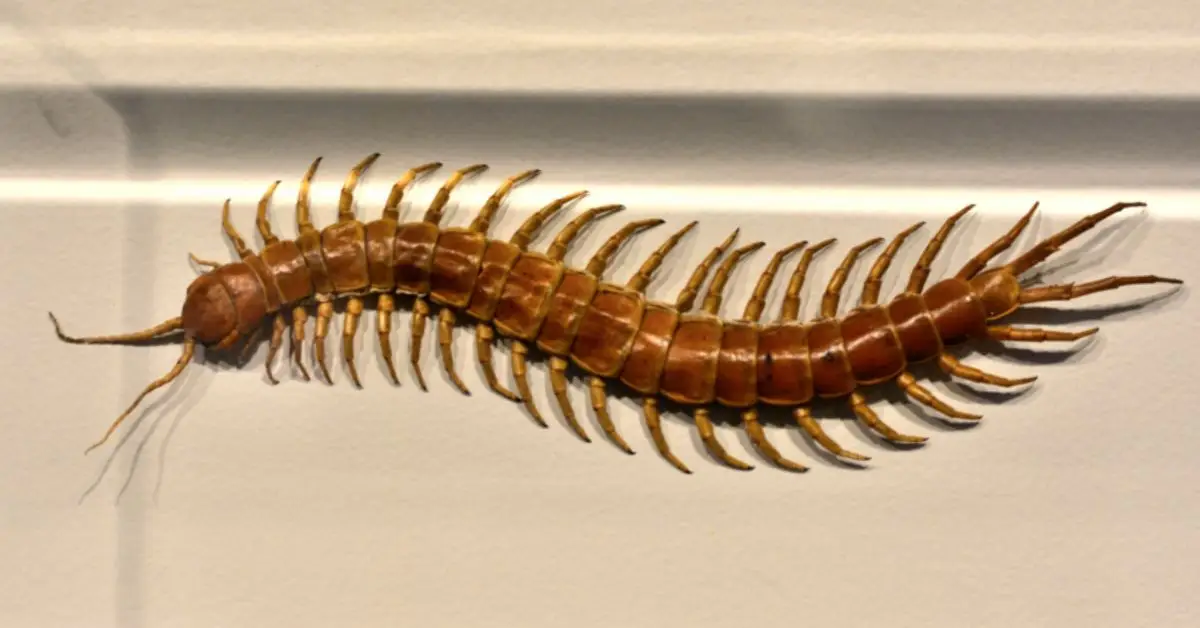
Northwest Exterminating
Sometimes, after all the checks and DIY fixes, you still see centipedes. That’s when I call in help — but the type of expert matters.
Moisture Experts
If you keep finding moisture even after ventilation fixes, I call someone who specializes in water damage or insulation. Hidden leaks can be sneaky.
Pest Control Pros
If centipede sightings are paired with other pests — especially cockroaches or silverfish — professional pest control can identify and treat the underlying insect problem.
A good professional won’t just spray and leave — they’ll tell you why the pests keep coming back.
Preventive Habits That Stop Recurrence
After dealing with centipedes for a while, I realized that prevention isn’t just about killing them—it’s about making your home less inviting in the first place. Once you understand the four signs we discussed, you can take targeted steps to stop them from coming back.
Here’s what I do (and what you can do too):
Moisture Control Strategies
- Fix leaks under sinks, in basements, or near appliances.
- Use a dehumidifier in damp rooms or crawlspaces.
- Make sure bathrooms and kitchens are well-ventilated after showers or cooking.
Reducing Other Pests (Food Sources)
- Keep kitchens clean and free of crumbs.
- Seal trash bins and avoid leaving pet food out overnight.
- Monitor for small insects like silverfish or cockroaches, since centipedes are hunting them.
Structural Sealing & Basic Maintenance Tips
- Seal cracks around doors, windows, vents, and foundations.
- Replace worn weather stripping or damaged caulking.
- Check vents, drains, and crawlspaces regularly for openings.
When you address the root causes—moisture, food, and entry points—you’re not just reducing centipedes. You’re improving your home’s overall health and comfort. To prevent centipedes and other pests from becoming regular visitors, I also follow some simple home maintenance hacks that keep bugs out year-round.
What Frequent Centipedes Reveal About Your Home’s Condition
Here’s the truth I’ve learned from living with centipedes: they’re not the main problem. They’re messengers. Each sighting is a clue telling you something about your home’s condition—moisture issues, hidden pests, structural gaps, or cluttered areas.
By paying attention to these signs and acting on them, you’re taking care of your home, not just chasing bugs. You’re making your space safer, cleaner, and more comfortable for yourself and your family.
I’d love to hear from you: Have you spotted centipedes in your home, and what did they reveal about your space? Drop a comment below, share your experience, or check out more practical home advice at Build Like New—because a home that’s maintained right is a home that keeps pests out for good.
Disclaimer: This article is for informational purposes only and reflects personal experiences and research. It is not a substitute for professional pest control, home inspection, or medical advice. Always consult qualified experts for specific issues in your home.


