Struggling With a Small Closet? Start With These 4 Steps
I’ve helped organize more small closets than I can count, and here’s the honest truth most articles won’t tell you: small closet organization doesn’t fail because of lack of space. It fails because people start with the wrong steps.
If you’ve ever opened your closet and felt instant stress — clothes falling, nothing easy to find, yet somehow “nothing to wear” — you’re not alone. I see the same pattern across almost every popular guide ranking on Google. They throw dozens of ideas at you: bins, shelves, hangers, hacks. Helpful, sure. But overwhelming. And often unrealistic for real homes and real routines.
What’s missing is a simple system that actually works in everyday life. Not a Pinterest-perfect setup. Not a shopping list disguised as advice. Just a clear way to organize a small closet so it stays functional, even on rushed mornings.
That’s exactly what I’m sharing here. I’m not going to dump 20 ideas on you. I’ll walk you through four practical steps I’ve seen work again and again — in apartments, older homes, shared closets, and tight spaces where every inch matters.
As you read, I want you to picture your own closet, not an ideal one. By the end, you should know exactly where to start — and just as important, what not to waste time on.
Before we dive in, let me ask you this: when you think about your closet right now, what frustrates you the most — lack of space, too much stuff, or not being able to keep it organized?
Step 1 – Clarify Your Closet’s Purpose Before You Start
Before I touch a single hanger or storage box, I always stop and ask one thing: what is this closet actually supposed to do for you?
If you skip this step, you’ll end up doing what most people do — shifting clutter from one side to another and calling it “organized.”
This is something professional organizers consistently point out in Better Homes & Gardens purpose comes before products. No shelf, bin, or hanger can fix confusion about how the space is meant to function.
I want you to pause and look at your closet the way it actually fits into your life — not the way Pinterest says it should.
Your closet isn’t a storage room. It’s a daily-use system. When its purpose is unclear, everything feels harder than it needs to be.
Ask yourself these questions before you move a single item:
- What do I wear most often during a normal week?
- Is this closet meant for daily outfits or long-term storage?
- Do I need quick access to work clothes, casual wear, or accessories?
- Where should seasonal or rarely worn items really live?
- What annoys me every morning when I open this closet?
Be honest with your answers. If this closet’s main job is to support busy mornings, then daily wear should get prime space — not coats you touch twice a year. If accessories are always getting lost, that’s a signal too.
When you define the purpose first, everything else falls into place. You buy fewer organizers. You stop redoing the same setup every few months. You save time because every decision has a clear reason behind it.
Step 2 – Edit and Declutter: Keep What Serves You
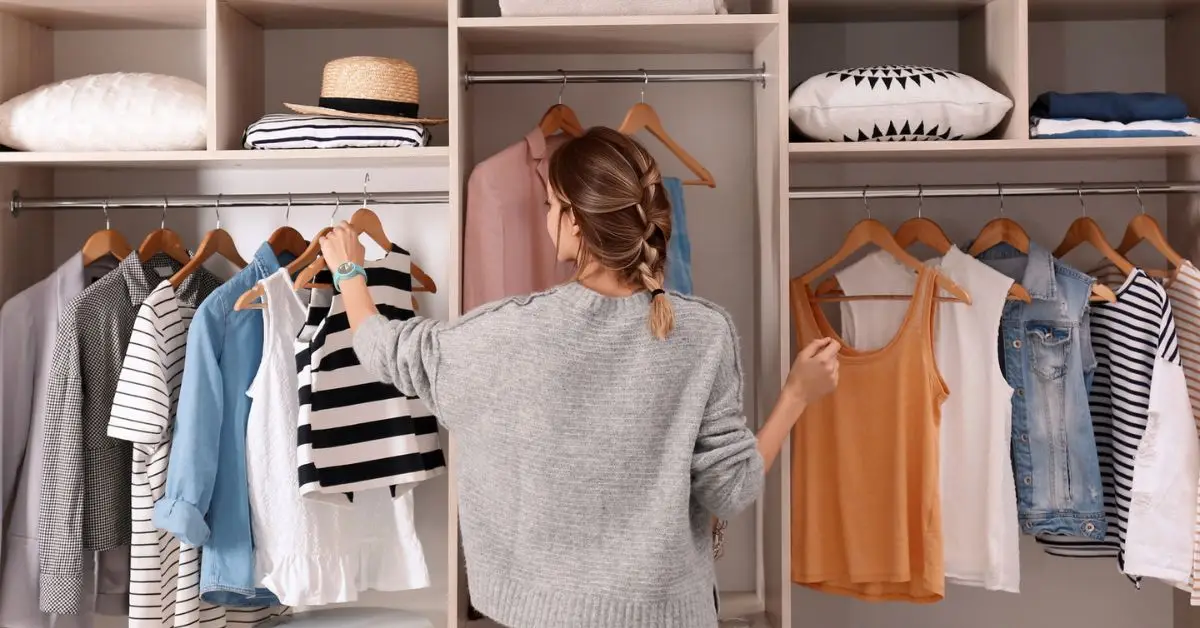
Before you think about shelves, rods, or baskets, I always start with editing — not organizing.
Most guides skip over this step or bury it under a list of storage ideas, but honestly, decluttering is the real space multiplier.
I learned early on that you can spend hours buying organizers, yet still feel overwhelmed — simply because the closet is full of things you don’t actually use.
Here’s a practical checklist I use when editing:
- When was the last time I actually wore this?
- Does it fit comfortably right now?
- Would I buy this again if I saw it in a store today?
- Am I keeping it for memories or guilt?
- Does this item help me get ready faster? If decluttering feels mentally exhausting or you don’t know where to start, these simple steps to reverse declutter your kitchen, closet, and more can help you make decisions without second-guessing every item.
Be honest with yourself. Half measures create clutter in a new form.
Once you’ve separated the “keepers” from the “not really,” it’s time to remove them. Decide quickly:
- Donate
- Sell
- Recycle
Here’s a point many people overlook: taking donation bags out of your home immediately gives you real emotional momentum. You break the cycle where “I’m going to keep this just in case,” and suddenly the space feels lighter.
This early edit drastically shortens the time you’ll need in every later organizing step.
Step 3 – Use Space-Multiplying Tools Strategically
Now that you know exactly what stays, it’s time to bring in tools — but only the ones that serve your purpose.
I like to avoid throwing a giant laundry list at you. What you really need are tools that fit your space and your way of living. If you’re working with an extremely tight setup and want quick wins, some of these smart closet hacks that instantly create more space can help you stretch every inch without a full overhaul.
This approach is backed by practical designers you see in House Beautiful’s small closet organization ideas — they focus on smart use of space, not just more stuff.
3A – Vertical Maximization: Double Hanging & Extra Shelves
Use every inch of height you have.
- Install double hanging rods to nearly double your hanging capacity.
- Add a top shelf for seasonal or rarely worn pieces.
- Use lower shelves or bins for things you grab most often.
This layering is far more effective than jamming everything on one rod.
3B – Back-of-Door & Wall Solutions
These are often the forgotten corners that make a huge difference.
- Over-door organizers create storage for shoes, bags, or folded items without eating shelf space.
- Wall hooks or pegboards keep accessories like belts, scarves, and hats visible and accessible.
- Keeping the floor clear makes the closet feel bigger and less chaotic.
If it’s on the floor, it’s already in the wrong place.
3C – Bins, Baskets, and Clear Storage
Bins only work when they are intentional.
- Assign one category per bin — no mixing shirts with leggings.
- Choose clear containers so you can see what’s inside instantly.
- Label each bin — yes, it sounds simple, but it’s how you keep clutter from creeping back.
Every tool you add should answer one question: How is this helping me use my closet better?
Step 4 – Design for Maintenance (So It Stays Organized)

This is where most small closet guides quietly fall apart. They help you organize once — but they don’t tell you how to keep it that way.
I’ve learned that if a system needs “big re-organization days” every few months, it’s already broken. What actually works is designing your closet around tiny habits you can keep up with, even on busy days.
Here’s what I use and recommend.
First, build a daily reset into your routine.
I’m talking about a 60-second habit — not a cleanup session.
- Hang clothes back properly at night
- Toss worn-but-reusable items into one defined spot
- Put accessories back where they belong
That one minute prevents hours of future mess.
Next, plan for seasonal rotation. Your closet should not store everything all year. Off-season clothes deserve a different home — bins, suitcases, or storage outside the closet. One reason closets get cluttered again is because they end up storing things that don’t belong there in the first place — which is why it helps to know which items you should stop storing in your linen closet and where they actually belong. This approach is commonly recommended in small-space organizing systems like those discussed on One Closet, because it frees up daily-use space without adding clutter.
Labels matter more than people admit.
- Label shelves and bins clearly
- Keep categories obvious
- Make it easier to put things back than to toss them anywhere
The real shift happens when you realize this: Maintaining a closet is easier than reorganizing one. Small, consistent actions beat full resets every single time.
Common Small Closet Mistakes to Avoid
I see the same mistakes repeated across homes, apartments, and even professionally designed spaces. Avoiding these will save you time, money, and frustration.
- Buying organizers before you understand what you actually need
- Adding storage without clear categories
- Overloading shelves until they collapse back into piles
- Ignoring how much lighting affects how cluttered a space feels
- Mixing hanger types, which makes even a neat closet look chaotic
Uniform hangers alone can instantly make a small closet feel calmer and more intentional. It’s a small change with an outsized impact.
If your closet feels messy despite being “organized,” chances are one of these mistakes is sneaking in.
Quick Tool Checklist for Small Closet Wins
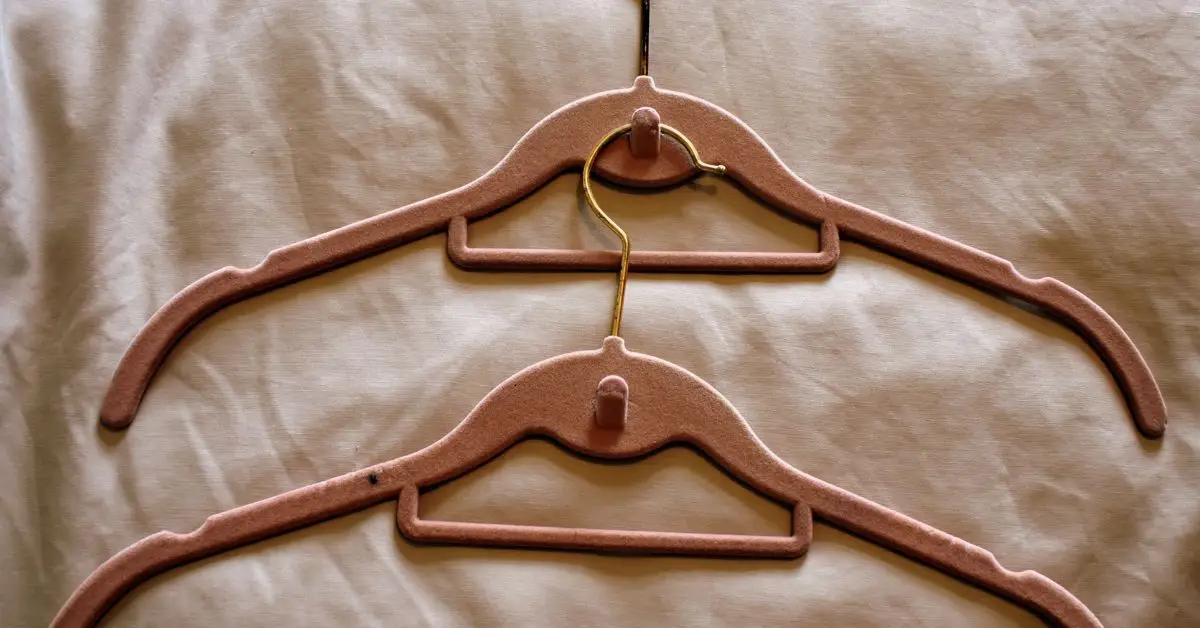
Once your system is clear, these tools help reinforce it — not replace it.
- Double rod kit
- Slim, non-slip hangers
- Over-door organizer
- Clear, stackable bins
- Shelf dividers
- Motion-sensor LED lights
Think of this as a support kit, not a shopping mandate. You don’t need everything — just what fits your purpose and habits.
Before you move on, I want to ask you something honestly: what usually breaks your closet system — lack of time, too much stuff, or not knowing where things should go?
Closing Thought: Make Your Closet Work for You — Not the Other Way Around
If there’s one thing I want you to take away from this, it’s this: small closet organization isn’t about perfection. It’s about clarity.
When you define the purpose, edit honestly, use the right tools, and build simple maintenance habits, your closet stops feeling like a daily problem. It starts supporting your routine instead of slowing you down.
I’ve seen this work in tiny apartments, shared closets, older homes — everywhere. Not because the space changed, but because the approach did.
You don’t need to do everything at once. Even one step done properly can change how your closet feels and functions.
Now I’d genuinely love to hear from you:
What’s the biggest struggle you face with your closet right now — space, clutter, or keeping it organized long-term?
Drop your answer in the comments. Your experience might help someone else who’s stuck at the same point.
And if you enjoy practical, no-fluff home guidance like this, you’ll find more real-world solutions over on Build Like New — where the focus is on making everyday spaces work better, not just look good.
Disclaimer: This article is based on general organizing principles, expert sources, and real-world experience. Results may vary depending on your space, lifestyle, and storage needs. Product mentions and suggestions are for informational purposes only and not sponsored or guaranteed to work for every closet setup.