
4 Smart Velvet Couch Cleaning Tricks That Actually Work
I’ve always loved the look and feel of a velvet couch—it just adds this touch of luxury to any living room. But I won’t lie, keeping it clean? That’s another story. Velvet is soft, delicate, and surprisingly tricky to care for. A spilled coffee, a curious pet, or even everyday dust can leave marks that are hard to fix if you don’t know the right approach.
Over the years, I’ve tried the usual tips—dab here, vacuum there—but I’ve also learned a few hacks that actually work without ruining the fabric. In this article, I’ll walk you through four velvet couch cleaning hacks that are practical, safe, and surprisingly simple. By the end, you’ll know exactly what to do to keep your couch looking plush and fresh, without stressing over every little stain.
Before we dive in, I want you to know this isn’t about generic advice you can find anywhere. I’ll share real, tested methods, point out common mistakes, and even explain why certain “popular” tips can actually damage your velvet. Let’s get your couch back to that perfect, touchable softness.
Know Your Velvet Couch Before You Clean

I remember the first time I realized that “velvet” isn’t just one thing. You might think all velvet is soft and luxurious—and it is—but not all velvets respond the same way to cleaning. Natural velvet, like cotton or silk, behaves very differently from synthetic or performance velvet. And if you miss the label’s care code, you could accidentally ruin your couch with a simple cleaning attempt.
Here’s what I’ve learned matters most:
- Check the type of velvet: Natural fibers are delicate and often require professional cleaning. Synthetic velvets can handle gentle water-based cleaning more safely. Performance velvets are designed for durability and stains but still have limits.
- Understand cleaning codes:
The label usually has a letter:- W = Water-based cleaners are safe
- S = Only solvent-based cleaners
- WS = Either water or solvent cleaners are okay
- X = Professional cleaning only
Knowing these codes helps you avoid costly mistakes. For instance, using water on an “S” velvet could leave permanent marks. If you want a detailed guide to care codes and types, Real Homes has a great breakdown that I often refer to before touching any cleaning solution.
- Spot-test every time: Even if you know the code, I always test in a hidden area—like under the cushion seam or behind the armrest. This quick check ensures your cleaning method won’t crush the pile or fade the color. Most guides skip this step, but it’s saved me from a lot of headaches.
Hack #1: Vacuum & Brush Like a Pro (Even Between Deep Cleans)
One thing I didn’t realize when I first bought my velvet couch is that dust, crumbs, and pet hair settle deep into the fibers. Simply giving it a quick shake isn’t enough. A good vacuum and gentle brushing routine keeps your couch looking fresh and prevents dirt from embedding itself.
Here’s how I do it:
- Vacuum the right way:
- Use a soft brush attachment to avoid flattening the velvet pile.
- Always vacuum in the direction of the nap, following the natural flow of the fibers.
- Focus on seams and crevices where dust hides.
- Brushing tips:
- A soft clothes brush or velvet brush lifts the pile back into place.
- Run the brush gently over the fabric after vacuuming.
- Set a routine:
- Weekly: Light vacuum and brush for everyday upkeep.
- Monthly: More thorough vacuum, including cushions and sides. While regular vacuuming keeps your velvet couch fresh, you might be surprised at the 10 places in your home that are way dirtier than you think and you never vacuum—these spots can add hidden dust and allergens to your living room.
- Community insight: I’ve noticed many other velvet owners on Reddit swear by this combination. They call it the “lazy foundation” because if you keep up with this simple routine, deep cleans are easier and spills are less disastrous.
When I follow this routine, my velvet always looks plush and luxurious, even on days when life gets messy. Trust me—you don’t have to overcomplicate it, but you do need to do it consistently.
Hack #2: Spot Clean Stains With Precision (Blot, Don’t Rub)
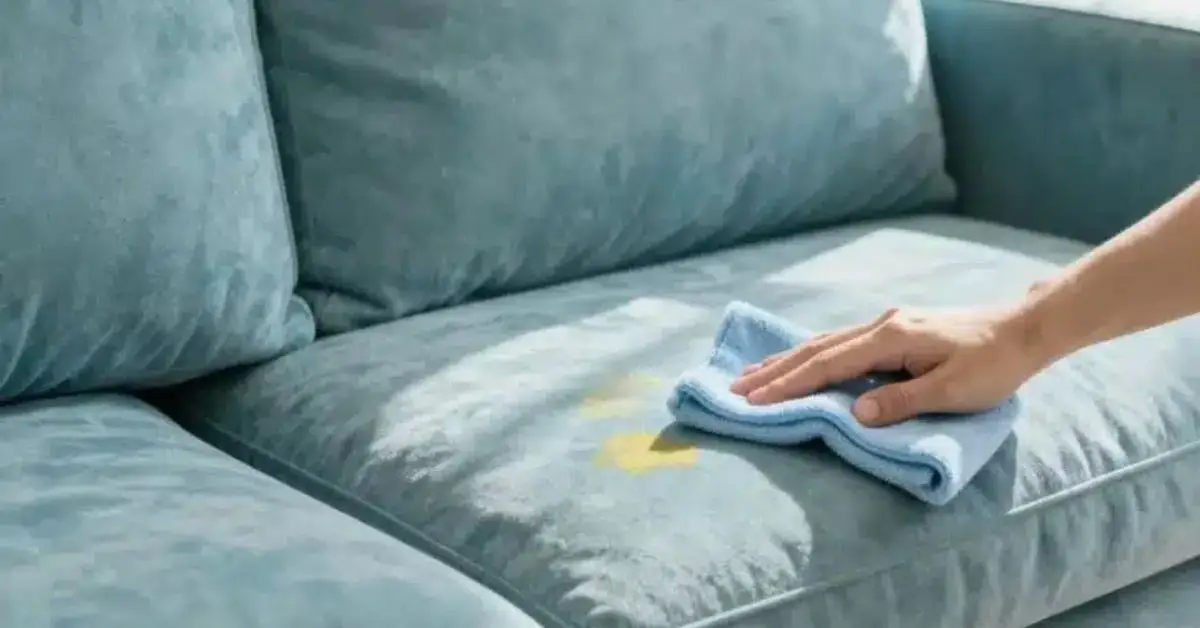
If there’s one thing I learned the hard way, it’s this: when a spill happens, your instinct might be to rub it out. Don’t. Seriously, don’t. On velvet, rubbing can crush the pile, spread the stain, and even leave permanent marks. I’ve been there—blurry patches of crushed fibers staring back at me—and I can tell you that blotting immediately is your safest move.
Here’s my step-by-step approach:
- Blot first, act fast:
- Grab a clean, absorbent cloth or paper towel.
- Gently press onto the stain to soak up liquid.
- Repeat with fresh sections of the cloth—never rub!
- Timing matters: the faster you blot, the less chance the stain sets. If you ever deal with more than just liquid spills on your couch, like melted wax, I’ve shared some easy hacks to save your sofa and clothes fast that work just as well as these velvet-cleaning tricks.
- Use safe DIY cleaning solutions: I prefer mild solutions that won’t harm the velvet fibers:
- Mix a few drops of gentle dish soap with distilled water. (Tap water can leave mineral spots and weaken fibers, so always use distilled.)
- Lightly dab the solution onto the stain with a soft cloth, then blot dry.
- Avoid harsh chemicals or bleach—your couch will hate you for it.
For more detailed guidance on safe velvet cleaning liquids, I often check The Spruce’s recommendations—they explain why distilled water and gentle soaps are the safest bets.
- Know the type of stain you’re dealing with: I like to think of it as a hierarchy, because the approach changes depending on the stain:
- Oil-based (makeup, butter, salad dressing): Blot first, then use mild soap solution.
- Wine or juice: Blot immediately, avoid water splashes on sensitive velvet.
- Ink: Often needs professional attention—DIY attempts can spread it.
- Quick tip: Always test your cleaning solution on a hidden area first. Even “safe” solutions can react differently depending on your velvet type. I do this before every spill treatment, and it’s saved me countless headaches.
When you follow these steps, stains become far less intimidating. I’ve found that most spills, if treated correctly right away, don’t leave a mark at all. And trust me, that sense of relief seeing your velvet bounce back? Priceless.
Hack #3: Use Steam & Grooming for Velvet Revival (Even When “Clean”)
Even when your velvet looks clean, the pile can get flattened, dull, or uneven. I learned that a quick steam and gentle brushing can bring it back to life—without water, harsh chemicals, or expensive treatments. Most guides obsess over liquid cleaners, but the texture of velvet is just as important as the stain-free look.
- How steam lifts the pile:
- Hold a handheld steamer a few inches away from the fabric.
- Move it slowly across the area—don’t soak the velvet.
- The gentle heat relaxes the fibers, making them bounce back naturally.
- After steaming, use a soft brush to lift and align the pile for that plush feel.
- Technique I follow:
- Steam for 5–10 seconds per section—short bursts work best.
- Always brush in the direction of the nap after steaming.
- Avoid leaving the fabric damp; always allow it to dry fully.
- When not to steam:
- Natural velvet (like silk) or vintage pieces can get water spots or fiber damage.
- If in doubt, do a spot-test first, or skip to the next section—prevention is better than a repair.
Hack #4: Protect & Prevent So You Don’t Clean as Often
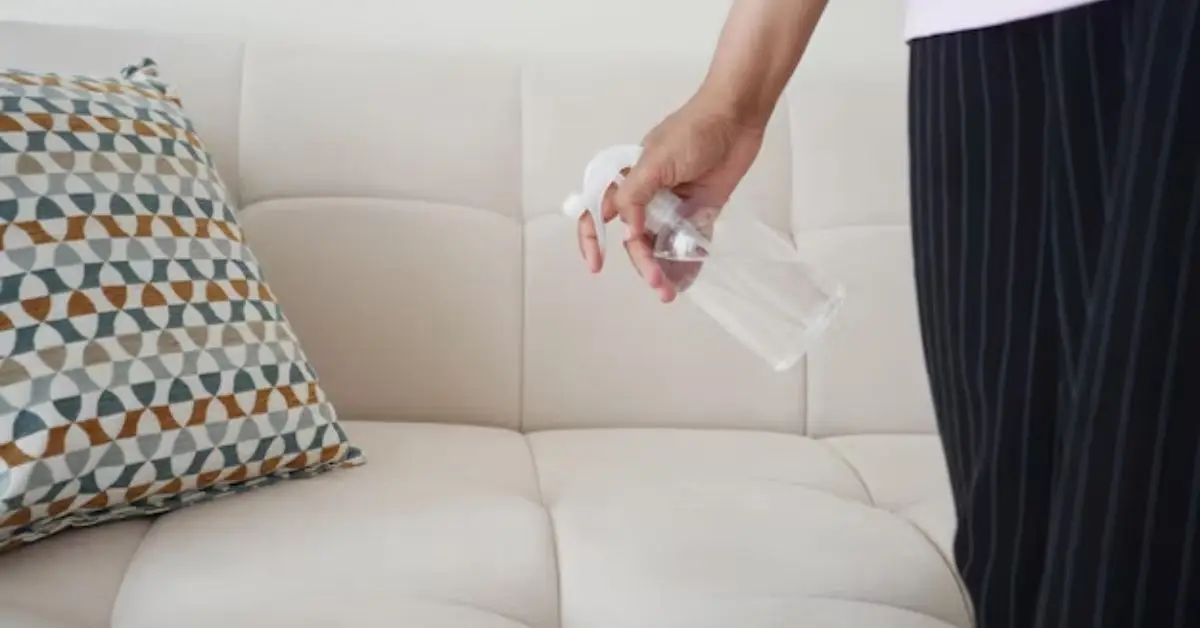
Here’s the secret most people miss: prevention beats cleaning every time. A few simple habits can extend the life of your velvet and save you headaches.
- Use fabric protectors:
- Spray lightly with a velvet-safe fabric protector to guard against spills and stains.
- Do this once or twice a year for long-term protection.
- Strategic placement & sunlight:
- Keep your couch away from direct sunlight—UV rays fade colors and weaken fibers.
- Even partial sunlight can create uneven patches over time.
- Covers, throws, and pet-friendly routines:
- A decorative throw or slipcover over high-traffic areas works wonders.
- For pet owners, use lint rollers and train pets to avoid the couch.
- These simple steps, inspired by real Reddit conversations, can prevent daily wear.
Common Mistakes That Ruin Velvet (So You Don’t Undo Your Hacks)
Even with hacks, a few common errors can undo all your hard work:
- Avoid harsh chemicals & over-wetting:
- Bleach, ammonia, or excessive water can permanently damage fibers.
- Many guides skip this warning, but it’s critical.
- Why scrubbing is bad:
- Scrubbing flattens the pile and spreads stains.
- Stick to blotting or gentle brushing after steaming.
- Direct sunlight & heat:
- Don’t place the couch near heaters or sunny windows.
- Even short exposures can fade or distort the velvet.
When to Call a Professional
Sometimes DIY isn’t enough—and that’s okay. I’ve learned the hard way when to step back:
- Signs you need a pro:
- Set-in stains that resist all safe methods.
- Lingering odors or uneven color patches.
- Fiber damage or velvet that’s flattened beyond revival.
- What pros do differently:
- They use specialized cleaning solutions and tools, plus gentle steam techniques.
- Professionals can safely restore both color and texture, especially for vintage or natural velvet.
Suggested Tools & Products
Here’s what I always keep handy for my velvet couch:
- Soft brush: Lifts the pile and removes dust.
- Handheld steamer: Revives texture without wetting.
- Distilled water & mild soap: Safe DIY stain solution.
- Lint roller or pet hair remover: Essential for everyday upkeep.
- Ingredients to keep on hand:
- Mild dish soap
- Distilled water
- Clean, absorbent cloths or microfiber towels
These tools are simple, affordable, and they make a real difference.
Closing Note
With the four hacks, consistent care, and the right tools, even delicate velvet can stay fresh, plush, and luxurious for years. After cleaning and maintaining your velvet couch, I like to add a fresh touch using essential oils that make your house smell and shine—it complements the plush, clean feel of the fabric perfectly. I’ve seen the difference firsthand—my couch now bounces back from spills, dust, and even pet hair without panic.
If you try any of these hacks, I’d love to hear your experience. Did a particular method work better than you expected? Or maybe you have your own trick that saves your velvet? Drop a comment below, and let’s share tips.
And if you want more hands-on advice for keeping every part of your home looking brand new, check out my website, Build Like New, where I share tested cleaning strategies, furniture care tips, and practical routines that really work.
Disclaimer: The tips and methods shared here are for general velvet cleaning and maintenance. Results may vary depending on your couch type, fabric, and condition. Always test cleaning solutions on a hidden area first, and consult a professional for delicate, vintage, or heavily soiled velvet.