5 Small Cleaning Changes That Make a Big Difference at Home
I’ll be honest—I don’t think most people fail at cleaning because they’re lazy. They fail because the advice they read doesn’t fit real life. Long routines, perfect homes, and resolutions that feel more like pressure than help.
When people search for home cleaning resolutions, they’re not looking to turn into professional organizers. You’re looking for that feeling when you walk into your home and instantly feel calmer. Less chaos. Less mental noise. More control.
I’ve spent years studying how people actually clean—not how magazines say they should. The pattern is clear: a few small habits make a bigger emotional difference than a full weekend deep clean.
This isn’t about doing more. It’s about doing the right things—the ones that give you quick wins and make you want to keep going. The kind of cleaning resolutions that work on busy weekdays, not just on January 1st.
So let me ask you this before we go further: when was the last time your home truly felt good to walk into—and what do you think was missing?
What “Home Cleaning Resolutions” Really Means
When I say home cleaning resolutions, I’m not talking about big promises you forget after a week. I’m talking about small decisions you make once—and then repeat without thinking.
Most people confuse resolutions with habits. I see this mistake all the time.
A resolution is a decision: “I’ll reset my kitchen every night.”
A habit is what happens when that decision becomes automatic.
The reason most cleaning resolutions fail isn’t lack of effort. It’s because they’re too big, too vague, or emotionally unrewarding.
What actually works is this:
- Fewer changes
- Clear triggers (time or place)
- A visible result that makes you feel better fast
That “feel better” part matters more than you think. When your space looks calmer, your brain feels calmer too. Less clutter means less visual noise, and less visual noise lowers mental stress. This is why a few targeted changes can instantly shift how your home feels—even if the rest isn’t perfect.
Better Homes & Gardens has pointed this out as well, noting that small, consistent cleaning habits can reduce daily stress and make routines easier to stick to over time.
So instead of asking, “How do I clean my whole house?” I want you to start asking, “What one change will make my home feel better today?”
That mindset shift is where real cleaning resolutions begin. If you’re trying to build habits that actually stick long term, I’ve also shared some practical ideas on building a healthier, more sustainable space in this guide on eco-friendly home resolutions that work in real life.
Resolution 1 — Start with the Bed: Make It Daily
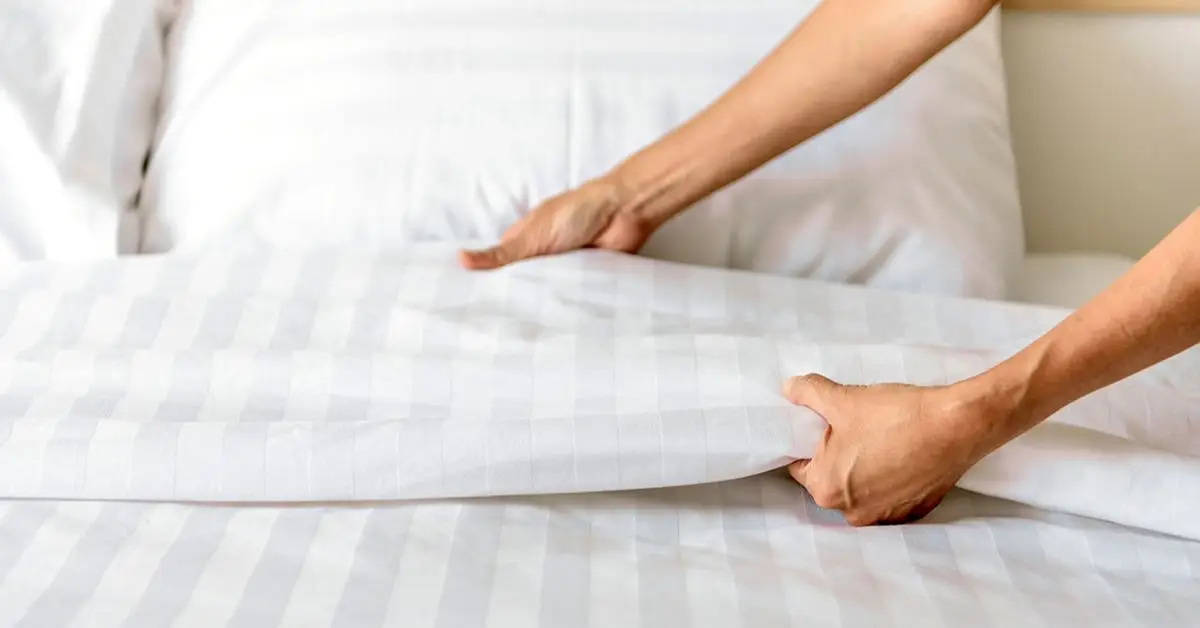
If I had to pick one habit that gives the fastest emotional payoff, this would be it.
Making your bed takes two to three minutes. But the impact it has on how your bedroom feels is way bigger than the effort.
I always tell people this: your bed is the largest visual surface in the room. When it looks messy, the entire room feels messy—even if everything else is fine.
What this resolution looks like in real life
This isn’t about hospital corners or decorative pillows.
It’s simply:
- Straighten the sheets
- Pull up the comforter
- Arrange pillows in a basic way
That’s it.
If you’re short on time, even a rough version counts. Progress beats perfection here.
Why it matters more than you think
Making your bed works because it creates a visual anchor—something your eyes register as “order.”
Here’s what happens when you do it daily:
- Your room instantly looks cleaner
- You feel a small sense of control early in the day
- You’re more likely to keep the rest of the room tidy
Many professional organizers talk about this as a “start-of-day reset.” One small win signals to your brain that your space—and your day—are manageable.
How to make this habit stick
If you want this resolution to last, keep it simple:
- Do it right after getting up
- Don’t add extra steps
- Tell yourself it only needs to look “good enough”
This is the kind of cleaning habit that doesn’t drain you—it supports you.
And now I’m curious: do you already make your bed daily, or does it feel like a task you always skip?
Resolution 2 — Wipe Down Key Surfaces Every Day
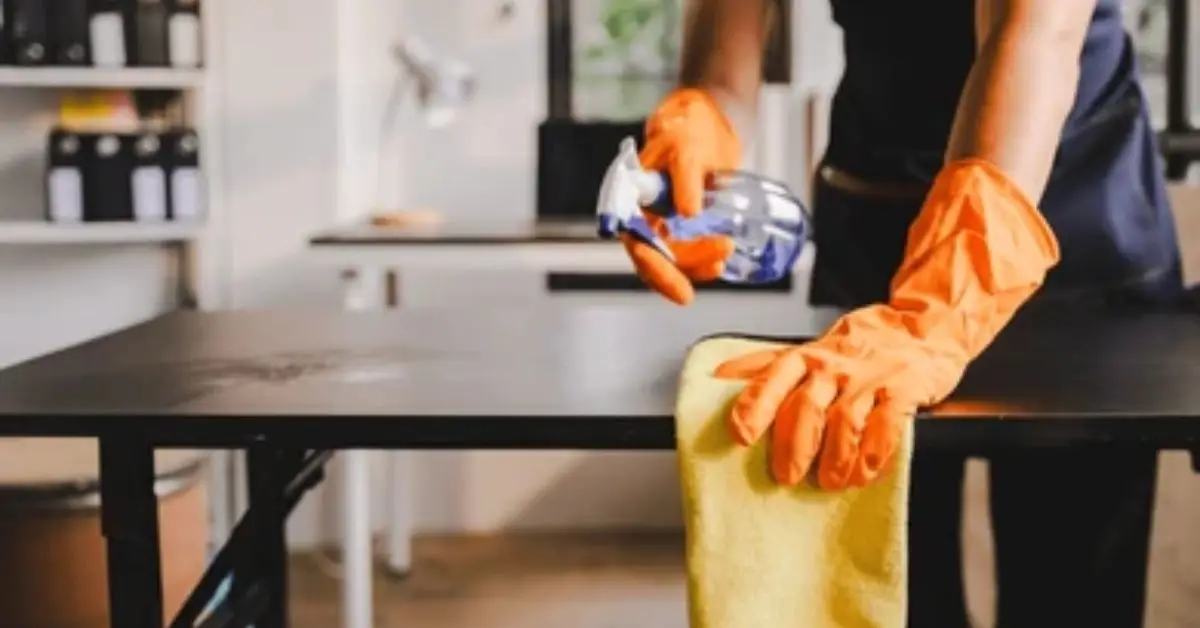
This is one of those habits that people underestimate until they try it for a week.
I’ve noticed something very consistent over the years: even if a home isn’t perfectly clean, it feels clean when the main surfaces are clear and wiped. Your eyes go to those areas first, whether you realize it or not.
You don’t need to clean everything. You just need to clean the right things.
What to prioritize (and what to ignore)
Focus only on high-impact surfaces—the ones you touch and see daily:
- Kitchen counters
- Bathroom sink and faucet
- Entryway table or console
When these are clean, the whole house feels calmer. When they’re dirty, even a tidy room feels off.
Simple tools that make this easy
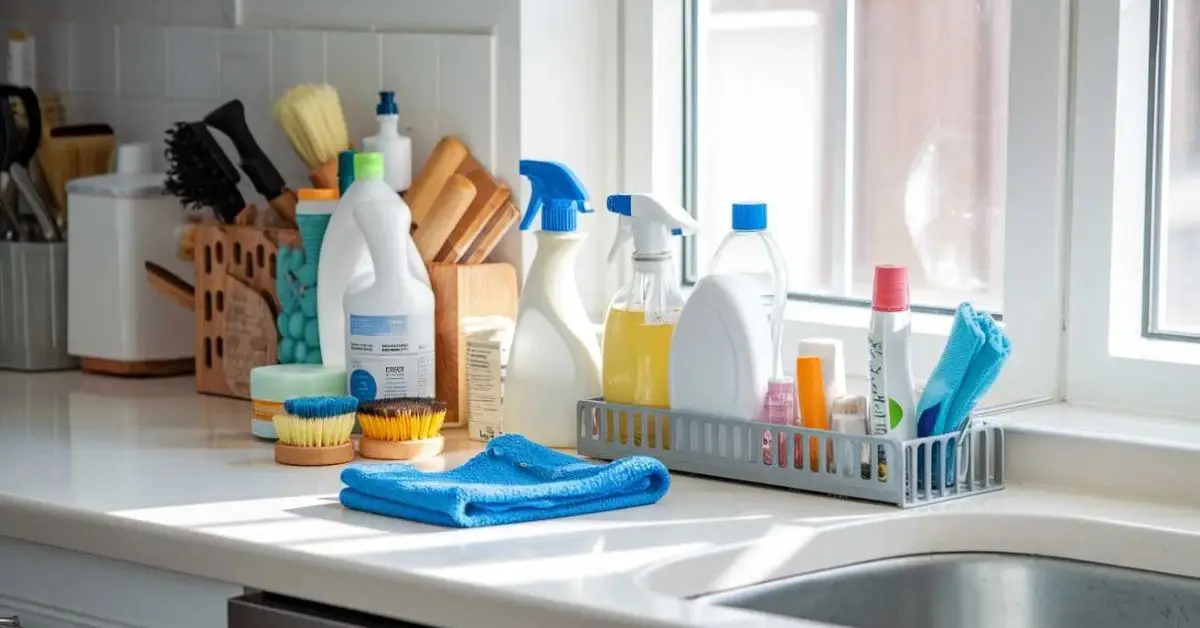
Keep this habit friction-free. I recommend:
- One microfiber cloth
- One pack of cleaning wipes or a basic multipurpose spray
- Store them where you’ll actually use them
If you have to search for supplies, the habit dies fast. And if you’re trying to clean smarter without buying extra stuff, you’ll be surprised how everyday items can help—like these genius ways to repurpose laundry detergent caps for cleaning and organizing.
The 2-minute end-of-day reset
This works best at night. Here’s the loop I use and suggest:
- Dinner’s done or the day is winding down
- Wipe counters and sink quickly
- Put the cloth back immediately
No deep scrubbing. No perfection. Just enough to reset the space so you wake up to a cleaner feel.
This habit reduces visual noise instantly. And once you feel that difference, you won’t want to skip it.
Resolution 3 — Declutter and Reset Daily Hot Spots

If wiping surfaces fixes the look of your home, this fixes the cause of the mess.
Most clutter doesn’t come from too many things. It comes from things that never get put back.
I see the same clutter zones in almost every home.
Where clutter actually hides
Pay attention to these daily hot spots:
- Entryway or near the door
- Couch and side tables
- Dining table or kitchen island
These areas collect bags, mail, clothes, chargers—stuff that’s “just for now” and then stays there.
The 10-minute reset method
Set a timer. Seriously—it matters.
Here’s how I do it:
- Pick only the hot spots (not the whole room)
- Put items back where they belong
- If something has no home, assign one quickly or remove it
A lot of clutter problems don’t come from having too much—they come from storing everyday things the wrong way, which I’ve explained in detail in this guide on household items most people store incorrectly and how to fix it.
Stop when the timer ends, even if it’s not perfect. Consistency beats long cleanups.
This approach is backed by real people, not just experts. Communities like r/declutter constantly talk about how short, daily resets prevent overwhelm and keep clutter from building up.
Why this changes how your home feels
When clutter is gone from visible zones:
- Your space feels lighter
- Cleaning takes less effort
- You feel more in control, not behind
And that emotional relief is exactly what good home cleaning resolutions are supposed to give you.
Be honest with yourself—what’s the one spot in your home that always turns into a dumping ground?
Resolution 4 — Establish a Weekly Deep Touch
Let me be clear first: this is not about deep cleaning your entire house every weekend. That’s unrealistic, and honestly, it’s why so many people give up.
A “weekly deep touch” is a light reset that stops mess from piling up. I’ve found this works far better than saving everything for a once-a-month cleaning marathon.
Think of it as maintenance, not punishment.
What a weekly reset actually includes
You only focus on the areas that affect how your home feels day to day:
- Vacuum or sweep main living areas
- Wipe the bathroom sink, mirror, and faucet
- Do a quick fridge reset (toss old items, wipe shelves if needed)
That’s it. No baseboards. No cabinet purges unless you want to.
Why this works emotionally
When you do this once a week:
- Your home never reaches a “disaster” point
- Daily cleaning feels lighter and faster
- You stop feeling behind all the time
Many cleaning pros talk about weekly maintenance as the key to keeping a home consistently fresh, not perfect. Even Martha Stewart’s cleaning guidance emphasizes regular surface care and routine resets over occasional heavy cleaning.
I usually recommend tying this to a fixed day—Sunday afternoon or Friday evening—so you don’t debate when to do it every week.
Resolution 5 — Make Cleaning Enjoyable (Yes, That Matters)

If cleaning feels boring, stressful, or punishing, you won’t stick to it—no matter how good the advice is. I’ve learned that enjoyment isn’t optional; it’s strategic.
You don’t need motivation. You need better cues and rewards.
Simple ways to make cleaning less painful
These small tweaks change everything:
- Play music or a podcast you only allow during cleaning
- Light a candle or use a scent you love
- Set a 15–25 minute timer and stop when it ends
Many people use a Pomodoro-style approach—short bursts with a clear end—because it keeps cleaning from feeling endless.
Why enjoyment builds habits
When your brain connects cleaning with something pleasant:
- Resistance drops
- Consistency increases
- Cleaning stops feeling like a chore and starts feeling routine
If you enjoy the process even a little, you’ll keep going.
Quick Checklist: Instant Feel-Better Actions You Can Start Today
If you want results without overthinking, start here. I’d rather you do five small things consistently than chase perfection once.
You can literally screenshot this:
- Make the bed
- Wipe kitchen and bathroom counters
- Put clothes back where they belong
- Clear one clutter hot spot
- Do one weekly reset (vacuum + bathroom + fridge check)
These actions don’t just clean your home—they change how it feels to live in it.
So tell me: which one of these are you most likely to start tonight, and which one do you usually avoid?
Bonus Tips from Cleaning Enthusiasts Online
Over the years, I’ve learned one thing very clearly: real people often give better cleaning advice than “perfect-home” articles.
When you look at cleaning communities online—especially on Reddit and short Twitter threads—you see what actually works in everyday homes. Small homes. Busy homes. Messy-on-weekdays homes.
Here are some crowd-sourced tips people genuinely swear by:
- Clean while waiting: People often wipe counters or unload a few dishes while coffee brews or food heats up. It doesn’t feel like cleaning, but it adds up.
- One item rule: Every time you leave a room, take one thing with you that doesn’t belong there. This alone prevents clutter buildup.
- Timers beat motivation: Many users say they clean more consistently when they set a 10–15 minute timer instead of waiting to “feel motivated.”
- Lower your standards on purpose: This comes up a lot. People stick to habits when they allow “good enough” instead of perfect.
- Same routine, same order: Doing tasks in the same sequence reduces decision fatigue and makes cleaning feel automatic.
Why do these tips work? Because they come from people who live real lives. They’ve tested what fails—and kept what actually fits into a normal day.
Common Mistakes That Don’t Help You Feel Better
I see these mistakes all the time, and honestly, they’re exhausting.
You can clean a lot and still not feel better if you focus on the wrong things.
Here’s what usually backfires:
- Over-cleaning low-impact areas: Spending time on baseboards or cabinets while counters and floors stay messy won’t improve how your home feels.
- Ignoring clutter hotspots: You clean everything except the entry table or couch—and the mess returns instantly.
- Cleaning without a plan: Jumping between rooms creates fatigue and zero sense of progress.
If cleaning leaves you tired but not satisfied, it’s often because effort wasn’t matched with emotional payoff. Feeling better should always be the goal.
How to Track Your Progress Without Stress

You don’t need apps, charts, or complicated systems. In fact, those usually kill momentum.
What works best is visible, simple tracking.
Here’s what I recommend:
- A basic checklist stuck on the fridge
- A weekly reset reminder on your phone
- Or a printable planner you can glance at and move on
The goal isn’t to track perfection. It’s to notice consistency.
If you cleaned even a little more than last week, that counts.
Where to Go Next
If you want to make this real, don’t try to do everything at once.
Here’s a simple challenge I give people: Try a 7-day reset. Pick just three habits from this article and repeat them for one week.
That’s enough to change how your home feels—and how you feel inside it.
If you want deeper, practical guides that help you build habits without pressure, I share more resources and step-by-step systems on my website, Build Like New.
And now I’d genuinely love to hear from you: Which cleaning resolution feels easiest for you—and which one do you struggle with the most? Drop it in the comments.
Disclaimer: This article is for general informational purposes only. Cleaning habits, routines, and results may vary based on lifestyle, home size, and personal preferences. Always follow product instructions and safety guidelines when using cleaning supplies.