5 Living Room Clutter Problems That Are Secretly Ruining Your Space (And Easy Fixes)
I’ve cleaned living rooms for years — mine, friends’, and clients’ — and I can tell you something most articles won’t. A living room can be spotless and still look messy. No dust. No trash. Yet the space feels heavy, crowded, and a little stressful the moment you walk in.
That’s because clutter isn’t always about how much stuff you own. It’s about where things land, how the eye moves, and what your brain registers first.
If you’ve ever wondered why your space looks off even after cleaning, you’re not alone. The most common things that make a living room look cluttered aren’t dramatic — they’re subtle, repeated mistakes most people don’t realize they’re making. I see the same patterns again and again, even in well-designed homes.
In this guide, I’ll walk you through the biggest clutter traps hiding in plain sight — and more importantly, how to fix them without buying new furniture or doing a full makeover. As you read, think about your own living room right now. Which area do your eyes go to first — and does it feel calm or chaotic?
Why Your Living Room Still Looks Cluttered — Even After Cleaning
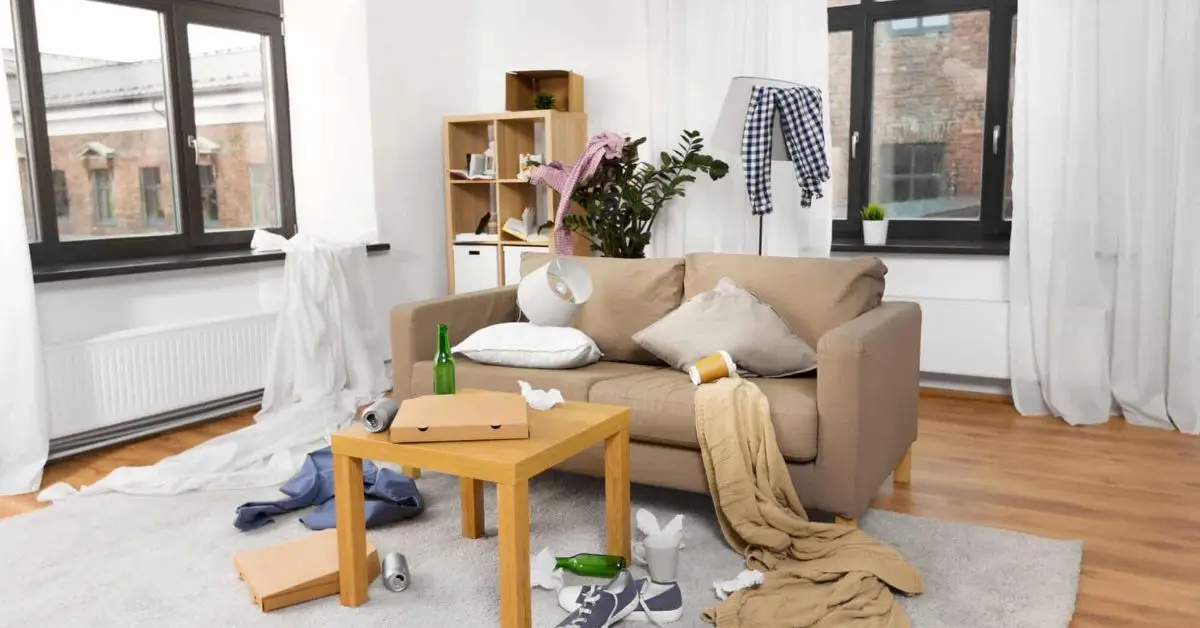
I’ve been there myself. You clean the living room, straighten everything up, and still — something feels wrong. The space looks busy, not calm. And it’s frustrating because you did put in the effort.
Here’s what most people don’t realize: clutter isn’t just about dirt or mess. It’s about visual overload. A room can be clean and still feel cluttered when too many things grab your attention at once. Interior experts at Livingetc explain this as visual clutter — when surfaces and sightlines feel crowded even if everything looks “tidy” on paper.
What usually goes wrong is how we clean. You and I tend to:
- Stack items neatly instead of removing them
- Shift things from one surface to another
- Hide clutter temporarily instead of fixing the habit
So the room resets… and then slips right back into chaos. Until you address the why behind the clutter, cleaning alone won’t solve it.
Trap #1 — Surfaces Buried in Random Items
This is the first clutter trap I notice every single time — and once you see it, you can’t unsee it.
Flat surfaces attract stuff. Coffee tables, side tables, and consoles slowly turn into dumping zones without you meaning them to. One item feels harmless. But together, they overwhelm the room. If clutter keeps returning to the same spots, you’re not alone — these are usually problem areas that collect stuff without us noticing, like coffee tables, consoles, and corners. I’ve broken down the most common clutter-collecting zones in 6 hot spots in your home you must declutter to help you fix the root of the problem.
Your eyes don’t read these items individually. They read crowding. That’s why even a “small pile” can make the entire living room look cluttered.
Items that quietly create surface clutter
- Magazines or mail you plan to read later
- Phone chargers and loose cables
- Remotes with no fixed home
- Decor mixed with everyday use items
What I recommend instead
- Do a quick daily clear-off of main surfaces (it takes 2 minutes)
- Use trays or baskets so small items feel grouped, not scattered
- Assign permanent homes for everyday items — not temporary spots
Once surfaces are visually clear, the whole room feels lighter almost instantly.
Trap #2 — Too Many Decorative Objects and Small Stuff
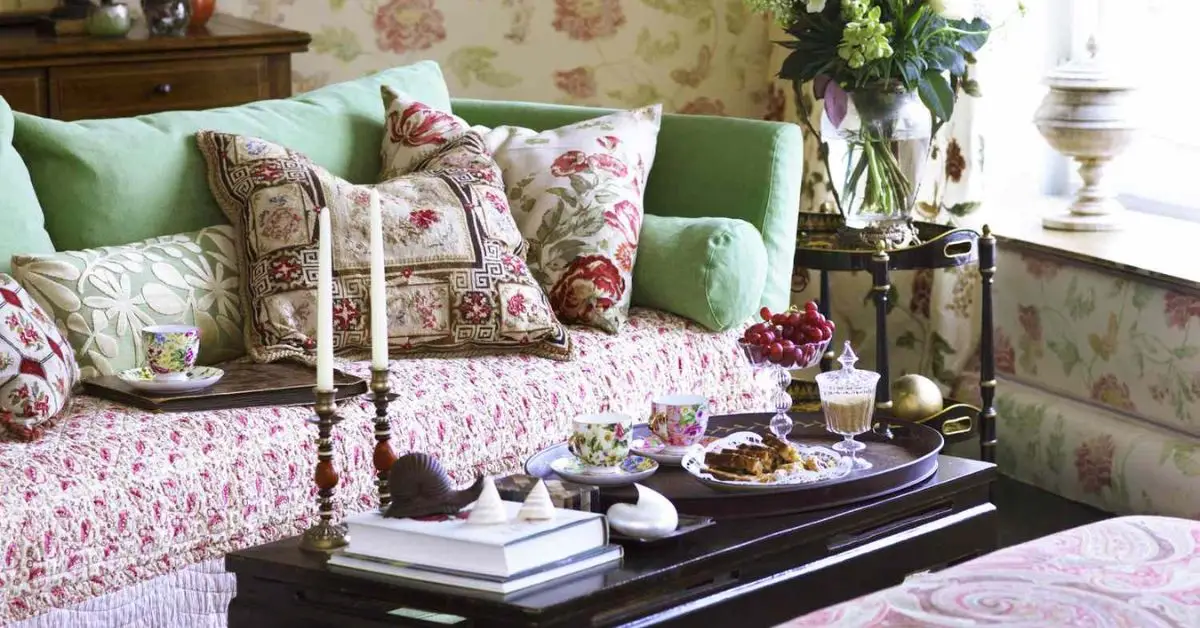
This one is tricky because it doesn’t feel like clutter. These are things you chose. Things you like. And that’s exactly why they sneak up on you.
I see it all the time — extra throw pillows, candles on every surface, tiny decor pieces lined up like collections. According to Real Simple, too many decorative items can overwhelm a room’s natural focal points, making the space feel busy instead of styled.
When everything is meant to be “noticed,” nothing actually stands out.
Common decor clutter culprits
- Photo frames clustered too close together
- Seasonal decor that never gets put away
- Small accessories scattered across shelves and tables
The problem isn’t decor itself — it’s accumulation. When you keep adding without removing, the room loses breathing space.
What works better
- Take a “less but curated” approach — fewer pieces, chosen on purpose
- Rotate decor by season instead of displaying everything at once
- Store extra items out of sight so the room can reset visually
Once you give your decor room to breathe, the pieces you love actually look better. If you removed half your decor today, which items would you miss — and which ones wouldn’t you even notice were gone?
Trap #3 — Furniture That Doesn’t Fit the Space
This is a clutter trap people rarely admit, but I want you to hear it clearly: sometimes the room looks messy because the furniture is fighting the space.
Oversized couches, too many chairs, extra side tables — even when everything is neat, the room can feel boxed in. Your eyes struggle to move, and your brain reads that as clutter.
Furniture mistakes I see most often
- A sofa that’s too large for the room
- Multiple small tables crowding walkways
- Extra seating “just in case” that’s rarely used
Even smaller pieces can cause problems when there are too many of them. They break up visual flow and make the room feel restless.
Simple fixes that make a big difference
- Measure your space and audit what’s actually essential
- Swap bulky pieces for multifunctional furniture
- Leave clear pathways so the eye can move freely
When furniture fits the room — not just physically, but visually — the space instantly feels calmer.
Take a look around your living room. Is there one piece of furniture you keep walking around instead of through?
Trap #4 — Visible Cables, Electronics & Everyday Tools

This is one of those clutter issues that drives me crazy because it’s so easy to fix — yet most people ignore it.
You can have a perfectly styled living room, but the moment wires and gadgets pull your eye, the space feels messy. Design experts at Homes and Gardens point out that visible cables and exposed tech break visual flow and instantly make a room feel less polished.
I’ve noticed that when your eye keeps landing on cords instead of furniture or decor, your brain reads it as disorder.
Common tech clutter spots
- Tangled wires behind or below the TV
- Chargers plugged in with no clear place
- Streaming devices and game consoles sitting out
- Remote piles with nowhere to go
Simple fixes I actually use
- Add basic cable management kits (cheap, fast, effective)
- Use furniture with built-in cord routing or hidden backs
- Unplug and store electronics you don’t use daily
This is one of the highest-impact clutter fixes with the least effort. If someone walked into your living room right now, where would their eyes go first — the TV, or the wires around it?
Trap #5 — Storage Without Strategy (Overstuffed or Overflowing)
Here’s something I want you to really hear: storage can create clutter if it isn’t used right.
Overstuffed baskets, jam-packed shelves, and bins crammed to the top don’t look organized. They look stressed. Even when everything is technically “put away,” the room still feels heavy.
Signs your storage is working against you
- Baskets filled to the brim
- Shelves with no empty space at all
- Storage that hides clutter instead of controlling it
What’s happening is simple — your brain sees density, not order.
Smarter storage habits
- Clear and label storage zones so items don’t pile randomly
- Leave negative space — not every container needs to be full
- Give each family member clear responsibility for their stuff
Once storage has limits, clutter stops spreading. Ask yourself: are your baskets helping you, or just holding everything you don’t want to deal with?
Hidden Clutter Traps Everyone Misses
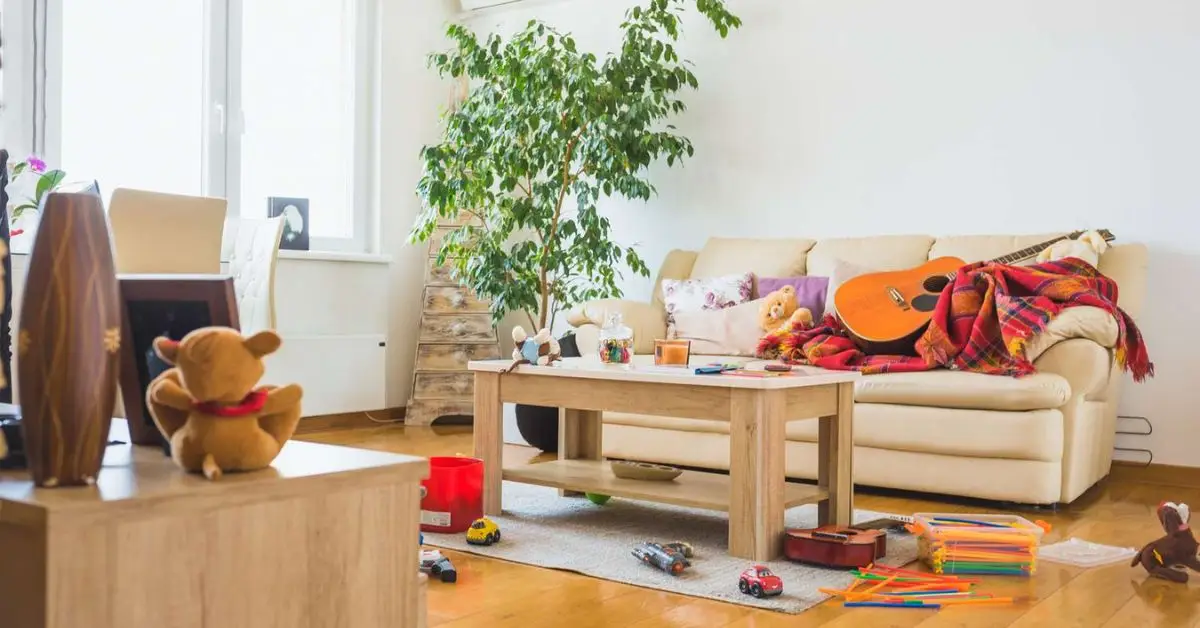
These aren’t obvious messes. They’re slow, quiet clutter creators.
Easy-to-miss clutter triggers
- Bags, coats, and shoes creeping in from the entryway
- Too many plants grouped in one corner
- Wall art that’s mismatched in size or packed too tightly
- Mail and papers with no clear routine or drop zone
I’ve seen countless homeowners talk about these exact problems in organizing discussions — especially how paper piles and entry spillover slowly take over the living room without anyone noticing.
The fix isn’t perfection. It’s awareness and small systems that stop clutter before it settles.
Take a look around your living room one more time. What’s the clutter you’ve stopped noticing — simply because it’s always been there?
Before You Buy Anything — A Declutter Mindset Shift
Before you add one more basket, shelf, or organizer, I want you to pause. Most clutter problems don’t come from lack of storage — they come from habits we never question.
I’ve seen it happen again and again. Something feels off in the room, so you buy a fix. A new tray. A new bin. A new piece of decor. When items come in faster than they go out, clutter is inevitable.
Two mindset shifts that actually work
- One-in, one-out rule: If something new enters your living room, something old leaves. No exceptions.
- Nightly 10-minute reset: Not a deep clean. Just a quick return of items to their homes before bed.
These habits don’t look impressive on Instagram, but they work in real life. And more importantly, they stick. That said, decluttering doesn’t mean getting rid of things blindly. Some items are worth keeping for practical reasons, even when you’re trying to simplify — especially essentials. This is why I put together a list of kitchen items you should never throw away even if you’re decluttering, so you don’t regret your decisions later.
If you stopped buying “solutions” for a month, what clutter would disappear on its own?
Checklist — What to Remove First
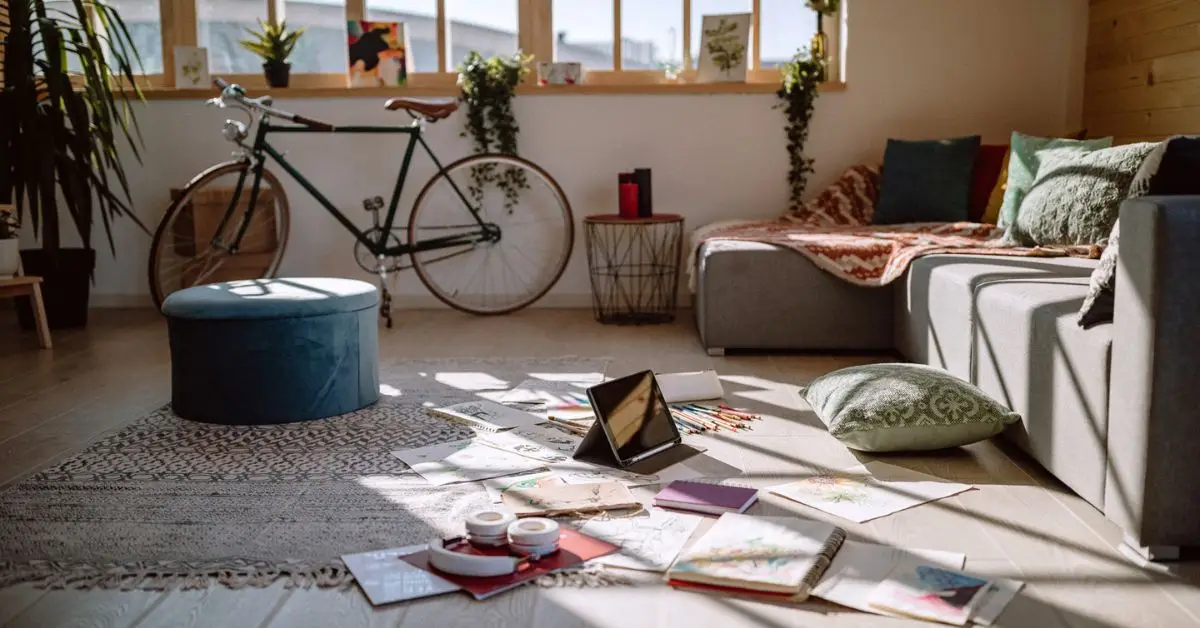
If decluttering feels overwhelming, don’t start everywhere. Start with the items that quietly drain the room’s energy.
I use this checklist because it removes decision fatigue and creates instant progress. If time is what’s stopping you, start small. There are several areas in most homes that can be cleared in minutes and still make a visible difference — I’ve shared a realistic list of 10 spots in your home you can declutter in 10 minutes flat that work especially well when motivation is low.
10 things to remove right now
- Old magazines or newspapers
- Decorative items you don’t love anymore
- Extra throw pillows
- Unused electronics or cables
- Random candles you never light
- Broken or outdated remotes
- Papers with no action attached
- Toys or games no one uses
- Decor that doesn’t fit the season
- Furniture you walk around instead of through
Items to store differently
- Everyday items without a fixed home
- Decor you want to keep but not display
- Seasonal pieces used only a few months a year
Once these are handled, the room feels lighter without any major effort.
Final Thoughts — A Living Room That Feels Calm Again
Here’s what I want you to remember: a clutter-free living room isn’t about perfection. It’s about clarity. When your space stops fighting your attention, it starts supporting your life.
You don’t need more stuff. You need better systems, fewer distractions, and habits that make clutter harder to return.
If you’re working toward a home that feels fresh, functional, and thoughtfully designed, you’ll find more practical guides and real-life building insights on Build Like New — where the goal is progress, not pressure.
Now I’d love to hear from you. Which clutter trap hit closest to home — and what’s the first thing you’re going to change today? Drop it in the comments.
Disclaimer: This article is for general information and inspiration only. Home organization needs can vary based on space, lifestyle, and personal preferences. Always choose solutions that work best for your home and routine.