Winter-Proof Your Humidifier: 5 Easy Mold Prevention Tips
Winter is here, and I know how tempting it is to crank up the humidifier to keep the air from feeling like a desert. But if you’re anything like me, you’ve probably noticed that a humidifier can go from a cozy helper to a breeding ground for mold faster than you expect. That damp, musty smell isn’t just annoying—it can trigger allergies, irritate your lungs, and even make the room feel dirtier than before.
Over the years, I’ve learned that keeping a humidifier clean during winter isn’t just about scrubbing it once in a while. It’s about understanding why mold shows up, knowing the small daily habits that stop it, and setting up your space so the air stays healthy all season long. In this guide, I’ll share five easy tips that I personally rely on to keep my humidifier mold-free, without adding extra hassle to my day.
By the end, you’ll have a practical routine that keeps your air comfortable, your machine safe, and your winter mornings fresh—no mold, no stress.
Why Mold Grows in Your Humidifier (Cause & Risks)
If you’ve ever peeked inside your humidifier after a week or two of use, you might have noticed a thin layer of slime or that musty smell creeping in. I’ve been there myself, and it’s frustrating—especially when you’re trying to make the air healthier. The truth is, mold doesn’t just appear out of nowhere. It thrives because of a few common conditions inside your machine:
- Stagnant water: When water sits in the tank for hours—or worse, days—it creates a perfect environment for mold spores to multiply. Heat from the unit itself can accelerate this growth, turning a seemingly harmless tank into a mini-breeding ground.
- Humidity imbalance: Running your humidifier without keeping an eye on indoor levels can backfire. The ideal humidity for your home is 30–50%. Anything above that encourages mold growth not just inside the unit, but also on walls and fabrics. Just like a humidifier, other areas in your home, such as your workout space, can quietly develop mold if moisture is left unchecked — I’ve shared a detailed home gym mold inspection checklist that helps you catch issues early.
- Mineral buildup: Tap water contains minerals that stick to the tank and filter over time. These deposits aren’t just ugly—they feed bacteria and mold, making your humidifier dirtier even with regular use.
And here’s the part most guides skip: knowing why mold grows helps you prevent it more effectively. When you understand the science behind it, the solution becomes intuitive. Plus, it saves you from guessing or following random “tips” that might not work.
Tip 1: Use Only Distilled or Demineralized Water
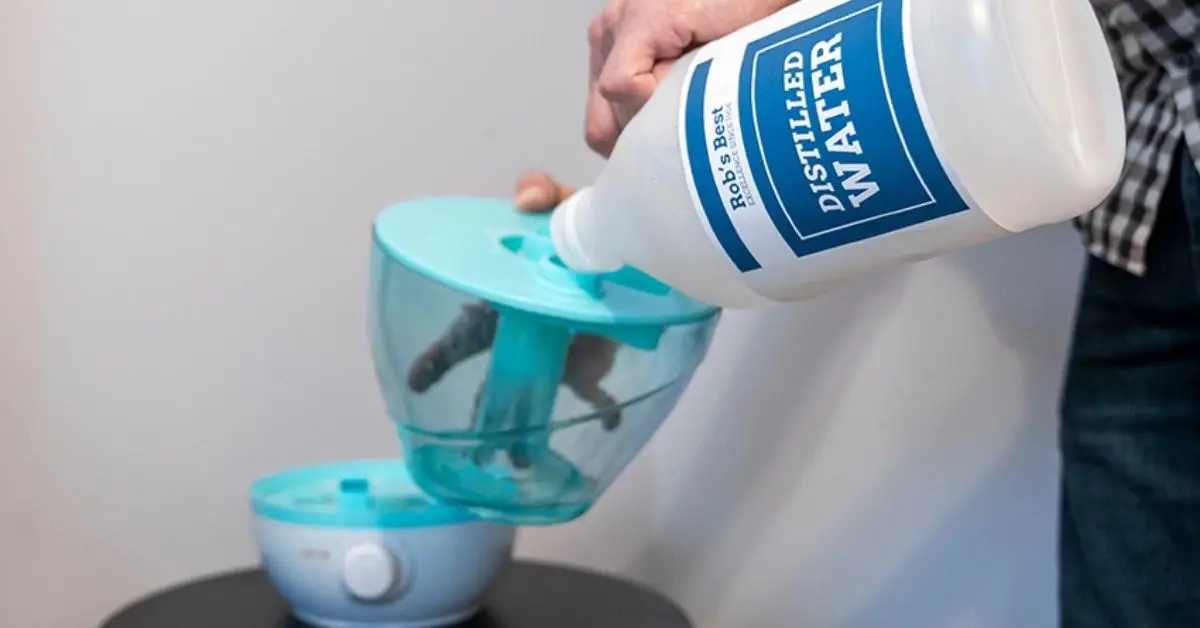
Once I realized that minerals in tap water were a major culprit, switching to distilled water became my first and easiest line of defense. Here’s why it matters and how you can make the switch without hassle:
- Why tap water accelerates mold: Minerals in hard water stick to your humidifier’s tank and filter, providing food for microbes. Even if you clean your unit regularly, these deposits can still harbor mold spores.
- Distilled vs reverse osmosis vs filtered: Distilled water is the safest choice—completely mineral-free. Reverse osmosis water is good too, but it might still have tiny traces. Standard filtered tap water helps somewhat but doesn’t eliminate the risk. According to a GreenWashing Index study, distilled water consistently prevents mold buildup far better than any other option.
- Cost and convenience: Distilled water is easy to find at grocery stores or online, and it doesn’t cost much more than bottled water. I usually buy a 1-gallon pack for about $1–$2 and refill my tank daily.
Quick tip: I like to keep a small jug of distilled water right next to my humidifier. That way, I’m more likely to refill it daily rather than risk using leftover tap water. This small habit alone cut down mold issues dramatically in my experience.
Tip 2: Empty and Change the Water Daily
One of the simplest but most effective habits I’ve adopted is emptying my humidifier every single day. It might seem tedious, but trust me—this one step prevents mold far more than occasional deep cleans. Here’s why it works:
- Stagnant water is a mold magnet: Even after a few hours, leftover water can start harboring bacteria and mold spores. Let it sit overnight, and it becomes a breeding ground.
- Daily routine I follow:
- Turn off and unplug the humidifier.
- Empty all remaining water from the tank.
- Wipe the inside with a clean cloth or paper towel, paying special attention to corners and crevices.
- Refill with fresh distilled or demineralized water.
- Quick reusable checklist for your counter:
- Empty tank → Wipe dry → Refill
- Check for mineral deposits weekly
- Wash hands before handling water
I’ve also noticed from Reddit communities that users who skip this step even once often report mold smell the next morning. It’s a small habit that saves a lot of hassle.
Tip 3: Clean at a Schedule That Beats Mold
Even with fresh water, mold spores can hide in filters or corners. Over the years, I learned that a consistent cleaning schedule keeps my humidifier healthy and the air in my home safe.
- Recommended cleaning frequencies:
- Quick clean: every 3 days (wipe and rinse tank)
- Weekly deep clean: remove and soak parts, scrub lightly
- Monthly deep disinfect: treat with safe cleaners or diluted hydrogen peroxide
- Safe cleaners I use:
- White vinegar (great for removing mineral deposits)
- Hydrogen peroxide (disinfects without harsh fumes)
- Mild detergent for stubborn spots
- When to use bleach: Only for serious mold infestations. Diluting it heavily and rinsing thoroughly. I personally avoid bleach unless absolutely necessary.
Tip 4: Maintain Filters, Tanks, and Components
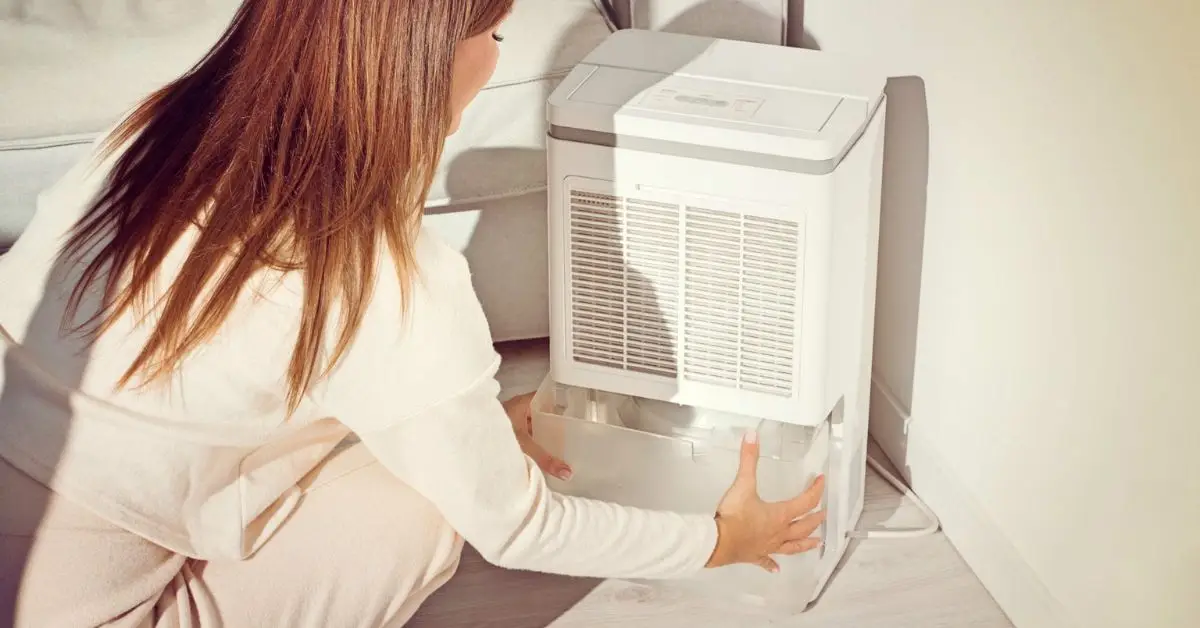
Even with daily water changes and regular cleaning, filters and removable parts are where mold often hides. Neglecting them is like leaving the front door open for unwanted guests.
Here’s how I handle it:
- Replace or clean filters regularly: Most filters need attention every 30–60 days. I mark it on my calendar and inspect mine monthly. If it looks gray, slimy, or smells musty, it’s time to replace it.
- Clean every removable part: Weekly, I take apart the tank, valve, and nozzle, and wash them with mild soap or vinegar. I make sure they dry completely before putting them back.
- Spot mold early: Discolored spots on the filter, slimy tank edges, or a musty smell are early warning signs.
I also came across a really practical guide on how to prevent mold in humidifiers that explains how different water types and maintenance routines make a big difference. I’ve found that following its advice along with my daily habits really cuts down mold problems.
Tip 5: Control Indoor Humidity — Don’t Overdo It
Too much humidity can backfire. Here’s what I do:
- Ideal range: 30–50% humidity keeps air comfortable without encouraging mold (Mayo Clinic).
- Measure it: I use a hygrometer or a humidistat to stay in range.
- Adjust output if needed: Damp windows or wet furniture mean the setting is too high. I lower it until surfaces stay dry.
Placement & Environment Optimization
Where you put your humidifier matters just as much as how you clean it:
- Flat, moisture-resistant surface: I avoid carpets or fabric tables. Tile, wood, or a tray works best.
- Keep space around it: A few inches from walls and furniture ensures airflow.
- Ventilation: A small fan or open door spreads humidity evenly and stops stagnant pockets.
Quick Troubleshooting: What to Do If You Already See Mold
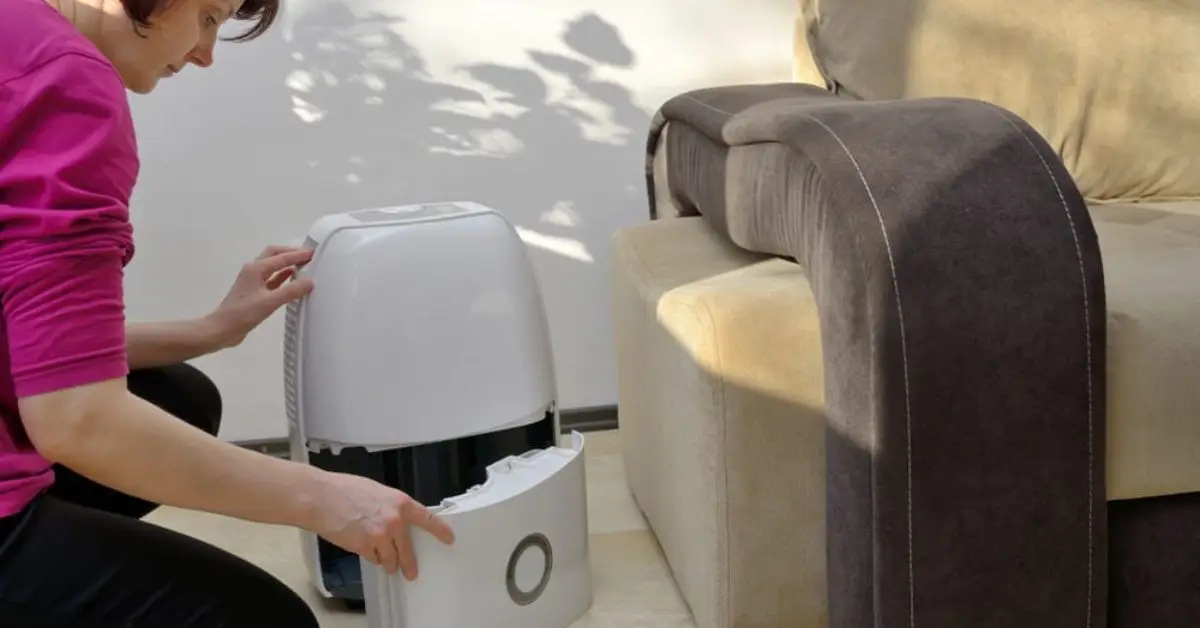
Even with the best habits, mold can sneak in. I’ve had mornings where I turned on the humidifier and instantly knew something was off. Here’s how I handle it quickly:
- Assess the severity:
- Minor mold: A small patch inside the tank or on the filter usually means a deep clean will fix it.
- Severe mold: If the smell is strong, the filter is completely blackened, or the tank has extensive deposits, it’s safer to replace the unit.
- Full disinfection steps:
- Unplug the unit and empty all water.
- Soak removable parts in a solution of white vinegar or hydrogen peroxide for 30–60 minutes.
- Scrub with a soft brush or cloth, rinse thoroughly, and air-dry completely.
- Signs mold has spread too far: Persistent musty smell even after cleaning, discoloration inside small crevices, or black mold in the base. At this point, replacement is safer than risking health issues.If the musty odor lingers even after cleaning, you can follow these proven ways to eliminate mold smell throughout your home for lasting freshness.
Being proactive here saves you from allergies or respiratory irritation later.
Seasonal Startup & Shutdown Routine
I treat my humidifier like a seasonal appliance—prepare it before winter and store it safely after.
- Pre-season deep clean: Before first use, I disassemble, scrub, and disinfect all parts. It ensures I start the season mold-free.
- Post-season dry down: At the end of winter, I empty every drop of water, clean all components, and let everything dry completely. Then, I store the unit in a cool, dry place.
This small effort twice a year prevents mold growth during storage and keeps the unit performing like new for years.
Common Mistakes That Promote Mold
Even experienced users slip up sometimes. Here are the mistakes I’ve seen most often—and how to avoid them:
- Using hot water: Some people think hot water kills mold, but it actually encourages it by leaving mineral deposits.
- Ignoring daily water changes: Leaving water in the tank overnight is the fastest way mold appears.
- Never cleaning properly: Skipping weekly or monthly cleaning creates hidden mold in filters and corners. Preventing mold in your humidifier is similar to tackling mold in other tight spaces — for instance, easy steps to remove mold from shower caulking can help keep these problem areas clean and prevent recurrence.
Correcting these habits makes all the difference. I always tell friends: consistency beats intensity.
I’d love to hear about your experiences! Have you battled mold in your humidifier this winter? Drop a comment below with your tips or questions — I read every one and respond.
For more practical home maintenance advice and step-by-step guides, visit my website Build Like New. You’ll find easy, expert-tested tips that make your home healthier, cleaner, and stress-free this season.
Disclaimer: The information in this article is for general guidance only and is based on personal experience and trusted sources. It is not a substitute for professional medical or safety advice. Always follow manufacturer instructions for your humidifier and consult a healthcare professional if you have health concerns.