Stop Making These 5 Freezer Door Mistakes with Your Food
I used to think the freezer door was the perfect spot for quick-access snacks and everyday staples. You know, the place where you can just grab ice cream, butter, or a frozen meal without digging through the shelves. But over the years, I’ve learned the hard way that not everything belongs there. Those little temperature swings every time the door opens can quietly ruin your food’s texture, flavor, and even safety.
In this article, I want to show you the five foods you’re probably putting in the freezer door that shouldn’t be there—and exactly why it matters, so you can keep your meals tasting fresh and avoid wasting money.
Why the Freezer Door Is a Bad Spot for Certain Foods
I get it—you want convenience. Having snacks or quick meals right in the freezer door seems smart. But here’s the thing: the door is the warmest and least stable part of your freezer. Every time it swings open, the temperature shifts, and those tiny fluctuations can quietly ruin your food.
Just like unplugging certain appliances after use helps prevent hazards, storing foods properly away from the unstable freezer door prevents unexpected quality or safety issues.
Here’s what I’ve noticed over the years:
- Temperature swings are real: The freezer door rarely stays at 0°F consistently. That means ice cream, butter, or even sauces can partially thaw and refreeze without you noticing.
- Texture suffers: Repeated thawing and refreezing cause ice crystals to rupture, which turns creamy or delicate foods grainy and unpleasant.
- Quality takes a hit: Even if food isn’t visibly damaged, the flavor, aroma, and texture slowly degrade.
According to experts at Simply Recipes, safe freezing really requires consistent temperatures, and the door just doesn’t cut it for items you care about. Understanding this “why” helps you make smarter choices rather than blindly following a list of foods.
How Freezer Door Storage Impacts Food Quality & Safety
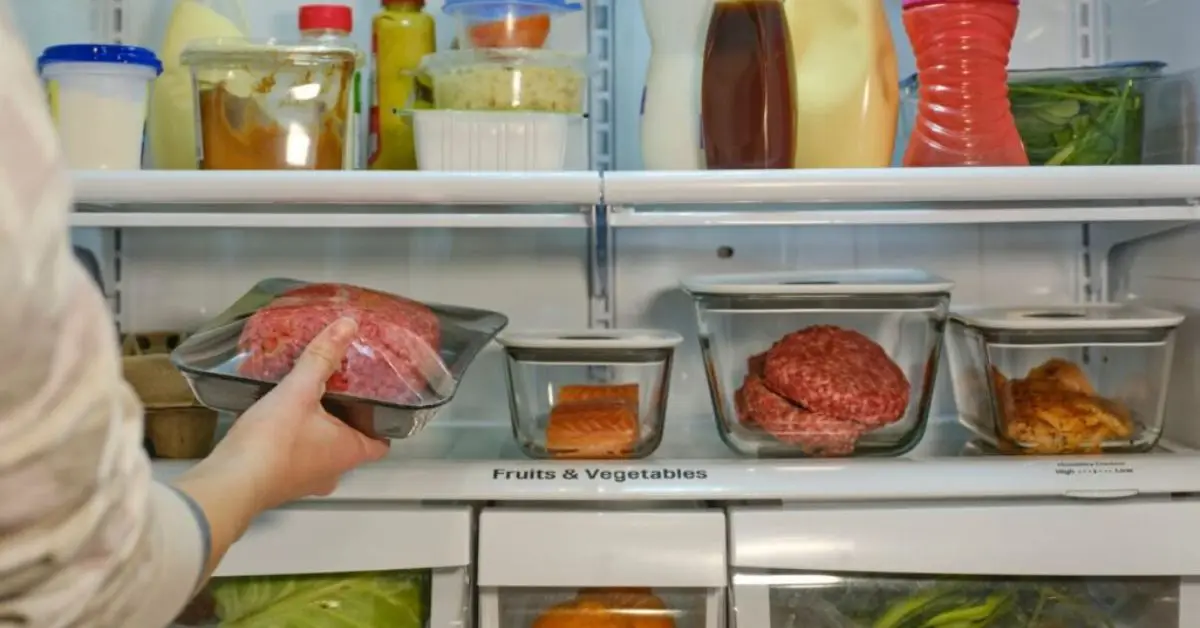
Now, let’s talk about the practical consequences. Storing certain foods in the door doesn’t just ruin taste—it can lead to wasted money and, in some cases, food that’s unsafe.
- Texture degradation: Water-rich foods like vegetables or creamy sauces develop ice crystals that expand and break down structure, leaving mushy or gritty results.
- Freezer burn risk: Items near the edges of the door are more exposed to air and fluctuating temperatures, which accelerates freezer burn.
- Microbial safety basics: Consistent freezing keeps bacteria at bay. Because the door is less cold and opens frequently, it’s not ideal for delicate items that need constant low temperatures.
If you want to see a clear breakdown of how temperature swings affect quality, Wikipedia’s freezer burn page explains it well with science you can trust.
Food #1: Ice Cream & High‑Sugar Desserts
If you’re like me, ice cream is a go-to treat, and nothing is worse than scooping out a grainy, icy mess. Here’s why it happens when you keep it in the freezer door:
- Sensitive to temperature swings: Ice cream needs a consistent cold. Every time the door opens, the temperature rises slightly, causing partial melting and refreezing. That’s what makes it icy and ruins the creamy texture.
- Sugar and air instability: High sugar content and whipped air can collapse when exposed to uneven cold, leaving a denser, less enjoyable dessert.
Pro tip: I always keep ice cream at the back of the freezer, where the temperature is most stable. It might take an extra second to reach, but your taste buds will thank you.
Food #2: Bread & Bakery Items
I’ve seen people shove bread and pastries into the freezer door thinking it’s harmless. But here’s the catch:
- Soggy or crumbly texture: Door exposure allows tiny fluctuations in temperature and moisture, which ruin delicate baked goods.
- Air pockets and moisture trap: The door’s small shelves trap air and let humidity settle, accelerating staling and freezer burn. Just as following simple kitchen habits can keep your space smelling fresh, properly sealing and storing your baked goods helps maintain freshness and prevents unwanted odors or freezer burn.
- Freezing properly: Wrap bread tightly in plastic or foil, then place it in the interior of your freezer. This keeps it protected from temperature swings and preserves texture.
Food #3: Dairy Items Prone to Texture Change
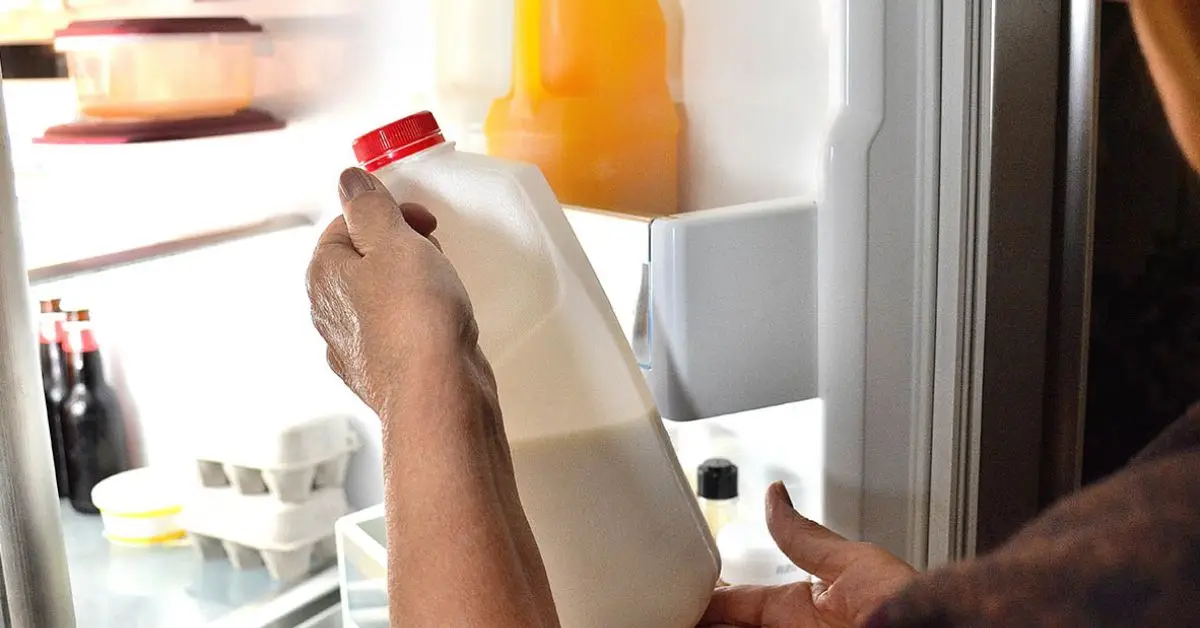
Dairy is tricky. Milk, yogurt, and soft cheeses can be easily ruined by inconsistent cold. From experience:
- High water and fat content separates: Temperature fluctuations in the door make milk curdle or yogurt grainy. Soft cheeses can develop a crumbly, unpleasant texture.
- Door placement adds risk: The small, frequently opened door amplifies the problem, making thawed dairy less usable.
I always place these items deeper inside the freezer or just leave some in the fridge, depending on the item. For a clear guide on which dairy items freeze well, the experts at Verywell Health explain what works, what doesn’t, and why consistent freezing matters.
Food #4: Frozen Meals With Sauces & Creamy Casseroles
If you meal prep like I do, you know the appeal of freezing ready-to-eat meals. But storing them in the freezer door can ruin your hard work:
- Emulsified sauces break: Creamy sauces, gravies, and casseroles can separate when exposed to temperature swings.
- Door instability worsens the problem: The small door shelves experience frequent temperature changes, making the texture even worse.
- Better method: Cool leftovers fully, then flash-freeze them on interior shelves. This keeps sauces smooth and casseroles intact when thawed.
Food #5: Frozen Vegetables & Water‑Rich Foods
Not all veggies survive the freezer door—especially those with high water content. From my experience:
- Mushy thawed texture: Leafy greens, cucumber, zucchini, and other water-heavy foods get watery and limp after thawing.
- Door placement is worse: The front shelves expose these foods to more temperature swings than the freezer interior.
- Pro tip: Blanch vegetables before freezing and store them on interior shelves for the best texture.
Common Small Mistakes Most People Make With Freezer Door
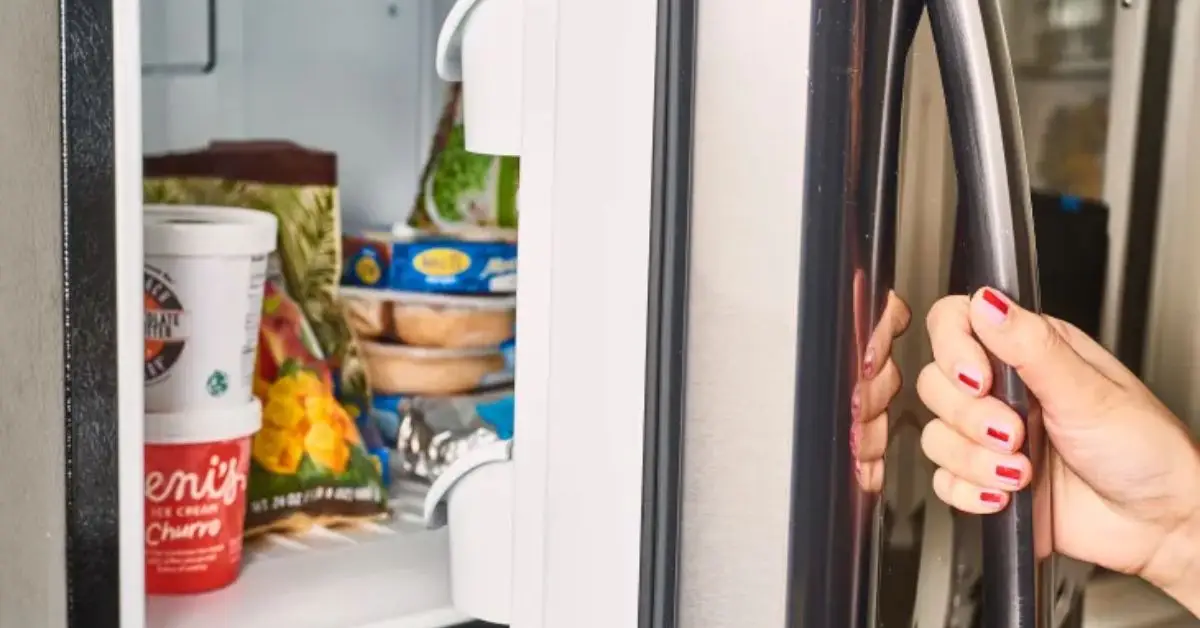
I’ve seen a lot of freezer missteps over the years, and honestly, they’re easy to fix if you know what to look for:
- Cramming the door: Light, thin items like butter or small snacks shouldn’t be stacked in every nook—they get exposed to fluctuating temps.
- Improper packaging: Not sealing bags or containers tightly lets moisture and air accelerate freezer burn.
- No labeling or organization: If you can’t see what’s inside, the door gets opened more often, which increases exposure.
According to EatingWell, these small errors are surprisingly common, and correcting them can save both food quality and money. Reddit and other user forums also show real people running into the same issues, so you’re not alone.
Smart Storage Tips: What Should Go in the Freezer Door
While we’ve talked a lot about what not to put in the freezer door, there are a few items that handle the temperature swings just fine. Here’s what I do:
- Condiments: Ketchup, mustard, soy sauce, or other sauces in airtight bottles can live comfortably in the door.
- Frozen treats: Individually wrapped ice pops or small frozen snacks, as long as they’re sealed well.
- Practical organization: Keep heavier items in the interior shelves and use door pockets for light, durable items.
By thinking this way, you get the convenience of door storage without risking your quality-sensitive foods.
Quick Checklist: Foods Not to Put on Freezer Door
Here’s a fast-reference list you can skim whenever you’re reorganizing your freezer:
| Food | Why It’s a Poor Choice | Where to Put Instead |
|---|---|---|
| Ice cream & creamy desserts | Sensitive to temperature swings → icy & grainy | Back of freezer, interior shelf |
| Bread & baked goods | Door moisture & air pockets → soggy or crumbly | Interior shelves, tightly wrapped |
| Milk, yogurt, soft cheeses | High water/fat separates, curdles | Interior freezer or fridge |
| Creamy sauces & casseroles | Emulsion breaks, texture suffers | Interior freezer, flash-frozen |
| Vegetables & water-rich foods | Mushy thawed texture | Interior freezer, blanched before freezing |
This checklist makes it easy to save time and avoid the frustration of ruined meals.
Final Takeaways + Safety Reminders
Here’s what I want you to remember:
- Temperature stability matters: The interior of the freezer is consistently cold, unlike the door. Always store delicate or high-water-content foods there.
- Label and organize: Knowing what’s inside reduces door openings, which keeps your food fresher.
- Be selective with door storage: Only lightweight, sealed, and non-sensitive items belong there.
Maintaining your freezer’s efficiency by keeping it clean and organized not only preserves food quality but can also help reduce your energy bills over time.
If you found these tips useful, I’d love to hear how you organize your freezer. Leave a comment below, and check out more practical kitchen and storage hacks at Build Like New. Your feedback helps me share smarter, real-life tips that actually work!
Disclaimer: This article is for informational purposes only. Freezer performance and food safety can vary depending on your appliance and storage conditions. Always use your judgment and follow official food safety guidelines.