5 Proven House Flip Strategies Experts Keep Quiet About
When I first got into house flipping, I thought it would be as simple as watching a few TV shows, picking up a paintbrush, and turning a quick profit. I quickly learned how wrong I was. Flipping houses can make you serious money—but only if you avoid the mistakes most beginners make.
You see, interest rates are high, and renovation costs keep climbing. I’ve seen friends jump in too fast, thinking a little sweat equity would cover everything, only to watch unexpected expenses and market swings wipe out their profits. That’s why knowing the real “secrets” pros use isn’t optional—it’s what separates those who lose money from those who consistently walk away with a win.
In this article, I’m going to share the five house-flipping secrets I’ve learned over the years—things most guides skip or gloss over. By the end, you’ll see flipping through a pro’s lens and understand exactly how to protect your money, your time, and your sanity while maximizing your chances for real profit.
Secret #1: Timing is Everything
I can’t stress this enough: knowing when to buy and sell can make or break your flip. When I started, I focused only on how to renovate and sell, and I quickly realized I was leaving thousands on the table because I ignored timing. Beginners often overlook the subtle signals in the market that pros rely on to maximize profits.
Seasonal and Local Market Timing
Timing isn’t just about the season—it’s about the market around the property. Here’s what I learned:
- Off-peak seasons can save you money: Sellers are often more motivated when demand is low. I’ve scored homes at lower prices during slow periods simply because competition was low.
- Neighborhood trends matter: Schools, local development, and job growth directly affect how quickly a home sells. I always check municipal planning websites and local job boards to gauge upcoming changes.
- Avoid rushing into “hot” areas blindly: Just because a neighborhood is popular on social media doesn’t mean it’s ready for flipping. Look at long-term growth and recent sales data.
Macro Market Trends
Beyond local trends, you need to understand the bigger picture:
- Interest rates and inventory: High rates and limited inventory change the dynamics of a flip. You may pay more for a property or find it harder to resell quickly.
- Inflation impacts renovation costs: Materials and labor can spike unexpectedly, cutting into your margins.
- Market peaks vs. valleys: Buying at the wrong time can eat all your potential profit before you even start renovating.
I often use National Association of Realtors market research to stay ahead. Checking official reports gives me confidence that I’m not just guessing—this is data-driven timing.
Secret #2: Buy Like a Pro — The Real Profit is in the Purchase

Here’s a truth most beginners miss: the real money in flipping doesn’t come from paint or fancy fixtures—it comes from buying smart. I’ve seen beginners overpay, underestimate renovation costs, and get crushed before they even start.
Master the “70% Rule” Correctly
I always calculate my max purchase price using a formula that protects my profit margin:
- Let’s say a home’s after-repair value (ARV) is $300,000 and renovations will cost $50,000.
- Using the 70% rule: $300,000 × 0.70 = $210,000. Subtract renovation costs ($50,000), and your max purchase price is $160,000.
This buffer protects me from unexpected repairs and market shifts. You can’t just rely on gut feeling—you need a clear formula to prevent overpaying.
Off-Market & Hidden Deals
Buying at the right price often means looking where others aren’t:
- Approach sellers directly: Many off-market deals are never listed, so you get less competition.
- Explore auctions, pre-foreclosures, and estate sales: These opportunities often fly under the radar.
- Network with agents who specialize in distressed properties: They can tip you off to deals before anyone else sees them.
Evaluating Property Potential Beyond the Surface
It’s not enough to just see a house and imagine a new kitchen:
- Cosmetic vs. structural issues: Cosmetic fixes are cheap wins; structural problems can eat your profits.
- Location matters as much as condition: A modest home in the right neighborhood often flips faster and at a higher price than a flashy renovation in a declining area.
- Check local comps: Don’t just assume value—look at recent sales to verify your ARV estimate.
Buying like a pro is about mitigating risk before you invest a single dollar. I’ve learned that spending time on research and due diligence pays off far more than cutting corners.
Secret #3: Renovation Psychology — Don’t Renovate for Yourself
When I first flipped a house, I spent weeks picking out bold colors and high-end finishes—things I personally liked. I thought it would impress buyers. Big mistake. You see, most people aren’t buying your taste; they’re buying potential. The truth is, renovations should be guided by what buyers actually care about and what gives you the best return on investment.
High-ROI Renovations
Focus your time and money on changes that deliver value, not ego:
- Kitchens and bathrooms: Small updates like new countertops, fixtures, or cabinet hardware can drastically increase appeal. Before you start updating your kitchen, it’s worth reviewing common mistakes that can blow your budget and kill your ROI.
- Lighting and paint: Fresh, neutral colors make spaces feel larger and cleaner.
- Flooring: Simple, durable options often outperform flashy, expensive materials.
- Avoid over-the-top upgrades: Luxury touches rarely pay back, especially in mid-tier neighborhoods. Even small exterior upgrades, like a refreshed deck or patio, can dramatically increase curb appeal and make buyers fall in love faster.
I rely heavily on data-backed advice, like the renovation ROI insights from Harbour Group Capital, to decide what upgrades make sense financially.
Understanding Buyer Psychology
Think of it this way: buyers make emotional decisions first and rational ones second. That means:
- First impressions matter: A clean, well-lit entryway can make or break interest.
- Neutral designs appeal broadly: Avoid bright colors or overly personalized spaces.
- Red flags for over-customization: Unique finishes might scare buyers who imagine extra work to “undo” your style.
Avoid Structural Overkill
You don’t always need to replace a roof or move walls unless it truly adds value. I’ve learned that cosmetic wins often outweigh structural changes in short-term flips. Quick, affordable fixes that improve perception are often the smartest investment.
By flipping with psychology in mind, you stop spending on things buyers don’t notice, and you start putting your money where it actually increases your profit.
Secret #4: Project Management is Profit Protection

I’ve flipped enough houses to know that even the smartest buys and best renovation plans can fall apart without solid project management. You could have the perfect property and the ideal upgrades, but if you don’t manage your time, contractors, and budget, profits vanish fast.
Budget Discipline
Keeping a strict handle on costs is non-negotiable:
- Contingency buffers: I always add at least 20–25% extra to cover unexpected repairs or material price spikes.
- Track projected vs actual costs: Every nail, paint can, and hour counts. It’s easy for small oversights to snowball into major losses.
- Avoid “just winging it”: A detailed budget prevents panic spending and last-minute compromises.
Contractor Management
Hiring the right people is just as important as what you’re renovating:
- Choose trusted professionals: Cheap bids often lead to shoddy work and delays. I maintain a network of reliable contractors I’ve vetted over the years.
- Set clear scopes of work: Everything—from start date to finishing touches—should be written down to avoid misunderstandings.
- Stay involved without micromanaging: Check progress regularly, but let the pros do their work efficiently.
Holding Costs Awareness
Every day a property sits unfinished costs money. While managing your renovation budget and contractors, don’t forget to protect the property—simple security measures can save you headaches and prevent costly losses.
- Mortgage, utilities, insurance, and taxes add up fast.
- I’ve learned to balance speed vs. quality: rushing can hurt resale value, but dragging out a project eats profits.
- Planning timelines carefully is as important as budgeting materials.
For practical tips on staying on top of every renovation stage, I often reference guidance from Realtor.com’s flipping insider advice. Their advice on managing contractors and budgeting is spot-on for keeping projects under control.
When you approach your flips like a project manager rather than just a handyman, you stop losing money to mismanagement. It’s not glamorous, but it’s the invisible force protecting your profit.
Secret #5: Financing & Risk Strategy
I’ve learned the hard way that even the best flip can fail if your financing isn’t right or you ignore risk. You need to plan not just for what you spend on the house, but for every scenario that could affect your profit.
Smart Financing Options
How you fund your flip can make a huge difference:
- Cash vs. loans vs. partnerships: Cash can make you more attractive to sellers, but tying up all your money may limit opportunities. Loans let you leverage other people’s money, while partnerships can share both risk and profit.
- Hard money and private funding: For fast purchases or big projects, short-term hard money loans can be useful—but always read the fine print.
Risk Management
Risk isn’t just about money—it’s about timing, markets, and decisions:
- Scenario planning: I map out best-case, worst-case, and most-likely outcomes before buying.
- Knowing when to cut losses: Sometimes walking away from a property is the smartest move to protect your overall portfolio.
Tax & Market Awareness
Taxes and market shifts can silently eat your profit:
- Capital gains and property taxes need to be factored into your projections.
- Keep an eye on local and national market changes—what seems like a safe flip today could turn risky tomorrow.
Bonus: Insider Tips from Pros & Community
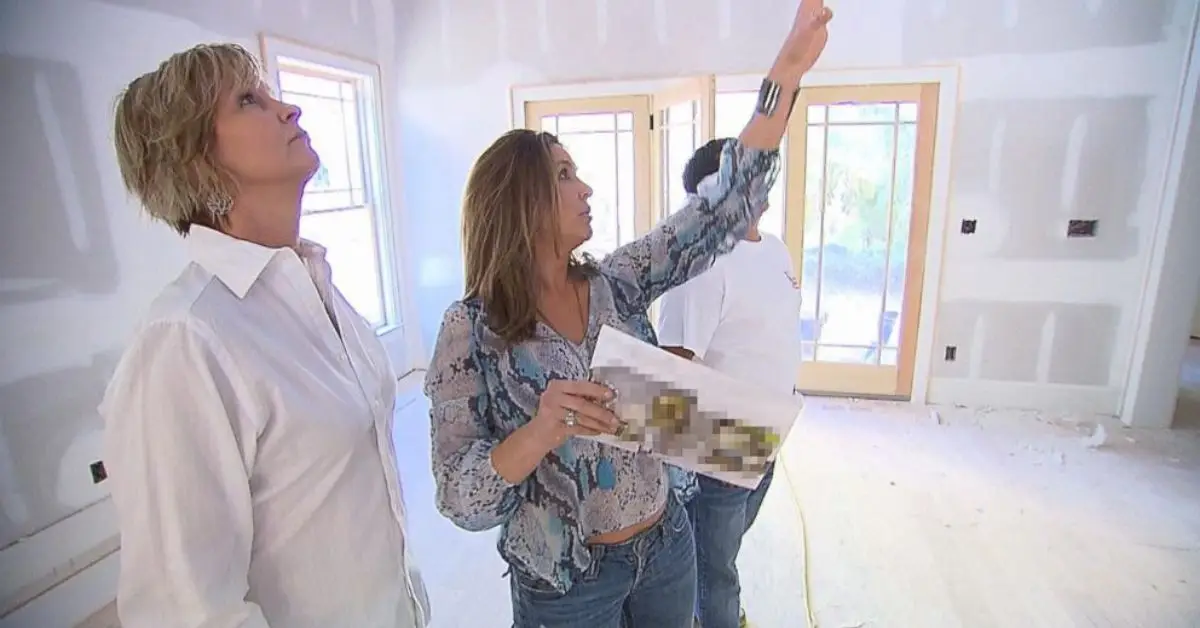
Most of what you see on house-flipping shows is polished for entertainment. The real world is messier, and learning from others’ mistakes is priceless.
Contractor Scams & Practical Avoidance
- Check references carefully and verify licenses.
- Don’t fall for the cheapest bid—reliability beats low price every time.
Mistakes Novices Make vs. Pro Habits
- Rushing: Buying the first house you see almost always leads to regret.
- Hiring the first contractor: A pre-vetted network saves you time, stress, and money.
- Mispricing properties: Know your comps and ARV before setting a target.
- Networking: Pros maintain relationships with contractors, agents, and lenders—they don’t go it alone.
These insights come from real flippers who’ve been burned and those who’ve built consistent profit strategies. Paying attention to this community knowledge will save you mistakes you can’t learn from TV.
Final Thoughts: Flip Smarter, Not Harder
I want you to remember this: house flipping is a strategy, not a game. Strategic flips always beat impulsive flips. Success comes from:
- Timing your buys and sales carefully
- Understanding financing, risk, and tax implications
- Renovating with the buyer in mind, not just your taste
- Building skills, relationships, and networks
The five secrets I’ve shared aren’t shortcuts—they’re ways to protect your money, your time, and your sanity while giving your flips the best chance to succeed.
If you’ve flipped a house before—or are planning your first one—I’d love to hear your experience. Share your thoughts in the comments below. And if you want more in-depth guides, tools, and tips, check out my website, Build Like New, where I share everything I’ve learned about flipping and renovating homes successfully.
Disclaimer: The information in this article is for educational purposes only and reflects personal experience and publicly available data. It is not financial or investment advice. Always do your own research and consult professionals before making real estate decisions.