5 Proven Natural Remedies That Keep Stink Bugs Out of Your House
Every fall, I see the same thing happen. One day your house is fine, and the next day there’s a stink bug crawling on the wall near a window. You didn’t bring it in. It found its way inside.
If you’re here, I’m guessing you don’t want harsh sprays or chemicals inside your home. Most people don’t. And honestly, when it comes to stink bugs, chemicals usually solve the moment, not the problem.
Stink bugs aren’t invading your home because it’s dirty or because they love your couch. They’re coming in for warmth, and they’re using tiny entry points you probably don’t even notice. Kill one, and ten more will try tomorrow.
I’ve researched what actually works, what sounds good but fails in real homes, and where most advice falls short. The natural solutions that matter are not about chasing bugs around your living room. They’re about stopping stink bugs before they enter — calmly, safely, and without turning your house into a chemistry lab.
In this guide, I’ll walk you through five natural ways that focus on prevention, not panic. These are practical steps real homeowners use, not internet myths.
Before we get into the methods, tell me this: Where do you usually see stink bugs first — windows, doors, or somewhere unexpected?
WAY 1: Seal What Attracts Them In — Entry Points, Not Insects
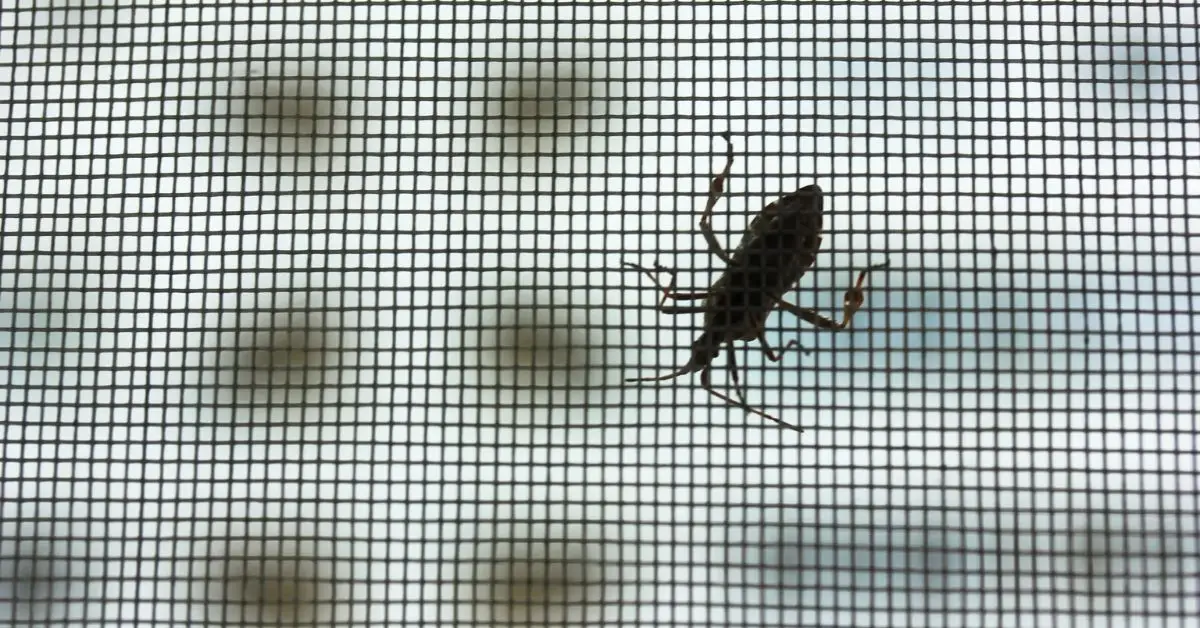
Most people try to fight stink bugs once they’re already inside. I used to think the same way. But after studying SERP content and real homeowner experiences, one thing stands out clearly: if you block how they enter, you don’t need to deal with them later.
Here’s the reality check most articles rush past — stink bugs aren’t attracted to your food or your furniture. They’re attracted to warm air leaking through small gaps. If your home has openings, they’ll find them. Every time.
Common Entry Points Stink Bugs Use
When I look at real cases and expert-backed guidance, the same weak spots show up again and again:
- Small gaps around window frames
- Loose or aging door frames
- Openings around utility pipes and vents
- Cracks in siding, attic edges, and roof lines
You might not notice these gaps because they don’t affect daily life. For stink bugs, they’re wide open doors. Many homeowners are surprised to learn how many overlooked areas quietly invite pests inside — I’ve covered the most common problem zones in detail here: 6 Hidden Spots in Your Home That Attract Bugs and How to Fix Them
Natural Fixes That Actually Work (No Chemicals)
This is where prevention becomes powerful — and honestly, much easier than chasing bugs later.
You don’t need sprays here. You need barriers.
- Silicone caulk to seal cracks around windows, siding, and pipes
- Weather stripping to close gaps under and around doors
- Mesh screens for vents, attic openings, and damaged window screens
Once these are in place, stink bugs don’t have a way in — and without a way in, the problem fades on its own.
Trusted home-care sources like The Spruce consistently emphasize sealing first because it targets the root cause, not the mess that comes after.
I’ve also seen the same message repeated by homeowners on Reddit in simple words: “Once I sealed the gaps, the stink bugs basically stopped.” No chemicals. No smell. No ongoing battle.
If you’re serious about natural solutions for stink bugs, start here. Everything else works better after you shut the door on them.
Let me ask you something before we move on — have you ever actually checked your window and door edges up close, or are you just assuming they’re sealed?
WAY 2: Use Smell-Based Natural Repellents (What Actually Works)
But here’s where most advice goes wrong. Not every strong smell repels stink bugs, and some popular “hacks” are honestly useless. Stink bugs don’t leave because a scent hurts them. They leave because certain smells mess with their navigation and comfort.
That difference matters.
Essential Oils That Actually Disrupt Stink Bugs
Based on expert-backed sources and real testing, these scents consistently work better than myths like dryer sheets:
- Peppermint oil – Overstimulates their sensory system
- Clove oil – Creates a hostile scent zone near entry points
- Neem oil – Acts as a natural deterrent without killing
These oils don’t wipe bugs out. They make your home smell like a place stink bugs don’t want to pass through — and that’s exactly what you want.
Simple DIY Spray Formula (Keep It Targeted)
You don’t need anything fancy. Here’s what actually works:
- Water
- A few drops of one essential oil (don’t mix too many)
- A small amount of mild liquid soap (helps the oil blend)
Where to spray matters more than how often you spray.
Focus only on:
- Window edges
- Door frames
- Cracks you’ve already sealed or identified
If windows are a repeat trouble spot for you, locking them down properly makes a huge difference — I’ve shared practical fixes here: 10 Easy Ways to Bug-Proof Your Windows This Summer
If you spray randomly inside the house, you’ll just smell mint — the bugs won’t care.
One thing entomologists consistently point out: these sprays are for deterrence, not killing. When used correctly, they reduce entry attempts. When used wrong, they do nothing.
Quick reality check for you: Are you spraying where stink bugs walk in, or just where you see them?
WAY 3: Make Your Yard Less Inviting (Outdoor Control = Indoor Relief)
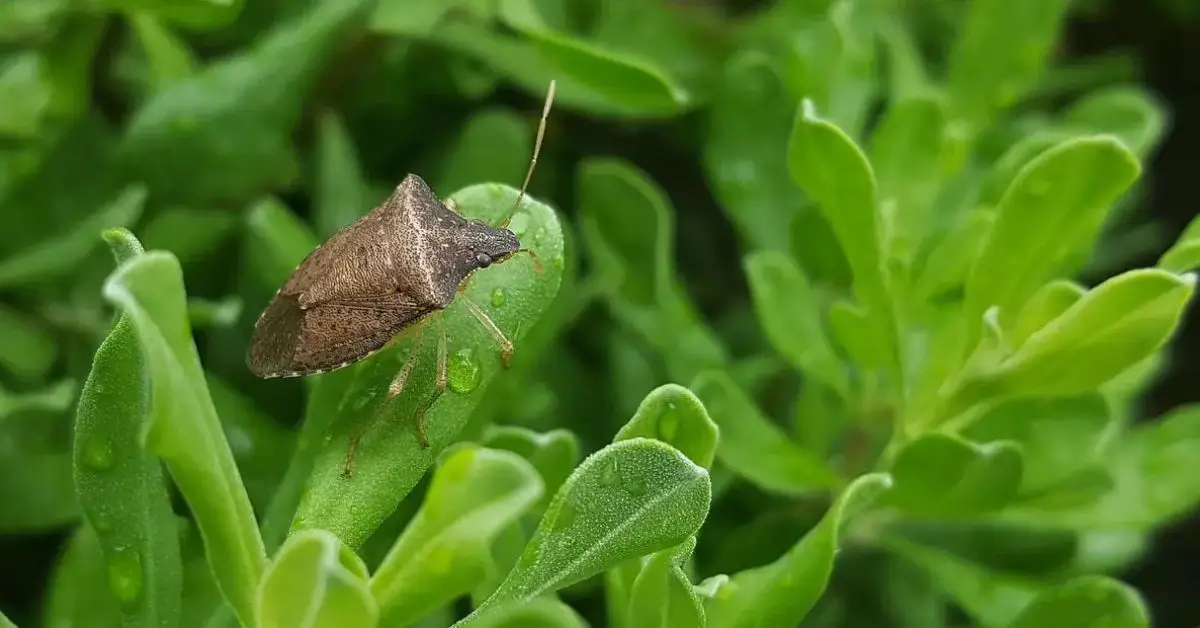
Stink bugs don’t magically appear inside your house. They settle outside first, sometimes weeks before you ever see one indoors. If your yard feels safe to them, your walls become the next stop.
If I’m serious about prevention, I always look outside before blaming the house.
Outdoor Things That Attract Stink Bugs
These are common and easy to overlook:
- Leaf piles sitting near walls
- Wood stacks close to the foundation
- Fruit-dropping plants or trees touching or near the house
To stink bugs, this is shelter, food, and protection — all in one place. This same outdoor exposure can also damage stored items and older materials, which is why I’ve shared practical protection tips in this guide: 8 Proven Secrets to Save Your Vintage Pieces From Sun, Humidity, and Bugs
University extension research, including guidance from Ohio State University, shows stink bugs cluster outdoors before moving indoors as temperatures drop. That connection is rarely spelled out clearly.
Natural Yard Adjustments That Reduce Indoor Problems
You don’t need to redesign your yard. Small changes make a big difference:
- Keep a clean perimeter around the house
- Trim vegetation so it doesn’t touch siding or windows
- Move outdoor lights away from entry doors (lights attract insects, insects attract stink bugs)
When the outside stops feeling comfortable, stink bugs stop trying to move in. It’s that simple.
Before we move on, think about this: If you walked around your house right now, what would stink bugs find waiting for them near your walls?
WAY 4: Physical Natural Barriers That Stop Entry Without Chemicals
If you’re anything like most homeowners I talk to, you don’t want a solution that needs re-spraying every few days. You want something you can set up once and let it quietly do its job. That’s exactly where physical barriers shine.
Diatomaceous Earth (Perimeter Use)
Diatomaceous earth works in a very simple, natural way. It’s not a poison. It’s a fine powder made from fossilized algae that damages insects’ outer shells when they crawl through it.
Here’s how I recommend using it:
- Apply a thin line outdoors along foundation edges
- Use it near cracks, vents, and entry points you can’t seal
- Keep it dry for effectiveness
Just as important is knowing where not to use it:
- Don’t spread it freely indoors
- Avoid areas where pets or kids play
- Never apply it in the air or on soft surfaces
When used correctly, it acts like a silent boundary. Bugs cross it once — and stop trying.
Herbal Sachets Near Doors & Windows
This is one of those old-school methods that still holds up when used the right way.
Strong scent zones confuse stink bugs and make entry points uncomfortable for them. You can create small sachets using:
- Mint leaves
- Lavender
- Bay leaves
Place them near doors, windows, or storage areas where stink bugs might hide. You’re not trying to scent the whole house. You’re creating targeted no-go zones.
Let me ask you this: would you rather keep re-spraying your home, or quietly block stink bugs before they even try?
WAY 5: Safely Handle the Ones That Still Get Inside
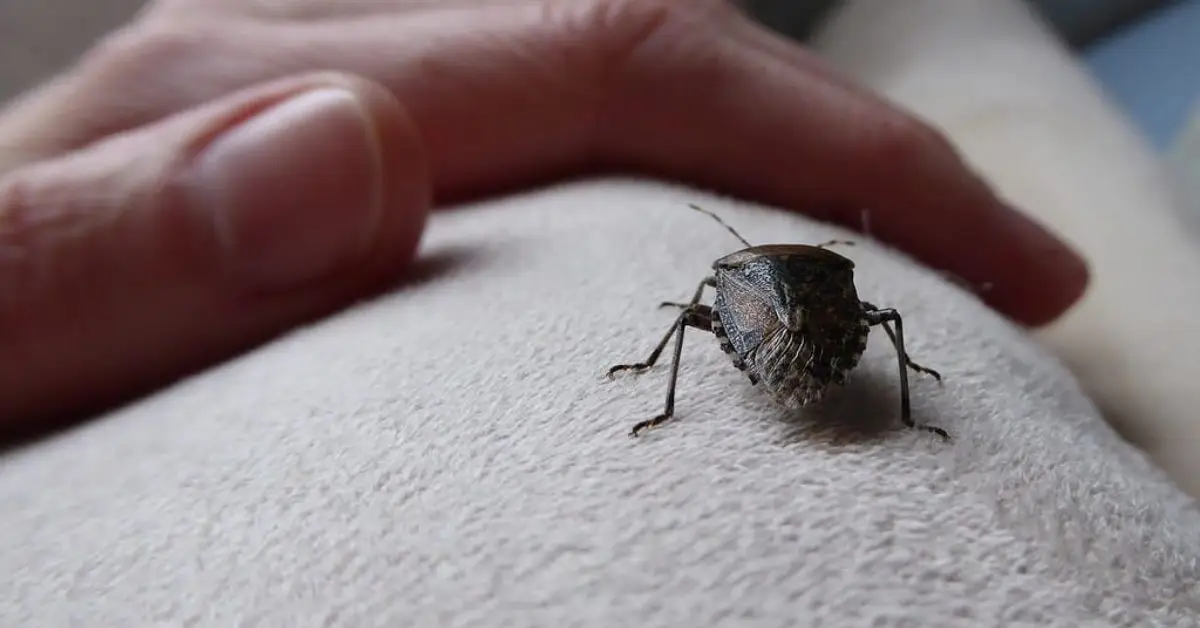
Even when you do everything right, one or two stink bugs might still sneak in. This is where most people panic — and make the problem worse.
I’ve seen it happen over and over. Someone sees a stink bug, grabs a tissue, and crushes it. Big mistake.
What NOT to Do
These reactions feel natural, but they backfire:
- Crushing stink bugs — this releases their odor and can attract more
- Using aerosol sprays indoors — strong smells, poor ventilation, short-term effect
If there’s one thing stink bugs are good at, it’s punishing panic.
Natural Removal Methods That Work
Calm, simple removal works best:
- Vacuum method: Use a vacuum with a disposable bag or add a little soap water inside the canister
- Soap + water trap: A shallow bowl under a light draws them in and traps them
- Light-based capture at night: Turn off room lights, leave one lamp near a trap
Authoritative pest resources like NPIC emphasize non-chemical removal because stink bugs are nuisance pests, not dangerous ones. The goal is safe removal without triggering odor or stress.
So here’s my question for you: When a stink bug shows up inside, do you react fast — or do you remove it calmly and cleanly?
Wrap-Up: How to Combine All 5 for Best Results
If there’s one mistake I see people make, it’s relying on just one fix. A spray here. A trap there. It feels productive, but it rarely lasts.
Stink bugs don’t operate on one level, so your prevention can’t either. If you seal gaps but ignore your yard, they’ll keep gathering outside. If you use repellents but leave entry points open, they’ll still sneak in. And if you only deal with the ones you see indoors, you’re always reacting too late.
What actually works is layered prevention.
You seal entry points so they don’t get access.
You use scent-based repellents to make those entry points uncomfortable.
You clean up the yard so they don’t settle near your walls in the first place.
You add physical barriers that work quietly in the background.
And if one still gets inside, you remove it calmly without triggering odor or stress.
This approach works best when you start before peak season. Fall is when stink bugs look for warmth, and small steps taken early save you weeks of frustration later.
If you’re serious about keeping your home pest-free the natural way, think in systems — not shortcuts. That’s how you stop the cycle instead of chasing bugs room to room.
I’d love to hear from you: Which of these five methods are you already using, and which one surprised you the most? Drop a comment and share what’s worked in your home.
And if you want more practical, no-nonsense home improvement and prevention guides like this, explore more resources on Build Like New. My goal there is simple — help you protect and improve your home without overcomplicating things.
Disclaimer: Natural methods help reduce stink bug entry and activity, but results can vary based on home structure, location, and season. Severe or ongoing infestations may require professional inspection or exclusion services.