5 Genius Tricks to Unclog a Toilet Without a Plunger
If you’ve ever faced a clogged toilet and realized there’s no plunger in sight, you know how stressful it can feel. I’ve been there myself—standing in the bathroom, staring at water creeping up the bowl, thinking, “Now what?” The good news is, you don’t have to panic or make a mess. Over the years, I’ve learned several plumber-approved ways to unclog a toilet using items you probably already have at home.
In this guide, I’ll walk you through methods that actually work, explain why they’re effective, and show you when it’s time to call in the pros. By the end, you’ll have the confidence to tackle most clogs safely, without ever reaching for a plunger.
How Toilet Clogs Happen
Before we dive into fixing a clogged toilet, it helps to understand why it happens. I’ve seen plenty of friends and clients assume every clog is the same, but knowing the difference can save you time—and prevent damage.
- Too much toilet paper: This is the most common culprit. Even a “normal” amount can cause a backup if it doesn’t break down quickly.
- Non-flushable items: Wipes, paper towels, feminine products, or small toys can create serious blockages. I’ve learned the hard way that just one small object can stop everything.
- Deep or stubborn blockages: Sometimes the problem isn’t just the toilet bowl; it’s further down in the pipes. These clogs usually need stronger intervention or professional help.
Understanding these differences helps you choose the right method. A light clog often responds to simple DIY tricks, while a stubborn one might require more effort—or knowing when to call a plumber.
Safety First: Prep Before You Unclog
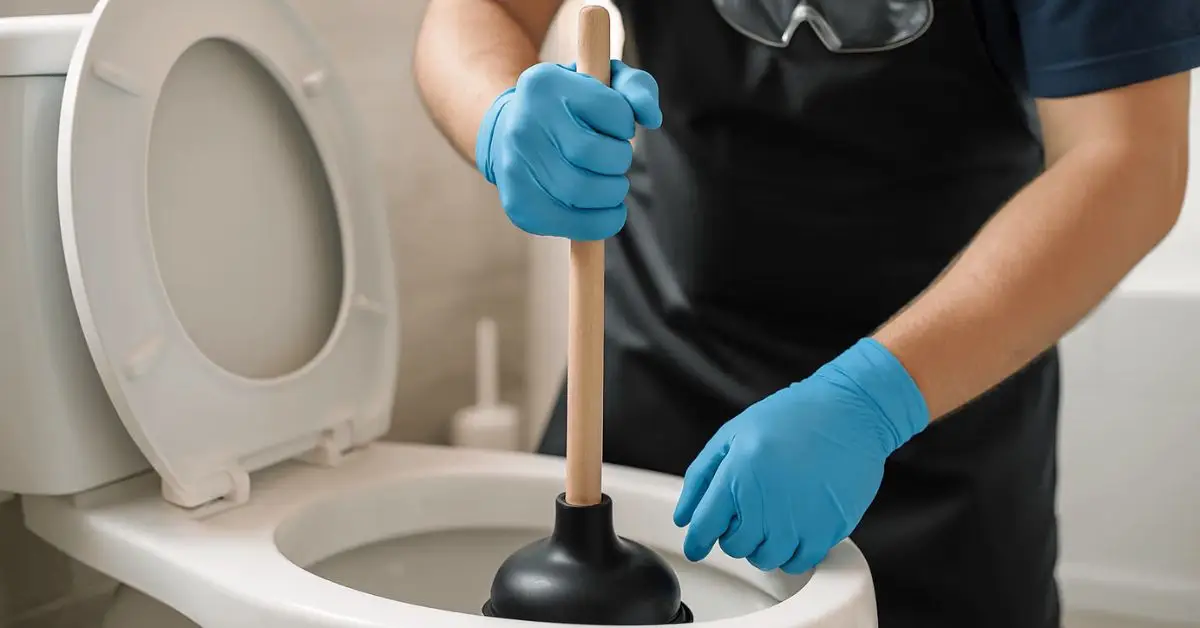
I always start by preparing properly—it saves a lot of stress and mess. Here’s my checklist before tackling a clogged toilet:
- Turn off the water supply: Stop the tank from refilling by shutting off the valve behind your toilet. This prevents unexpected overflow. You can find a detailed guide on this step at The Home Depot.
- Protect yourself: Gloves are a must, and goggles are a smart idea if you’re trying more forceful methods.
- Protect your bathroom floor: Lay down towels or an old sheet. Trust me, it’s way better to prep than to clean up a flood afterward.
Taking these precautions first makes the unclogging process safer and less stressful—you can focus on solving the problem, not worrying about the mess.
Core Methods
When it comes to unclogging a toilet without a plunger, I usually start with the easiest, most accessible methods and move toward more mechanical approaches if needed. Over time, I’ve found that these four approaches cover almost every household clog.
Method 1: Hot Water + Dish Soap
This is my go-to first step because it uses items you almost always have at home. Here’s how I do it:
- Squirt a generous amount of dish soap directly into the toilet bowl.
- Carefully pour hot—but not boiling—water into the bowl.
- Wait 10–15 minutes for the mixture to lubricate and soften the clog.
- Flush gently and watch the water drain.
Why it works: The soap lubricates the blockage, while the hot water helps break it up. The combination often gets even stubborn clogs moving again.
Method 2: DIY Pressure (Plastic Bottle or Water Pour)
HomeDIYTips
If soap and water alone don’t do the trick, creating pressure is often the next step. I like using items I already have:
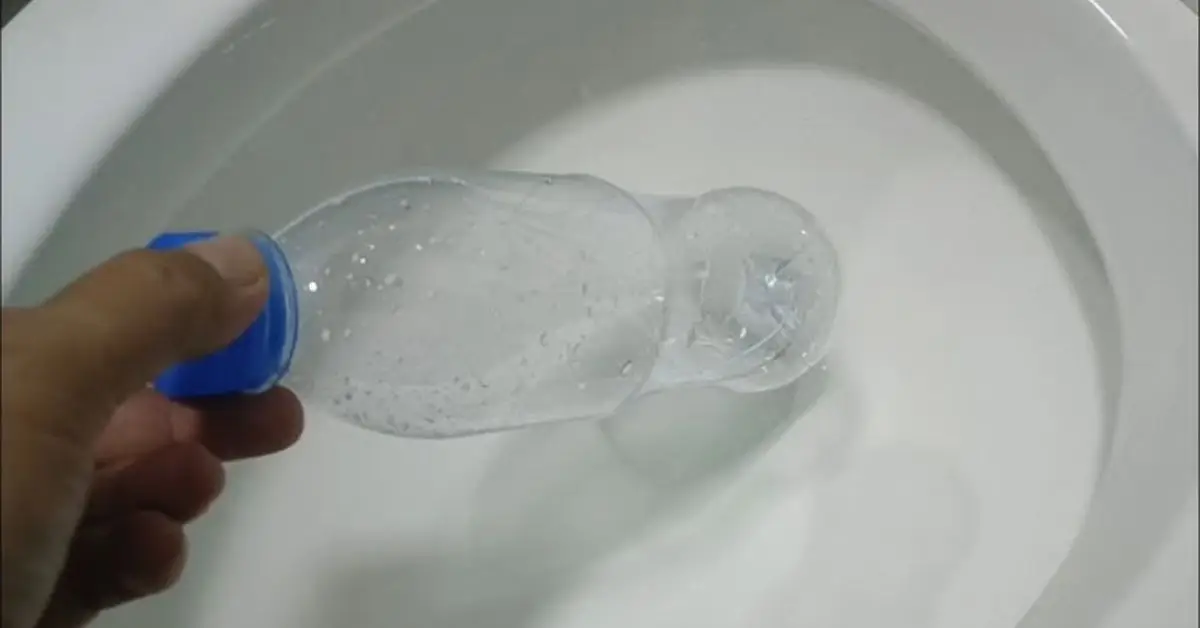
- Grab a large plastic bottle and cut off the bottom.
- Place the opening into the toilet drain and squeeze firmly to push water into the pipe.
- Alternatively, carefully pour water from a height to add force behind the clog.
This method mimics what a plunger does, and it works surprisingly well for moderate blockages.
Method 3: Mechanical Dislodge (Wire Hanger / Toilet Brush / Auger)
Sometimes, physical intervention is needed. Here’s how I approach it:
- Straighten a wire hanger and wrap a rag around the end to make a DIY snake. Gently push it into the drain to break up the clog.
- A toilet brush can help move softer blockages if used carefully—don’t force it too hard to avoid damage.
- For tougher clogs, a real toilet auger is worth the investment. Plumbers often recommend this tool for stubborn blockages that can’t be cleared with DIY methods.
Method 4: Baking Soda + Vinegar
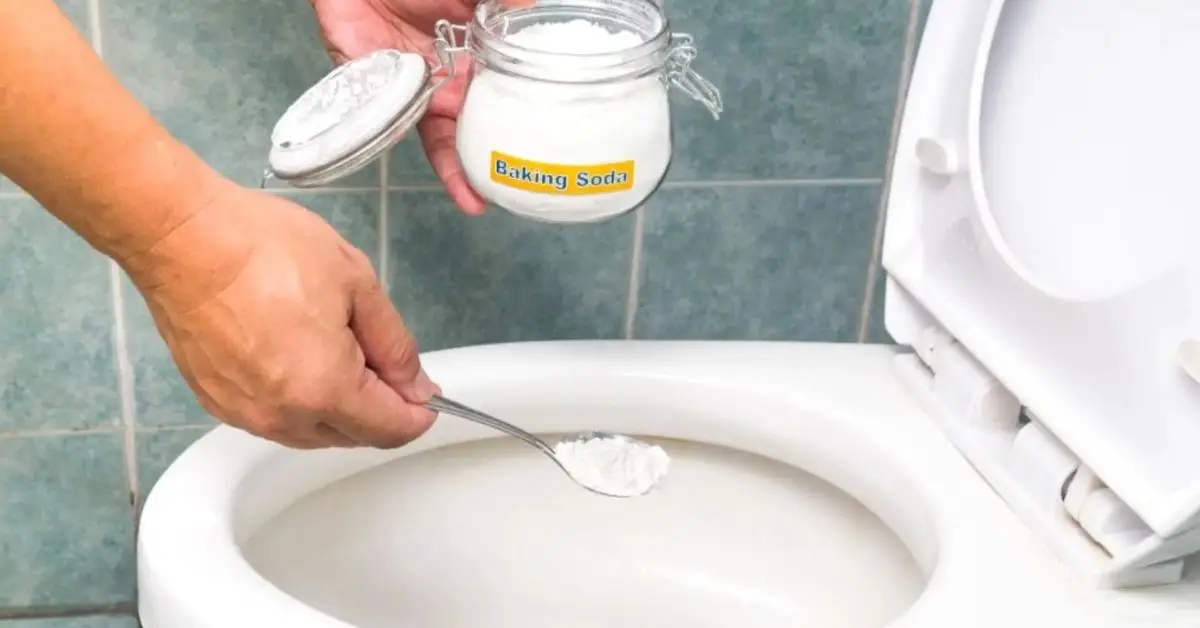
If you prefer a natural approach, the baking soda and vinegar fizz reaction is worth trying:
- Pour one cup of baking soda into the toilet, followed by one cup of vinegar.
- Let it sit for 20–30 minutes as it fizzes and breaks up the clog.
- Flush carefully.
Timing is key, and it’s important not to mix this with other chemicals. For more guidance on safe chemical-free unclogging methods, you can refer to This Old House.
If you want additional ways to maintain fresh toilet water naturally after unclogging, check out my guide on 10 Natural Hacks to Keep Your Toilet Water Smelling Fresh.
Method 5: Enzyme or Safe Toilet‑Safe Cleaners
When DIY methods haven’t worked, I sometimes turn to enzyme-based or safe toilet cleaners. They’re surprisingly effective for breaking down organic waste without harsh chemicals.
- Use according to the product instructions—usually pour into the bowl and let it sit overnight.
- These cleaners work slowly but safely, making them ideal for regular maintenance or tougher organic clogs.
- Pros: gentle on pipes, eco-friendly, and reduces odor.
- Cons: not instant, and won’t help with objects like toys or wipes.
For more guidance on safe, effective unclogging techniques, I follow the practical tips shared at Technology.org.
What Not to Do
Avoiding common mistakes is just as important as knowing the right techniques. I’ve learned that a wrong move can make a clog worse or even damage your toilet.
- Don’t use boiling water: It can crack porcelain and create a bigger mess.
- Never mix strong chemicals: Bleach + drain cleaner can release toxic fumes.
- Don’t flush repeatedly: Repeated flushing can cause overflow and water damage.
Keeping these precautions in mind makes unclogging much safer and prevents frustrating setbacks.
Tips & Prevention
Long-Term Tips to Avoid Future Clogs
I’ve learned that preventing clogs is always better than fixing them. Here are the key habits I follow:
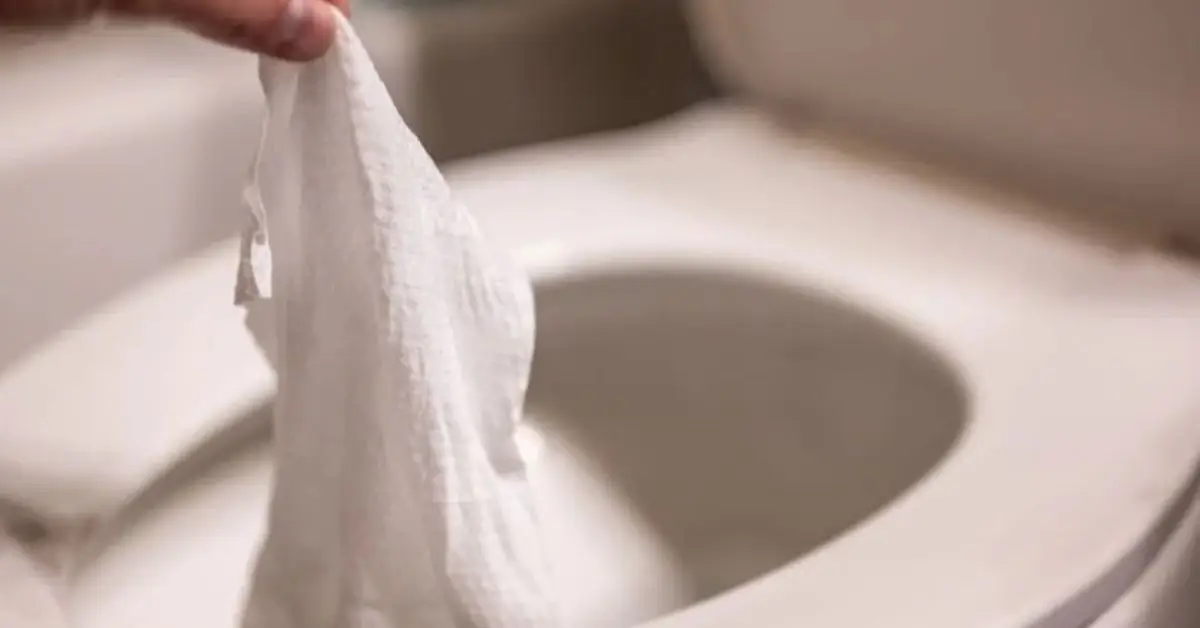
- Know what not to flush: Wipes, paper towels, cotton pads, and feminine products are common culprits. Stick to toilet paper only.
- Use recommended amounts of toilet paper: It’s easy to overdo it—less is more when it comes to avoiding clogs.
- Regular maintenance habits: Occasionally use enzyme cleaners or flush with hot water and dish soap to keep the pipes clear. A little care goes a long way.
These habits not only reduce the risk of clogs but also save you stress and money over time.
Also, keeping an eye on your toilet tank can prevent issues—check out 7 Signs Your Toilet Tank Needs Cleaning Now for practical tips.
Decision Guide: When to Call the Plumber
Sometimes, DIY methods just aren’t enough. Here’s how I know it’s time to call in a professional:
- Deep or sewer line blockage: If water backs up into multiple drains or the toilet still won’t drain after multiple attempts.
- Multiple stubborn failures: When you’ve tried several methods and nothing is working.
- Water backing up into other drains: This is a clear sign the issue is beyond the toilet itself.
Recognizing these signs early prevents unnecessary damage and costly repairs.
Conclusion
Clogged toilets are stressful, but you don’t always need a plunger to fix them. By understanding the cause, following safe methods, and keeping up with preventive habits, you can tackle most clogs confidently.
I’d love to hear from you—what’s your go-to method for unclogging a toilet without a plunger? Share your experience in the comments below! And if you want more practical home-improvement tips and expert advice, check out my website, Build Like New, where I share tested solutions for everyday household problems.
Disclaimer: The tips in this article are for general informational purposes only. Always exercise caution when handling household plumbing, and consider calling a licensed plumber for serious or persistent issues. Build Like New is not responsible for any damage or injury resulting from the methods described.