Don’t Forget These 5 Hidden Costs When Buying a Home
When I bought my first home, I thought I had my budget locked down. Down payment? Check. Mortgage? Check. What I didn’t expect were the hidden costs that hit me like a surprise storm. From fees at closing to emergency repairs that no one warns you about, these “extras” can quietly push your spending way beyond what you planned.
You might think you’ve accounted for everything, but the truth is, most buyers don’t realize how much these unexpected expenses can add up. Over the years, I’ve seen first-time homeowners stressed, frustrated, and even regretting their choices—all because they didn’t plan for these five sneaky costs.
In this article, I want to walk you through the most common hidden costs of buying a home, share real-life examples, and show you exactly how to budget for them so your dream home doesn’t turn into a financial headache.
1. Closing Costs That Surprise Even Experienced Buyers
I remember sitting at the closing table and realizing just how many little fees were stacked on top of my mortgage. Even experienced buyers can be caught off guard because these costs aren’t always obvious upfront.
Here’s what you need to watch out for:
- Title insurance: Protects you if any past ownership claims come up.
- Loan origination fees: What your lender charges to set up the loan.
- Escrow fees: Paid to a third party handling the paperwork and funds.
- Attorney or notary fees: Some states require legal oversight for home transfers.
- Transfer taxes: Depends on your state or local jurisdiction.
f you’re new to home buying, understanding how these fees work can save you a lot of stress—our guide on buying a starter home walks you through the process step by step.
Most closing costs fall between 2–6% of your home’s purchase price, and that’s money you should plan for before you even sign the papers. I found a really helpful breakdown on Redfin that explains all these hidden charges in detail.
Pro tip: Always ask for a Loan Estimate early in the process so you’re not shocked at the table. Trust me—you’ll sleep a lot easier knowing exactly what’s coming.
2. Inspection & Appraisal Fees — Plus Repairs They Reveal
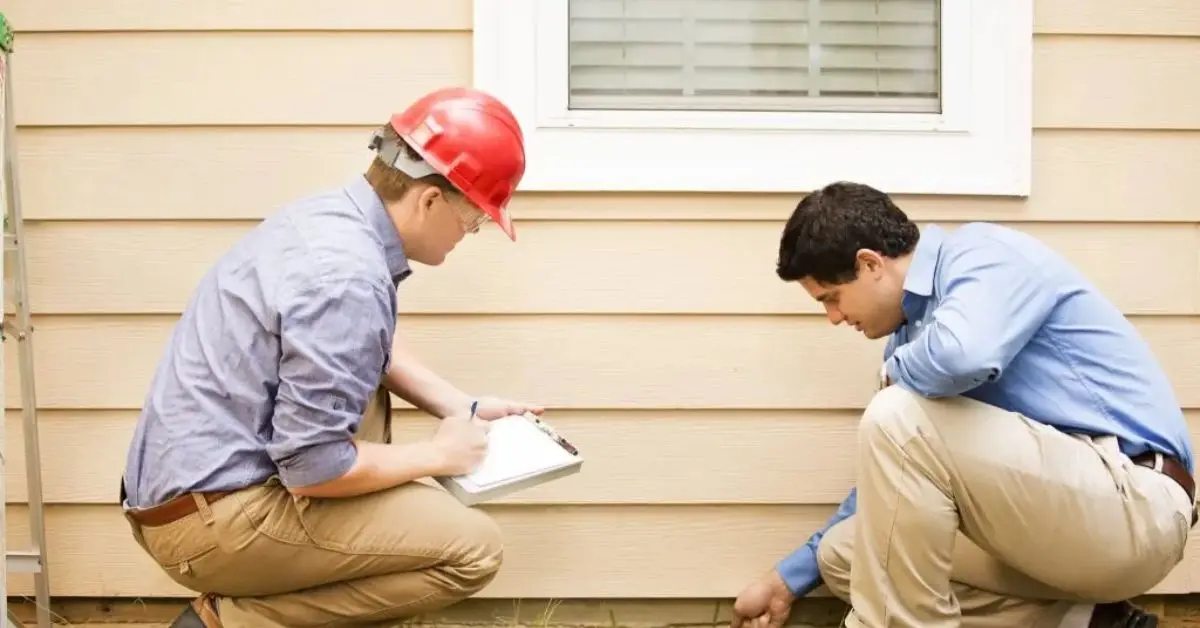
I’ll be honest: when I bought my first home, I underestimated inspections. You think of them as a formality, but that piece of paper can save you thousands—or even tens of thousands—if it catches major issues.
Here’s what to keep in mind:
- Standard inspections: Usually $300–$600; cover general issues like electrical, plumbing, and structure.
- Specialty inspections: Radon, pests, sewer lines—these cost extra but can reveal serious problems.
- Appraisal fees: Typically $300–$500, required by your lender to verify the home’s value.
- Unexpected repair surprises: Roof leaks, HVAC replacement, plumbing problems, or pest infestations can show up right after inspection.
I’ve seen first-time buyers shocked by repair costs, and honestly, you don’t want to be one of them. Taking the inspection seriously—and budgeting a buffer for potential repairs—is one of the smartest moves you can make.
3. Moving & Immediate Post-Move Expenses
Moving day felt like a second surprise bill hitting my wallet. Even if you think you’ve accounted for everything, the moment you start unpacking, the costs pile up faster than expected.
Here’s what I learned to watch for:
- Movers vs. DIY: Hiring professionals can cost anywhere from $500 to $2,500 depending on distance and size of the move.
- Utility deposits and setup fees: Electricity, water, internet—these are often forgotten until you actually need them.
- Lock changes & security upgrades: Changing locks or installing smart systems is extra, but it’s worth it for peace of mind.
- Overlapping rent payments: If you’re moving from a rental, you might be paying two places for a short period.
A simple tip: plan your move budget separately from your purchase price so you’re not caught off guard by these immediate costs. I found a detailed guide on FastExpert that breaks down typical moving expenses and what to expect.
4. Taxes, Insurance & PMI — Ongoing Budget Busters

Once the dust settles, recurring costs start knocking on your door. This is where many buyers get tripped up—they underestimated how much their monthly budget would stretch.
Here’s what I make sure to include:
- Property taxes: These vary widely by state and can rise each year, sometimes unexpectedly.
- Homeowners insurance: Standard coverage is a must, but don’t forget potential add-ons like flood or earthquake protection. Understanding whether home insurance is compulsory can help you plan your budget more accurately and avoid unexpected surprises.
- Private Mortgage Insurance (PMI): If your down payment is less than 20%, this will increase your monthly payment.
Data shows that hidden costs can add up to $18,000–$21,400 per year for homeowners (Citizens Bank). Knowing these numbers ahead of time lets you plan realistically and prevents nasty surprises.
5. Maintenance & Emergency Repairs You Didn’t Plan For
I’ll be honest—this is where many homeowners end up spending way more than they expected. Even if your home is in perfect shape on move-in day, unexpected repairs are inevitable.
Here’s what I recommend budgeting for:
- Annual maintenance: Plan for 1–4% of your home’s value each year
- Common emergency repairs: HVAC, plumbing issues, roof damage, or appliance replacements
- Survey insight: Over 45% of homeowners reported unexpected costs exceeding $5,000
- Real-life social proof: Reddit threads are full of stories from homeowners caught off guard by repairs
By planning for these, you won’t feel the stress when something breaks. It’s better to be proactive than reactive.
Common Mistakes First-Time Buyers Make

When I first bought a home, I made a few mistakes that ended up costing me more than I expected. You might be surprised how easy it is to fall into the same traps—so let’s go over the most common ones.
- Skipping inspections or rushing through them: I know it feels tempting to save money or time, but skipping even one inspection can lead to expensive surprises later. Always take your inspection seriously.
- Underestimating taxes and insurance: Many first-time buyers focus only on the mortgage. I didn’t plan for property taxes and insurance increases, and that stretched my monthly budget tighter than I anticipated.
- Not building an emergency fund: Repairs, movers, or unexpected fees can come up fast. I learned the hard way that having a small buffer can save you serious stress.
By knowing these pitfalls, you can avoid common mistakes and make smarter choices from the start. Trust me—learning from others’ experiences can save you thousands and a lot of headaches.
Bonus: How to Avoid Breaking Your Budget
After all these hidden costs, I always advise my readers to take a few concrete steps to stay on track:
- Build a 5–10% buffer above your purchase price for unexpected expenses
- Get quotes early for inspections, movers, and insurance—don’t wait until the last minute
- Negotiate seller credits or closing cost assistance wherever possible. Negotiating the home price or requesting seller credits can significantly reduce your upfront costs—check out our guide on how to negotiate your home price effectively.
These simple steps can save you thousands and prevent your dream home from turning into a financial headache.
Closing Summary & Takeaways
Let’s quickly recap: buying a home isn’t just about the down payment and mortgage. You’ve got:
- Closing costs that can surprise even experienced buyers
- Inspection and appraisal fees that reveal potential repairs
- Moving and immediate post-move expenses
- Taxes, insurance, and PMI that stretch your budget over time
- Maintenance and emergency repairs that almost always pop up
The key takeaway? Plan ahead, budget wisely, and expect the unexpected.
I want to hear from you: have you faced any hidden home-buying costs that completely caught you off guard? Drop a comment below—I’d love to see your experiences. And if you want more tips and guides on smart home buying, check out my website: Build Like New.
Disclaimer: This article is for informational purposes only and does not constitute financial, legal, or real estate advice. Costs and fees may vary by location and individual circumstances. Always consult a qualified professional before making home-buying decisions.