5 Secrets to Selling Your Home Fast Without Losing Cash
Selling a home quickly without losing money has always felt like walking a tightrope to me. You want a fast sale, but the last thing you need is to give away your hard-earned equity. Over the years, I’ve seen too many homeowners panic, slash prices, or accept lowball offers, thinking speed automatically costs profit. The truth? You can move fast and still come out ahead—but only if you approach it strategically.
In this guide, I’m going to walk you through five practical ways to sell your home quickly without sacrificing the money you deserve. We’ll cover everything from understanding your true costs to smart pricing, impactful staging, and marketing that actually attracts the right buyers. I’ll also show you how to negotiate like a pro, so you keep as much profit as possible even when time is tight. By the end, you’ll have a clear, actionable plan—no guesswork, no fluff—just proven strategies that work in today’s market.
Before we dive in, think about this: how much of your home’s value are you willing to risk just to sell fast? Keep that in mind as we move forward, because the goal here isn’t just speed—it’s smart speed that protects your wallet.
Understand Your True Break‑Even Point (Before You List)
Before you even think about listing your home, you need to know your true break-even point. I’ve seen so many homeowners get excited about a fast sale but forget that every transaction has costs that chip away at your profits. Agent commissions alone usually take 5–6%, and when you add closing fees, staging, and minor repairs, it can easily eat into the money you thought you’d walk away with.
Here’s how I break it down for my clients:
- Agent commission: Usually 5–6% of your sale price.
- Closing costs: These can include title insurance, attorney fees, and taxes—sometimes 2–3% of the sale.
- Repairs and staging: Smart, cost-effective improvements can boost your price, but overspending can backfire.
Understanding which improvements actually increase your home’s value can prevent wasted effort and money; learn more about boosting your home’s selling value before you list.
To calculate your break-even point, take your expected sale price and subtract all these costs. Then, add a profit target to see the minimum price you should accept. Knowing this number gives you confidence during negotiations and keeps you from panicking into a price drop.
1. Price It Strategically (Not Too High, Not Too Low)
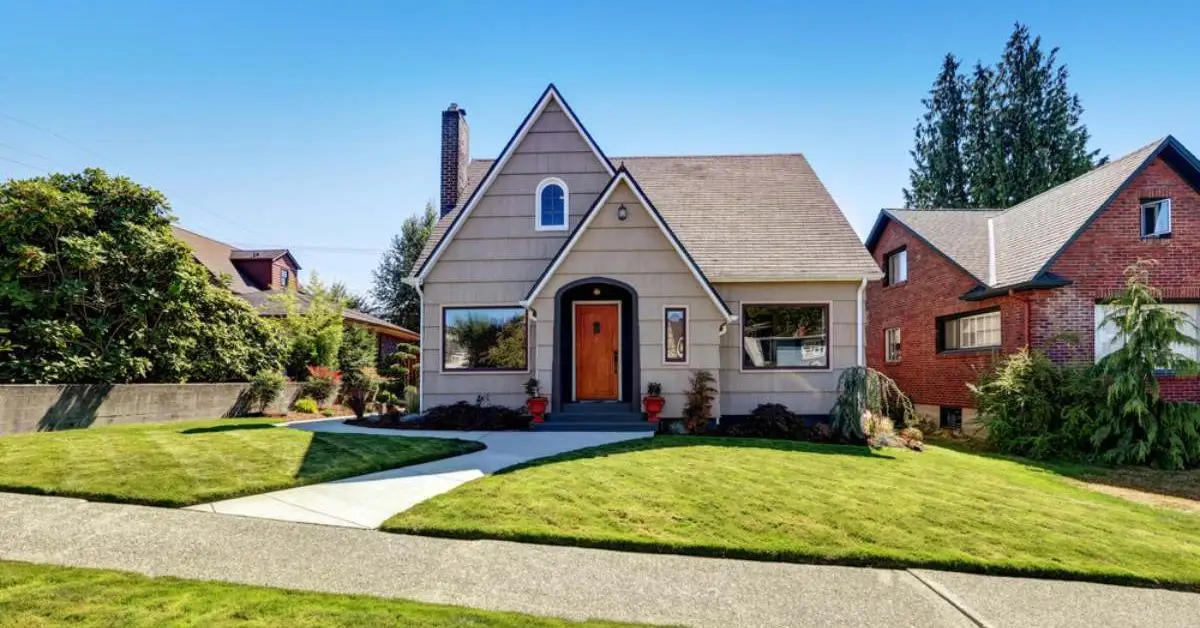
Pricing your home is where most sellers stumble. I always tell people: price it too high, and your listing sits on the market; too low, and you leave money on the table. You want a sweet spot that attracts buyers fast while preserving profit.
Here’s my approach:
- Use comparables (CMA): Look at recent sales in your neighborhood, focusing on homes similar in size, condition, and features.
- Strategic under-market pricing: Sometimes a slightly lower listing price can spark multiple offers and even trigger a bidding war—giving you a higher final sale price.
- Avoid last-minute cuts: Drastic reductions late in the process signal desperation and can damage perceived value.
2. Maximize Perceived Value With High‑Impact Prep (Without Overspending)
A clean, well-presented home sells faster—and I mean really clean, not just tidy. But here’s the key: you don’t need to blow your budget to impress buyers.
- Declutter and deep clean: Small effort, big impression. Removing personal items and ensuring every surface shines makes the space feel move-in ready.
- Focus on key repairs, skip the rest: Fix what matters—leaks, broken doors, or safety hazards. Avoid expensive upgrades that rarely recoup cost. Learn more about what not to fix on Investopedia. Not all repairs are worth the cost—here’s a guide on essential home repairs to do before selling to maximize your sale without overspending.
- Boost curb appeal: A fresh coat of paint on the front door, a little landscaping, and modern fixtures make your home inviting.
- Virtual staging and professional photos: Low-cost but highly effective in attracting online buyers.
- Quick ROI upgrades: Swap outdated lighting, install new cabinet handles, or refresh faucets to make your home feel modern without overspending.
Small upgrades in key areas, like your bedroom, can make your home more appealing and help it sell faster—check out these tips to upgrade your bedroom before listing for actionable ideas
Even small changes can make buyers feel like the home is move-in ready, which often accelerates offers.
3. Targeted Marketing That Brings Buyers Fast
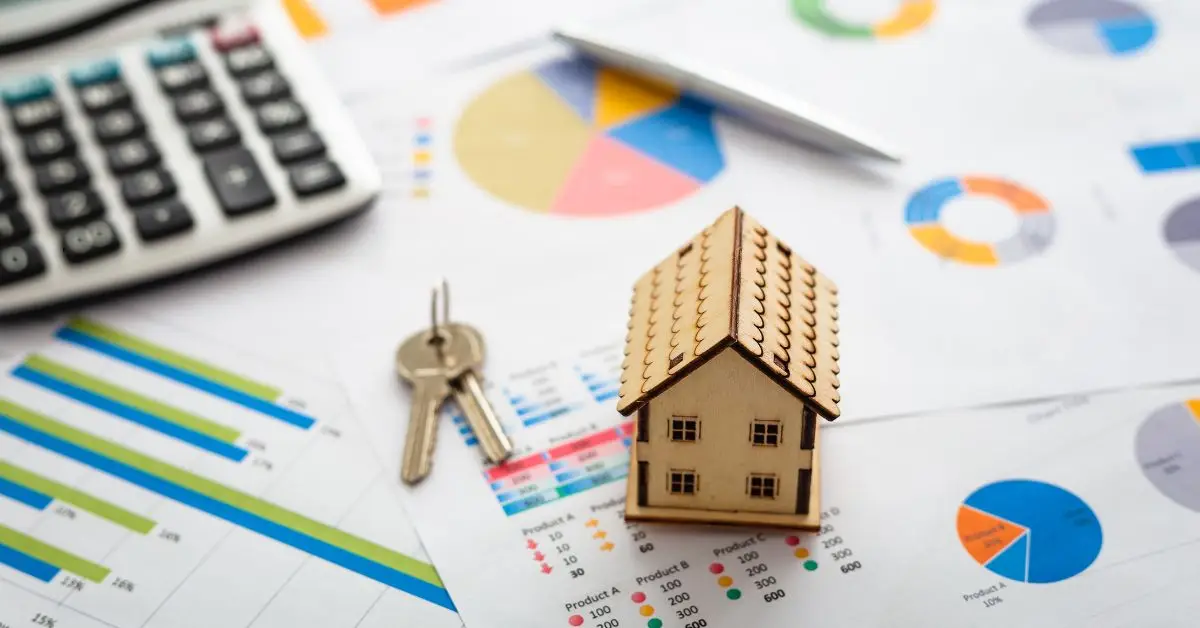
Listing on MLS alone won’t cut it today. I’ve learned that reaching the right buyers quickly is just as important as pricing and staging.
- Cross-platform exposure: List on MLS, Zillow, Realtor.com, and don’t forget social media. Broad visibility attracts serious buyers faster.
- Highlight what buyers care about: Energy efficiency, storage, and outdoor space are hot features right now
- Premium visuals: Video tours and drone shots can make your listing stand out in crowded markets.
- Leverage local communities: Facebook Marketplace and neighborhood boards often connect you with buyers willing to move fast.
The goal here is simple: make your home easy to find, easy to fall in love with, and easy for buyers to imagine themselves living in.
4. Choose the Best Selling Approach Based on Your Priorities
There isn’t a single “best” way to sell, and rushing into the wrong approach can cost you. Here’s how I guide homeowners:
- Traditional agent vs. FSBO: Using an agent usually gives you marketing reach and negotiation expertise, but FSBO can keep more equity if you’re ready to manage the process.
- iBuyers and cash offers: These options are fast but often come with concessions. Knowing the trade-offs helps you decide if speed or profit matters more in your situation. Forbes mention iBuyer so you know what to expect.
- Targeting qualified buyers: Pre-qualified or cash buyers move faster and reduce the risk of deal fallout, which is crucial if time is your priority.
The key is knowing your priorities, understanding the trade-offs, and picking the approach that maximizes your net proceeds without slowing the sale.
5. Negotiation Tactics That Protect Your Profit
Negotiation can make or break your sale, especially when you’re trying to move fast. I always tell sellers: don’t give away your equity just to get a quick “yes.”
Here’s what I focus on when negotiating:
- Concessions worth making: Offering flexibility on closing dates or minor closing costs can help seal the deal without cutting deeply into your profit.
- Concessions that hurt: Dropping your price unnecessarily or agreeing to major repairs buyers request can quickly erode your bottom line.
- Reading offers carefully: Look beyond the number—consider contingencies, timelines, and buyer pre-approval. Knowing when to counteroffer or push for better terms is key.
The goal is simple: get the deal done fast while keeping as much money in your pocket as possible.
Timing Your Sale for Maximum Return

Believe it or not, timing can be just as important as price or staging. I always remind sellers that days on the market send signals to buyers—longer listings often feel like trouble.
- Seasonal trends: Spring and early summer typically see more active buyers, which can drive quicker offers.
- Days on market matter: The longer a home sits, the more buyers assume there’s a problem, which can push offers down.
- Best days to list: Data shows that homes listed early in the week often get more attention and higher engagement online.
Planning your listing with market timing in mind can help you move fast without giving away profit.
Smart Post‑Sale Planning (Avoid Hidden Losses)
Even after accepting an offer, the work isn’t over. I always make sure my clients plan for post-sale costs so they don’t get blindsided:
- Closing cost negotiation: Review every fee and ask for credits where possible.
- Tax implications: Capital gains, exemptions, and deductions can affect your net proceeds—plan ahead.
- Unexpected issues: Inspection or appraisal surprises can come up; having a contingency strategy prevents last-minute losses.
For a reliable, practical guide on closing costs and selling strategies, check out Bankrate’s tips for selling a home. It’s a trusted resource that helps you avoid hidden costs and maximize your profit.
Wrap Up With Action Plan (Checklist)
Let’s bring it all together. Here’s a concise, actionable checklist you can use to sell fast without losing money:
Pre-listing checklist:
- Know your break-even point
- Set clear profit goals
- Identify cost-effective repairs
Marketing checklist:
- Professional photos and virtual staging
- Cross-platform listings + social promotion
- Highlight unique features buyers care about
Negotiation checklist:
- Know which concessions to make
- Read offers beyond the price
- Counteroffer strategically
Closing profit protection checklist:
- Review closing costs carefully
- Plan for taxes and fees
- Have a strategy for unexpected inspection or appraisal issues
Selling your home doesn’t have to feel like a gamble. Follow these strategies, and you can move fast while protecting your profit.
I’d love to hear from you—what’s your biggest fear when selling a home quickly? Drop a comment below, or visit Build Like New for more practical, expert tips to sell smart and maximize your returns.
Disclaimer: The information provided in this article is for general educational purposes only and does not constitute financial, legal, or real estate advice. Always consult with a licensed professional before making decisions related to buying or selling property.