6 Warning Signs Your Kitchen Has Too Much Clutter, Pro Organizers Say
I’ve worked with enough homes—and studied enough expert advice—to see this clearly: most kitchens don’t feel cluttered because they’re small. They feel cluttered because they’re overloaded. If your kitchen looks “okay” but still feels stressful, cramped, or harder to use than it should be, that’s usually a sign something deeper is off.
I see this all the time. Counters get cleaned, dishes get put away, yet cooking still feels annoying. You’re moving things around just to prep a meal. You forget what you already own. Nothing is technically messy, but nothing feels easy either. That’s often how an overcluttered kitchen hides in plain sight.
What makes this tricky is that clutter doesn’t always look dramatic. It shows up as friction—extra steps, wasted time, low-grade frustration you’ve gotten used to. And smart, organized people fall into this just as easily, especially when life gets busy.
That’s why I want to slow this down and look at the real signs. Not extreme hoarding, not picture-perfect kitchens—but everyday signals experts notice when a kitchen is doing more work against you than for you.
As you read, be honest with yourself. Which of these signs sounds a little too familiar in your own kitchen?
Sign 1: Constantly Cluttered Countertops
I’m going to be straight with you: your countertops are the heartbeat of how your kitchen feels and works. If you can’t start cooking without clearing space first, that’s not just “a little messy.” That’s functional clutter.
When stuff lives out on the counters all the time, it steals your workspace and adds mental noise. It’s like having a desk full of junk when you’re trying to get real work done.
Here’s what usually causes that:
- Small appliances everywhere. A coffee maker here, a blender there, an air fryer on the other side — it all adds up fast. Experts at Homes and Gardens point out that even useful items can make a kitchen look and feel cluttered if they don’t have a proper home.
- Counters turning into dumping grounds. Mail, keys, water bottles, random paperwork — anything that doesn’t belong in a kitchen somehow ends up there. You tell yourself you’ll put it away later, but later never comes.
When your countertops feel like a catch-all instead of a workspace, that’s a clear sign your kitchen is over cluttered.
Sign 2: Multiple “Junk” Zones Filled to Overflow
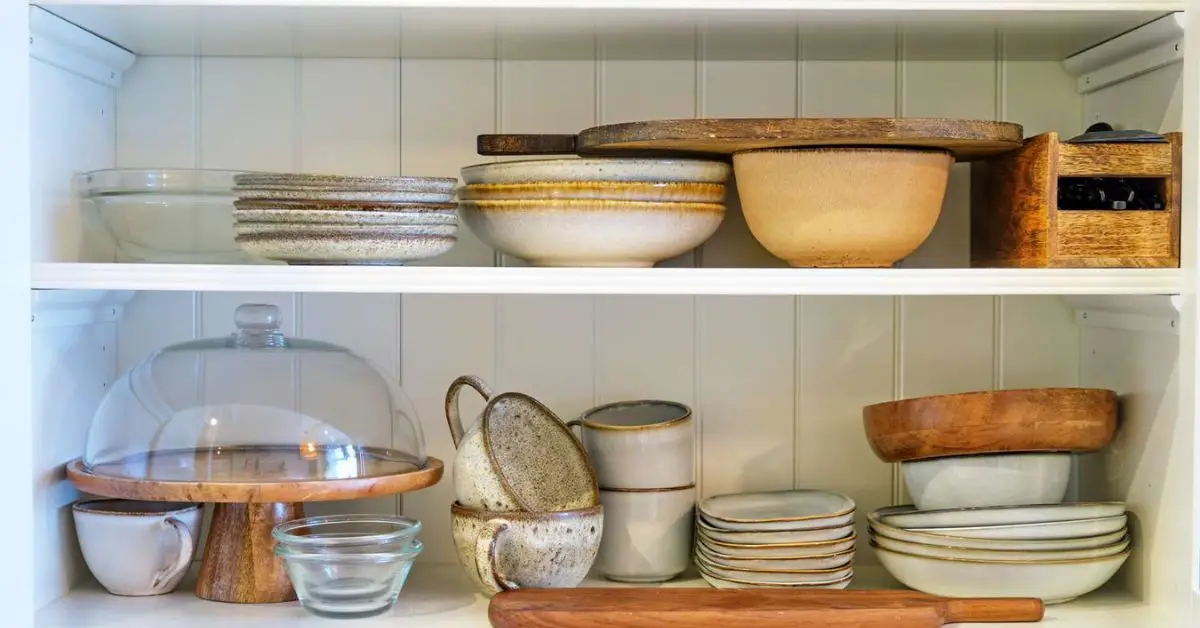
Let’s talk junk drawers. One drawer with mismatched odds and ends? That’s normal. But when you have several drawers and corners that are basically black holes for random stuff, you’ve crossed into clutter territory.
I see this all the time, and it tells me something important: your storage isn’t working for you — it’s just hiding chaos. When junk zones multiply, it’s often a sign you need to work backward—starting with what actually gets used. A step-by-step approach like reverse decluttering your kitchen and storage spaces can make that process much clearer.
Here’s how that usually shows up:
- Too many unassigned gadgets and utensils. If you open a drawer and can’t tell what belongs where, that drawer becomes a clutter trap.
- No separation between everyday and occasional items. The stuff you use every day gets buried under things you use once a year — and before you know it, the drawer is overflowing.
Pro organizers highlighted in Real Simple note that when junk drawers multiply, that’s a strong sign clutter is taking over instead of being managed.
If you recognize that feeling of “I don’t know where this goes, so it goes here,” that’s exactly what I’m talking about. That’s not organization — that’s camouflage.
Sign 3: You Can’t Find Things Without Moving Clutter Around
This one usually shows up as daily frustration. You open a cabinet to grab one thing, and suddenly you’re shifting bowls, jars, lids—half the shelf just to get to it. I’ve seen this happen in kitchens that look “organized” at first glance, but the moment you use them, everything falls apart.
When storage works, you reach and grab. When it doesn’t, you dig.
That’s the problem.
According to organizing experts at The Spruce, needing to move items just to access basics is a clear sign that clutter has outgrown your system, not your space.
Here’s how this usually plays out:
- Lost spices and utensils in overstuffed cabinets. Items get pushed to the back, stacked too high, or buried under things you barely use.
- Buying duplicates because you can’t find what you own. Extra measuring cups, spatulas, or peelers appear—not because you need them, but because clutter hides the originals.
If you’ve ever said, “I know I have one somewhere,” that’s your kitchen telling you it’s overloaded.
Sign 4: You Regularly Forget or Rediscover Old Food
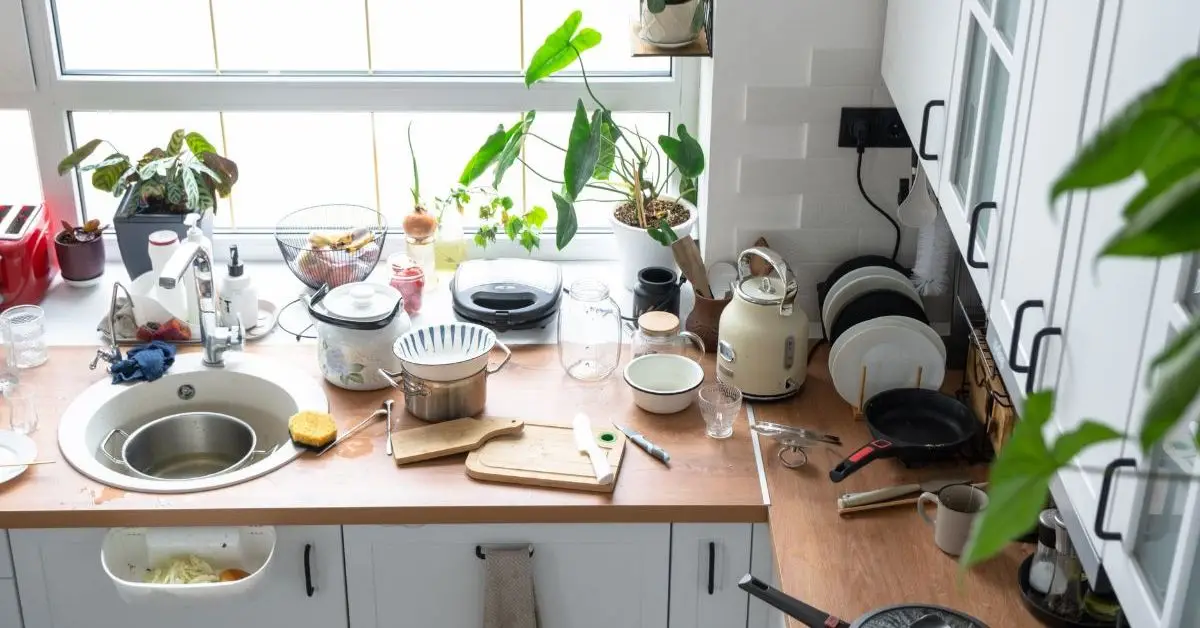
This is one of the most overlooked signs, and it has nothing to do with being careless. When your pantry or fridge is cluttered, your brain simply stops tracking what’s there.
You’re not wasting food because you don’t care—you’re wasting it because you can’t see it.
I’ve watched people pull out expired spices, unopened sauces, or freezer items they forgot existed. That’s not just clutter. That’s an overwhelmed system creating blind spots.
This usually shows up as:
- Expired spices, grains, and condiments hiding in corners. Out of sight becomes out of mind when shelves are packed.
- Freezer items with freezer burn taking up space. Old food sits there “just in case,” crowding out what you actually use.
When you keep rediscovering food instead of using it, your kitchen isn’t supporting you—it’s working against your memory and habits.
Sign 5: Your Kitchen Lacks Functional Work Zones
This is where clutter stops being about stuff and starts affecting how you move. A functional kitchen has natural zones: prep, cooking, cleaning. When clutter takes over, those zones blur—or disappear completely.
I see this a lot. The counter near the stove is blocked. The sink area is piled up. Prep happens wherever there’s a few inches of space left.
That’s not because your kitchen is badly designed. It’s because clutter has claimed the real estate.
Common signs include:
- No clear prep space because items are scattered everywhere. You’re chopping on one corner, moving things mid-task.
- Everything living on the counter because storage doesn’t make sense. When cabinets are hard to use, the counter becomes the default home.
Even when the kitchen is technically clean, it still feels chaotic—because nothing has a clear role or place.
Let me ask you something honestly: when you cook, does your kitchen feel like it’s helping you—or slowing you down at every step?
Sign 6: Visual Noise (Too Much Stuff on Display)
This is the one most people miss. Your kitchen can be clean, wiped down, and technically organized—and still feel cluttered the second you walk in. That feeling usually comes from visual noise.
I see it a lot in homes where everything is out in the open. Nothing is “wrong” on its own, but together, it overwhelms the eye. Designers often point out that our brains process visual clutter faster than physical mess, which is why a space can feel chaotic even when it’s clean.
Here’s where visual noise usually builds up:
- Open shelves overloaded with mismatched items. Too many colors, shapes, and random pieces competing for attention make the kitchen feel busy all the time.
- Too many decorative objects or fridge magnets. A few personal touches are fine, but when every surface is speaking at once, nothing feels intentional.
If your kitchen feels cluttered the moment you look at it—even before you start using it—visual noise is likely the reason.
Behaviors That Create Clutter Without You Noticing
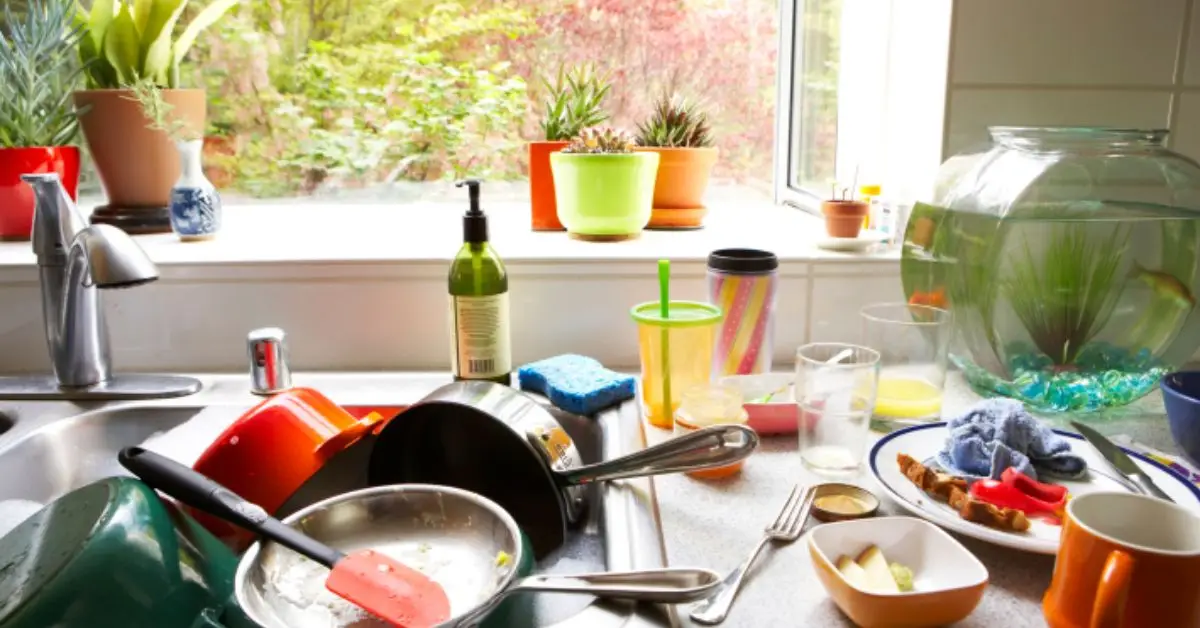
This is where clutter really sneaks in. It’s rarely about one big decision. It’s about small habits that feel harmless in the moment and pile up quietly.
I’ve noticed that most clutter isn’t created on purpose. It’s created by delay. A lot of these habits feel harmless, but they’re actually some of the most common decluttering mistakes people make without realizing it—mistakes that quietly undo progress, like the ones covered in these decluttering fails and what to do instead.
Some of the most common habits:
- Leaving items out “temporarily.” Something gets set on the counter with the plan to put it away later. Later doesn’t happen. The item becomes part of the background.
- Not editing purchases because storage feels fine—for now. When cabinets aren’t full yet, it’s easy to keep adding without removing. Over time, everything tightens up.
These habits don’t look like clutter day to day. But over weeks and months, they reshape how your kitchen functions—and not in a good way.
Actionable Declutter Checklist (Quick Wins)
Once you recognize the signs, you don’t need a full weekend overhaul to feel a difference. Small, targeted changes work faster than big, exhausting plans.
Start here:
- Clear one countertop completely and only put back what you use daily
- Empty one junk drawer and give every item a clear job—or let it go
- Group everyday items separately from occasional-use tools
- Remove expired food from one shelf or drawer at a time
- Take one decorative item off display and see how the space feels
These quick wins reduce friction immediately. You’ll feel the difference the next time you cook, not weeks later. If staying focused feels like the hardest part, you’ll probably find these Pomodoro-style decluttering tricks helpful—they’re designed for short bursts, so clutter doesn’t feel overwhelming or exhausting.
Wrapping This Up
If there’s one thing I want you to take away, it’s this: an overcluttered kitchen isn’t a personal failure. It’s usually a system that slowly stopped working—and no one told you.
When your kitchen supports you, cooking feels easier, faster, and calmer. When it doesn’t, even simple tasks feel heavier than they should. Spotting these signs early is how you stop that cycle before it becomes normal.
I’d love to hear from you—which sign hit closest to home? Drop a comment and tell me what your biggest kitchen struggle is right now.
And if you’re working toward a space that feels functional, calm, and truly usable again, that’s exactly what we focus on at Build Like New—helping homes work better, not just look better.
Disclaimer: This content is for general informational purposes only. It reflects common expert insights and real-world organizing experiences, not personalized advice. Every kitchen and household is different, so use these tips as guidance and adapt them to what works best for your space and lifestyle.