6 Essential Oils That Will Change How You Clean Forever
I’ve always loved a clean, fresh-smelling home, but I’ll admit—I’ve grown tired of harsh chemical cleaners that leave my kitchen smelling like a lab. That’s when I started experimenting with essential oils for cleaning. Not only do they leave every corner of the house smelling amazing, but they also have real natural powers to fight germs, grease, and odors.
In this guide, I want to show you six essential oils that have completely changed the way I clean. I’ll walk you through how they work, which oils are best for different surfaces, and simple DIY recipes you can make today. By the end, you’ll see that keeping a sparkling, fragrant home doesn’t have to mean exposing yourself to chemicals—you just need the right oils and a little know-how.
Why Use Essential Oils for Cleaning Instead of Chemicals
I’ll be honest—switching to essential oils for cleaning changed the way I look at my home. I used to reach for conventional cleaners without thinking twice, but over time, I noticed two things: the strong chemical smells lingered, and I started wondering about the long-term impact on my health and the environment. That’s when I began exploring natural alternatives, and essential oils quickly became my go-to.
Here’s why I think essential oils are a smarter choice for cleaning:
- Healthier for you and your family: Unlike many commercial cleaners, essential oils are plant-based and free from harsh chemicals that can irritate your skin, eyes, or respiratory system. I personally feel safer using a spray made from lemon or tea tree than a bottle full of synthetic chemicals.
- Environmentally friendly: Many traditional cleaners contain toxins that end up in waterways and harm aquatic life. Essential oils, in comparison, are biodegradable and eco-conscious. Koala Eco USA explains this really well in their guide on natural fragrances vs. synthetic toxins.
- Powerful natural scents: I love walking into my kitchen and smelling fresh lemon or lavender instead of chemical fumes. Essential oils offer natural fragrances that uplift the mood while keeping the home clean.
- Great for sensitivities: If you or anyone in your household is sensitive to synthetic chemicals or fragrances, essential oils are usually gentler and less likely to trigger reactions. Even pets benefit when you switch from harsh cleaners to plant-based solutions.
- Versatility for DIY cleaning: I can mix and match oils to suit different rooms or tasks—lemon for grease, tea tree for bathrooms, peppermint for trash cans. Nikura’s guide on best essential oils for cleaning gave me so many practical ideas that I still use every week.
When you start using essential oils, it’s not just about cleaning—it’s about creating a healthier, fresher, and more mindful home. You get a space that smells amazing, feels safe, and aligns with eco-friendly values, all without compromising on cleanliness.
How Do Essential Oils Work in Cleaning (Science & Evidence)
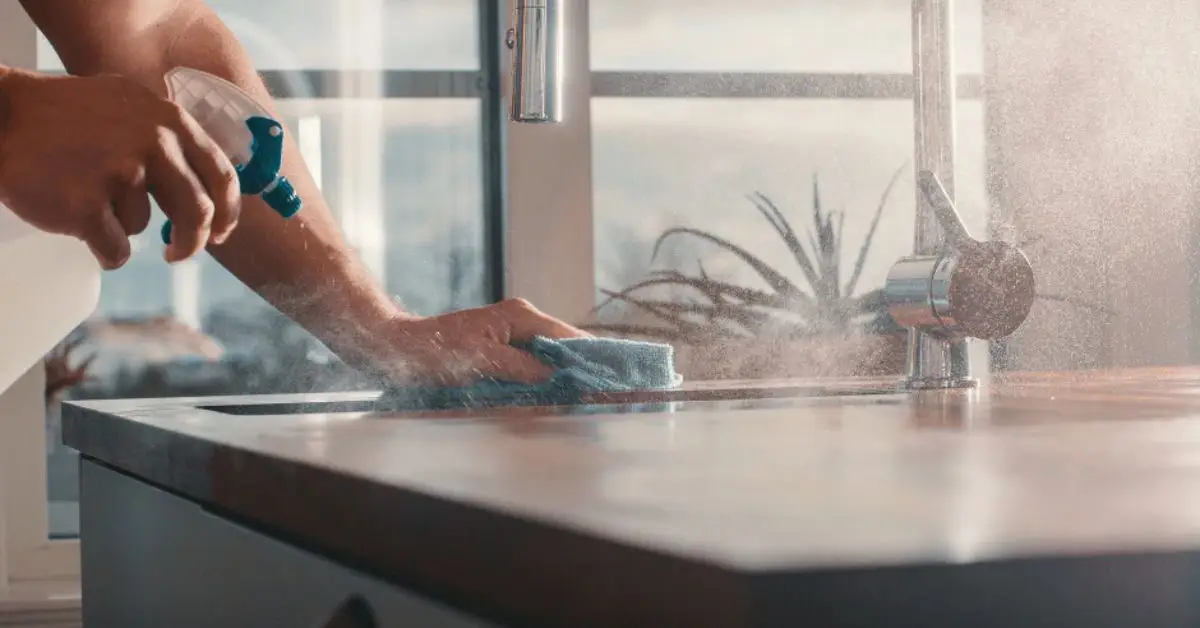
Many articles just list essential oils without explaining how they actually work. I’ve found that understanding the science makes a huge difference in choosing the right oil for each task.
- Plant-derived concentrated compounds: Essential oils are not just fragrant—they’re concentrated extracts from leaves, flowers, and peels that contain active compounds.
- Antimicrobial, antifungal, and antibacterial properties: Certain compounds, like d-limonene in citrus oils or terpinen‑4‑ol in tea tree oil, actually help break down grease and inhibit microbial growth. I personally use these oils in the kitchen and bathroom for their natural purifying effects.
- Science vs. myth: While essential oils are powerful, they’re not magical. They work best when combined with water, vinegar, or soap. Understanding the science helps you avoid overhyping them while still appreciating their real benefits.
The 6 Best Essential Oils for Cleaning and Freshening Your Home
I’ve experimented with many oils over the years, and these six have consistently given me the best results. Here’s how I use them:
1. Lemon Essential Oil — All-Purpose Cleaner & Grease Fighter
- Why lemon is great: Cuts grease, leaves a fresh, zesty scent.
- Best use cases: Kitchen counters, glass, and floors.
- Quick DIY recipe: Mix 10 drops of lemon oil with 1 cup water and 1/4 cup vinegar in a spray bottle.
Lemon is my go-to when I want the house to feel instantly clean and energized.
2. Tea Tree Essential Oil — Purifying Bathroom & High-Touch Surfaces
- Antiseptic power: Naturally fights bacteria and mold.
- Best surfaces & caution: Ideal for sinks, toilets, and countertops. Strong scent, so dilute properly—usually 5–10 drops per 1/2 cup water.
Tea tree oil is especially helpful in bathrooms where germs hide in nooks and corners.
3. Peppermint Essential Oil — Refreshing & Deodorizing
- Best uses: Trash cans, kitchens, laundry.
- Bonus tip: Acts as a natural pest repellent; I’ve read community anecdotes on Reddit of peppermint keeping ants at bay.
Peppermint’s cooling scent makes cleaning feel more like a refreshing ritual than a chore.
4. Pine Essential Oil — Floor & Wood Surface Cleaner
- Why it works: Woodsy scent, deodorizes naturally.
- Best surfaces: Wooden floors, cabinets, and baseboards. Mix with Castile soap for gentle scrubbing.
I often use pine oil during seasonal deep cleans—it makes the home smell like a forest while leaving surfaces shining.
5. Lavender Essential Oil — Gentle Scent & Fabric Freshener
- Best for: Linens, laundry, bedrooms.
- Mood benefits: Aromatherapy effect that relaxes the mind while you clean.
Lavender is my evening cleaning companion. It’s subtle, calming, and perfect for freshening fabrics without overpowering the space.
6. Grapefruit or Mandarin Essential Oils — Uplifting Citrus Clean
- Why I love it: Strong antimicrobial properties and a joyful scent.
- Quick tips: Great for countertops, mirrors, and even in DIY air fresheners.
Adding grapefruit or mandarin brings variety and a bright citrus pop, especially when you want something different from lemon.
How to Make DIY Essential Oil Cleaning Recipes
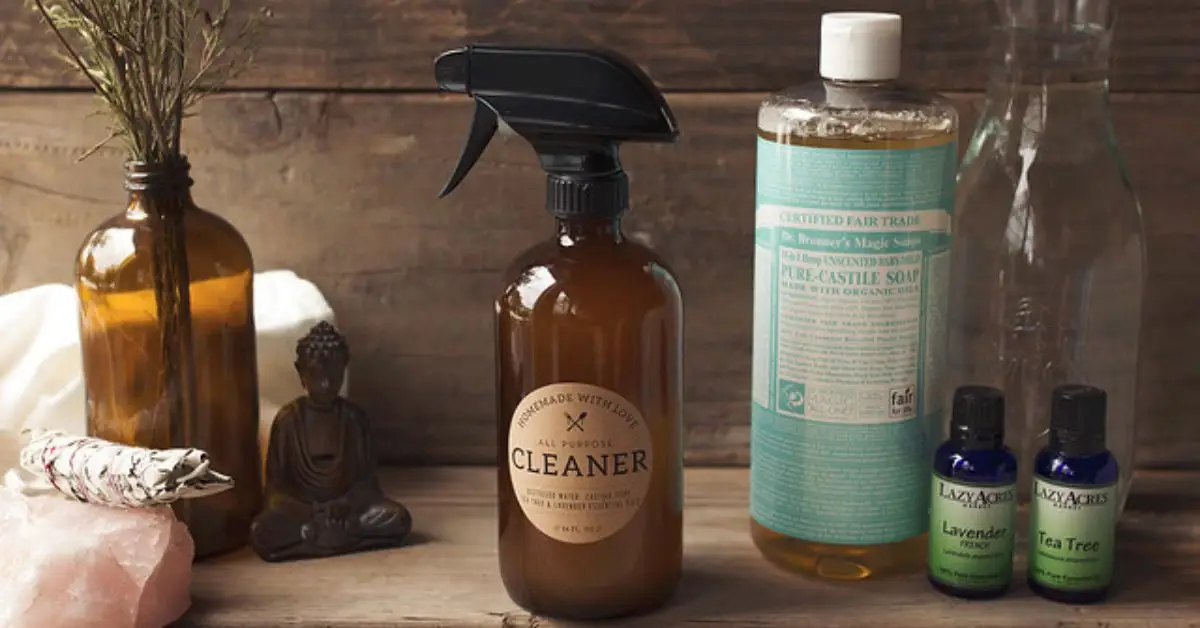
I love that essential oils don’t just smell amazing—they’re incredibly versatile. Once you understand the right combinations and dilution ratios, you can create cleaners for almost every part of your home. Here are some of my favorite recipes that I actually use week after week:
All-Purpose Spray
- Ingredients: 1 cup water, 1/4 cup white vinegar, 10 drops lemon essential oil, 5 drops tea tree oil
- How to use: Shake well before each use, spray on counters, glass, or tables, and wipe with a microfiber cloth
- Why it works: Lemon cuts grease, tea tree adds antibacterial power
Bathroom Power Cleaner
- Ingredients: 1 cup water, 1/2 cup vinegar, 8 drops tea tree oil, 5 drops lemongrass oil
- Best use: Sinks, tiles, and toilet surfaces
- Pro tip: Let sit for a few minutes on stubborn stains before scrubbing
Floor Cleaner
- Ingredients: 2 cups warm water, 1/4 cup Castile soap, 10 drops pine essential oil
- Best use: Wooden floors, laminate, and tiles
- Tip: Avoid soaking wood; use a damp mop rather than pouring directly on floors
Fabric & Linen Freshener
- Ingredients: 1/2 cup witch hazel, 1/2 cup water, 8–10 drops lavender essential oil
- Use: Spray lightly on pillows, linens, or curtains
- Bonus: Lavender’s calming scent helps you unwind after cleaning
DIY recipes like these are the kind of practical advice I wish more guides offered. It’s empowering to mix your own cleaners safely at home. For more tips on safe formulations, check out TheSoapery’s guide to essential oils and dilution.
Safety First — How to Use Essential Oils Without Mistakes
I can’t stress this enough: essential oils are concentrated, and a little goes a long way. Here’s how to stay safe:
- Dilution matters: Generally, 5–10 drops per 1/2 cup water is safe for most surfaces. Always check the instructions for each oil.
- Test surfaces first: Painted finishes, granite, and wood can react differently. Spray a small hidden spot first.
- Pets and kids: Some oils are toxic to cats or dogs. Avoid direct exposure, and never use undiluted oils where pets can reach.
- Oil + water needs an emulsifier: Without it, oil floats on water and won’t mix well. A few drops of Castile soap solves this problem.
By following these steps, you can clean safely without worrying about damaging surfaces or causing reactions. Many people make small mistakes when using essential oils—overusing oil, not testing surfaces, or skipping dilution are top errors reported by users online. Learning from these experiences can save you time and keep your home safe. You can also check out 7 spring cleaning mistakes that are secretly attracting pests to see common pitfalls and how to fix them.
Room-by-Room Cleaning With Essential Oils
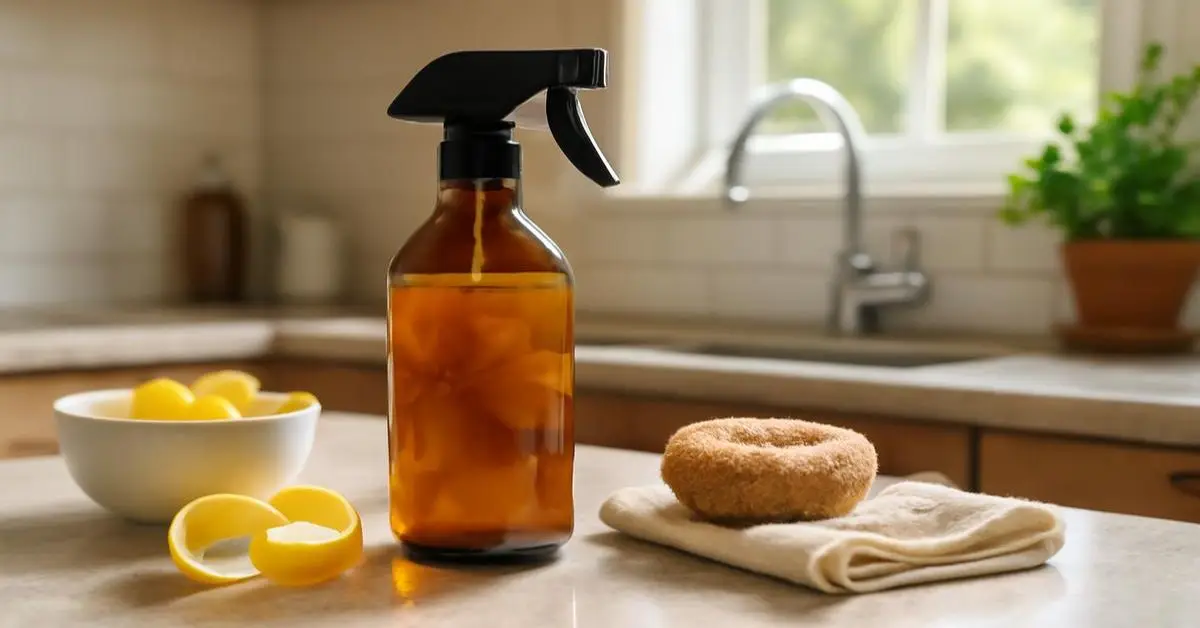
Once I understood the strengths of each oil, I started thinking about where to use them. Here’s how I apply essential oils in each part of the house:
- Kitchen: Lemon or grapefruit oils cut grease on counters, sinks, and stovetops.
- Bathroom: Tea tree and lemongrass help control mold and bacteria on tiles and sinks.
- Bedroom and fabrics: Lavender keeps linens fresh and adds a calming scent. When you’re preparing for guests, making sure your bedrooms and bathrooms smell fresh is crucial—essential oils like lavender and tea tree can help, and you can also check out these 7 bed & bath essentials to make your home guest-ready.
- Living areas & upholstery: Peppermint or citrus oils freshen sofas and curtains without harsh chemicals.
This room-by-room approach makes cleaning more efficient and purposeful.
When Essential Oils Aren’t Enough — Pairing With Other Natural Cleaners
Sometimes, essential oils alone don’t tackle everything. That’s where natural cleaners like vinegar, baking soda, or Castile soap come in:
- Vinegar & baking soda: Great for stubborn stains or drains.
- Castile soap: Boosts oil dispersion and cleaning power on floors and counters.
- Where oils help vs. where they don’t: Oils excel at deodorizing and light antibacterial tasks, but heavy grime may need soap or vinegar.
While essential oils are amazing, pairing them with natural cleaners like baking soda can tackle stubborn grime; here’s a guide on 7 baking soda toilet cleaning tricks that work to save money and the planet.
This combination approach keeps your cleaning both realistic and effective.
Summary of Best Essential Oils and When to Use Them
| Oil | Best Use | Best Blend | Safety Notes |
|---|---|---|---|
| Lemon | Kitchen counters, glass | Tea tree, vinegar | Dilute before use |
| Tea Tree | Bathrooms, sinks | Lemongrass, vinegar | Avoid undiluted |
| Peppermint | Trash cans, laundry | Lemon, vinegar | Safe in small amounts |
| Pine | Floors, wood | Castile soap | Test on wood first |
| Lavender | Linens, fabrics | Witch hazel | Avoid direct pet exposure |
| Grapefruit/Mandarin | Counters, mirrors | Lemon | Dilute before use |
This table is a quick reference for when you need a reminder of which oil to use and how to blend it safely.
I’d love to hear how you use essential oils in your home! Share your favorite blends or tips in the comments below, and don’t forget to visit Build Like New for more practical home cleaning guides and eco-friendly hacks.
Disclaimer: The information in this article is for educational and informational purposes only. Always follow proper dilution instructions and test essential oils on a small area first. Consult a professional if you have health concerns, pets, or allergies before using essential oils for cleaning.