6 Key Areas in Your Home You Can’t Afford to Leave Cluttered This January
January always feels like a fresh start, doesn’t it? I know for me, walking into a cluttered home at the beginning of the year can be surprisingly draining. You think, “This is a new year—I should feel lighter, more organized,” but the piles of things you didn’t get around to decluttering last year have other ideas.
That’s why I’ve made it my mission to identify the hot spots in your home that silently collect clutter—and to share practical, no-nonsense ways to tackle them this month. By focusing on these key areas, you’ll not only reclaim space but also create a calmer, more energizing environment for the year ahead.
Why January Is the Ideal Month to Declutter Your Home
I don’t know about you, but January always feels like a clean slate—a chance to leave behind the chaos of last year and start fresh. That’s why this month is perfect for decluttering. After the holidays, our homes often carry extra stuff: gifts we don’t need, decorations that didn’t get put away properly, and leftover holiday clutter that slowly creeps into every corner. Tackling these areas now gives you a real sense of control and sets the tone for the year ahead.
Decluttering in January isn’t just about appearances—it’s about creating space for yourself. When you clear the excess, you give your mind room to breathe, your mornings become smoother, and even small tasks feel less overwhelming. If you want more ideas on simple ways to streamline your home this month, I found a helpful guide on Homes and Gardens for January decluttering tips.
The Psychological and Practical Benefits of Starting Fresh
When I declutter at the start of the year, it’s never just about tossing things. It’s a ritual that makes me feel lighter and more in control. Here’s why you’ll notice the difference too:
- Less Stress: Clutter is a constant visual reminder of unfinished tasks. Removing it can immediately reduce mental load.
- Improved Space: Even small areas, once organized, feel bigger and more inviting.
- Better Routines: Clearing clutter makes it easier to keep daily habits tidy—whether it’s making your bed, prepping meals, or just finding your keys.
Once you understand the “why,” the next step is figuring out the “how.”
Proven Decluttering Strategies Before You Start
Before you dive into closets and drawers, it’s important to set a plan. I’ve learned the hard way that jumping straight into a messy room without a strategy often leads to frustration—or worse, giving up entirely. Here’s how I approach it so it actually sticks. If you want more actionable steps to get started, check out these 10 easy declutter moves every homeowner should do before spring—they’re simple and surprisingly effective.
Declutter Visible Zones First for Quick Wins
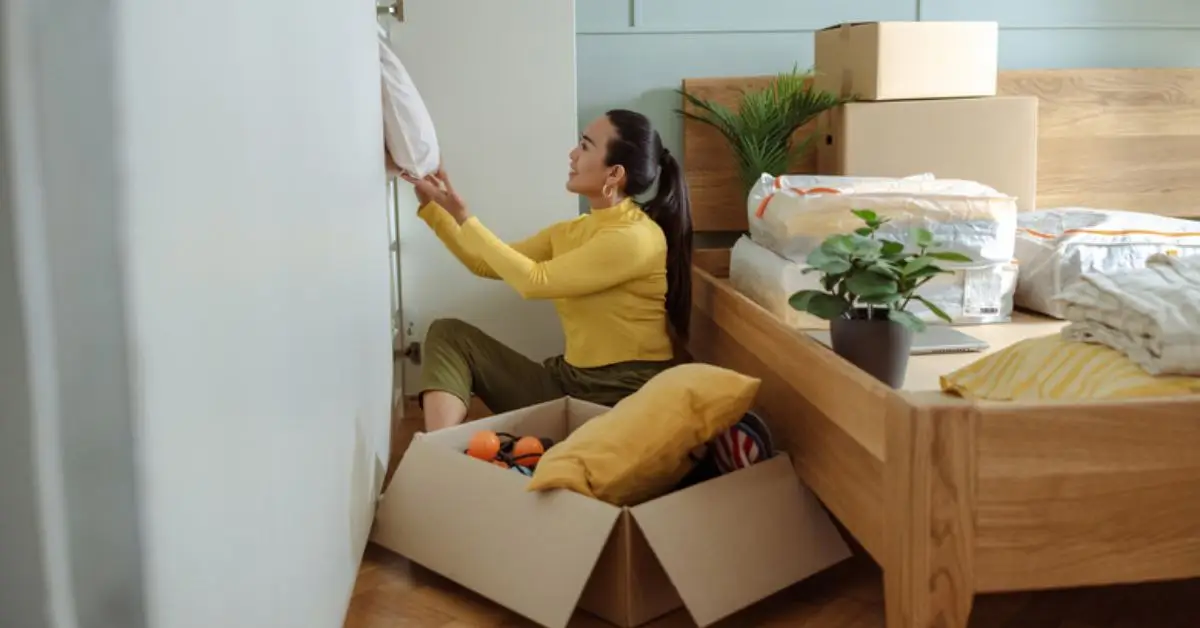
Start with areas you see every day—your living room coffee table, the kitchen counter, or your bedside table. These quick wins are surprisingly motivating. When you clear a visible space, you immediately feel the impact, and that energy carries you through the rest of the house.
Sometimes all it takes is a tiny action—like this 5-second decluttering hack that will instantly transform your home—to create momentum and motivate you to tackle larger spaces.
Decluttering Rules You Should Know (No Storage Purchases First)
One mistake I used to make was buying fancy bins or organizers before doing the purge. That’s a trap. If you fill new containers with old clutter, nothing really changes. Try this rule instead:
- Only bring in storage solutions after you’ve sorted items.
- Focus first on deciding what truly matters and what you can donate, toss, or store elsewhere.
How to Sort Items (Keep / Donate / Toss / Maybe Box Method)
To keep things simple and fast, I use four categories for everything:
- Keep: Items you use regularly and love.
- Donate: Things in good condition that someone else could benefit from.
- Toss: Broken, expired, or unusable items.
- Maybe Box: Stuff you’re unsure about—box it for 30 days. If you haven’t needed it by then, it goes.
Using this method keeps your decisions consistent and stops the clutter from creeping back in. Trust me, it feels amazing to actually see progress in every room.
1. Bedroom Closet — Get Control of Your Most Personal Space
Our bedroom closet is one of those places where clutter quietly grows until it feels overwhelming. I’ve seen closets packed with holiday gifts, seasonal clothes that didn’t get put away, and shirts you keep “just in case.” January is a perfect reset moment because you’re swapping winter for spring clothes, and you’re more mentally ready to evaluate what really matters in your life.
What Makes This a January Clutter Magnet
Closets tend to become dumping grounds for things that don’t fit neatly anywhere else, especially after the busy holiday season. These patterns make January an ideal time to intervene:
- Holiday Overflow: Sweaters, scarves, and gifts often land here first.
- Seasonal Rotation: Winter clothes push summer pieces into odd corners.
- Outdated Items: Clothes you haven’t worn in months accumulate quietly.
As you go through each hanger, I like asking: “Have I worn this in the past year?” That simple test instantly tells you what to keep and what to let go.
Pro Tips for a Faster Closet Clear‑Out
Here’s how I make closet decluttering feel doable and even satisfying:
- Create three piles: keep, donate, and toss.
- For seasonal clothing, use clear bins with labels so you actually know what you have.
- Try folding sweaters vertically; you’ll be shocked at how much space that frees up.
And if you want research‑backed insight into how decluttering can change your perception of stuff and your home, check out this Journalist’s Resource roundup on decluttering research and the KonMari method — it includes studies showing how letting go of items can transform how you feel about your space and your stuff.
2. Entryway — Your Home’s First Impression
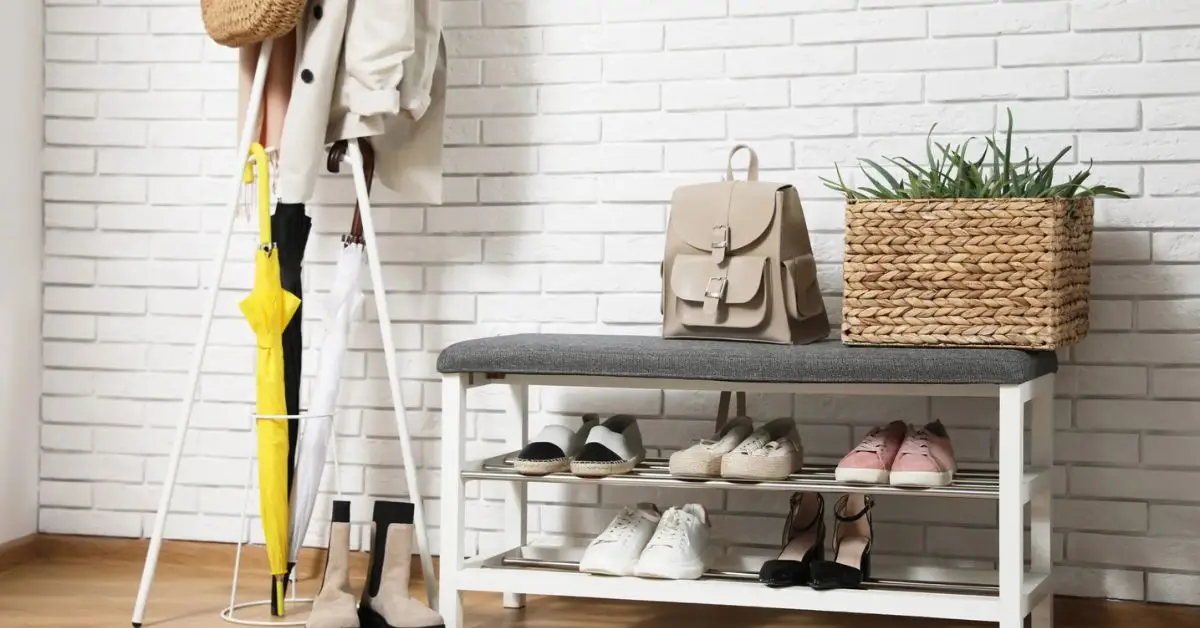
I always say the entryway is like the first page of a book: it sets the tone for everything that follows. If you walk in and immediately see a pile of shoes, random mail, and a couple of winter gloves on the floor, your brain goes into “clutter mode” before you even take off your coat. January is the perfect time to fix that feeling.
Sorting Shoes, Coats, Mail, and Misc
Here’s how I handle the usual suspects at the front door:
- Shoes: Keep only daily wear in the entryway; move off‑season pairs elsewhere.
- Coats: One hook per person makes decision‑making easier and cuts visual chaos.
- Mail: An inbox tray for bills and a quick‑sort mail basket prevent paper from spreading.
- Random Items: A small bowl or tray for keys and loose change keeps the surface clear.
The goal here isn’t perfection—it’s about making your daily entry and exit feel easier, calmer, and more intentional.
3. Pantry — Toss Expired Items and Reorganize for Healthy Habits
If there’s one place that really shows the aftermath of holiday feasting, it’s the pantry. I always find expired snacks, half‑used baking supplies, and mystery cans I forgot about. January is a great time to clear this out so you can start meal planning with clarity instead of chaos.
How to Group Foods for Better Accessibility
A cluttered pantry isn’t just annoying—it can lead to buying duplicates and tossing food that went bad because you never saw it. Here’s a quick organization approach that works for me:
- Group by Category: Snacks together, grains together, baking goods in another zone.
- Label Everything: A quick label can save you minutes every time you’re cooking or shopping.
- First In, First Out: Move older items to the front so they get used before newer ones.
Quick Pantry Checklist
Use this simple checklist when you tackle the pantry:
- Toss anything expired or stale.
- Wipe down shelves and containers.
- Re‑group items by category.
- Make a grocery list based on what’s missing.
This approach helps you see what you actually have and makes cooking—especially healthy January meals—way less stressful.
4. Junk Drawer — The Tiny Zone That Packs a Big Clutter Punch
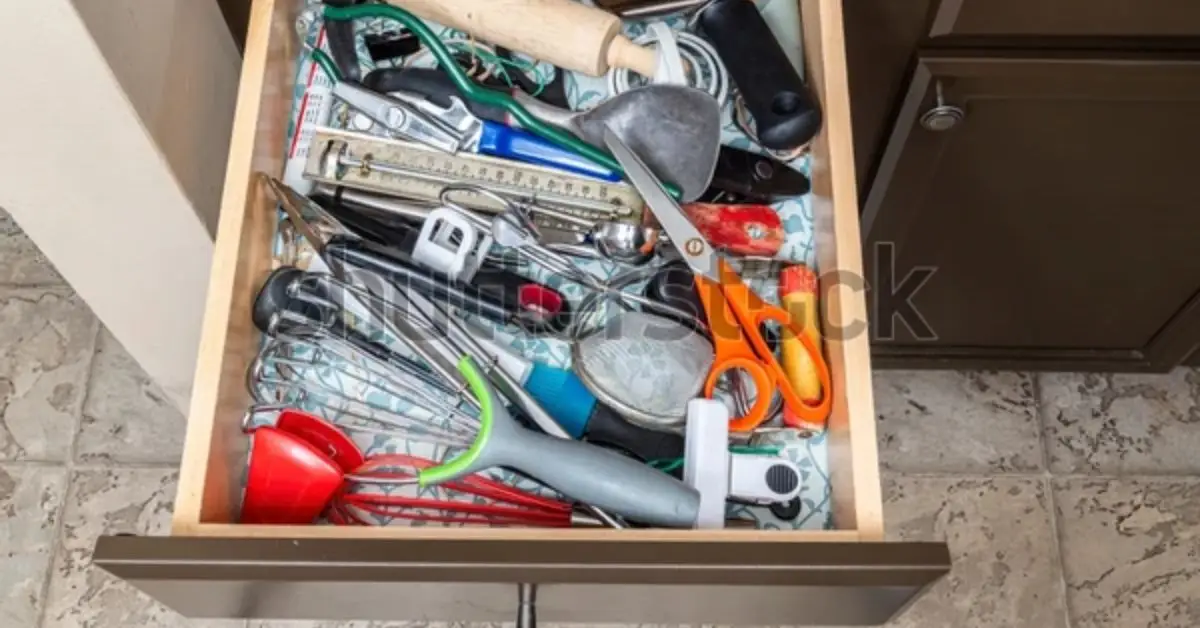
I don’t know about you, but junk drawers have always been a silent enemy in my home. You open them expecting just a few odds and ends, and suddenly you’re staring at tangled cords, expired batteries, loose screws, and random receipts. It’s the kind of clutter that multiplies if left unchecked, but the good news is, it’s small enough to tackle in one focused session.
Dividers, Categories, and Regular Maintenance
Here’s how I make my junk drawer functional rather than stressful:
- Use Dividers: Small containers or drawer organizers instantly create sections for similar items.
- Categorize Everything: Batteries in one section, small tools in another, miscellaneous in a third.
- Routine Maintenance: I spend five minutes every month checking this drawer to keep it from becoming a black hole again.
Once it’s organized, you’ll notice how much easier it is to actually find things—and how much less mentally cluttered your space feels.
5. Under the Sink — Small Space, Big Impact
The space under kitchen and bathroom sinks might be small, but it’s a notorious clutter trap. Cleaning products, sponges, expired sprays, and half-used toiletries can build up quickly. Decluttering here in January not only frees physical space but also improves safety by removing expired or hazardous items.
Eliminate Expired Products and Rehome Misfits
When I tackle under-sink clutter, I follow a few key steps:
- Check Expiration Dates: Toss anything that’s past its prime.
- Group by Purpose: Keep cleaning supplies together, toiletries together, and so on.
- Rehome Items: If something belongs elsewhere in the house, move it immediately rather than creating a temporary “catch-all.”
This small effort can completely change the functionality of a cabinet you might have ignored for months.
For extra inspiration, I like the practical tips in House by the Preserve’s linen and utility closet guide—they show how even tight spaces can be streamlined with a few smart adjustments.
6. Linen and Utility Closets — Streamline and Subdivide
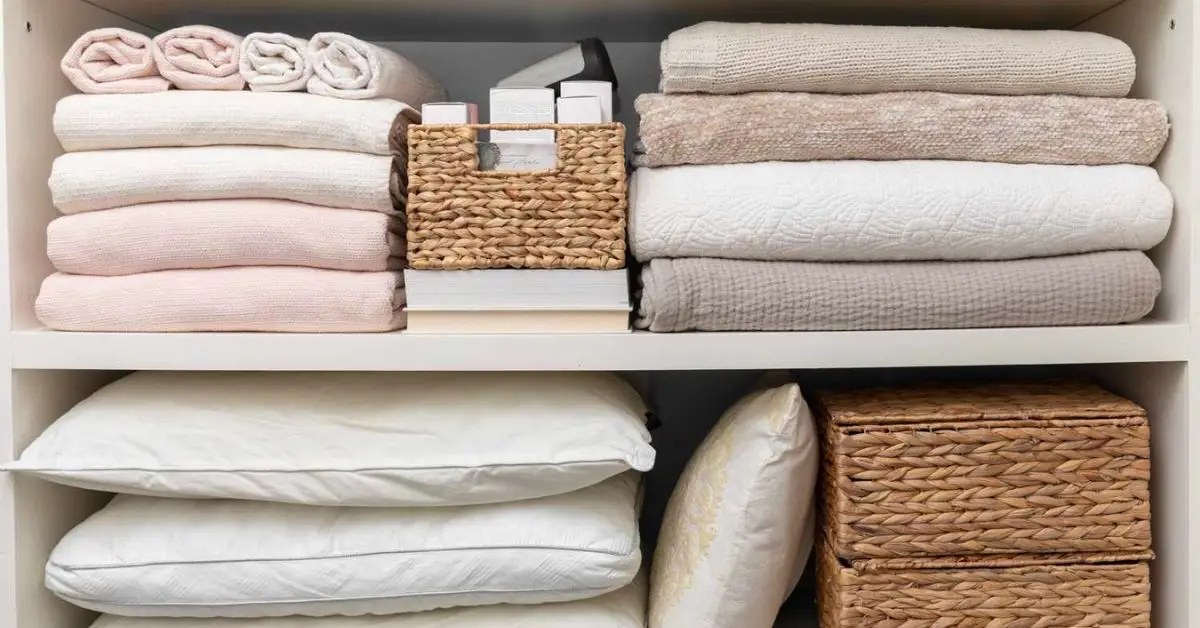
Linen and utility closets are deceptively simple, but they can easily become a tangled mess of towels, sheets, cleaning supplies, and random household items. I’ve learned that a quick sort every January not only refreshes these spaces but makes everyday routines easier for the rest of the year.
How to Decide What Stays (Season + Guest Needs)
Here’s my approach to keep these closets functional:
- Seasonal Rotation: Store off-season bedding in labeled bins at the top or back.
- Guest Supplies: Keep a separate section for extra towels, pillows, and blankets.
- Regular Review: Once a year, assess and donate or discard anything that hasn’t been used.
Streamlining these areas creates a calm, functional home that supports your daily habits instead of working against them.
Bonus Declutter Zones Most People Forget
Sometimes the smallest, most overlooked spots cause the biggest clutter headaches. I like to include a “bonus” section for these areas because they’re often ignored in typical guides, yet clearing them creates an immediate sense of order.
Nightstand Drawers and Bedroom Blind Spots
Nightstands are deceptively messy. You think it’s just a drawer for your essentials, but it quickly fills with receipts, old chargers, and half-used lotions. Similarly, blind spots in your bedroom—like under the bed or behind dressers—collect items that you don’t see every day. My approach:
- Empty drawers completely and only return what you actually use nightly.
- Keep a small tray for essentials like your glasses or phone charger.
- Check hidden corners once a month to prevent random clutter from accumulating.
Living Room Tech Graveyards & Side Tables
Side tables often become the dumping ground for remotes, chargers, old magazines, and miscellaneous tech accessories. Clearing these zones instantly makes your living room feel more intentional:
- Use small baskets or trays for cords and gadgets.
- Purge items that haven’t been used in 30 days.
- Keep surfaces mostly clear so visual clutter doesn’t overwhelm your space.
After January: How to Keep Clutter From Coming Back
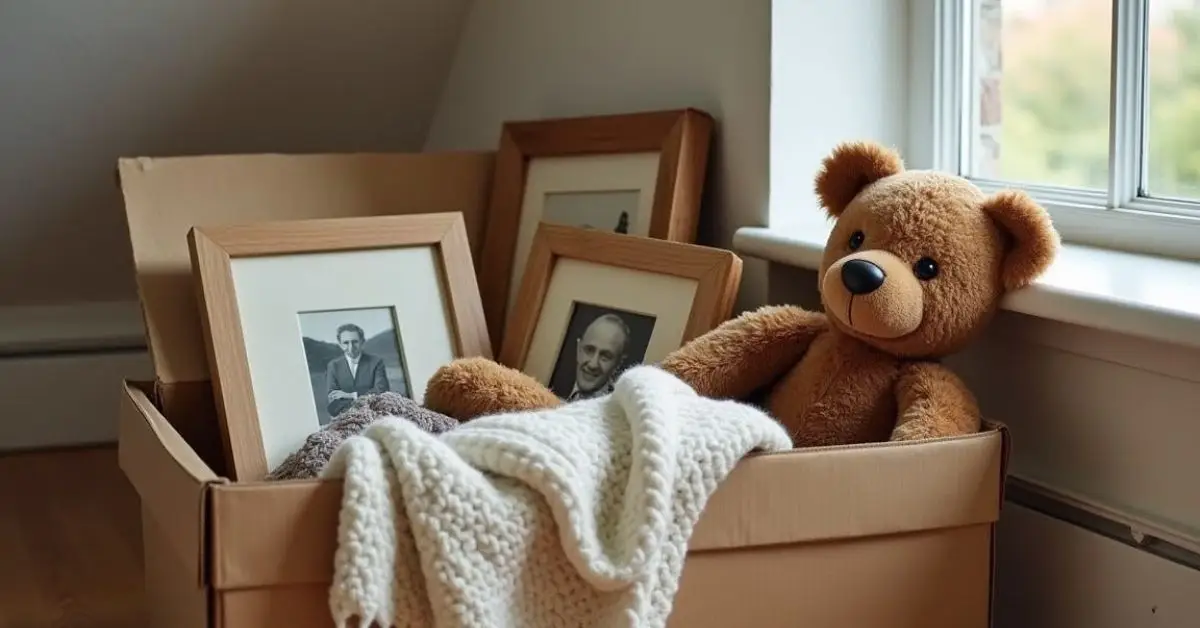
Decluttering in January is just the start. If you don’t maintain the habit, clutter creeps back faster than you expect. I’ve found a few simple routines that keep my home organized all year:
Quick Daily / Weekly Declutter Habit Tips
- Spend 5 minutes daily putting things back in their place.
- Do a weekly sweep of surfaces and high-traffic areas to catch small piles before they grow.
- Encourage family members to follow the same habits—it multiplies the effect.
One In, One Out Rule (Avoid Replenishing Clutter)
Every time you bring in a new item, consider removing one old item. This simple rule keeps your possessions from multiplying uncontrollably and keeps your home feeling light. I like to follow this for clothes, kitchen gadgets, and even office supplies.
To make maintenance less of a chore, I use techniques like the 5-7 decluttering hack that makes tidying almost fun, which turns small daily habits into lasting order.
Conclusion
Decluttering isn’t just about making your home look better—it’s about creating a space that supports your life, your routines, and your peace of mind. By focusing on the key hot spots we discussed, plus the bonus zones, you can make lasting changes that truly stick.
I’d love to hear from you: which clutter hot spot do you struggle with the most? Share your experiences in the comments below—I always enjoy reading how others tackle the same challenges. And if you want more tips on keeping your home organized and refreshed, check out my website, Build Like New, where I share practical strategies and expert advice to help your space feel like new again.
Disclaimer: The tips and suggestions in this article are for general informational purposes only. Results may vary depending on your home, lifestyle, and personal circumstances. Always exercise caution when handling cleaning products or sharp objects.