6 Household Items You Should Donate Like a Pro
I’ve spent years helping people declutter their homes, and one thing I’ve learned is this: some items never belong back on your shelves. They’re not just “extra stuff” — they’re things that professional organizers consistently advise donating. You might feel a twinge of attachment at first, but once you let them go, you’ll notice a surprising sense of freedom.
In this article, I want to show you exactly which items fall into that category and why donating them isn’t just about clearing space — it’s about making a real impact, both for you and for someone else who truly needs them. By the end, you’ll have a clear, no-nonsense plan for deciding what to keep, what to donate, and how to do it without regret.
How Professional Organizers Decide What to Donate
When I work with clients, one of the first questions they ask is, “How do you decide what actually goes?” And honestly, it’s not about tossing things randomly. Professionals look at three key things: function, condition, and usefulness.
I always ask myself: Does this item serve a purpose? Is it in good shape? Would someone else get real use out of it? If the answer is no, it’s a strong candidate for donation.
Here’s a quick checklist I use every time I declutter:
- Clean: No stains, grime, or odors.
- Functional: Works as intended, not broken or missing parts.
- Usable: You or anyone else could realistically use it.
- Resaleable or sharable: Thrift stores and donation centers often have standards, so make sure it’s something someone would accept.
Even with these rules, I’ve seen hesitation happen — especially with sentimental items. On Reddit, people often share that they keep things “just in case” or because letting go feels guilty. Trust me, letting go in the right way feels freeing, not regretful.
Item #1: Clothing That Never Gets Worn
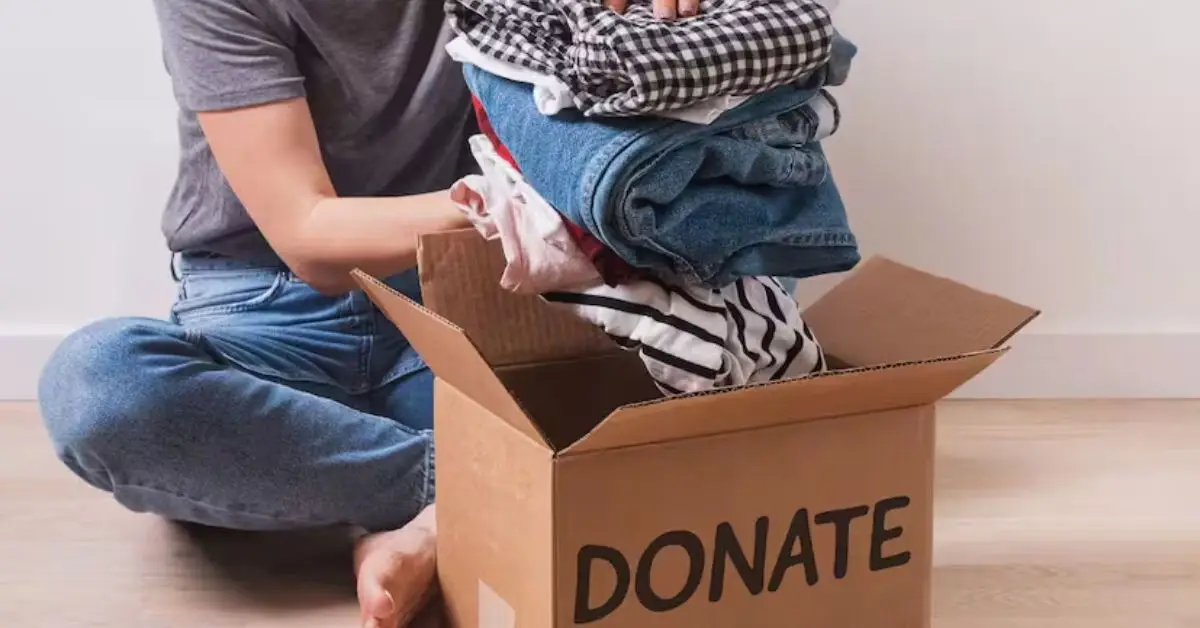
Clothes are tricky because most of us have emotional attachments. But here’s the reality: if you haven’t worn it in over a year, it’s probably never coming back into rotation. I call it the “one-year test.” Ask yourself: Would I buy this today if I saw it in a store? After clearing out clothes you no longer wear, you can maximize your wardrobe’s potential by following closet organization steps that actually work.
- Shirts, pants, jackets, or shoes you’ve ignored for months.
- Old uniforms, outdated trends, or ill-fitting items.
- Multiples of similar items that never get used.
When you donate, make sure the pieces meet thrift store standards — clean, intact, and wearable. City Thrift, for example, has clear donation guidelines to make sure your items help someone else, not clutter a backroom.
Item #2: Duplicate or Unused Kitchen Tools
I can’t tell you how many times I see clients holding onto extra spatulas, mismatched Tupperware, or small appliances gathering dust. These duplicates take up space and rarely get used, yet they have high donation value.
Here’s what I suggest checking in your kitchen:
- Extra utensils you never reach for.
- Small appliances you bought on a whim.
- Mismatched storage containers that sit idle.
Decluttering these items not only frees up cabinet space but also gives others a chance to use them. I always remind clients: someone else will happily find a purpose for things you no longer need.
Item #3: Books and Toys in Good Condition
Books and toys can be the hardest to part with because of memories attached. But if they’re in good shape, donating them is usually the best choice. I tell my clients: if it’s still intact and someone else could enjoy it, let it go.
- Books you’ve read once and aren’t planning to revisit.
- Toys your kids have outgrown but are still complete and functional.
- Educational games or puzzles that are gathering dust.
Consider giving them to targeted places like local libraries, schools, or daycares — they’ll make a bigger impact there. For a practical guide on deciding what to donate and where, Homes and Gardens has a helpful resource.
Item #4: Holiday and Seasonal Items You Don’t Use
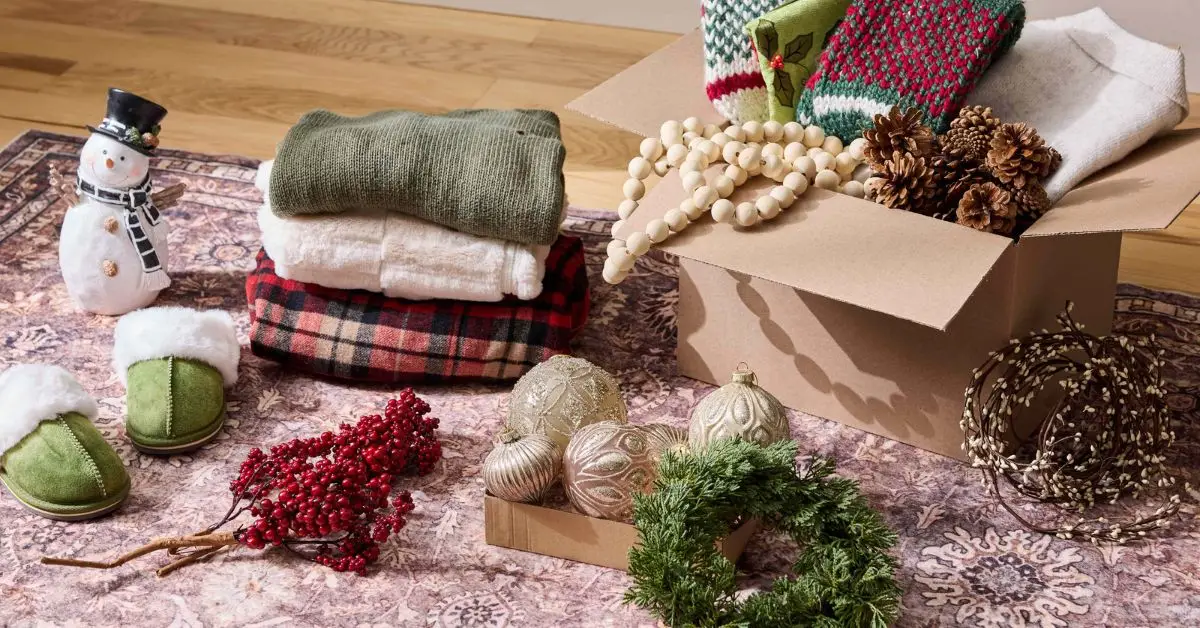
Seasonal items have a sneaky way of piling up. Decorations, winter gear, or summer extras often hide in closets until next year, taking up space you could actually use. Some of the seasonal items we tuck away in storage can actually create clutter — check out things you shouldn’t be storing in your attic anymore to see what you can safely let go of. I always tell my clients: if you didn’t use it last season, it’s likely you won’t next year either.
- Holiday decorations you never display.
- Seasonal clothes or gear that are outgrown or unused.
- Sporting equipment or outdoor items gathering dust.
Timing matters too. Donating right after the holiday or season ends is ideal — thrift stores and donation centers are more likely to accept these items, and someone else can enjoy them before the next season rolls around.
Item #5: Packaged Food That Won’t Be Used
Extra pantry items can be surprisingly valuable to others. If you’ve bought in bulk or received food gifts you won’t use, consider donating them — as long as they’re non-expired and unopened.
- Canned goods, pasta, or dry foods you won’t eat.
- Extra snacks or beverages that would otherwise sit in your pantry.
- Holiday food gifts that don’t fit your taste or household size.
I’ve seen firsthand how donations like this can make a real difference at food banks. Sharing these items not only reduces waste but also helps families who could use a hand. For tips on how to prepare and sort food donations safely, Doable Simplicity has a practical guide.
Item #6: Items Someone Else Can Use — Think Impact, Not Attachment
Sometimes the best items to donate aren’t the ones that feel heavy with sentiment but the ones that can truly solve someone else’s problem. I encourage clients to look beyond personal attachment and ask: Who could actually benefit from this?
- Household items like lamps, fans, or small furniture.
- Tools or kitchen appliances in working order.
- Accessories or sports gear that are still usable.
Reddit is full of stories from people who were thrilled to receive items they genuinely needed — from kitchen gadgets to school supplies. Framing donation as a way to impact someone’s life makes letting go feel purposeful, not wasteful.
Common Donation Mistakes Professionals Warn Against
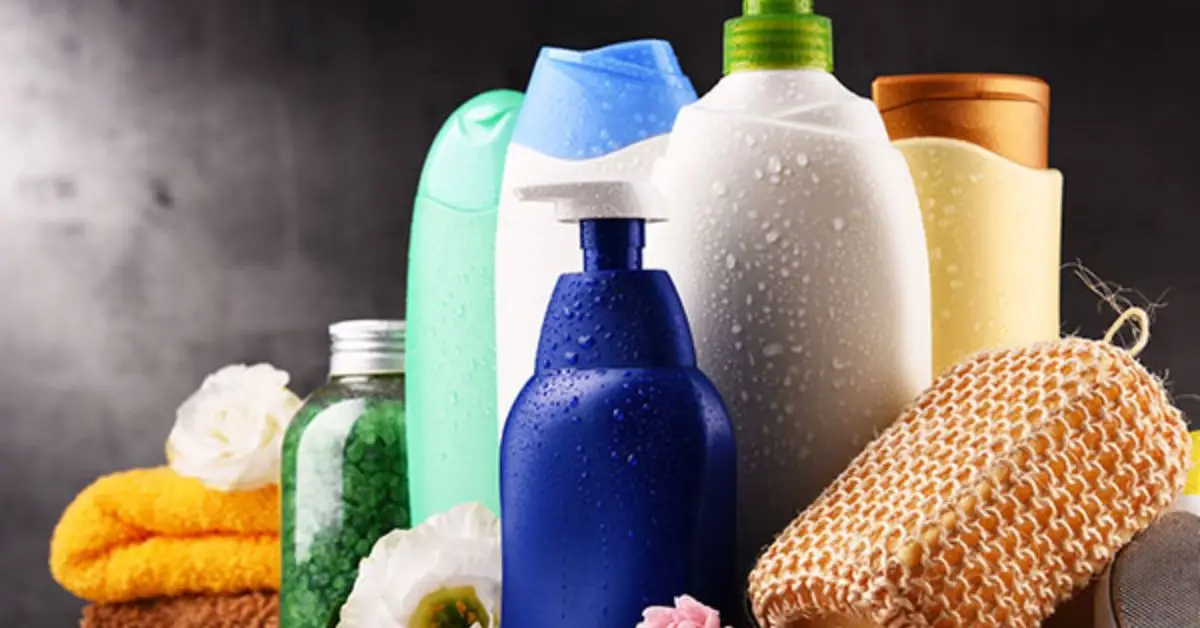
It’s easy to assume that anything you don’t want can be donated, but that’s not true. I often see clients make avoidable mistakes that frustrate donation centers or even get items turned away. Knowing what not to donate saves you time and ensures your efforts actually help someone.
Common mistakes include:
- Open or used toiletries and personal care items.
- Broken, chipped, or non-functional items.
- Worn-out linens or clothes with permanent stains.
- Electronics that aren’t compatible or missing parts.
By steering clear of these, you’ll make sure your donations are genuinely useful and appreciated.
Pro Tips: How to Prepare Items for Donation
Preparing your items properly makes a huge difference. I always tell clients: a little extra effort ensures your donations are actually usable and loved.
Here’s what I recommend:
- Wash or clean clothes, linens, and dishes before donating.
- Bundle like items together for easier sorting.
- Label boxes clearly so donation centers know what’s inside.
- Schedule drop-offs in advance to avoid long waits.
- Ask for donation receipts if you want tax benefits.
Doing these simple steps saves time for both you and the organization receiving your items.
Where to Donate Your Items (With Examples)
Knowing where to donate is just as important as knowing what to donate. I like to think about both convenience and impact when guiding clients.
Some great options include:
- Local thrift stores that support community programs.
- Shelters and charities that accept clothing, furniture, and toys.
- Facebook “Buy Nothing” groups or neighborhood swaps.
- Libraries or schools for books and educational supplies.
Quick Decision Flowchart: Should I Donate, Sell, or Toss?
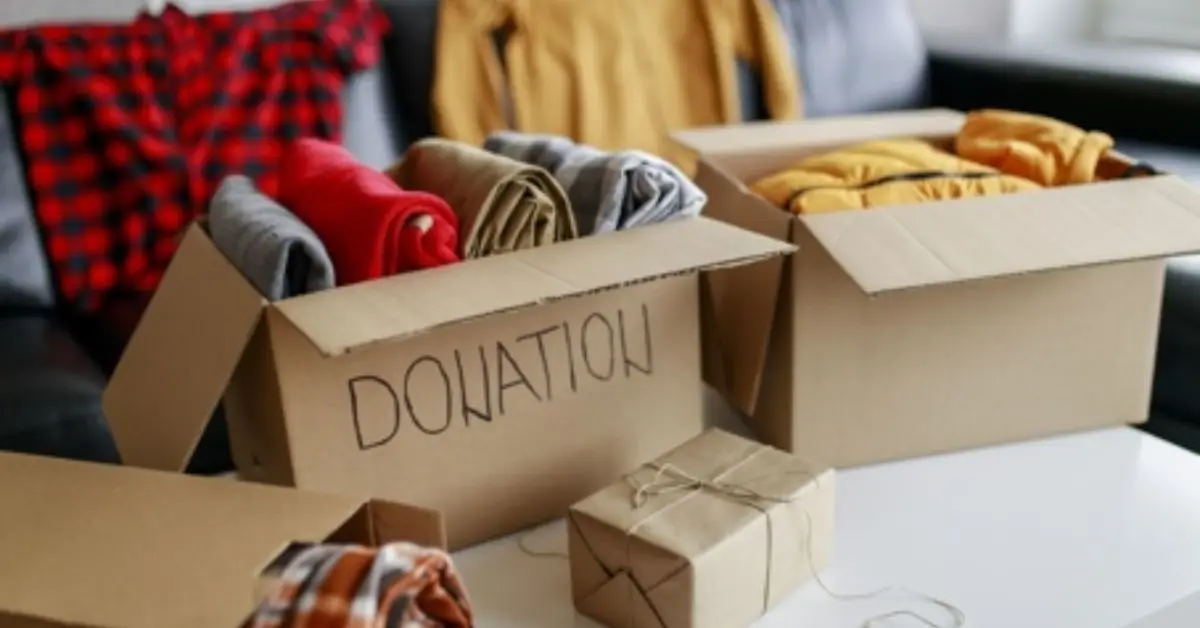
Sometimes the hardest part is deciding what to do with an item. I like to use a simple flow logic that I share with clients:
- Valuable or collectible items → sell
- Usable but low-value items → donate
- Unsafe, broken, or expired → recycle or toss
This approach removes doubt and keeps your decluttering efficient. Following a clear decision flow like this is a trick professional organizers swear by — it turns a stressful process into something manageable. Basements are full of forgotten items — if you want to reclaim your space, check out basement items you should throw out today for a practical guide. For more on this approach, CNBC explains how pros decide what to sell, donate, or throw away.
Decluttering for Good (No Closet Regrets)
After years of helping people clear their homes, I can tell you this: letting go of certain items isn’t just about creating space — it’s about making room for what truly matters. Professional organizers never keep the things we’ve talked about in this article because those items don’t serve your life anymore, but they can serve someone else. Donating isn’t just practical, it’s empowering.
When you look at your closets, kitchen, or storage areas, think about the impact: the clothes, books, toys, or kitchen tools you release could brighten someone else’s day. And the freedom you feel in a decluttered home? That’s priceless.
I’d love to hear your experiences. Which items were hardest for you to let go of, and where did you donate them? Share your story in the comments below — your insight might inspire someone else to take that first step.
And if you want more practical tips and step-by-step guidance on transforming your home, check out my website, Build Like New, where I share actionable decluttering strategies that really work.
Disclaimer: This article is for informational purposes only. The tips and suggestions shared are based on personal experience and publicly available resources. Always use your own judgment when donating items and follow local guidelines or donation center requirements.