6 Metropolitan Areas Expand Housing—Exclusively for the Affluent
If you’ve been looking for a new home in some of America’s fastest-growing cities, you might have noticed something frustrating: there are plenty of new buildings, but very few are actually affordable. Houston, Dallas, Phoenix, Atlanta, Seattle, and Washington, D.C. are all adding housing quickly—but the majority of it is aimed at wealthier buyers and renters.
Large single-family homes and tiny luxury apartments are dominating the market. That means if you’re hoping for a starter home or a reasonably priced rental, your options are shrinking. It’s a strange paradox: on paper, housing is increasing, but for most people, the reality feels like the opposite.
What makes it even more challenging is that the types of homes being built are changing the market itself. Bigger units for ownership and smaller, high-end rental apartments are slowly pushing out middle- and lower-income options. That’s why it’s important to understand the trends, so you can navigate the market strategically and know where to focus your search.
Housing Supply Trends in Coastal & Sun Belt Cities

When I dug into the numbers from the Georgetown University Center on Poverty and Inequality, one thing became really clear: these cities aren’t just building more homes—they’re building different homes. Houston, Dallas, Phoenix, Atlanta, Seattle, and Washington, D.C. are outpacing the national average in new construction, but the type of housing tells a very different story.
Between 2010 and 2023, new units in these metros accounted for 12.7% to 22.4% of total housing stock. Compare that to the national average of 11.35%, and it looks like a boom. But here’s the problem: most of these new units are either large, single-family homes or small, luxury apartments designed for high-income buyers and renters.
If you’re searching for a modest starter home, you’re facing a tough market. Georgetown’s study found that while only 33% of homes built in the 1980s had four or more bedrooms, nearly 59% of homes built since 2010 fall into that category. On the rental side, developers are packing units into small, high-end apartments. The result? Middle- and lower-income households have fewer options than ever before.
What really hits home is how this affects your options. The “starter home” you might be hoping for is shrinking in supply, while prices for the homes that are available keep climbing. Only about 4% of new owner-occupied units are duplexes, triplexes, or other denser housing types that typically offer more affordable options. So even though the total number of homes is growing, the housing you could realistically afford is not.
This isn’t just a numbers game—it affects your choices, your budget, and even where you might end up living. If you’re renting, you’re likely competing with higher-income households for the same small units. If you’re buying, you may need to move further out or compromise on space. Recognizing this pattern early helps you plan smarter and understand the forces shaping the housing market around you.
Rising costs and limited affordable supply have had tangible effects in other Sun Belt areas as well—for instance, Florida recently saw a spike in home foreclosures due to rate increases, highlighting how quickly affordability pressures can mount.
Spotlight on the Six Major Metros
Let’s take a closer look at the cities where new housing is booming—but mostly for higher-income residents. According to a Realtor.com report, Houston, Dallas, Phoenix, Atlanta, Seattle, and Washington, D.C. are outpacing the national average in new construction. Sounds good at first glance, right? But the reality for someone like you or me is different.
Houston has seen a surge in new homes, yet the majority are large, single-family houses that few middle-income families can afford. On top of that, institutional investors hold a big share of the city’s rental market, making affordable options even scarcer.
Dallas is similar. New construction is growing fast, but it’s almost exclusively high-end homes. If you’re searching for something smaller or more affordable, you’ll likely need to look outside the city’s core neighborhoods.
Phoenix has followed the same pattern. Most new units are either luxury apartments or large family homes, leaving the classic starter home nearly invisible in the new-build market.
Atlanta has a booming rental market, but again, small, high-priced apartments dominate. This limits choices for moderate-income renters trying to find a foothold in the city.
Seattle shows the same trend, with new owner-occupied homes skewing larger. The “missing middle”—duplexes, triplexes, and mid-sized homes—is almost entirely absent, making it hard for middle-class families to buy.
Washington, D.C. is a slight exception; while new construction is still luxury-heavy, there’s somewhat less institutional investor dominance. Still, affordability is limited, and many residents are priced out of neighborhoods they’ve lived in for years.
Across all six metros, the story is the same: new housing is happening, but it’s concentrated at the top of the income scale. As the Realtor points out, even when states pass laws to speed up construction, market forces and investor trends keep most units out of reach for the average buyer or renter.
If you’re curious about which other metros are seeing increased housing listings beyond these six cities, this report on the top 5 metro areas breaks down the latest trends.
What’s Driving the Wealth-Focused Housing Trend?
When I think about why these cities are building mostly high-end homes, the answer is simple: the market rewards it. Developers are chasing profit, and larger homes or luxury apartments offer the highest returns. That’s why so many new units are either big single-family houses or small, expensive apartments.
Zoning rules make things worse. In many neighborhoods, it’s still difficult to build duplexes, triplexes, or smaller “starter” homes. That means even if a developer wanted to build housing for the middle class, regulations and land costs often make it unfeasible.
Institutional investors also play a big role. According to Realtor.com, cities like Houston, Dallas, Phoenix, Atlanta, and Seattle house a significant share of investment-owned properties. Even federal limits can’t entirely stop these trends.
For you, this explains why affordable homes feel scarce. The system is designed to prioritize returns, not accessibility. Recognizing this can help you make smarter decisions—like exploring emerging neighborhoods or considering alternative housing types.
The Missing Middle Problem
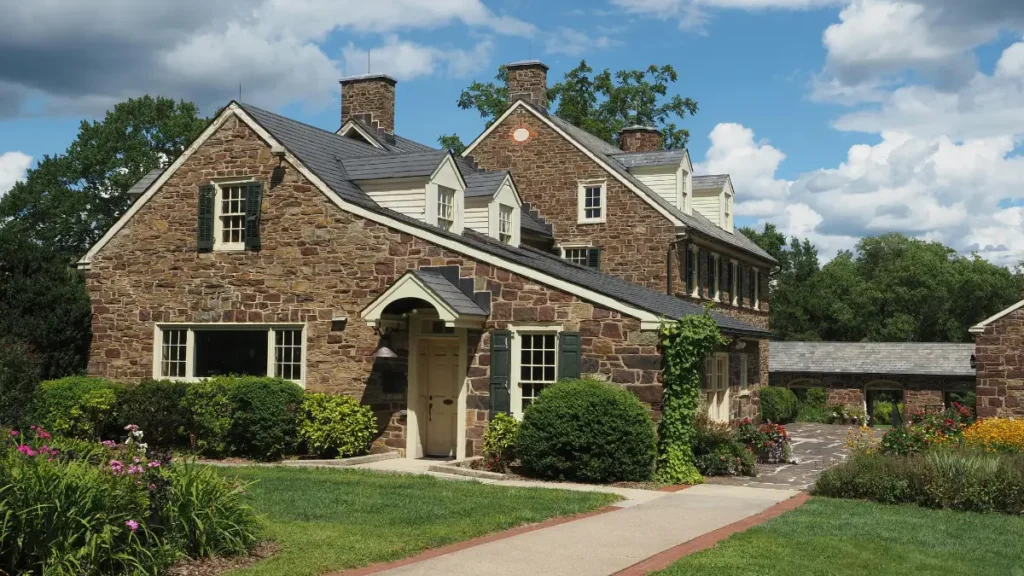
If you’re wondering why you can’t find a modest home in these booming cities, it’s because of what experts call the “missing middle.” These are duplexes, triplexes, and smaller multi-unit buildings that are more affordable for middle-income buyers.
The Georgetown study shows that less than 4% of newly built owner-occupied units fall into this category. That’s striking when you consider that historically, middle-class families could enter the market through these kinds of homes.
What’s worse, the reduction in smaller units is coupled with a rise in larger, higher-cost homes. That combination limits options for families like yours who are not wealthy but want to buy or even rent in a city that’s growing.
The takeaway? If you’re trying to plan your next move, understanding where “missing middle” housing exists—or could exist—is crucial. Look for neighborhoods where zoning allows smaller units or where city incentives promote middle-income builds.
Signs of a Shifting Market
It’s not all bleak. Some data suggest the market is slowly adjusting. For instance, Realtor.com’s analysis of nationwide building permits shows that the median new build fell from 2,128 square feet in 2022 to 1,965 square feet in 2024. That’s a small but meaningful step toward slightly more accessible homes.
There’s also the “filtering effect” to consider. As families rent smaller homes longer, they eventually move into larger units when their needs grow. That keeps older, smaller homes circulating, which may open opportunities for buyers or renters looking for affordable options.
What does this mean for you? It tells me—and you—that patience, research, and timing matter. Monitoring neighborhoods where older housing stock becomes available or where new smaller units are built could give you an edge.
For quick tips and updates on new housing developments and market shifts, many readers find it helpful to stay connected via WhatsApp threads where these insights circulate regularly.
Practical Takeaways for Buyers & Renters
So, after all this, what can you actually do? First, don’t expect the newest builds to be affordable by default. Look for cities or neighborhoods where the “missing middle” still exists, or where city incentives encourage smaller, moderate-income units.
Second, consider your priorities: size, location, and price. You may need to compromise on square footage or proximity to city centers. And remember, rentals can be a strategic first step—especially in cities where buying is out of reach.
Finally, stay informed. Trends shift, policies change, and market dynamics evolve. Following reports like Georgetown’s or Realtor.com’s can give you early insight before prices spike.
Here’s a question I’ll leave you with: if you had to pick a city to live in today, knowing the housing market favors wealthier buyers, would you adjust your expectations, move to a smaller neighborhood, or consider renting longer? I’d love to hear your thoughts.
If you’re a first-time buyer trying to navigate these markets, checking out the 2026 report on the best markets for first-time buyers can give you a clearer picture of where opportunities still exist.
Future Outlook — What’s Next for Housing in These Cities
Looking ahead, the trends we’ve been talking about aren’t going away overnight. Coastal and Sun Belt cities are likely to keep growing, and the demand for housing will remain high. But there are signals that things could slowly shift in your favor.
Cities are experimenting with zoning reforms, incentives for “missing middle” housing, and policies to limit institutional investor dominance. The Georgetown study emphasizes that public investment in affordable housing and infrastructure is crucial. Without it, the market alone won’t solve the problem.
On the private side, developers may start responding to these signals too. The slight drop in median new build size, noted by Realtor.com, suggests there is some room for smaller, more accessible homes. And as long-term trends like delayed homebuying and longer rentals continue, older, smaller homes may cycle back into the market, creating opportunities for buyers and renters like you.
For you, this means staying informed and being strategic. Watch neighborhoods where new policies encourage mid-sized homes, keep an eye on older homes becoming available, and don’t underestimate the power of timing. Sometimes, waiting a few months or exploring slightly off-center areas can make a big difference in what you can afford.
Here’s what I want you to think about: Are you ready to adapt your search strategy for the changing market? Could you consider renting a smaller unit now to eventually move into a larger home later? Planning with this mindset can turn a tough market into an opportunity.
If you want to stay updated on housing trends and insider insights, you can follow me on X or join our Facebook community to keep the conversation going.
Disclaimer: The information in this article is for general informational purposes only and is based on publicly available data from trusted news sources. It is not financial, legal, or real estate advice. Readers should conduct their own research or consult a professional before making housing decisions.