6 Outdated Cleaning Habits That Are Secretly Ruining Your Home
I’ll be honest — most of us aren’t bad at cleaning. We’re just stuck doing it the way we learned years ago. You wipe, scrub, dust, mop… and assume a clean-looking home means a clean home.
But after spending years studying home-care advice and watching how modern homes actually behave, I’ve learned something uncomfortable: some old cleaning habits don’t clean at all. They waste time, spread dirt, damage surfaces, or quietly affect your health.
I see the same patterns everywhere — feather dusters that move dust instead of removing it, dirty cloths reused room to room, harsh chemicals sprayed without a second thought. These habits feel productive, which is why they’re hard to question. But feeling clean and being clean aren’t the same thing.
What’s missing from most cleaning advice online is context. Why a habit became popular. Why it no longer works. And what actually works better today — in real homes, with real messes, busy schedules, and health concerns.
If you’re cleaning regularly but still feel like your home gets dirty too fast, smells off, or never feels truly fresh, this article is for you. I’ll walk you through six old cleaning habits you should stop — not to shame you, but to help you clean smarter, faster, and with less effort.
Before we jump in, tell me this: which cleaning habit do you secretly hate doing but still do out of habit?
Are You Cleaning the Wrong Way? How Outdated Habits Can Backfire
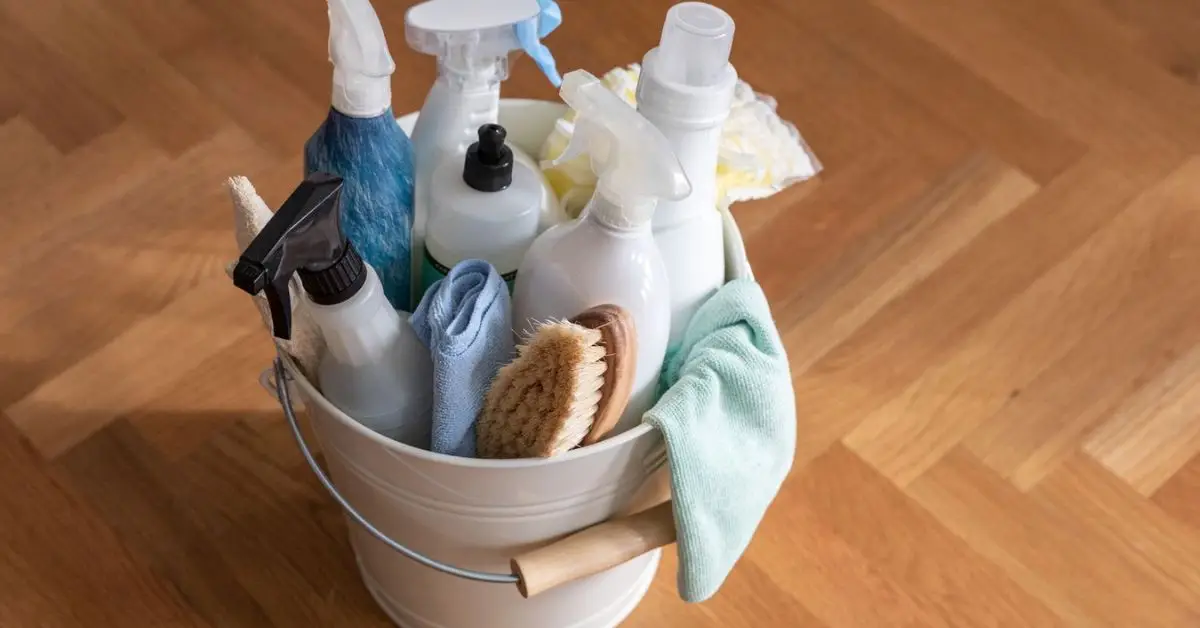
I used to believe that if a home looked clean, it was clean. You wipe the surfaces, sweep the floor, spray a nice-smelling cleaner — done. But over time, I realized something wasn’t adding up. The dust kept coming back fast. Allergies acted up. And some surfaces aged way sooner than they should have.
That’s the problem with old cleaning habits. Most of them were passed down with good intentions, but they don’t match how modern homes work today.
Here’s what outdated routines often do instead of helping:
- Spread dust and allergens instead of removing them
- Push germs from one surface to another, especially in kitchens and bathrooms
- Damage floors, furniture, and finishes through over-scrubbing or harsh tools
- Give a false sense of cleanliness, while bacteria quietly sticks around
When cleaning doesn’t actually clean, you end up working harder for worse results. And the worst part? You assume the problem is “not cleaning enough,” when it’s really cleaning the wrong way.
Once you see this, it becomes easier to question habits you’ve followed on autopilot for years — and that’s exactly where real change starts.
1. Ditch the Feather Duster — Use Damp or Microfibre Cloths Instead
Let’s start with one of the most common habits I still see everywhere: dry dusting with feather dusters or rough cloths.
It feels satisfying. Quick swipe, dust disappears from sight, job done — right? Not really.
What actually happens is this:
- Feather dusters lift dust into the air, not out of your home
- Fine particles settle right back down on furniture, floors, and electronics
- Allergens get redistributed, which is especially rough for anyone with asthma or dust sensitivity
Home-cleaning experts have pointed out that dry dusting mostly relocates dust instead of trapping it, which is why surfaces get dusty again so quickly. A slightly damp microfiber cloth or towel works better because it holds onto dust instead of letting it float away.
What works better in real homes:
- Use a damp microfiber cloth (not dripping wet)
- Fold it so you can use multiple clean sides
- Rinse and wring it out once it looks dirty
This small switch reduces allergens, keeps dust from resettling, and actually makes your cleaning last longer — especially in bedrooms and living rooms.
2. Stop Using the Same Dirty Cloth Everywhere — Clean Tools Matter More Than You Think
XpertSource.com
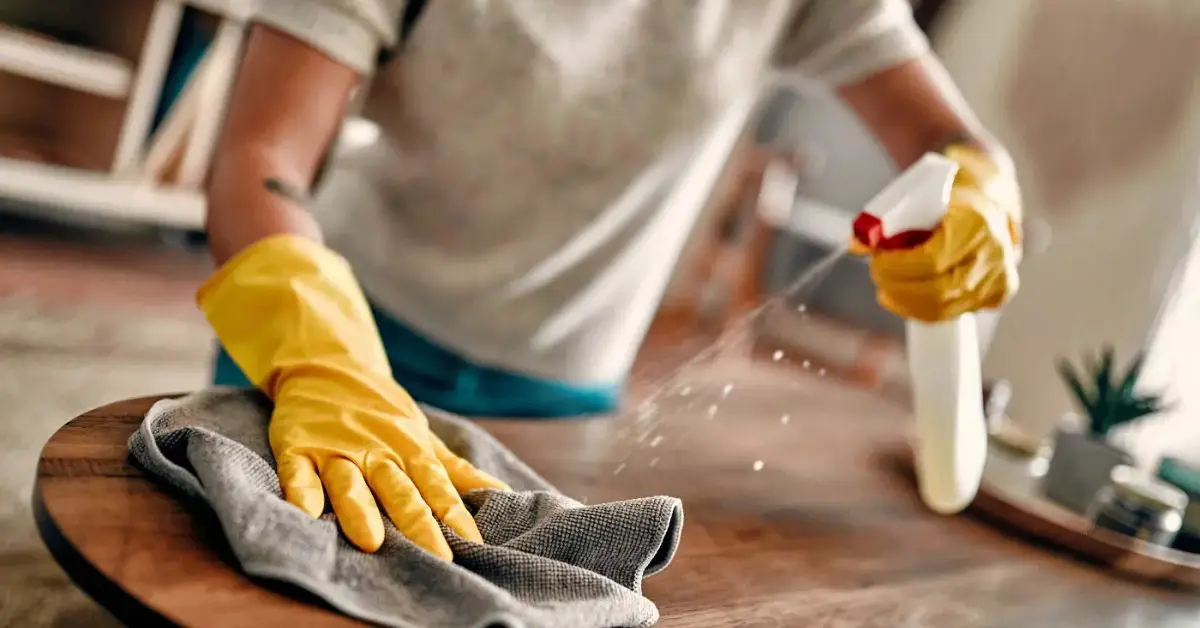
This is one habit almost everyone follows without realizing it — I did too. One sponge, one cloth, one mop… used all over the house.
The problem? A dirty tool doesn’t clean. It just spreads mess around.
When you reuse the same cloth or sponge:
- Grease from the kitchen gets dragged onto counters
- Bathroom bacteria travels to door handles
- Mops push dirty water across floors instead of removing grime
In other words, you’re moving germs, not eliminating them.
A smarter approach is simple and realistic:
- Separate cloths for kitchen, bathroom, and general surfaces
- Wash cleaning cloths regularly and keep them fully dry between uses
- Replace sponges or heavily worn cloths — they don’t last forever
Clean tools are the foundation of clean results. Once you fix this habit, everything else you do becomes more effective with the same effort.
3. Clean Smart: Always Go Top-to-Bottom and Dust Before Wet Cleaning
For a long time, I made the same mistake many people still make — I cleaned the floors first. Once the mopping was done, I felt accomplished. But then I’d dust shelves, fans, and furniture… and minutes later, the floor looked dusty again.
That’s not bad luck. That’s bad order.
When you clean bottom-up or start wet cleaning too early, here’s what really happens:
- Dust from higher surfaces falls straight onto freshly cleaned floors
- Wet mopping before dusting turns loose dirt into sticky residue
- You unknowingly double your work
Cleaning experts explain that dust always moves downward, so starting at floor level guarantees re-soiling later. This is why many home-care sources warn against cleaning in the wrong order, as it makes your effort less effective
cleaning in the wrong order.
A smarter, stress-free sequence looks like this:
- First: Dry dust fans, shelves, corners, and wall edges
- Second: Wipe surfaces like tables, counters, and switches
- Last: Vacuum or mop the floors
Why this matters is simple — you clean every surface once, floors stay cleaner longer, and you finish faster without feeling drained.
4. Say No to Overusing Harsh Cleaners — Choose Safer, Smarter Methods
I know the instinct. Something looks dirty, and you grab the strongest cleaner you can find. Strong smell. Strong result — or so we assume.
But using harsh chemical cleaners too often doesn’t make your home cleaner. It just makes it harder on your surfaces and your body.
Here’s what overuse usually leads to:
- Faded countertops and damaged finishes
- Skin irritation after cleaning
- Headaches or breathing discomfort from fumes
Excessive use of chemical cleaners can wear out surfaces and affect indoor air quality. More product doesn’t mean better results — following instructions does overusing harsh cleaning chemicals.
What works better in everyday life:
- Use milder or low-chemical products for routine cleaning
- Follow label directions — especially dilution and wait time
- Open windows or run exhaust fans while cleaning
A truly clean home shouldn’t sting your eyes or burn your throat. Safe cleaning is smart cleaning. If you want to keep your kitchen not just clean but smelling fresh all day without relying on harsh chemicals, check out these 10 habits that’ll keep your kitchen smelling fresh — they pair perfectly with smarter cleaning routines.
5. Don’t Ignore Your Tools or Hidden Corners — Maintenance Matters Too
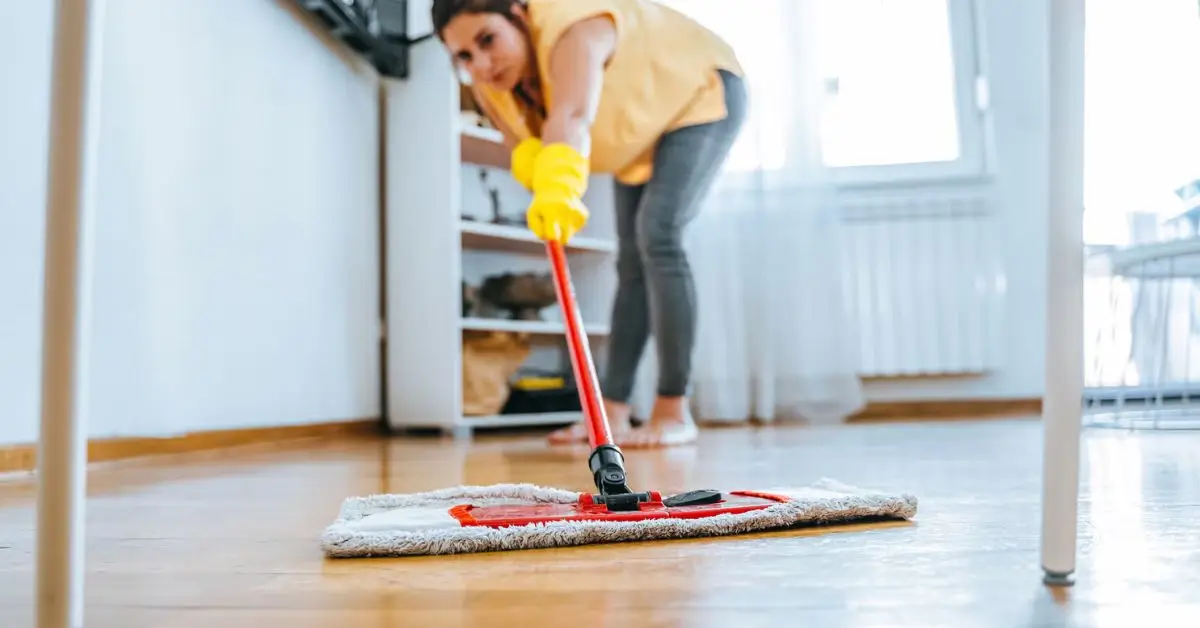
This is the habit that quietly ruins all your hard work. Dirty tools.
You can follow every cleaning rule perfectly, but if your vacuum filter is clogged or your sponge is worn out, you’re spreading dirt instead of removing it.
The most ignored trouble spots are:
- Vacuum filters filled with dust
- Sponges and mops used far too long
- Behind furniture, under beds, near wall edges
Cleaning experts from Good Housekeeping highlight how neglected tools and filters reduce cleaning effectiveness and allow dust and allergens to build up over time dirty cleaning tools and filters. Even when your home looks spotless, some unnoticed habits can invite pests; learn about 10 cleaning habits that attract mice so you can prevent them while adopting smarter routines.
A realistic maintenance habit you can stick to:
- Check and clean vacuum filters regularly
- Replace sponges and mops once they smell or lose shape
- Deep-clean hidden areas every few weeks
If your home never feels truly clean, it might not be your effort — it might be the tools you’re trusting.
6. Avoid Over-Cleaning — Be Mindful to Save Water, Energy, and Your Home
For years, I treated cleaning like a daily safety ritual. Clothes went into the wash after one wear. Bedsheets were washed constantly. Surfaces were scrubbed even when they looked fine. It felt responsible — but it wasn’t always smart.
Over-cleaning is one of those habits we rarely question. Yet many traditional routines quietly cause more harm than good by putting unnecessary stress on fabrics, finishes, and even your home’s systems. Experts have noted that washing and scrubbing too often wears out items faster without improving hygiene, which is why outdated routines around
over-cleaning household items are now being reconsidered.
A more balanced approach actually works better:
- Wash clothes only when they’re truly dirty or smelly
- Let rooms and fabrics air out before reaching for cleaners
- Focus daily cleaning on high-touch or visibly soiled areas
- Skip unnecessary deep cleaning just to “feel productive”
Why this shift matters:
- Clothes, furniture, and surfaces last longer
- Water, energy, and time are saved
- Cleaning feels calm instead of stressful
A home doesn’t need constant scrubbing to stay healthy. It needs mindful care.
Build a Smarter Cleaning Routine — Simple Rules to Follow from Today
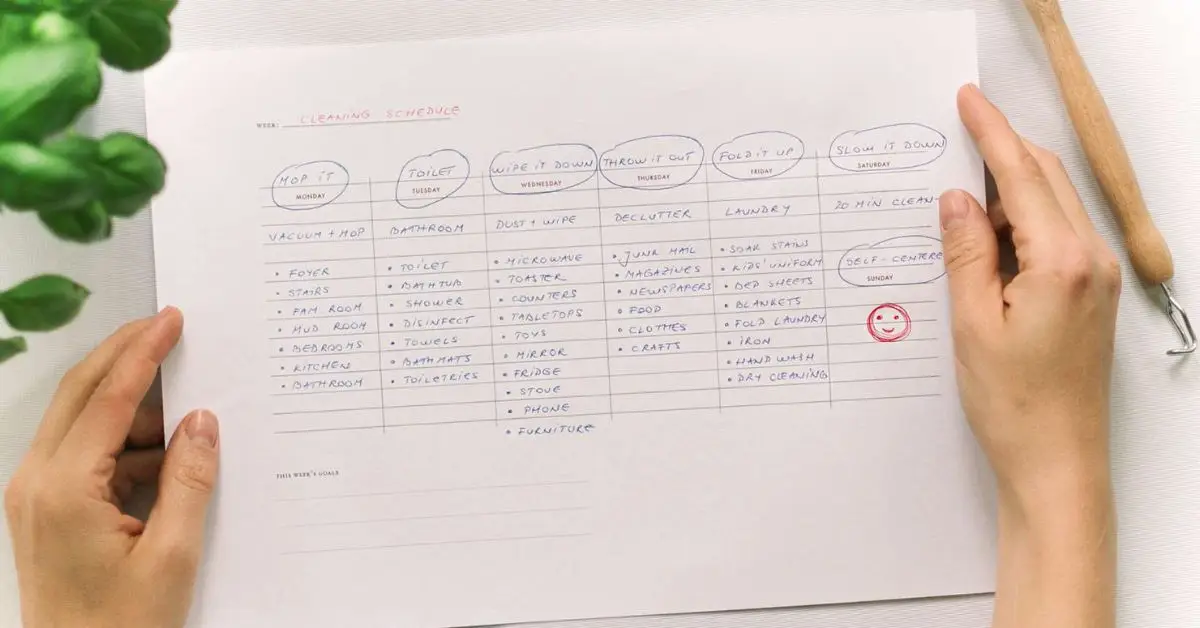
Once you drop rigid over-cleaning, the goal becomes consistency, not intensity. I always tell people: a simple routine you follow beats a perfect one you quit.
Here’s a practical, modern routine that fits real life:
Daily
- Light wipe of high-touch surfaces
- Quick air-out of rooms
For a quick daily win, especially in the kitchen, you can adopt 3 quick kitchen cleaning habits to do before bed that complement the weekly and monthly routines mentioned above.
Weekly
- Dust from top to bottom
- Vacuum or mop floors
- Clean kitchen and bathroom surfaces
Monthly or Quarterly
- Clean behind appliances and under furniture
- Wash filters, curtains, and cushion covers
- Inspect mops, sponges, and cloths
A few rules that keep this routine effective:
- Use separate cloths for kitchen and bathroom
- Follow a top-to-bottom cleaning order
- Use gentle cleaners for regular cleaning
- Ventilate rooms while cleaning
You don’t need to clean more — you need to clean smarter.
If you followed this routine for just one month, what part of your home do you think would feel the most different?
Beyond Shine: Why Modern Cleaning Gives You Long-Term Benefit
After years of experimenting with cleaning routines, I’ve realized something important: cleaning isn’t just about a spotless home. When done thoughtfully, it impacts your health, hygiene, and even the lifespan of your home.
Here’s what you actually gain when you adopt modern, smart cleaning habits:
- Fewer allergens and pests: Dust mites, mold, and pests are less likely to accumulate
- Better indoor air quality: Less chemical residue and dust circulating in the air
- Preserved surfaces and floors: Gentle methods prevent scratches, discoloration, and premature wear
- Longer life of furniture: Fabrics, cushions, and wood last longer with mindful care
- Lower maintenance costs: Less repair or replacement needed over time
On top of that, safe cleaning habits reduce health risks, especially skin irritation or respiratory issues, which is crucial in humid or polluted environments. Modern cleaning is about protecting your home and your well-being, not just achieving a temporary shine.
Your Home-Cleaning Reset: Start Today, One Habit at a Time
Let’s wrap this up. We’ve covered six old cleaning habits you should stop:
- Using feather dusters or dry dusting
- Cleaning with dirty cloths/sponges or reusing them everywhere
- Cleaning in the wrong order — floors first, top-down mistakes
- Overusing harsh chemical cleaners
- Ignoring regular maintenance of tools and hidden spots
- Over-cleaning unnecessarily — stressing clothes, surfaces, and resources
The goal isn’t to overhaul your entire routine overnight. Pick 1–2 habits to change this week. Small, consistent steps make it far easier to stick with better practices long-term.
I’d love to hear from you: Which habit surprised you most, and which one will you start changing today? Share your thoughts in the comments below or visit us at Build Like New for more practical home-care tips and smart routines.
Disclaimer: This article is for informational purposes only. Always follow product instructions and consult professionals if needed.