6 Easy Hacks to Stop Your Kitchen from Feeling Empty
I’ve spent countless hours walking into kitchens that feel… empty. You know the kind—the space is huge, the counters are pristine, but somehow it just lacks life. And it’s frustrating, isn’t it? Because a kitchen should feel warm, functional, and inviting, not like a show home you can’t touch.
Over the years, I’ve learned that making a kitchen feel “full” isn’t about buying expensive appliances or crowding the space with décor. It’s about small, thoughtful upgrades that instantly add personality, depth, and comfort. In this guide, I’m going to show you six simple ways you can transform your kitchen from cold and hollow to cozy and welcoming—without a complete remodel.
Why Your Kitchen Feels Empty
I’ve noticed that even the most beautiful kitchens can feel oddly… empty. And it’s not just you—this is something many homeowners experience. Here’s why your kitchen might be giving off that hollow vibe:
- Oversized Layouts: Big kitchens are great, but if the space isn’t anchored, it can feel cavernous and uninviting.
- Minimal Décor: Bare countertops and walls may look clean, but they often strip the room of personality.
- Empty Walls: Large, unadorned walls can make the space feel incomplete and cold.
You don’t have to guess what “full” looks like—I’ve seen kitchens transformed with just a few thoughtful touches. Visual examples on DesignCafe show how walls, lighting, and textures can completely change a kitchen’s vibe. Fun fact: in various design forums, a surprising number of homeowners admit their kitchens look amazing but don’t feel cozy—so you’re definitely not alone.
1. Maximize Wall Space with Functional Decor
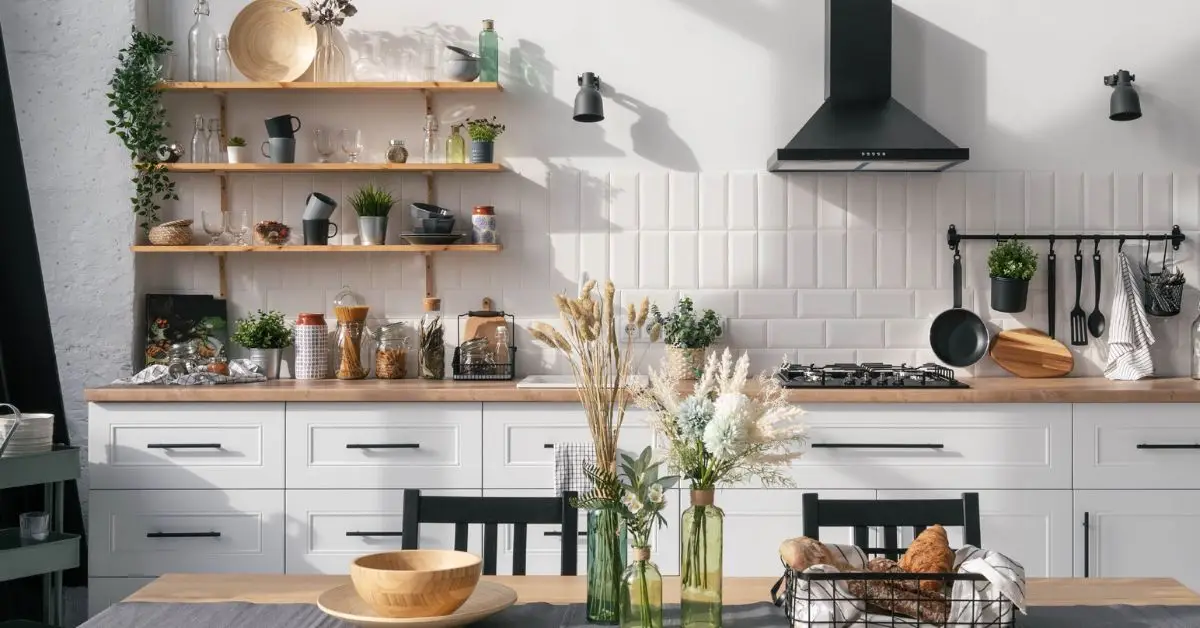
One of the quickest ways to fill that emptiness is by using your walls wisely. When I first applied these tricks, the difference was instant. Here’s what works:
- Floating Shelves: Perfect for jars, potted herbs, or cookbooks. They give you storage and style.
- Photo Frames & Personal Art: A gallery wall with family photos or your favorite prints instantly makes the space feel yours.
- Wall-Mounted Dining or Breakfast Sets: Great for large kitchens where the floor space feels underused—they fill space without cluttering it.
I even came across a Reddit thread where people shared photos of their walls after installing floating shelves—it’s amazing how much warmth a simple shelf can add. These small additions make your kitchen feel intentional, cozy, and lived-in, not just another room in your house.
2. Introduce Multi-Functional Furniture & Storage
If your kitchen feels empty, it’s often because there’s too much unused floor space. I learned early on that adding smart, multi-functional furniture changes everything. Here’s what I suggest:
- Kitchen Islands with Storage: Choose an island with drawers or cabinets underneath—it gives you extra workspace and hides clutter.
- Foldable Tables and Chairs: Perfect for large kitchens that feel hollow; you can fold them away when not in use.
- Pull-Out Pantries or Cabinets: These can double as display shelves for your favorite jars or decorative items.
If you want more clever ideas for organizing your kitchen efficiently, check out these 10 genius spice storage ideas that’ll instantly declutter your kitchen.
3. Add Layers of Texture & Color
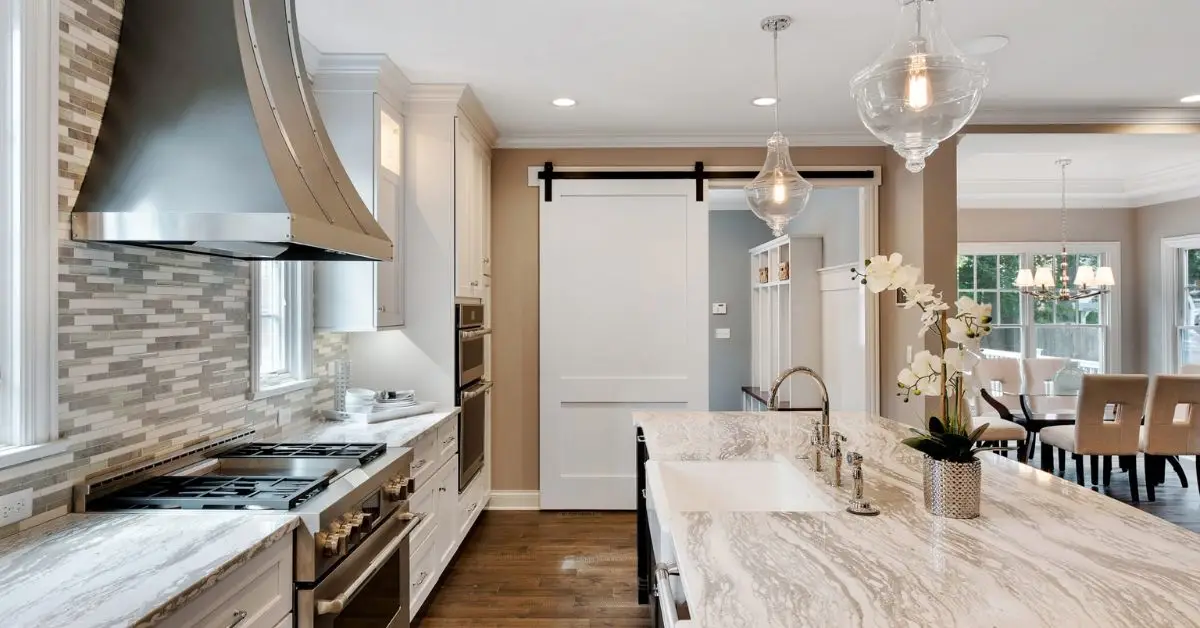
One thing that instantly makes a kitchen feel warmer is layering texture and color. I used to ignore this, but now it’s one of my go-to tricks. Consider:
- Accent Walls: Think bare brick, textured paint, or wallpaper for a focal point.
- Color Pops: Cabinets, backsplashes, or décor in a bold accent can break the emptiness.
- Balance: Stick to a neutral base and 1–2 accent colors to keep the look cohesive.
For inspiration on how textures and colors can transform a kitchen, I often refer to articles like this Blissspace guide on wall styling. It shows practical examples that feel achievable even if you’re not a designer.
4. Bring in Greenery & Natural Elements
Plants are one of the simplest ways to soften a kitchen and make it feel alive. I always add at least a few because they work on multiple levels—they look beautiful and improve the atmosphere. Try:
- Potted Herbs: Place them on shelves or windowsills for a functional and green touch.
- Hanging Planters or Vertical Gardens: Perfect for walls that feel bare.
- Low-Maintenance Plants: Succulents, pothos, or snake plants are ideal—they thrive even if you forget to water sometimes.
Adding greenery not only fills space visually, it also makes your kitchen feel cozy and approachable—something I always notice when friends compliment a refreshed kitchen vibe.
5. Strategic Lighting Upgrades
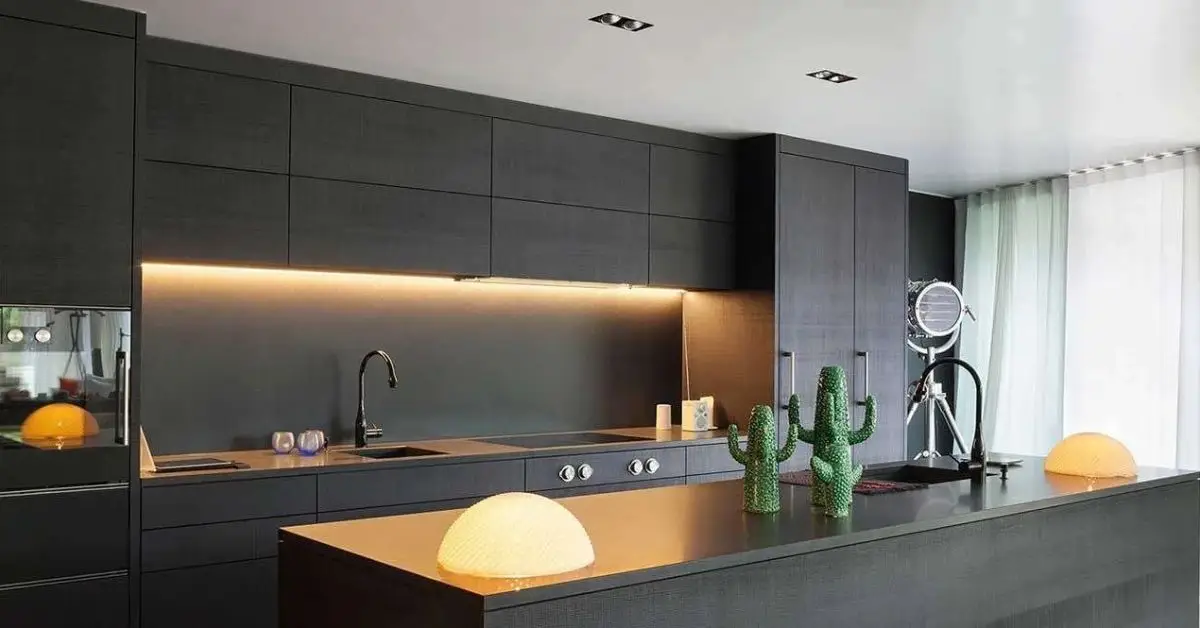
Lighting can make or break a kitchen’s feel. I’ve walked into some gorgeous spaces that still felt cold simply because the lighting was off. Here’s what I focus on:
- Under-Cabinet LED Strips: They illuminate countertops and add warmth without taking up space.
- Pendant Lights: Over islands or breakfast nooks, they act as a focal point and make large kitchens feel cozier.
- Warm White vs Cool White: Warm tones make the space inviting, while cool tones can make it feel stark and empty.
An expert from Lighting Direct once pointed out that layered lighting is the key to a functional yet cozy kitchen, and I couldn’t agree more. You can see practical examples and tips on their lighting solutions guide to get inspired.
6. Personal Touches That Make a Big Difference
Even after all the functional upgrades, your kitchen won’t feel truly lived-in without personality. I always add these finishing touches:
- Favorite Kitchenware or Cookbooks: Displaying them on open shelves or counters brings warmth and a sense of ownership.
- Small Rugs or Mats: Define zones and soften empty floor space.
- Decorative Trays, Bowls, or Jars: Simple objects can add color and texture without overcrowding.
Mistakes to Avoid When Filling Your Kitchen
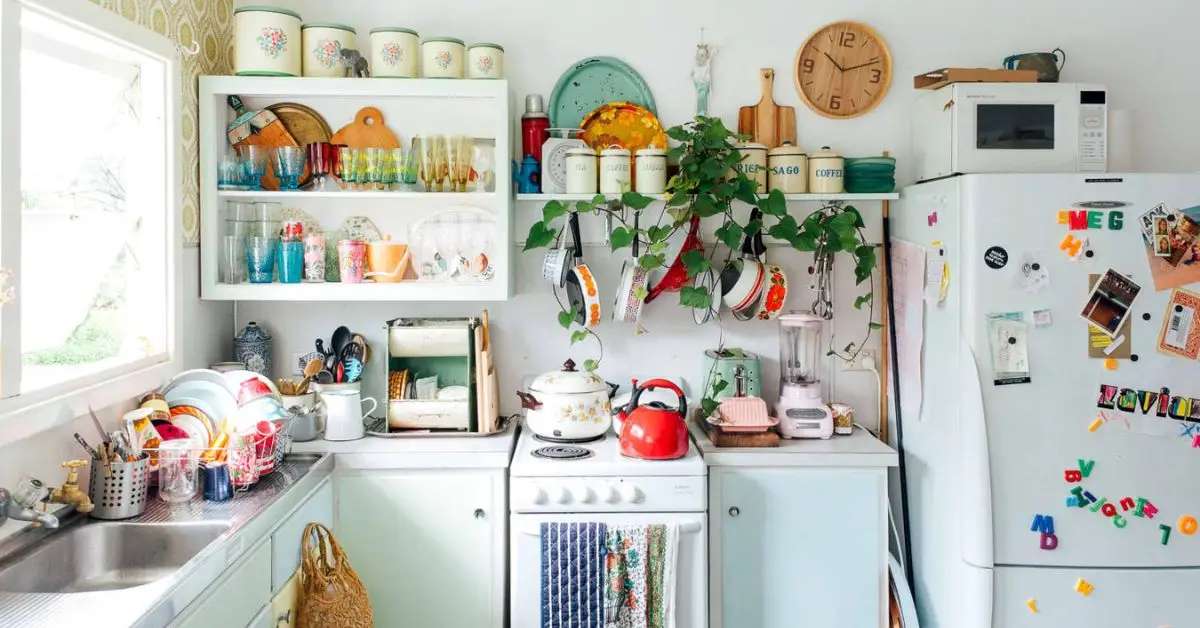
It’s easy to go overboard trying to “fill” a space, but I’ve learned the hard way that less is sometimes more. Watch out for:
- Overcrowding with Décor: Too many objects make the kitchen feel cluttered rather than cozy.
- Mismatched Colors or Materials: Random combinations can break the visual flow and feel chaotic.
- Ignoring Workflow and Usability: A beautiful kitchen is useless if it doesn’t work for cooking and daily routines.
To keep your kitchen functional while adding personality, follow this simple guide on how to declutter your kitchen in 7 steps for a cleaner, happier space.
Keeping these in mind ensures that every upgrade you make adds value, not just visual noise.
Before You Buy Anything — Ask Yourself These 3 Questions
I’ve seen so many people, including myself in the past, get excited about a trendy kitchen accessory… only to realize it didn’t actually fit their space or needs. That’s why I always take a pause and ask myself a few simple questions before buying anything new. Doing this not only saves money, but it also keeps your kitchen functional, stylish, and clutter-free.
1. Does this item solve a visual gap or create clutter?
Ask yourself honestly: is this piece filling a real empty spot, or am I just buying it because it looks nice in a magazine? A beautiful bowl or vase is lovely, but if it sits on a counter and adds no purpose, it can actually make your kitchen feel more chaotic than full. I like to walk around my kitchen, look at empty zones, and only consider items that truly enhance the space.
Before adding anything new, it’s also helpful to revisit the essentials—you might be surprised by the 10 kitchen items you should never throw away even if you’re decluttering.
2. Will I use this daily, or is it just for looks?
I always think about practicality first. A fancy coffee station might be Instagram-worthy, but if I don’t drink coffee every day, it’s just taking up valuable counter space. Items that you interact with daily—like a fruit bowl, a knife set, or an herb planter—naturally make the space feel lived-in and intentional.
3. Does it match my kitchen’s color and function?
Even small mismatched items can throw off the harmony of a kitchen. I check colors, materials, and finishes to make sure anything I add complements the existing palette and doesn’t clash with the workflow. If it feels “off” visually or functionally, it’s not worth it, no matter how cute it is.
By asking these three questions, I avoid impulse purchases and keep my kitchen feeling curated, cozy, and purposeful. You’ll notice the difference immediately: the space looks fuller and more inviting, without ever feeling overcrowded.
Wrapping It Up
Making your kitchen feel full and inviting doesn’t have to be complicated or expensive. From smart furniture and layered textures to greenery, lighting, and personal touches, small, thoughtful upgrades can completely transform the vibe of your space. I’ve shared what works, what to avoid, and the questions I ask myself before buying anything, so you can create a kitchen that’s both functional and warm.
Now it’s your turn—I’d love to hear from you. Which of these upgrades do you think would make the biggest difference in your kitchen? Drop your thoughts and experiences in the comments below; I read every single one.
And if you want more expert tips, real-life ideas, and inspiration for transforming your home, check out Build Like New. We’re all about helping you create spaces that feel truly lived-in and welcoming.
Disclaimer: The tips and suggestions in this article are for general informational purposes only. Results may vary based on individual kitchen layouts and personal preferences. Always consider your own safety and functionality when making changes or purchasing items.