7 Microwave Hazards Putting Thousands of Children at Risk of Burns
I want to start by being completely honest with you—most of us never think twice about the microwave in our kitchen. I certainly didn’t, until I learned just how many children get seriously burned by something we all consider “safe.” Over the past decade alone, thousands of kids—some as young as 17 months—have ended up in burn units because they could reach, start, and open a microwave on their own. I remember reading a story of a little boy who said it felt like a “torch was touching his chest.” That image stuck with me.
When you’re heating soup, milk, or any hot drink, it’s easy to forget that steam and liquids can erupt faster than you can react—especially for toddlers who don’t understand the danger. What shocks me most is how overlooked this risk has been. Pediatricians have known about it for years, but until recently, regulators, manufacturers, and even many parents hadn’t paid attention. The truth is, microwaves are quietly responsible for a significant number of scald injuries among young children.
In this article, I want to take you beyond the usual “keep out of reach” advice. I’ll show you the hidden dangers that most guides miss, explain how injuries actually happen, and share steps you can take today to protect your child. By the end, you’ll see why something as ordinary as your kitchen microwave deserves a second look.
Hidden Danger #1: Toddler Access and Easy Oven Opening
I’ve seen firsthand how easy it is for toddlers to operate things we think are adult-only. Microwaves are no exception. Kids as young as 17 months can figure out how to start the oven and even open the door on their own. That’s not a guess—it’s documented in pediatric studies over 11 years at Chicago hospitals, where doctors found 7,000 cases of microwave-related burns in young children.
What makes this danger so invisible is that parents rarely notice the risk until something goes wrong. You might be heating your own lunch while your toddler is nearby, and in a matter of seconds, a spill can happen.
Thankfully, there’s a big development that gives me hope. Child-resistant microwave doors are now required for UL certification under the new 2023 standard. This design makes a child complete two distinct motions to open the door, similar to high-chair trays, and significantly reduces the chance of accidental burns.
Here’s what I tell parents:
- Place microwaves out of reach whenever possible. Even a small counter can be within a toddler’s climbing range.
- Teach older siblings safe microwave use—kids mimic what they see.
- Look for child-resistant models when shopping for a new appliance; the new UL standard ensures extra protection.
If you want to read more about this breakthrough, CBS News has a detailed report on child-resistant microwaves.
Hidden Danger #2: Super-Hot Liquids and Steam Scalds
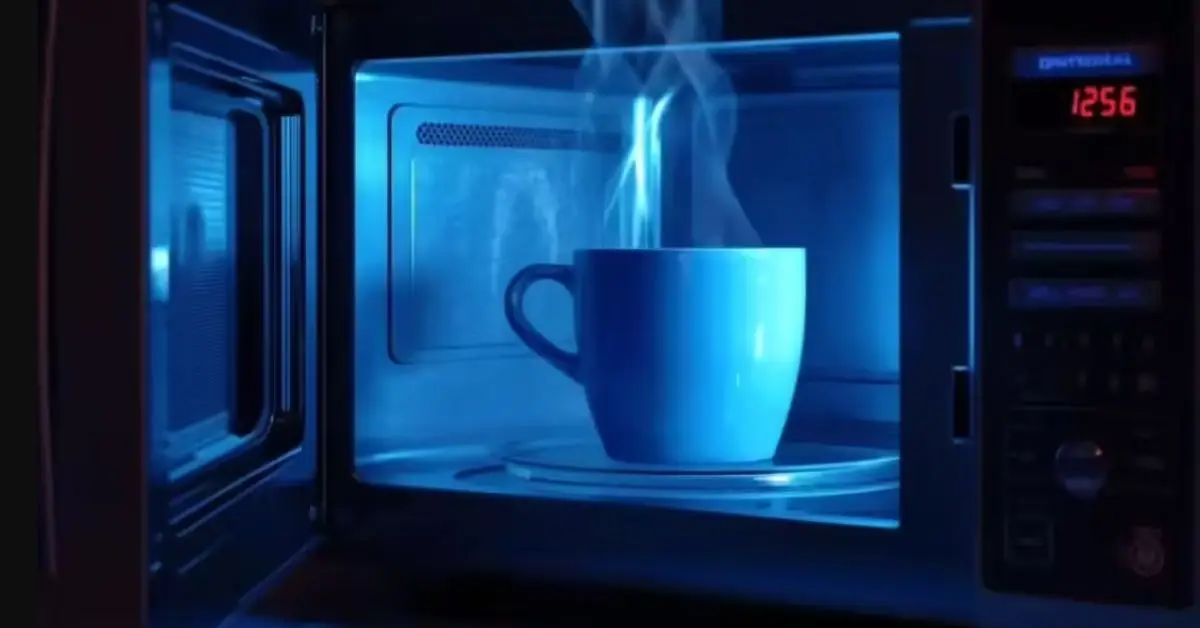
You might think stoves are the main danger in the kitchen—but microwaves can be far more unpredictable. Liquids like water, soups, or milk can superheat, meaning they get hotter than their boiling point without visibly bubbling. When disturbed—stirred, shaken, or removed—they can erupt violently, spilling scalding liquid onto a child’s face, chest, or hands.
Here’s why this is particularly dangerous for toddlers:
- Their skin is extremely sensitive, so even brief contact with steam or hot liquid can cause serious burns.
- Unlike stoves, microwaves heat unevenly, so a container can feel cool on the surface while the inside is extremely hot.
Most advice online simply warns about “hot liquids,” but few explain that steam pressure can explode unexpectedly. Just as steam can suddenly erupt from a container, many homeowners underestimate other hidden dangers like smoke or carbon monoxide from wood-burning appliances—here’s a guide on 5 dangerous health risks of wood-burning fireplaces every homeowner needs to know. I always suggest parents check the temperature before giving anything to a child and to consider heating in small increments.
For more on preventing superheating incidents, the FDA provides practical guidance on microwave safety.
Hidden Danger #3: Uneven Heating and Cold Spot Hazards
Here’s another hidden hazard that often catches parents off guard: uneven heating. Foods like cheese pockets, frozen meals, or soups can have hot spots that aren’t obvious when you touch the container. Your child might pick up what seems like a cool bowl and get burned almost instantly.
I’ve noticed this risk gets overlooked because most guides just say “supervise your child,” but that advice alone isn’t enough. Kids’ slower reflexes and limited heat awareness make them especially vulnerable.
Here’s what I do to minimize the risk in my own home:
- Stir liquids thoroughly after microwaving to distribute heat evenly.
- Test the temperature with a spoon or your own wrist before giving food to a child.
- Heat smaller portions—less food in the container means fewer cold spots and faster, more even warming.
Research from CSIRO confirms that uneven heating is a major risk, yet it’s rarely mentioned in parenting guides. Understanding this can save your child from a painful accident.
Hidden Danger #4: Steam Burns from Covered Containers
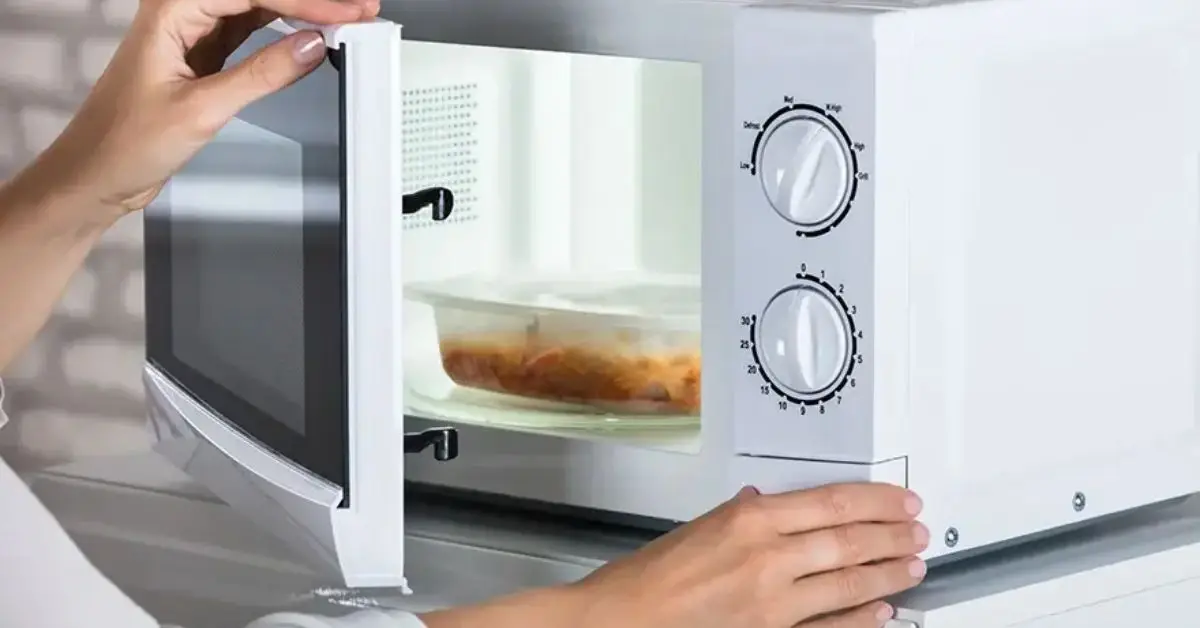
It seems harmless to cover food before microwaving, right? But here’s the catch: sealed containers or plastic wrap trap steam, which can build pressure that explodes when you lift the lid. I’ve seen parents almost get scalded because a container erupted unexpectedly.
Steam burns happen fast and can affect the hands, arms, and even the face. Steam and lint buildup can be just as dangerous as trapped steam in containers; I once read a story about a homeowner who nearly had a disaster with her dryer, and here’s what happened after she cleaned her dryer, according to a repairman. It’s not just hot liquid—you’re dealing with invisible, pressurized steam that can erupt without warning.
Here’s how I handle it at home:
- Always vent containers by leaving a corner open or using microwave-safe vented lids.
- Avoid tight plastic wraps; they can burst under pressure.
- Use microwave-safe containers designed for steam release.
- Heat incrementally and check the contents halfway through.
This is one danger most online guides don’t cover thoroughly, yet it’s a common cause of scald injuries.
Hidden Danger #5: Microwave Materials That Ignite or Melt
You might think microwaves are only dangerous because of hot food—but there’s another hazard that gets almost no attention: materials that can ignite or melt. Metals, aluminum foil, and even certain plastics can spark, catch fire, or release toxic fumes. Just like microwaves can spark or release toxins when unsafe materials are used, other common appliances in your home can also pose a fire risk if left plugged in—here are 4 appliances you must unplug after every use or risk a fire. I’ve seen stories from parents where a curious child put the wrong container in the microwave and almost caused a small fire.
Here’s what I recommend to avoid this risk:
- Never use metal or aluminum foil inside a microwave.
- Check containers for “microwave-safe” labels before heating.
- Supervise kids closely if they are helping with food prep, even with safe containers.
Hidden Danger #6: The Myth of Microwave Radiation Burns
I want to clear up a misconception I still hear from parents: microwaves do not emit harmful radiation like X-rays. The type of radiation used in microwaves is non-ionizing—it can’t cause cancer. That said, it can heat tissue if a microwave is damaged or leaking, which is why radiation burns are extremely rare but technically possible.
The problem is that myths spread easily online and in social media, which makes parents overly anxious or, paradoxically, underprepared for the real risks. Understanding the difference between perception and reality helps you focus on what truly matters: hot liquids, steam, and accessible microwaves.
Hidden Danger #7: Insufficient Warnings and Missing Education
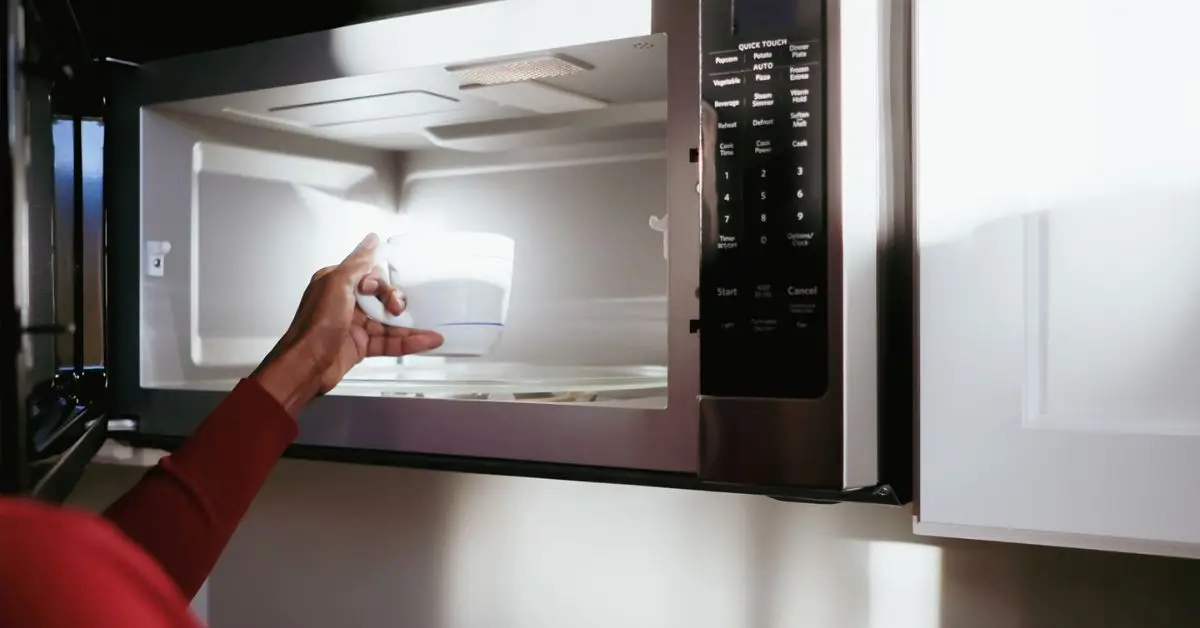
Even with all these risks, the biggest gap is awareness. Most microwaves don’t have child-focused warnings, and many parents naturally assume the risk is lower than that of a stove or oven.
Here’s something I find remarkable: after decades of pediatricians lobbying, UL introduced a child-resistant standard for microwaves in 2023. That’s a big step forward, but it’s still not in every household. Until old models are replaced, vigilance is key.
What I tell parents:
- Treat microwaves like you would a stove—hot, potentially dangerous, and always within sight.
- Talk to caregivers and older kids about safe use. Awareness is your first line of defense.
How to Recognize Early Warning Signs
Preventing accidents often comes down to noticing the early cues. I always look for:
- Behavioral signs: toddlers reaching for microwaves or imitating adults.
- Misuse patterns: spinning dials, lifting lids without help, or leaving containers unattended.
- Temperature clues: checking liquids for hidden heat by stirring and testing before serving.
Recognizing these early signs gives you time to intervene before a serious burn happens.
Evidence-Based Prevention Strategies
After seeing so many injuries, I’ve developed a few strategies that actually work:
- Place the microwave out of reach of young children whenever possible.
- Use child locks and teach safe behavior, so kids understand what’s off-limits.
- Heat incrementally, stir, and vent covered foods properly.
- Avoid unsafe containers and metals, which can spark or melt.
The key is combining practical habits with awareness. You can’t control curiosity, but you can control access, supervision, and preparation, and that dramatically lowers the risk.
Conclusion
Microwaves are such a common part of our daily lives that it’s easy to forget they can pose serious risks to young children. From toddlers opening the oven on their own, to super-hot liquids, hidden hotspots, steam pressure, and even sparks from the wrong containers—there are dangers most parents never think about until it’s too late.
The good news is that awareness, small changes, and simple safety habits go a long way. Placing the microwave out of reach, teaching safe behavior, venting containers properly, and checking food temperatures can prevent most accidents. And with new child-resistant standards coming into play, we’re finally seeing solutions that address these risks at the source.
I’d love to hear from you: Have you had any close calls with your microwave, or do you have tips that worked in your home? Share your experiences in the comments below—I read every single one.
If you want more practical safety advice, home tips, and guides you can actually trust, visit Build Like New. We focus on helping families create safer, smarter homes every day.
Disclaimer: This article is for informational purposes only and is not a substitute for professional medical advice. Always supervise young children around microwaves and consult a pediatrician or safety expert if you have concerns about burns or injuries.