7 Effective Ways to Eliminate Cluster Flies From Your Home Permanently
I remember the first time I noticed those slow-moving, stubborn flies gathering on my window sills every fall. At first, I thought they were just ordinary houseflies—but soon I realized they weren’t going anywhere. That’s when I learned I was dealing with cluster flies. Unlike regular flies, these little invaders don’t just buzz around your kitchen; they settle into your attic, walls, and eaves, quietly waiting out the winter.
I get it—having them in your home can feel like losing control. You swat, spray, and vacuum, but they keep coming back. And that’s because most guides only give half the story. In this article, I’ll walk you through seven proven ways to finally get rid of cluster flies—strategies I’ve tested, tweaked, and seen work in real homes. By the end, you’ll know exactly how to protect your space, prevent future invasions, and feel in control again.
1. Stop Entry Before It Happens — Seal All Access Points
If there’s one thing I’ve learned after dealing with cluster flies year after year, it’s this: prevention beats panic. You can vacuum, spray, or trap all you want, but if those tiny cracks and gaps in your home are left open, the flies will just keep coming back.
Here’s how I tackle it:
- Inspect every potential entry point. Look around windows, doors, vents, and even small gaps in your eaves. I always crawl around with a flashlight in the evening—it’s surprising how many sneaky cracks you’ll miss otherwise.
- Check screens and weatherstripping. A torn screen or worn-out door seal is basically an open invitation. Replacing or repairing these small items is much easier than dealing with hundreds of flies later.
- Seal with durable materials. I use silicone or exterior-grade caulk for long-lasting protection. It might take a bit of time, but it’s worth it when you realize how effective it is. Sealing cracks and entry points is just one way to keep pests out—if you want a broader strategy, check out these 10 easy ways to stop ants, flies, and mosquitoes from invading your home for year-round protection.
If you want a detailed, step-by-step approach, I found Anchor Pest Services’ guide on inspecting and sealing entry points extremely helpful—it pointed out gaps I would have completely missed.
2. Vacuum Smart: Remove Flies Without Mess or Residue
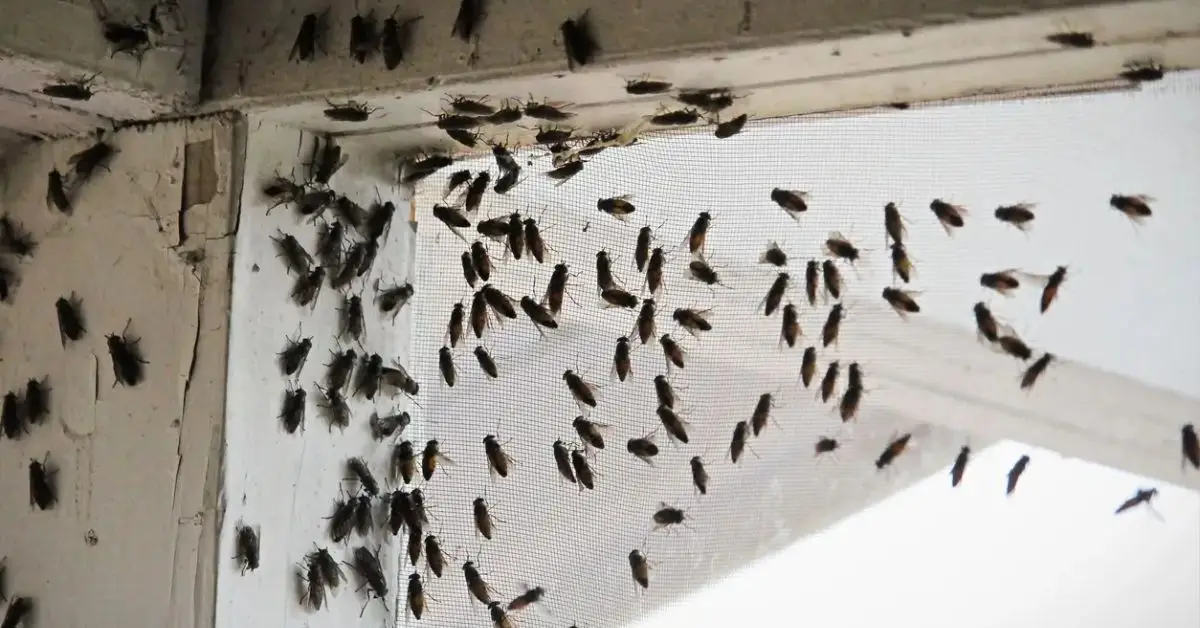
Once you’ve sealed the entry points, the next step is removing the flies that are already inside. I can’t stress enough: swatting may feel satisfying, but it backfires. When a cluster fly dies, it releases a scent that attracts others. That’s why I always grab my vacuum instead—it’s clean, fast, and chemical-free.
Here’s my approach:
- Choose the right vacuum. A hose attachment with a HEPA filter works best. It lets you reach corners and attics where flies like to hide. I’ve used this method in my own attic, and it’s amazing how many flies you can capture in one sweep.
- Empty the canister immediately. I take it straight outside and dispose of the contents, so no flies escape back into the house.
- Focus on problem areas. Windowsills, attic corners, and light sources are hotspots. I make a quick round through these areas each morning until the population drops. While vacuuming is great for immediate removal, preventing flies from breeding in hidden areas like drains is also important—check out these 9 drain cleaning hacks that stop drain flies in their tracks to keep problem areas under control.
For more practical tips, I followed Homes and Gardens’ guide on using vacuums for pest control, which showed me some tricks for catching even the trickiest cluster flies.
3. Strategic Traps: Light, Sticky, and UV Traps That Work
Even after sealing gaps and vacuuming, some cluster flies might still linger. That’s when I turn to traps. They don’t just catch flies—they help you monitor the problem so you know how bad it really is.
Here’s how I set them up:
- UV fly traps for basements and attics. These attract flies with light and trap them before they spread. I found the Pest ID guide on effective fly traps really helpful for deciding where to place traps safely.
- Sticky traps near windows or entry points. Place them in high-traffic zones where flies usually gather.
- DIY light traps. A simple lamp with a sticky surface works in corners or behind furniture where commercial traps can’t reach.
4. Timing Matters: Seasonal Prevention Beats Reactive Control
Waiting until flies are everywhere is a common mistake. Cluster flies are seasonal invaders, usually arriving in late summer or early fall, so acting before they enter is key.
Here’s my approach:
- Inspect and seal during the right months. Late summer is the best time to check for gaps.
- Check exterior entry points regularly. Windows, vents, and attic openings should be included in your seasonal inspection.
- Ensure proper attic insulation and ventilation. Cluster flies love warm, stuffy spaces, so a well-ventilated attic is less inviting.
5. Temperature & Environmental Tricks That Discourage Flies
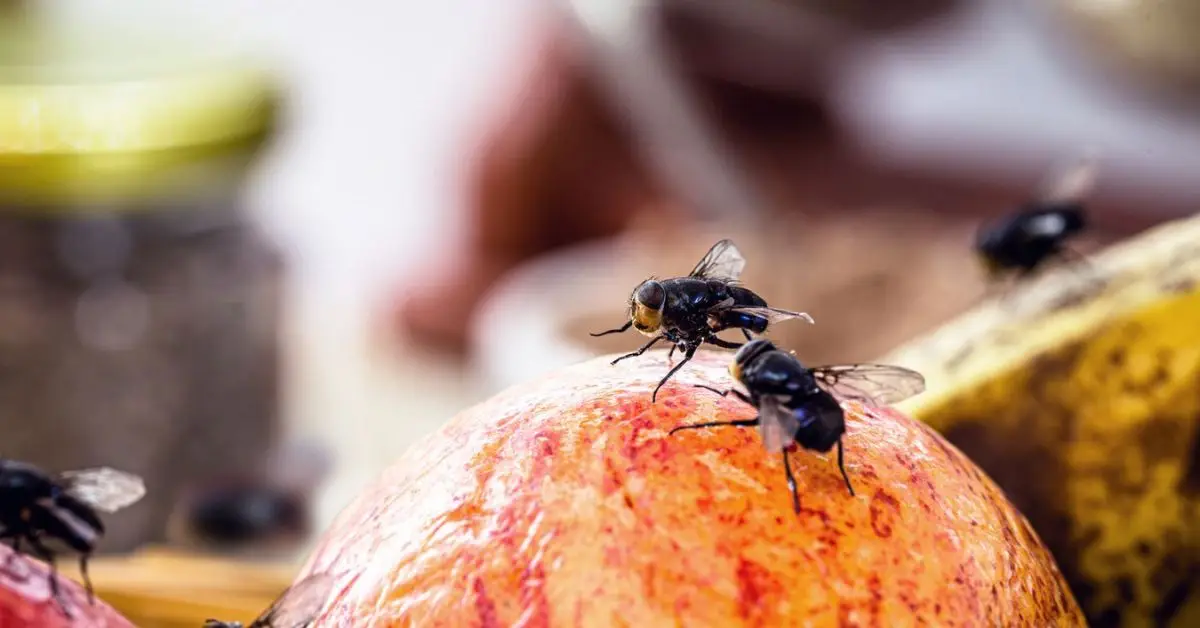
Sometimes small changes make a big difference. Cluster flies are picky about their environment, and adjusting light, temperature, and airflow can make your home far less appealing.
Here’s what I do:
- Lower attic temperatures and increase ventilation. Cooler, well-ventilated spaces discourage flies from settling.
- Use blackout curtains in rooms with high activity. Cluster flies are drawn to light, so covering windows helps keep them away.
- Manage indoor lighting strategically. Keep bright lights near traps and dim lights near entry points to guide flies where you want them.
6. Targeted Chemical Use — When and How to Apply Safely
Sometimes, even after sealing, vacuuming, and trapping, a few stubborn cluster flies remain. That’s when careful chemical use can help—but only if you do it strategically. I’ve learned that misuse not only fails to solve the problem but can create hazards for your family and pets.
Here’s my approach:
- Choose the right spray. Pyrethrin or pyrethroid-based residual sprays work best around entry points. I never spray broadly across rooms—this just exposes everyone inside and doesn’t reach where the flies hide.
- Focus on entry points. Windows, vents, and door frames are the key areas. Targeting these spots keeps the treatment efficient and safe.
- Follow safety precautions. I always make sure kids and pets are out of the area, and I ventilate rooms afterward to reduce any lingering fumes.
- Know when chemicals aren’t the answer. If traps and proper exclusion work, there’s no need for sprays. Chemicals should be a last-resort, targeted measure, not the first step.
7. When to Bring in Professional Help
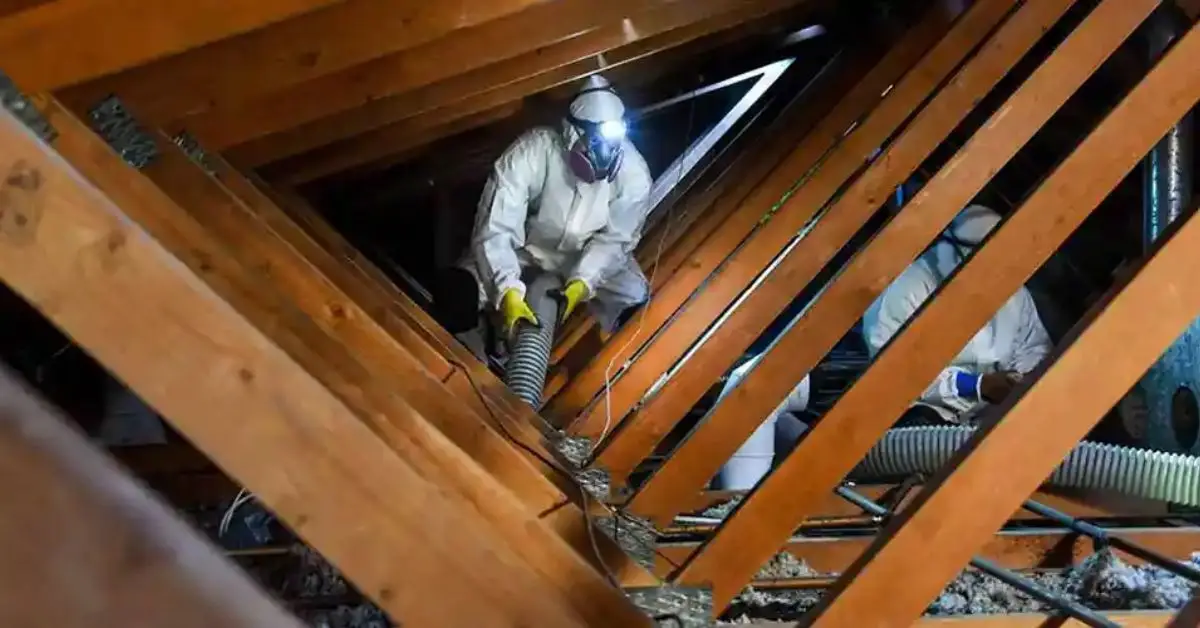
Even with all the DIY strategies, some infestations can be overwhelming. If you’ve tried sealing, vacuuming, traps, and even chemicals, but cluster flies keep returning, it might be time to call in the professionals.
Here’s what I keep in mind:
- What pros offer. Pest control experts can access attics, crawl spaces, and wall voids that are impossible to reach safely yourself. They can apply barrier sprays and treatments that last longer than anything I could do at home.
- Signs you’ve exhausted DIY. If flies keep coming back despite repeated efforts, or if the infestation is large and persistent, it’s a good indicator that professional help is needed.
- Cost expectations. While pricing varies, a one-time professional treatment is often cheaper in the long run than repeatedly buying sprays, traps, and sealants.
Quick Myths Busted
When I first started tackling cluster flies, I fell for a few myths myself. Clearing them up saves you time, effort, and frustration.
Here are the biggest misconceptions:
- “Just clean the house or remove food, and the flies will go away.” Nope. Cluster flies aren’t after your crumbs or garbage—they’re looking for warm places to hibernate. (Homeowners on Reddit confirm this.)
- Essential oils alone will control them. A few drops might mask odors, but it won’t stop an infestation. Think of oils as a small helper, not the main solution. While essential oils alone won’t solve a full cluster fly infestation, certain oils can help reduce flies around specific areas, like trash—here’s this one essential oil that can keep flies away from your trash cans that I’ve found effective.
- Fogging random rooms kills hidden populations. Cluster flies hide in attics, walls, and eaves—spraying your living room won’t reach them.
What Homeowners Should Do Next
Here’s my simple action plan to finally get control over cluster flies:
- Seal every entry point before the season starts.
- Vacuum smartly to remove any flies already inside.
- Set up traps to catch remaining invaders and monitor hotspots.
- Follow seasonal prevention—inspect late summer and early fall.
- Adjust temperature and lighting to make your home less inviting.
- Use chemicals only strategically around key entry points if needed.
- Call a professional if the problem persists or is too large to manage safely.
I’ve found that following these steps, in this order, really keeps the infestation under control and prevents flies from ever taking over your home.
Your turn: What strategies have worked (or failed) for you? I’d love to hear your experiences in the comments below. And if you want more home improvement tips and practical guides like this one, check out Build Like New—your go-to site for smart, actionable home advice.
Disclaimer: The information in this article is for general guidance only. Always follow product instructions and safety guidelines when using chemical treatments, and consult a licensed pest control professional for severe infestations. Build Like New is not responsible for any damages or injuries resulting from DIY pest control.