7 Effective Ways to Protect Your Clothes and Books From Silverfish
I still remember the first time I opened an old closet and found tiny holes in some of my favorite clothes and the edges of a few beloved books nibbled away. That’s when I realized silverfish weren’t just harmless “creepy crawlers” I could ignore—they were actively feeding on the very things I wanted to protect. If you’ve ever spotted those silvery, fast-moving insects darting around damp corners, you know the sinking feeling: these pests don’t just annoy, they destroy.
Over the years, I’ve learned that silverfish aren’t picky—they’re after the starch in fabrics, the glue in book bindings, and anything made of cellulose. The tricky part? They thrive in conditions most of us overlook: slightly humid closets, rarely-ventilated bathrooms, and even the quiet corners of our home libraries. I want to show you exactly how to spot the signs before it’s too late and what steps actually work to keep your clothes and books safe.
Before we dive into the 7 proven ways, think about this: are your favorite sweaters or that vintage novel collection truly safe in their current storage? The good news is, with the right approach, you can protect them without drowning your home in chemicals—and I’ll guide you step by step.
WAY 1 — Kill the Root Cause: Control Humidity Before Anything Else
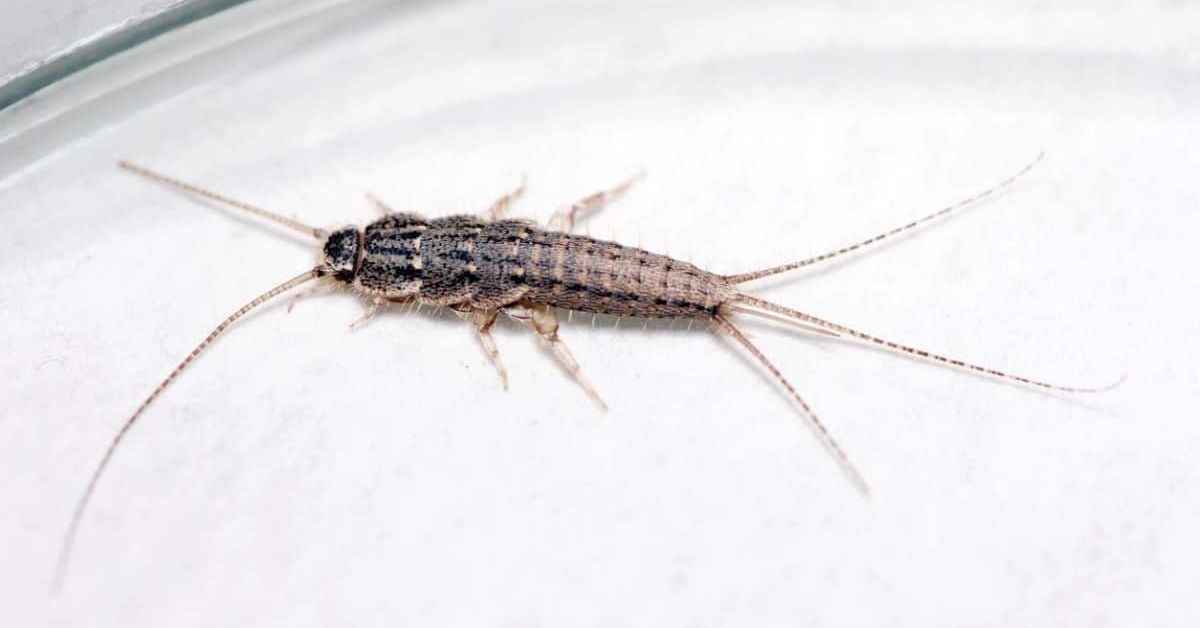
Why Moisture Is the #1 Reason Silverfish Attack Clothes & Books
I’ve learned the hard way that silverfish don’t randomly invade your home—they’re drawn to moisture. Those little silvery insects thrive in humid environments, often where you least expect it: damp basements, slightly steamy bathrooms, or even the back of a closet that never gets aired out. If your home consistently sits above 60% relative humidity, you’re basically rolling out the welcome mat for them.
Here’s why this matters: silverfish feed on materials rich in starch and cellulose. Clothes, paper, book bindings—anything that holds a little moisture and starch becomes their buffet. So, telling yourself “I’ll just get rid of the bugs” without fixing the environment is like bailing water out of a leaky boat without patching the hole.
Key Takeaways for You:
- Silverfish thrive when indoor humidity is above ~60%.
- Even small pockets of dampness—like a closet with poor ventilation—can harbor eggs and larvae.
- Prevention is far easier than trying to repair damaged clothes or books.
For a deeper dive into how humidity impacts silverfish activity, I found Healthline’s guide on controlling silverfish really clear—it explains exactly why moisture is the root of the problem.
Ideal Indoor Humidity Range (35%–50%) for Fabric & Paper Safety
So, what’s a safe range to keep your clothes and books out of danger? From my experience and cross-checking reliable guidelines, 35%–50% relative humidity is ideal. Not too dry to damage your wooden furniture or paper, and not too humid to invite pests.
Practical steps I use:
- Keep a small hygrometer in closets and libraries—these are cheap and give real-time humidity readings.
- Run a dehumidifier in rooms where humidity creeps above 50%, especially in basements and bathrooms.
- Ensure clothes aren’t packed too tightly—air circulation helps prevent micro-habitats for silverfish.
- Ventilate rooms regularly; even opening a window for 15 minutes can help reduce excess moisture. You can also implement 10 smart home hacks to keep pests out all year that reinforce humidity control and strategic storage in your home.
If you do this consistently, silverfish won’t even think about moving in—trust me, it’s a game-changer.
WAY 2 — Store Smart: Airtight Protection for Clothes & Books
Use Airtight Storage That Silverfish Can’t Penetrate
Once you control the environment, the next step is physical protection. I can’t stress enough how many people underestimate storage. Cardboard boxes or loosely folded clothes are basically a silverfish buffet. They can slip through tiny gaps and start chewing before you even notice.
What I do:
- Use airtight plastic containers for seasonal clothes.
- Keep books in archival boxes if they’re valuable or sentimental.
- Vacuum-sealed bags work great for fabric items that aren’t frequently used—but remember to remove anything damp before sealing, or you trap the moisture inside.
This step alone saved me from countless ruined sweaters and a few cherished novels.
Best Storage Options for Clothes vs Books (Separate Logic)
Clothes and books need slightly different approaches:
For Clothes:
- Breathable yet airtight containers prevent both silverfish and mold.
- Include desiccant packs or silica gel to keep moisture down.
- Fold clothes loosely and avoid stuffing them in tight piles.
For Books:
- Archival-quality boxes with acid-free tissue paper protect bindings and pages.
- Keep boxes elevated off the floor to avoid dampness.
- Rotate or inspect books occasionally—early detection makes a huge difference.
By treating clothes and books differently, you’re creating layers of protection instead of a one-size-fits-all solution. It’s a simple step that prevents a lot of frustration later. While silverfish are unique, many of the same principles apply to other pests—learn 10 easy ways to stop ants, flies, and mosquitoes from invading your home to protect your clothes and books from additional intruders.
WAY 3 — Natural Repellents That Actually Work (Not Myths)
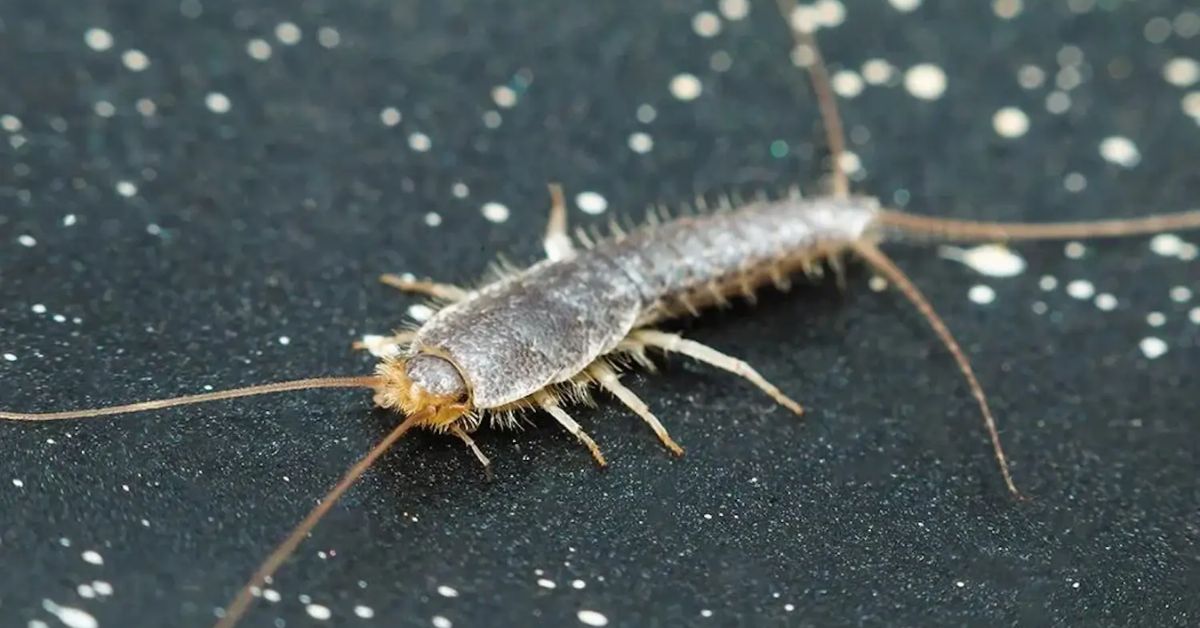
Scents & Materials Silverfish Hate — Backed by Experience
I’ll be honest with you—most “natural repellent” lists online are lazy. They throw 10 ingredients at you and walk away. What they don’t tell you is this: placement matters more than the ingredient itself. I’ve seen people use the right thing in the wrong place and then claim it “doesn’t work.”
Silverfish rely heavily on scent and darkness. Certain smells actively disrupt them, but only when those scents are placed where silverfish travel, not where you notice them.
From my experience—and from consistent homeowner reports—these materials work when used correctly, not magically.
Cedar, Lavender, Bay Leaves — Where to Place Them for Results
Here’s how I recommend using them so they actually do something:
Cedar (blocks, rings, or sachets):
- Place inside wardrobes, especially near the floor and back corners
- Add directly into storage boxes, not just shelves
- Replace or lightly sand cedar every few months to refresh the scent
Lavender (dried sachets or oil on cotton):
- Best for drawers, folded clothes, and linen storage
- Keep it away from direct contact with book pages (oil can stain)
- Refresh scent monthly for effectiveness
Bay leaves:
- Slide 1–2 leaves behind books on shelves
- Place inside storage bins and along baseboards
- Replace once the leaves dry out completely
I’ve seen countless Reddit threads where people swear cedar blocks reduced silverfish activity in wardrobes within weeks. Small pest-control pros on Twitter echo the same thing: repellents don’t kill silverfish—they push them out of your space, which is exactly what you want when protecting clothes and books.
WAY 4 — Deep Clean the Places Silverfish Breed (Not Just Visible Areas)
Cleaning Hidden Zones That Most People Ignore
Here’s the mistake I see all the time: people clean where they see silverfish. Silverfish don’t lay eggs there.
They hide, breed, and grow in places you almost never look—dark, undisturbed, slightly damp zones. If you don’t clean those, repellents and traps only give temporary relief.
Silverfish eggs are tiny and sticky. Once they’re laid, ignoring the hiding spots means you’ll keep seeing new bugs every few weeks.
According to the Environmental Literacy Council, silverfish prefer cracks, crevices, and paper-rich environments where moisture stays trapped.
Wardrobe Corners, Book Shelves, Baseboards & Closets
This is where I’d focus your effort:
Wardrobes & closets
- Pull everything out at least once
- Vacuum corners, shelf joints, and the floor edges
- Wipe with dry cloth or mild vinegar solution (no soaking)
Bookshelves
- Remove books, clean shelf backs and wall contact points
- Let shelves dry fully before putting books back
- Never return books while shelves are even slightly damp
Baseboards & floor edges
- Vacuum first (this removes eggs)
- Seal tiny cracks if possible
- Keep these areas dry at all times
Doing this once properly reduces the chance of reinfestation more than most sprays ever will.
WAY 5 — Use Traps to Reduce Existing Silverfish Population
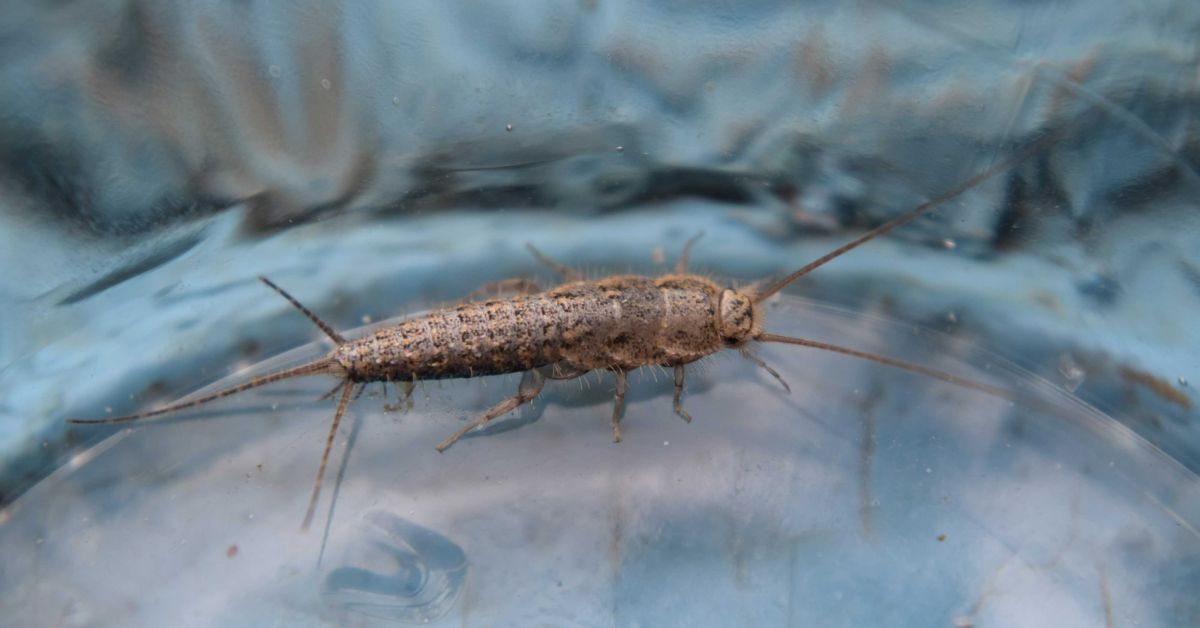
Simple Traps That Actually Catch Silverfish
If you’re already seeing silverfish, I won’t sugarcoat it—you need to reduce their numbers while fixing the root causes. Traps don’t solve everything, but they break the breeding cycle, which matters.
Here are the ones I’ve seen work consistently:
DIY newspaper trap
- Roll a damp newspaper and leave it overnight
- Silverfish crawl in to feed
- Dispose of it sealed the next morning
Sticky traps
- Place along baseboards, under shelves, and inside closets
- Avoid placing them in open, dry areas (silverfish won’t go there)
Glass jar trap
- Wrap outside with paper
- Add a small piece of bread inside
- Silverfish climb in but can’t climb out
Use traps as a support tool, not a standalone fix. When combined with humidity control, cleaning, and repellents, they make a real difference.
DIY Newspaper Traps vs Sticky Traps (Pros & Cons)
Once you already see silverfish, traps help reduce the current population while you fix the root causes.
I’ve tested a few methods over time, and here’s how they stack up:
DIY Newspaper Traps
- Pros: Extremely cheap, chemical‑free, works well in closets and under furniture.
- Cons: Only catches what comes in overnight; you must dispose carefully to avoid spreading eggs.
Sticky Traps
- Pros: Continues catching for days; great along baseboards and shelf fronts.
- Cons: Doesn’t attract silverfish from deep hiding spots; replacement needed frequently.
Here’s the key: combine both. I put newspapers in corners and sticky traps on visible paths. Pest control pros confirm that traps alone won’t solve an infestation, but combined with environmental fixes they dramatically lower numbers.
WAY 6 — Emergency Protection for Books & Clothes Already at Risk
How to Save Infested Books & Fabrics Without Chemicals
If damage has already started, doing something fast can save items you care about without harsh chemicals.
Freezing Method for Books
- Seal the affected book in a plastic bag, press out excess air.
- Freeze for 48 hours — this kills adults, larvae, and eggs without damaging pages.
- Let it return to room temp slowly to avoid condensation.
Wash & Heat Strategy for Clothes
- Wash in the hottest water that fabric allows.
- Dry completely in a hot dryer or sunlight.
- Transfer immediately into airtight storage once dry.
WAY 7 — Long‑Term Prevention Plan (So They Never Come Back)
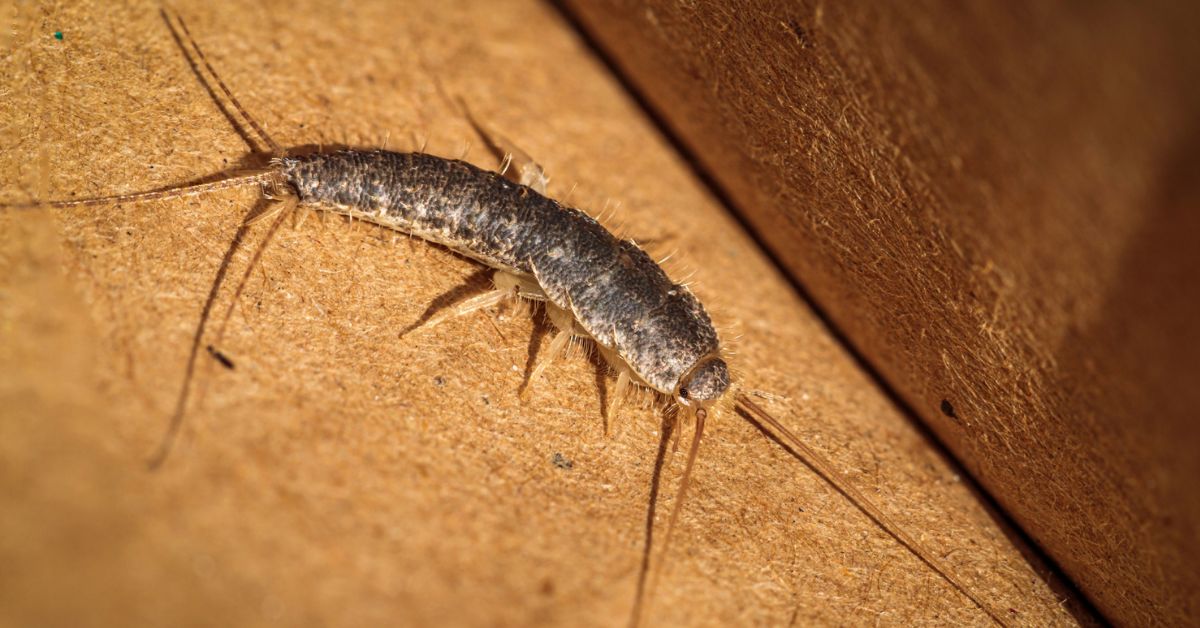
Monthly + Seasonal Checklist to Protect Clothes & Books
Here’s the simple routine I follow so silverfish never come back after I’ve removed them:
Monthly:
- Inspect your closets and bookshelves for tiny holes, shed skins, or droppings.
- Open boxes and lightly shake clothes out.
- Check your hygrometer — keep humidity around 35–50%.
Seasonally:
- Deep clean wardrobes and shelves from top to bottom.
- Replace cedar blocks or sachets of lavender and bay leaves.
- Look for new leaks, damp corners, or blocked vents.
This kind of routine makes prevention automatic, not something you do only when there’s a crisis. For a more detailed seasonal approach, check out these 7 seasonal home habits every homeowner needs to keep pests from invading that complement the long-term prevention steps I use.
What to Avoid (Mothballs, Random Sprays, Paper Storage)
One thing I want to stress: not all “quick fixes” are safe or effective.
Mothballs and harsh chemical sprays may seem like a shortcut, but they bring risks — fumes, fabric damage, and no guarantee silverfish stay gone. Cardboard boxes, if humid, can even become another feeding and hiding spot.
Instead, focus on a holistic approach: control humidity, trap where needed, clean hidden hotspots, and use repellents and storage methods that don’t damage your belongings.
Quick Recap: 7 Ways to Protect Your Clothes and Books From Silverfish
Let’s wrap this up with a quick one-glance action plan. These are the steps I personally follow to make sure my clothes and books stay safe, and you can start today too:
- Control Humidity: Keep indoor humidity around 35–50% to make your home uninviting for silverfish.
- Store Smart: Use airtight containers for clothes and archival boxes for books.
- Natural Repellents: Place cedar blocks, lavender sachets, or bay leaves in strategic spots.
- Deep Clean Hidden Areas: Check closets, shelves, baseboards, and corners—not just visible surfaces.
- Use Traps: Combine DIY newspaper traps and sticky traps to reduce existing populations.
- Emergency Protection: Freeze books and wash/dry clothes already showing signs of infestation.
- Long-Term Routine: Monthly inspections and seasonal deep cleaning keep silverfish from ever returning.
By following these steps, you’re not just reacting—you’re actively protecting your belongings and saving yourself from future frustration.
Here’s my question for you: Have you ever spotted silverfish in your home, or tried any of these methods already? Drop a comment below—I’d love to hear your experience and share tips from our community.
And if you want more practical home protection guides like this one, check out Build Like New, where we turn everyday problems into smart, actionable solutions for your home.
Disclaimer: The information in this article is for general guidance only. Always follow product instructions and safety guidelines when using traps, repellents, or chemicals. Build Like New is not responsible for damage or injury resulting from improper use.