7 Reasons Selling Your Home in Winter Could Be a Smart Move
If you’re like most homeowners, you’ve probably been told to wait until spring to sell your house. Blooming flowers, sunny weekends, and busy open houses—it all sounds ideal, right? I get it, I used to think the same way. But over the years, I’ve realized that winter can actually be one of the smartest times to list your home, especially here in Raleigh.
During the colder months, the market behaves differently. It’s smaller, more focused, and full of buyers who aren’t just browsing—they’re serious. Less competition, motivated buyers, and faster transactions all combine to create opportunities that many sellers completely overlook.
Whether you’re relocating for work, ready to downsize, or just planning your next chapter, understanding why winter can be profitable will give you the confidence to make a strategic decision. Over the next few sections, I’ll share the seven reasons why listing your home this winter might be the best move you make all year.
1. Significantly Less Competition
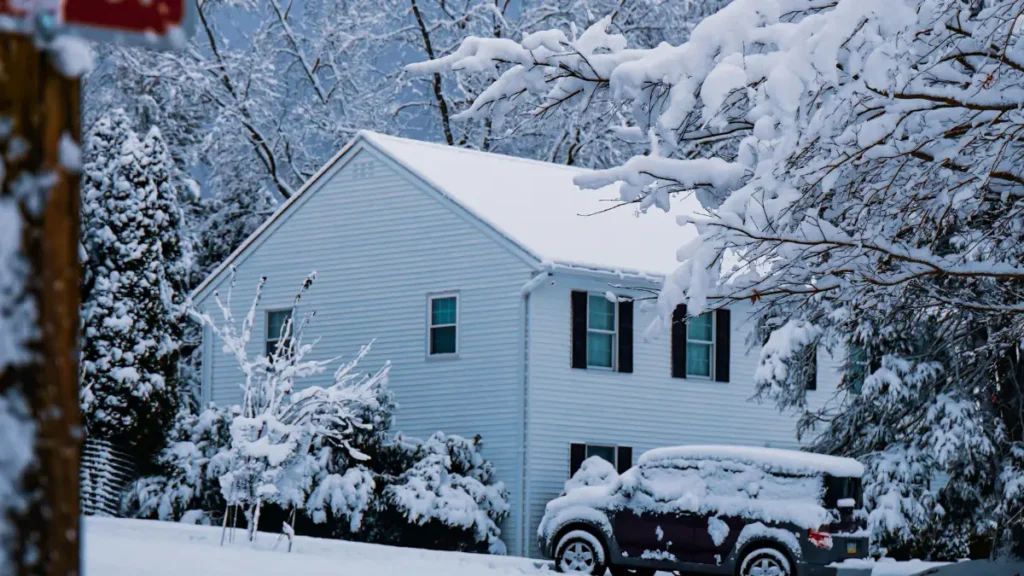
When I first started advising homeowners in Raleigh, I noticed a pattern: winter listings face far less competition. And honestly, that’s a huge advantage. Fewer homes on the market mean your property immediately stands out. Buyers aren’t scrolling through dozens of options—they’re focused on what’s actually available.
According to Raleigh Realty, winter in Raleigh typically sees 30–40% fewer listings compared to the peak spring and summer months. That drop in inventory gives your home more visibility on real estate platforms and attracts more attention from agents showing properties. It also increases the chance that buyers will schedule a showing, which can lead to stronger offers.
In neighborhoods like North Hills and Cary, homes that might get lost in a crowded spring market suddenly become the ones everyone notices. Your listing becomes a bigger fish in a smaller pond, which can translate into more qualified showings and potentially better deals. Of course, location still matters—some areas perform better in winter than others—but the general advantage is clear: less competition equals more opportunity.
Practical takeaway: Don’t wait for spring just because it’s “traditional.” Listing during winter can give you a strategic edge that might earn you a faster sale and even a higher price.
2. Winter Brings Out Serious Buyers
One of the biggest things I’ve noticed about winter buyers is that they’re serious. Unlike spring or summer, when people casually browse open houses on weekends, winter buyers are usually on a timeline. They’re relocating, their lease is ending, or they’ve got a job starting soon—they need to buy now.
Buyers in the colder months are often pre-approved, motivated, and ready to make decisions quickly. That means fewer tire-kickers and more people who can actually write an offer.
In Raleigh’s corporate-heavy market, winter often attracts buyers moving for work, especially around the Research Triangle Park area. These buyers know what they want, and they’re less likely to stall negotiations over small cosmetic issues. For a seller, that’s huge—it can mean faster offers and smoother transactions.
Practical takeaway: If you’re worried about fewer people looking, remember quality matters more than quantity. Winter buyers are often the ones who can act fast and pay attention to the real value of your home.
3. No Need for Expensive Landscaping
Selling in spring or summer often comes with pressure to have picture-perfect landscaping. Mulch, flowers, green lawns—it all adds up, and it’s ongoing work throughout the listing period. I’ve helped sellers who spent thousands just trying to keep up with curb appeal.
Winter changes the game. Buyers don’t expect blooming gardens in January—they care about a neat, maintained exterior. A trimmed lawn, cleared gutters, and tidy flower beds are enough to make a strong first impression.
This can save you $500–$1,500 compared to peak-season listings. Plus, you get a more realistic view of your home’s winter appearance, which can actually help buyers visualize living there year-round.
If you want to avoid common mistakes that can slow down your sale, check out 6 outdated selling habits sellers must ditch to sell faster in 2026 for practical tips.
Practical takeaway: Use the savings on interior improvements or staging instead of expensive landscaping—winter buyers care more about what they experience inside the home.
4. Opportunity to Showcase Your Home’s Best Features
Winter naturally shifts the focus indoors. When it’s chilly outside, buyers spend more time exploring your home’s functional and emotional highlights—like a cozy fireplace, a modern kitchen, or efficient heating and insulation.
Winter staging can make buyers feel at home immediately. Lighting a fireplace, setting a comfortable temperature, and adding soft touches like throws or rugs create an inviting environment. These seasonal details help buyers emotionally connect with the space and imagine themselves living there.
It’s also a chance to highlight year-round features that often get overlooked in summer—energy efficiency, HVAC quality, and the general layout. Buyers notice these elements when they experience them in real conditions.
Even homes with tricky conditions can sell quickly when staged correctly; this guide on selling a moldy home: 10 strategies to sell fast without dropping price shows how.
Practical takeaway: Winter gives your home a stage to shine where it matters most: inside. Focusing on comfort and functionality can drive offers faster than any outdoor décor ever could.
5. Job Relocations

Winter is prime time for corporate relocations, especially in Raleigh’s tech and research sectors. Companies finalize budgets in January, announce transfers in early Q1, and need employees in place by spring. That creates a steady stream of serious buyers looking for homes immediately.
These buyers are often moving from out-of-state, which means they’re motivated and prepared. They come with pre-approved financing, limited time to find a home, and a strong willingness to close quickly. That reduces negotiation friction over small repairs or cosmetic issues, which can make your selling experience smoother and faster.
Practical takeaway: If you’re selling in a relocation-heavy area, winter may actually connect you with the most motivated buyers of the year.
6. Faster Home Sales in the Winter
It might seem counterintuitive, but winter listings often sell faster than their spring counterparts. With fewer competing homes and buyers who are ready to act, offers can come in quickly.
Well-priced winter listings in Raleigh often receive offers within about 50 days. Beyond that, inspections, appraisals, and closings also move faster because agents, lenders, and inspectors have fewer competing clients.
For sellers who want to access equity quickly, winter can be strategic. Listing in January can allow you to close by March and be ready to purchase your next home in early spring, just as inventory increases.
I often share quick updates and tips about the Raleigh housing market and seasonal selling strategies via WhatsApp—if you want real-time insights and ideas, here’s a simple way to follow along.
Practical takeaway: If speed matters—whether for relocation, reinvestment, or personal timing—winter listings offer a streamlined, efficient path from offer to closing.
7. More Focused and Motivated Real Estate Agents
One of the hidden advantages of selling in winter is the level of attention you get from your agent. During spring and summer, even the best agents are stretched thin, juggling multiple listings at once. But in winter, there are fewer homes on the market, which means your agent can devote more time and energy to your property.
Winter listings often benefit from agents who can focus on creating compelling marketing, attending more showings, and providing personalized guidance throughout the process. That extra attention can make a real difference in how your home is presented and how quickly it sells.
To make the most of a quick sale, don’t miss these 10 little-known tricks to get top dollar when selling your house—they complement winter selling strategies perfectly.
Practical takeaway: Selling in winter often puts you in a sweet spot with agents who are motivated and fully available, which can directly improve your sale outcome.
Essential Winter Selling Tips
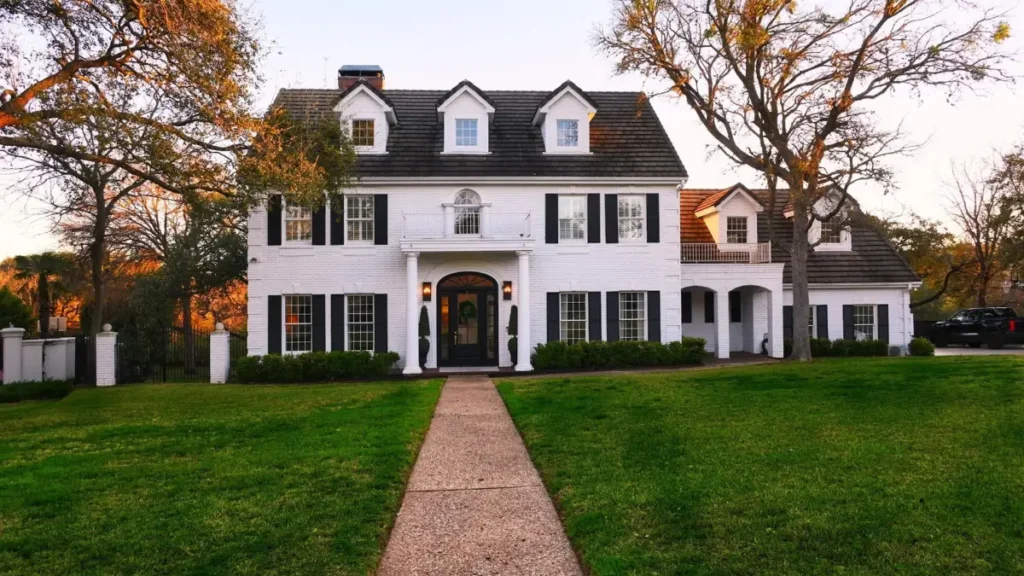
Even with all the advantages, winter selling comes with its own set of challenges. Here are some practical tips I recommend:
- Create a warm, inviting atmosphere: Set the thermostat to 68–70°F and consider lighting the fireplace if you have one.
- Maximize natural light: Open curtains and blinds during showings; replace burned-out bulbs.
- Maintain your exterior: Keep walkways clear of debris, leaves, and ice. Even simple maintenance shows pride of ownership.
- Show winter-specific features: Highlight your HVAC maintenance, insulation quality, and energy-efficient upgrades.
- Be flexible with showings: Shorter daylight hours mean buyers may need evening or weekend visits.
- Stage with cozy accents: Add neutral throws, pillows, or rugs without over-decorating for holidays.
Practical takeaway: A few thoughtful touches tailored to winter can make your home feel comfortable, inviting, and ready for serious buyers.
Pros and Cons of Selling in the Winter
Before you decide, it helps to weigh the advantages and potential drawbacks:
Pros:
- Limited inventory
- Less competition
- Motivated, serious buyers
- Focused agents
- Faster sales
- Landscaping savings
- Job relocation buyers
Cons:
- Harder to appeal to casual buyers
- Showings can be more challenging
- Potentially fewer bidding wars
- Busy holidays
- Shorter daylight for showings
Practical takeaway: Understanding both sides allows you to plan strategically and maximize the benefits of winter selling while mitigating the challenges.
Final Note: Winter Isn’t Slow — It’s Strategic
Selling a home in winter may feel unconventional, but in my experience, it’s a smart, strategic move. Fewer listings, serious buyers, motivated agents, and faster closings all create an environment that can help you sell faster and often for more money.
If you’ve been waiting for spring to list, consider this: winter can give your home the spotlight it needs. Sometimes, the best opportunity isn’t following the crowd—it’s being the standout option when everyone else is waiting.
Are you thinking about selling this winter? I’d love to hear what’s holding you back—or what questions you have about making the most of the season. Share your thoughts below or reach out to discuss your specific situation!
If you enjoy these insights, you can follow me on X and join our Facebook community for more tips on selling homes smartly and staying ahead in the market.
Disclaimer: The information in this article is for general educational purposes and reflects the author’s experience and insights. Individual results may vary based on location, market conditions, and personal circumstances. Always consult a licensed real estate professional before making selling or buying decisions.