
Homeowners: Try These 7 Seasonal Pest Prevention Habits Before Spring Hits
I’ve worked with homeowners long enough to see the same pattern every year. Pests don’t show up randomly. They show up when seasons change—and when our habits don’t.
Most people react only after the problem is obvious. Ants in the kitchen. Mosquitoes near the back door. Scratching sounds late at night. By the time that happens, pests have already found food, water, or shelter inside the home.
What often gets missed is this: pest prevention isn’t about spraying something once and hoping for the best. It’s about adjusting how you care for your home as the weather changes. Small seasonal habits—done at the right time—make a bigger difference than most people realize.
I wrote this because homeowners deserve guidance that feels practical, not generic. These seasonal pest prevention habits are based on how pests actually behave throughout the year and what consistently works in real homes—not just what sounds good on paper.
As you read, think about this: are you changing your home habits with the seasons, or only reacting after pests force you to?
Why Seasonal Pest Prevention Habits Matter All Year
I’ve seen this mistake again and again—people treat pest control like a one-time chore. Spray once, set a trap, and forget about it. The problem is, pests don’t live by our schedules. They move with the seasons, weather shifts, and survival needs.
In spring, insects wake up and start searching for food. Summer is peak season—ants, mosquitoes, and roaches multiply fast. Fall is when pests actively look for warmth and shelter. Winter pushes them indoors, closer to heat, food, and moisture. According to the National Pest Management Association, pest activity changes throughout the year, which means prevention has to change too.
If your habits stay the same all year, pests get the advantage.
In the US, that usually looks like:
- Ants and mosquitoes taking over in warmer months
- Rodents forcing their way indoors as temperatures drop
- Roaches thriving anywhere moisture and food overlap
Ignoring seasonal habits doesn’t just mean annoyance. It can lead to:
- Health risks from bacteria and allergens, something the Centers for Disease Control and Prevention consistently warns about
- Damage to insulation, wiring, and wooden structures
- Small issues quietly turning into expensive infestations
That’s why seasonal pest prevention habits matter. Seasonal habits work best when they’re backed by everyday prevention—these smart home pest-proofing habits that work year-round help close gaps pests rely on no matter the season. They help you stay ahead instead of reacting when pests already feel at home.
Habit 1 — Inspection Rituals at the Change of Each Season
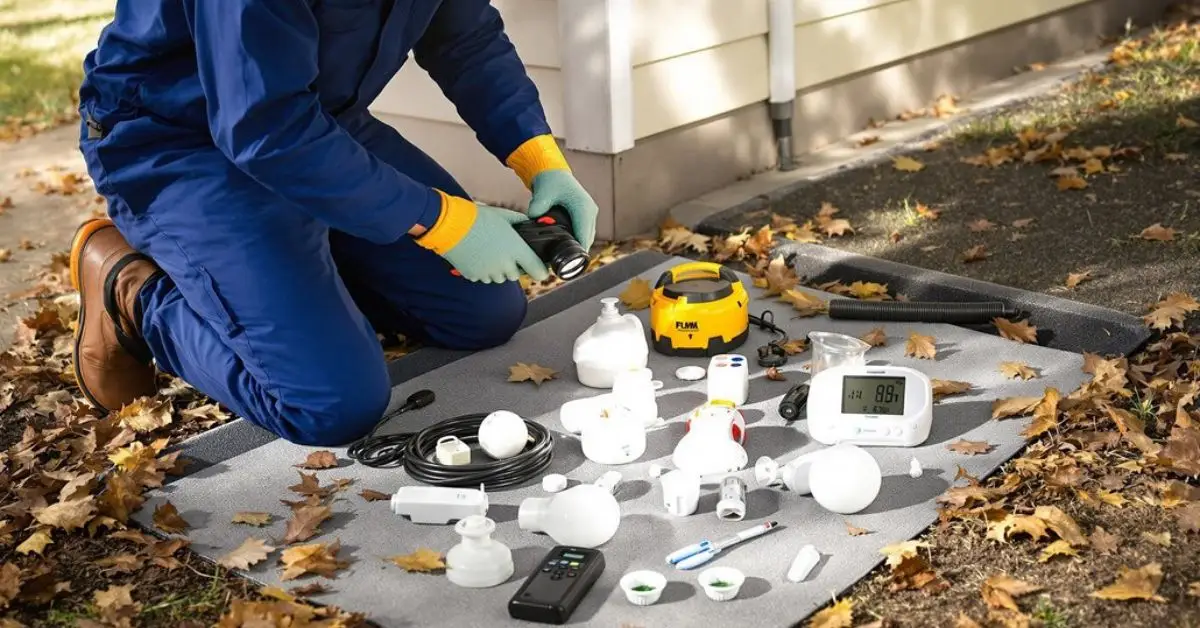
If there’s one habit I push homeowners to build, it’s this one. A quick inspection at the start of each season can stop problems before they start. Most people inspect only after something goes wrong.
Here’s how I break it down:
Spring
- Check for new cracks around doors and windows
- Inspect door sweeps and window screens
- Look for early ant trails near the foundation
Summer
- Remove standing water in yards or planters
- Clear yard debris near exterior walls
- Watch for wasp activity around rooflines
Fall
- Seal gaps before cold weather sets in
- Inspect attic vents and garage doors
- Look for early signs of rodents
Winter
- Focus indoors: moisture buildup, leaks, clutter
- Check basements, crawl spaces, and storage areas
This habit works because it turns pest control into a routine instead of a reaction.
Habit 2 — Seal & Fortify Every Entry Point (Exterior + Interior)
I tell homeowners this all the time—pests don’t need an open door. Mice can squeeze through gaps smaller than a quarter.
Pay attention to:
- Foundation cracks and siding gaps
- Utility line openings
- Roof edges, vents, and eaves
- Damaged window or door screens
Seasonal timing matters. Cracks expand after winter. Rodents start scouting in fall. When sealing becomes a seasonal habit, you shut down access before pests move in.
Habit 3 — Trim & Manage Yard With Seasonal Strategy
Landscaping plays a bigger role than most people think. Plants touching your home act like highways for insects and rodents.
What works best:
- Spring: clean up debris and trim early growth
- Summer: keep bushes and trees away from walls
- Fall: remove leaf piles before pests look for shelter
Some homeowners also use plants like mint or citronella near entry points. They’re not a cure, but they can support your overall prevention efforts.
Habit 4 — Moisture & Humidity Control Inside and Out
Moisture is one of the strongest pest attractants I see. If you’re noticing bugs like centipedes more often, that’s usually a moisture warning sign—here’s how to recognize what repeated centipede sightings say about your home’s condition before the problem spreads. Even clean homes struggle if leaks or humidity go unchecked.
Focus on:
- Fixing leaks as soon as they appear
- Keeping gutters clean so water flows away
- Using dehumidifiers in basements or crawl spaces
- Avoiding standing water near foundations
In winter, indoor humidity matters just as much. Too much moisture indoors creates the perfect environment for pests that don’t mind the cold.
Habit 5 — Smart Food & Waste Practices by Season

Food habits change with the seasons—and pests adjust quickly. Since rodents become more aggressive about food access as temperatures drop, it helps to follow proven ways to mouse-proof your pantry before winter starts instead of waiting until you see damage.
Good seasonal practices include:
- Airtight food storage in spring and summer
- Cleaning pet feeding areas daily
- Managing trash carefully during hot months
- Checking pantry corners and stored food in winter
Many infestations start with something small that goes unnoticed.
Habit 6 — Organize Storage Areas Before Seasonal Transitions
This is one of the most overlooked habits. Attics, basements, and garages become perfect shelters when clutter builds up.
Before fall and winter:
- Replace cardboard boxes with plastic bins
- Clear clutter near walls
- Check vent screens and insulation
- Avoid storing food in garages or sheds
When storage areas stay organized, pests lose hiding places.
Habit 7 — Seasonal Professional Inspection & Mini-Treatments
I always recommend combining smart DIY habits with professional inspections. Seasonal checkups—especially before spring and winter—catch things most homeowners miss.
Professionals can:
- Spot early infestation signs
- Identify hidden entry points
- Use targeted treatments instead of heavy spraying
Prevention almost always costs less than repairs or full infestations.
If you’re being honest with yourself—which of these habits are you already doing on time, and which ones only happen after pests force your attention?
Seasonal Pest Habit Calendar
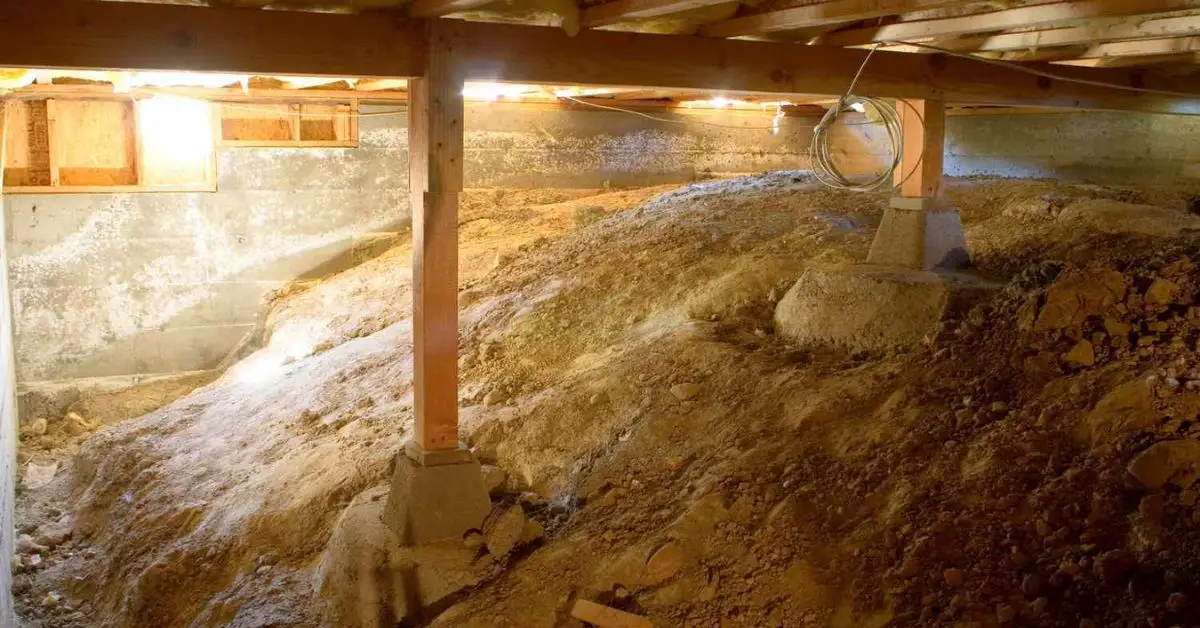
This is the section I tell people to save or bookmark. When pest prevention is tied to the calendar, it actually gets done. You don’t have to remember everything—just focus on what matters that month.
Pests operate on patterns. When you match your habits to those patterns, you stay ahead without overthinking it.
January–February (Mid-Winter)
Focus: Rodents, roaches, moisture issues
- Check basements and crawl spaces for leaks
- Reduce indoor humidity
- Declutter storage areas where pests hide
Reminder: Winter pests don’t leave—they hide indoors.
March–April (Early Spring)
Focus: Ants, termites, early insects
- Inspect cracks from winter damage
- Repair door sweeps and window screens
- Clear yard debris near foundations
Reminder: Spring is when pests wake up and explore.
May–June (Late Spring / Early Summer)
Focus: Ants, mosquitoes, flies
- Remove standing water around the yard
- Trim plants away from exterior walls
- Seal pantry food in airtight containers
Reminder: Warmth + water = rapid pest growth.
July–August (Peak Summer)
Focus: Mosquitoes, roaches, wasps
- Stay strict with trash and food cleanup
- Watch for nests near eaves and sheds
- Keep gutters clean and draining properly
Reminder: Summer is peak infestation season if habits slip.
September–October (Early Fall)
Focus: Rodents, spiders, stink bugs
- Seal gaps before temperatures drop
- Inspect attic vents and garage doors
- Switch storage to sealed plastic bins
Reminder: This is when pests look for winter shelter.
November–December (Late Fall / Early Winter)
Focus: Mice, roaches, overwintering insects
- Final indoor inspection for entry points
- Reduce clutter near walls and heaters
- Check insulation and vent covers
Reminder: Once pests settle in for winter, they’re harder to remove.
For safety-focused seasonal prevention guidance, the Environmental Protection Agency recommends adjusting pest control habits throughout the year instead of relying on one-time treatments.
If you follow this calendar honestly, you’ll notice something important—pest problems stop feeling random.
Quick question for you: Which season do you usually start thinking about pests—spring, fall, or only after you already see them?
Build a Habit, Not a Panic Response

If there’s one takeaway I want you to leave with, it’s this: pest prevention works best when it becomes routine, not a last-minute reaction. You don’t need extreme measures or constant treatments. You need consistency, timed with the seasons.
Here’s a simple action list you can come back to anytime.
Your Seasonal Pest Habit Checklist
Monthly
- Scan kitchens, bathrooms, and basements for moisture
- Take out trash regularly and wipe food prep areas
- Watch for early signs like droppings, trails, or small gaps
Quarterly
- Inspect doors, windows, vents, and foundation edges
- Trim plants away from the house
- Clear clutter from storage areas and garages
Seasonally
- Spring: repair cracks and screens after winter
- Summer: remove standing water and manage waste carefully
- Fall: seal gaps before pests look for warmth
- Winter: control indoor humidity and reduce hiding spots
Annually
- Schedule a professional inspection
- Review what worked and what didn’t last year
- Update seals, weatherstripping, and storage systems
When you treat pest prevention like home maintenance instead of an emergency, the results are predictable—and a lot less stressful.
Now I’d love to hear from you.
Which habit on this list do you already follow, and which one do you keep putting off? Drop a comment and let’s compare notes—real homes, real solutions.
If you want more practical, no-nonsense home care guides like this, visit Build Like New. That’s where I share proven habits that help homeowners protect, maintain, and improve their homes without guesswork.
Disclaimer: This content is for general information only and does not replace professional pest control or home inspection advice. Pest risks and solutions can vary by location, home condition, and season. Always consult a licensed professional for serious infestations or safety concerns.