7 Practical Steps to Protect Your Home During Natural Emergencies
I’ll be honest with you — no one ever plans to deal with a natural disaster. I’ve worked on home safety and preparedness content for years, and almost everyone I’ve spoken to believed the same thing: “It won’t happen to us.” Until it does.
If a hurricane, flood, tornado, or severe storm is heading your way, panic is usually the first reaction. That’s normal. But panic is also what leads to rushed decisions, forgotten essentials, and avoidable damage. Preparing your home for natural emergencies isn’t about fear — it’s about control when everything else feels uncertain.
One big issue I see in most disaster guides is that they jump straight into checklists. Kits, doors, sandbags. Useful, yes — but they miss the bigger picture. Your home isn’t just a structure. It’s where your family shelters, where your valuables live, and where small mistakes can turn into long-term losses.
Weather events today are stronger and more unpredictable than they were even a decade ago. Power outages last longer. Flooding happens in places that never flooded before. Insurance claims take time. When your home isn’t ready, you pay for it twice — once during the disaster, and again during recovery.
Here’s the good news: getting your home ready doesn’t mean expensive renovations or extreme prepper behavior. Most protection comes from smart planning, a few timely decisions, and knowing what actually matters before things go wrong. That’s exactly what this guide is built around.
Before we dive into the practical steps, ask yourself this: If something serious happened tonight, would your home help protect you — or make things harder?
Start With the Basics — Emergency Kit & Evacuation Clarity
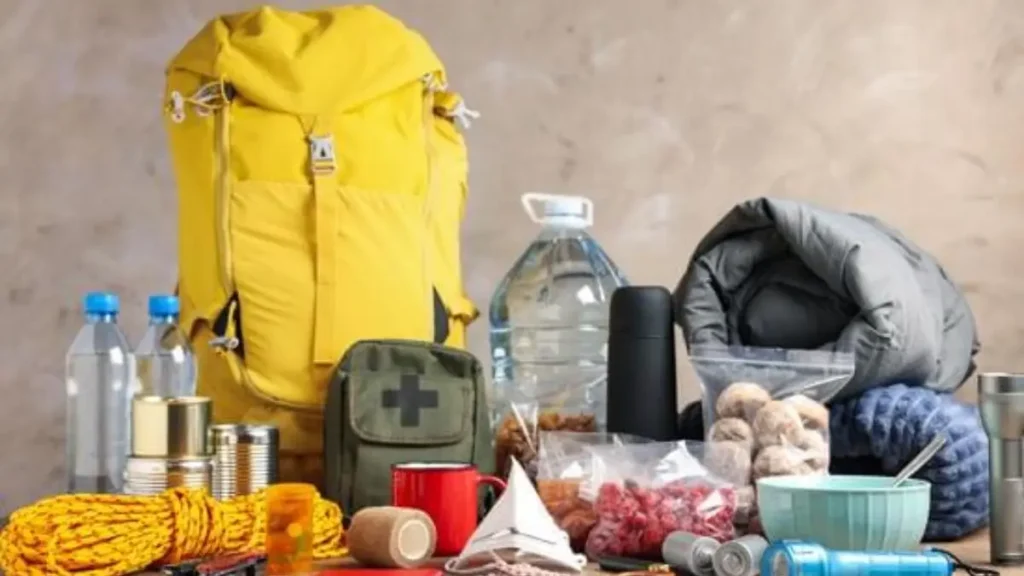
Before you think about doors, windows, or insurance, stop here. This is where most people rush — and that’s exactly why they miss things.
I’ve seen a pattern across disaster-related content, including Good Housekeeping’s preparedness guide: people are told to “make an emergency kit,” but they’re rarely told how to think about it. An emergency kit isn’t a shopping list. It’s a survival buffer.
Good Housekeeping stresses one simple truth — when a major weather event hits, help may not arrive for days. That’s why your home should be ready to function on its own for at least 72 hours. Not comfortably. Just safely.
Your kit should support real life, not an ideal scenario. Water, food, medications, power banks, flashlights — yes. But also things people forget: copies of IDs, insurance papers, cash, basic tools, and hygiene items. These are the things that cause stress when they’re missing.
Equally important is evacuation clarity. Many homes fail here. You don’t just need a plan — you need to know when to use it. Hurricanes, floods, and wildfires often mean leaving early. Tornadoes and earthquakes usually mean staying put. Mixing these up is dangerous.
If your family can’t answer, “Are we staying or leaving?” in under 10 seconds, the plan isn’t ready yet.
Secure the Core of Your Home — Utilities, Doors & Structural Weak Points
This is where preparation shifts from supplies to protection.
According to Grange Insurance, one of the most overlooked risks during natural disasters is utility-related damage — fires, flooding, and electrical surges caused by systems people don’t fully understand. Turning off power and water can reduce serious damage, but only if it’s done safely.
That’s the key part most guides skip.
You should already know where your main circuit breaker and water shutoff valve are. Not during the storm. Not in the dark. Now. Practice it once or twice so you’re not guessing when pressure is high.
Garage doors are another weak spot many homeowners underestimate. When strong winds hit, a compromised garage door allows air to rush inside, increasing pressure and putting stress on the roof. This isn’t rare — it’s one of the most common causes of major storm damage.
A few minutes spent checking brackets, tracks, and reinforcements can prevent thousands in repairs later.
Power outages create risks most homeowners don’t anticipate, and a few common mistakes can make things worse.
Water Is the Real Enemy — Flood & Moisture Damage Prevention
People fear wind and fire, but water quietly causes the most long-term damage.
Flooding doesn’t have to be dramatic to be destructive. Even a few inches of water can ruin electronics, weaken flooring, and create mold problems that show up weeks later. That’s why preparation here is about elevation and barriers.
Anything that rusts, corrodes, or absorbs moisture should never sit on the ground during a storm threat. If you have a second floor, that’s your safest storage. If not, tables and countertops can make a big difference.
Water also finds its way in through places you don’t notice on a normal day — door gaps, window seams, foundation vents. Wind-driven rain is especially aggressive. Plastic sheeting, temporary seals, and sandbags aren’t extreme measures; they’re practical ones.
The mistake I see most often is waiting until water is already inside. At that point, you’re reacting — not protecting.
Inside the House — Small Actions That Prevent Big Damage
This section looks simple, but it’s powerful.
Closing interior doors might feel unnecessary, yet it can slow the spread of fire and reduce wind pressure inside your home during severe storms. It’s one of those actions that takes seconds and pays off only when things go wrong — which is exactly why it matters.
Unplugging electronics is another underestimated step. Power surges during storms can destroy devices even if your home doesn’t lose electricity entirely. Small electronics are especially vulnerable.
That said, not everything needs to be unplugged blindly. Large appliances like refrigerators are usually better left on unless flooding is expected. The goal is to reduce risk, not create new problems.
These aren’t dramatic actions. They’re calm, deliberate decisions that experienced homeowners make before the storm hits.
For areas where tornadoes are a real threat, structural upgrades matter even more, and these tornado-specific home improvements can significantly reduce damage.
Outside the Home — Yard Safety, Drainage & Flying Hazards

Most people prepare their interiors and forget that storms start outside.
Anything in your yard can become airborne in high winds. Chairs, grills, toys — they don’t just disappear; they break windows, damage siding, and sometimes injure people. Bringing these items inside or securing them isn’t optional when severe weather is coming.
Drainage is another silent issue. Blocked storm drains and debris-filled gutters cause water to pool, and pooled water looks for somewhere to go. Often, that’s your home.
A quick walk around your yard before a storm can prevent flooding that no amount of indoor prep can fix later.
Think of the outside of your home as the first line of defense. If it fails, everything inside is at higher risk.
If severe storms are common in your area, especially during colder months, some of these outdoor checks overlap with the steps I’ve shared in this guide on making your home storm-ready before winter hits.
After the Storm — Theft, Insurance Delays, and Costly Oversights
Most people think the danger ends when the storm passes. It doesn’t.
In reality, the hours and days after a disaster are when many homeowners suffer a second hit — break-ins, lost documents, and insurance confusion. I’ve seen this happen repeatedly, and it’s rarely talked about in preparedness guides.
If you’re evacuating, your home may sit empty while power is out and neighbors are gone. That’s when unlocked doors, broken windows, or poor lighting become real problems. Lock everything before you leave. If you use security cameras, make sure they’re battery-powered or have backup.
Insurance is the other blind spot. Many homeowners don’t realize until it’s too late that standard policies often don’t cover floods or earthquakes. The worst time to learn what’s excluded is after your home is damaged.
Preparation here isn’t dramatic — it’s knowing your coverage, saving claim numbers, and having photos or videos of your home stored safely. That one step alone can save weeks of stress later.
During situations like this, timely updates and practical reminders can make a real difference, especially when official information is slow or scattered.
Family Coordination — A Plan Only Works If Everyone Knows It
Your home can be perfectly prepared and still fail you if the people inside don’t know what to do.
This is where many plans quietly fall apart. One person knows the drill. Others assume they’ll “figure it out.” In an emergency, that assumption costs time — and time matters.
Every household needs a simple communication plan. Who do you contact if cell networks are overloaded? Where do you meet if you’re separated? These answers should be clear, not debated during chaos.
Special needs require extra thought. Seniors, children, medical conditions, and pets all change how fast you can move and where you can go. Ignoring this doesn’t make it easier — it makes it riskier.
A good home emergency plan doesn’t just protect walls and furniture. It keeps people calm because they know what comes next.
Practice and Updates — The Step Almost Everyone Skips
Here’s a hard truth: a plan you’ve never practiced is mostly theoretical.
I’ve noticed that many homeowners feel prepared simply because they’ve read an article or bought supplies. But stress changes how we think. If you’ve never practiced shutting off utilities, grabbing your kit, or leaving the house quickly, mistakes are almost guaranteed.
You don’t need drills every month. Twice a year is enough. Walk through scenarios. Time how long it takes. See what breaks down.
Also, plans age quickly. Kids grow. Medications change. Phones get replaced. Emergency kits and contact lists should be reviewed at least once a year.
Preparedness isn’t a one-time task. It’s maintenance — just like your home itself.
If You’re Starting Today — What Actually Comes First
If all of this feels overwhelming, pause. You don’t need to do everything at once.
Start with what protects life, then move to what protects property.
Today, make sure you have basic supplies, emergency contacts, and a clear stay-or-go decision. This week, learn your utility shutoffs and secure obvious weak spots. This month, review insurance and practice your plan once.
That’s it. No panic. No perfection.
Preparing your home for natural emergencies isn’t about expecting the worst. It’s about knowing that if something does happen, you won’t be starting from zero.
So let me ask you — if a serious weather alert came in tonight, what’s the first thing you’d do?
If you found this guide helpful, I regularly share practical home safety tips and real-world updates on
X and Facebook.
Disclaimer: This information is for general preparedness guidance only and may not apply to every home or location. Natural disaster risks and safety recommendations vary by region, so always follow instructions from local authorities and emergency services. For specific concerns, consult qualified professionals or your insurance provider.