7 Practical Ways to Conceal Trash Cans in Any Kitchen
If you’ve ever walked into a beautiful kitchen and the first thing your eyes landed on was a trash can, you know how annoying that feels. I’ve seen it in real homes, client kitchens, even in well-designed remodels. Everything looks right—the cabinets, the counters, the lighting—and then the trash can ruins the whole picture.
Here’s the thing most articles don’t tell you clearly: hiding a trash can isn’t just about looks. It’s about how you actually use your kitchen. You want the trash close enough to your prep area so cooking feels easy, but hidden enough that it doesn’t become visual clutter, smell bad, or attract pets and kids. Most SERP content talks about ideas, but skips the real-life trade-offs.
In this guide, I’ll walk you through seven smart, practical ways to hide a trash can without ruining your kitchen—or making daily tasks harder than they need to be. As you read, think about how you move in your kitchen, not just how it looks in photos.
Before we get into the ideas, quick question for you: what bothers you more right now—the look of your trash can, the smell, or where it’s placed?
Way 1: Pull-Out Cabinet Trash System (Best Overall Solution)
If I had to suggest one solution that works in most real kitchens, this would be it. A pull-out cabinet trash system hides the trash completely while keeping it right where you need it during cooking. You don’t change your routine. You prep, you scrape, you toss—smoothly and without visual mess.
What I like about this setup is that it respects both design and daily habits. You’re not hiding trash at the cost of convenience.
Why this option works so well:
- Trash stays fully hidden behind a cabinet door
- Easy one-hand access while cooking or cleaning
- Can hold two bins for trash and recycling
- Enclosed cabinet space helps control odors
Even with enclosed cabinet systems, smell and flies can still be an issue if trash sits too long, which is why simple fixes like using essential oils to keep flies away from trash cans can make a big difference without adding extra work.
Home design experts at Martha Stewart consistently recommend cabinet-integrated trash systems because they keep kitchens looking clean without sacrificing usability.
If you cook often and want something that feels built-in—not temporary—this is usually the safest long-term choice.
Way 2: Tilt-Out Cabinet Panels (Smart for Small Kitchens)
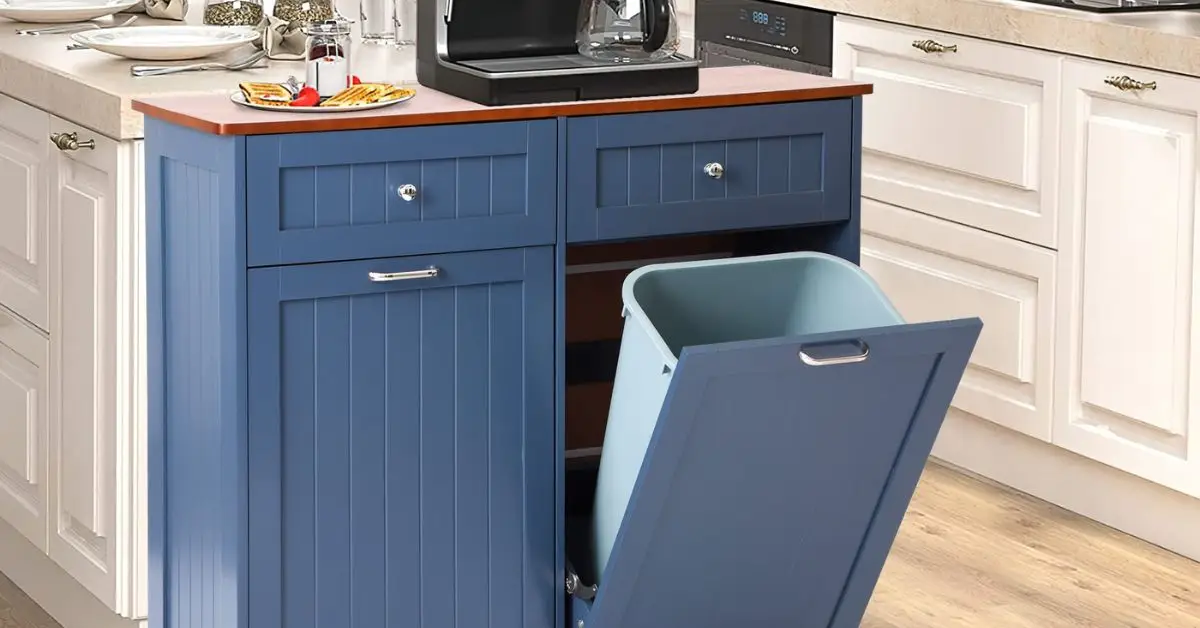
If your kitchen is small or you’re trying to avoid a full cabinet modification, tilt-out cabinet panels can still make sense. I’ve seen this work really well in compact kitchens, especially where every inch matters. But it only works when expectations are realistic.
A tilt-out panel usually sits under the sink or on the side of an island and opens outward. It’s simpler than a pull-out and costs less, but it’s not meant for heavy daily use.
This option is a good fit if you:
- Have limited cabinet depth or narrow walkways
- Want a lower-cost solution
- Don’t generate a lot of kitchen waste
Things you should think about before choosing it:
- Smaller bin means more frequent emptying
- Odor control is weaker than pull-out systems
- Not ideal if you need space for recycling
Design guidance from Livingetc shows tilt-out panels working best in tight kitchens where visual cleanliness matters more than capacity.
Before moving ahead, ask yourself this honestly: do you need maximum convenience while cooking, or are you mainly trying to clean up how the kitchen looks?
Way 3: Under-Sink Hidden Trash with Sliding Frame
If you ask me, the space under the sink is one of the most wasted spots in US kitchens. People keep searching for “where to put the trash can” because they don’t realize this area can work really well—if it’s planned right. I’ve seen under-sink trash setups that are incredibly practical and others that become a daily headache. The difference is planning around the plumbing.
You don’t need perfection here—you need smart placement.
What actually makes this option work:
- Sliding frames are designed to fit around pipes, not fight them
- Pre-built frames are faster and more reliable if you don’t DIY
- DIY setups can work, but only if measurements are precise
- Easy access for taking bins out and cleaning spills
Maintenance matters more here than anywhere else. Since under-sink setups deal with moisture and food waste, regular cleaning matters more here than anywhere else, and these simple ways to clean trash cans and stop odors for good can help prevent smells from building up inside enclosed cabinets. Leaks, drips, and food waste don’t mix well if cleaning is hard. Real-world installation examples from Room for Tuesday show how under-sink trash can be both hidden and practical when the layout is respected.
This option is best if you want the trash close to the sink and prep zone, but still out of sight.
Way 4: Kitchen Island Concealment (High-End Look Without Visual Clutter)
If your kitchen opens into the living or dining area, I know exactly why visible trash bothers you. In open-plan homes, the island becomes the visual center—and a trash can anywhere near it breaks the whole look.
Hiding trash inside the island solves that problem while improving workflow. You prep, you discard, and you keep moving—without turning around or walking away.
Why island concealment feels so smooth in daily use:
- Trash drawer sits right where prep happens
- Keeps sightlines clean in open layouts
- Works well with deep drawers and soft-close systems
- Feels intentional, not like an add-on
Some kitchens even use discreet trash chutes built into the island surface, but drawer-based concealment is more common and easier to live with. If you cook often and entertain guests, this setup quietly upgrades both function and design.
Way 5: Disguised Trash Cans That Blend with Decor
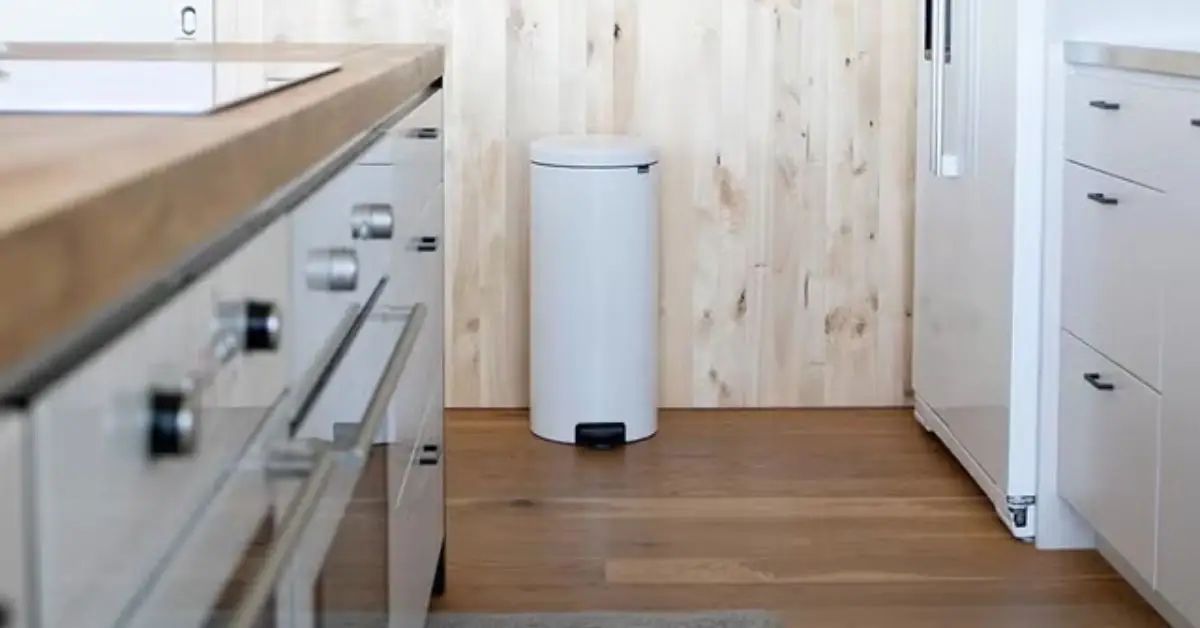
If you rent or don’t want to touch your cabinets, this is where you should focus. I’ve seen people stress over hiding trash when the smarter move was simply choosing something that doesn’t look like trash in the first place.
These options don’t lock trash away—they just make it visually disappear.
This works well when:
- You can’t renovate or install hardware
- You want flexibility to move things around
- You care more about looks than locking trash inside
Popular choices that blend naturally:
- Cabinet-style trash bins that look like furniture
- Wicker or wood-finish bins that match decor
- Neutral-toned bins that fade into the background
One important thing to remember: hiding doesn’t always mean sealing. If you have pets or toddlers, this option may need extra thought. But for many homes, especially rentals, this is the easiest win with zero installation stress.
Before we move on, tell me this—are you trying to hide trash permanently, or do you just want it to stop standing out in your kitchen?
Way 6: DIY & Budget Hiding Hacks (No Remodeling Required)
Not everyone wants to drill cabinets or spend money on hardware—and honestly, you don’t have to. I see real people asking these questions all the time: how do I hide the trash without changing my kitchen? That’s where simple DIY and budget hacks shine.
These ideas work because they’re flexible. You can try them, adjust them, or remove them without committing to a permanent setup.
Practical DIY options that actually get used:
- Fabric skirt under the counter to visually block the trash area
- Foldable screens or panels that hide the bin but move when needed
- Repurposed furniture like a slim cabinet or side table turned into a trash holder
If you’re already exploring DIY solutions indoors, you might also like these stylish DIY ways to hide outdoor trash cans and boost curb appeal, especially if visible bins outside bother you just as much.
What makes these ideas reliable is that they come from homeowners who’ve tested them in daily life—not staged kitchens. If you’re renting, experimenting, or working with a tight budget, this is often the smartest place to start.
Way 7: Pet- & Kid-Proof Hidden Trash Placement
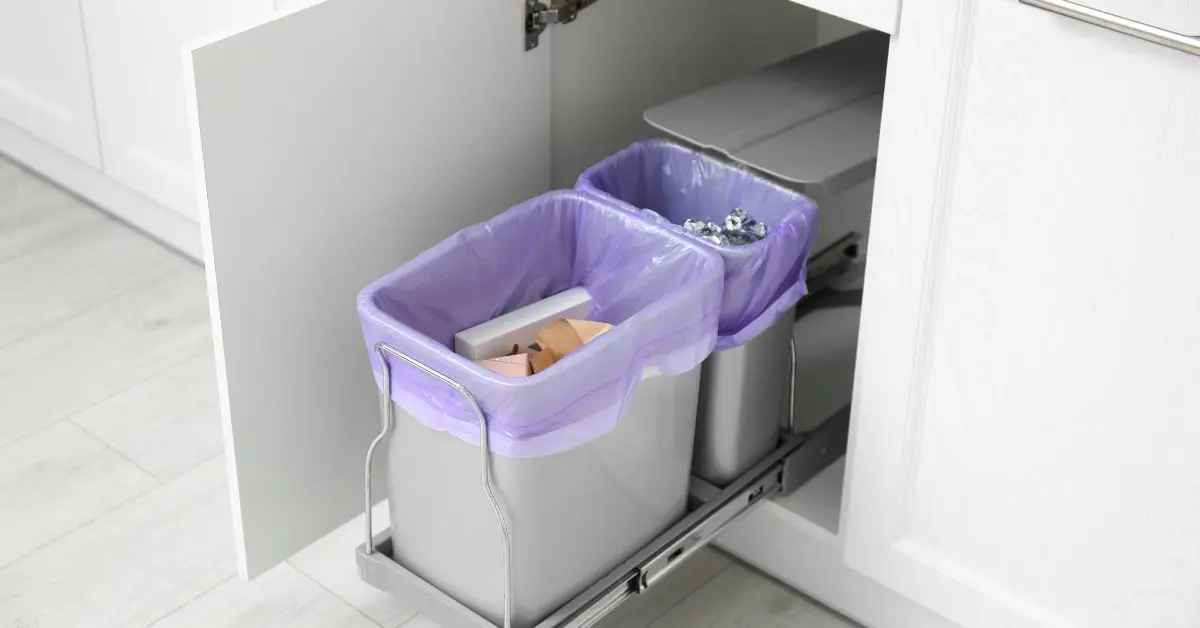
This is something many guides skip, but I see it cause real problems in homes. Hiding trash is one thing. Keeping it secure is another. If you have kids or pets, the wrong setup can turn into a daily mess—or worse, a safety issue.
The good news is that you don’t have to choose between safety and convenience.
What works best in family homes:
- Locking pull-out systems that pets can’t nudge open
- Soft-close drawers to prevent finger injuries
- Foot-activated systems for hands-free use during cooking
Hand-pull systems look clean, but they’re easier for pets to figure out. Foot-activated options add convenience, while locks add peace of mind. When you match the system to who lives in your home, the kitchen instantly feels calmer and more controlled.
How to Choose the BEST Way for Your Kitchen
At this point, you don’t need more ideas—you need clarity. The best solution depends on how you live, not what looks good online.
Here’s a simple way I think about it:
Ask yourself:
- Is your kitchen small or spacious?
- Do you own or rent?
- Are you working with a DIY budget or planning a long-term upgrade?
If you rent or want flexibility, start with disguised bins or DIY hacks.
If you cook daily and want efficiency, pull-out or island solutions make sense.
If you have kids or pets, security should guide every choice.
If you want more practical home upgrade guides like this, you’ll find them on Build Like New, where I break things down the way real homeowners need—not in designer jargon.
Now I want to hear from you: Which option fits your kitchen best right now—and what’s stopping you from fixing your trash setup? Drop it in the comments.
Disclaimer: Kitchen modifications, cabinet installations, or hardware changes may require basic tools, measurements, or professional help. Always follow manufacturer instructions and safety guidelines, and check lease or homeowner rules before making permanent changes.