How Your Spring Cleaning Could Be Inviting Pests — 7 Things to Change Today
Spring cleaning is supposed to make your home feel fresh and organized, right? But what if I told you that some of the steps you’re taking could actually be inviting pests in instead of keeping them out? I’ve seen it happen countless times—people meticulously scrub floors, wipe counters, and dust shelves, only to find ants, cockroaches, or even rodents showing up shortly after.
The truth is, pests are sneaky, and they know exactly where to look for food, water, and shelter. Missing the small details during cleaning—like crumbs behind the fridge, a damp corner in the bathroom, or an open trash can—can turn your “sparkling” home into a pest magnet without you even realizing it.
In this guide, I’ll walk you through the most common spring cleaning mistakes that quietly attract pests and, more importantly, show you how to fix them so your home stays genuinely clean—and pest-free. By the end, you’ll know exactly what to watch out for and the practical steps to keep your space safe, fresh, and truly inviting.
What Happens When Spring Cleaning Attracts Pests
Why “Cleaning” Can Sometimes Backfire
I used to think that spending a weekend scrubbing and decluttering was enough to make my home pest-free. But over the years, I’ve realized something important: cleaning alone doesn’t always keep pests away. In fact, certain cleaning habits can accidentally create food, water, shelter, or easy access points—the four things pests are always searching for.
When you deep-clean, you often move furniture, open cabinets, or pull out appliances. These overlooked areas suddenly become perfect spots for pests to hide. A crumb behind the fridge, a damp corner under the sink, or even a small crack in the baseboard can turn into a pest hotspot overnight.
Here’s what I’ve noticed pests are drawn to most during spring cleaning:
- Hidden Food Crumbs – ants, cockroaches, and rodents are experts at sniffing out even tiny morsels.
- Moisture – damp floors, leaky pipes, or standing water can lure insects and rodents.
- Debris and Clutter – piles of paper, cardboard, or fabric create ready-made shelters.
- Unsealed Entry Points – open vents, gaps under doors, or broken screens give pests a free pass.
By understanding these subtle traps, you’ll start seeing your cleaning routine in a whole new light.
Mistake #1: Ignoring Hidden Food Sources
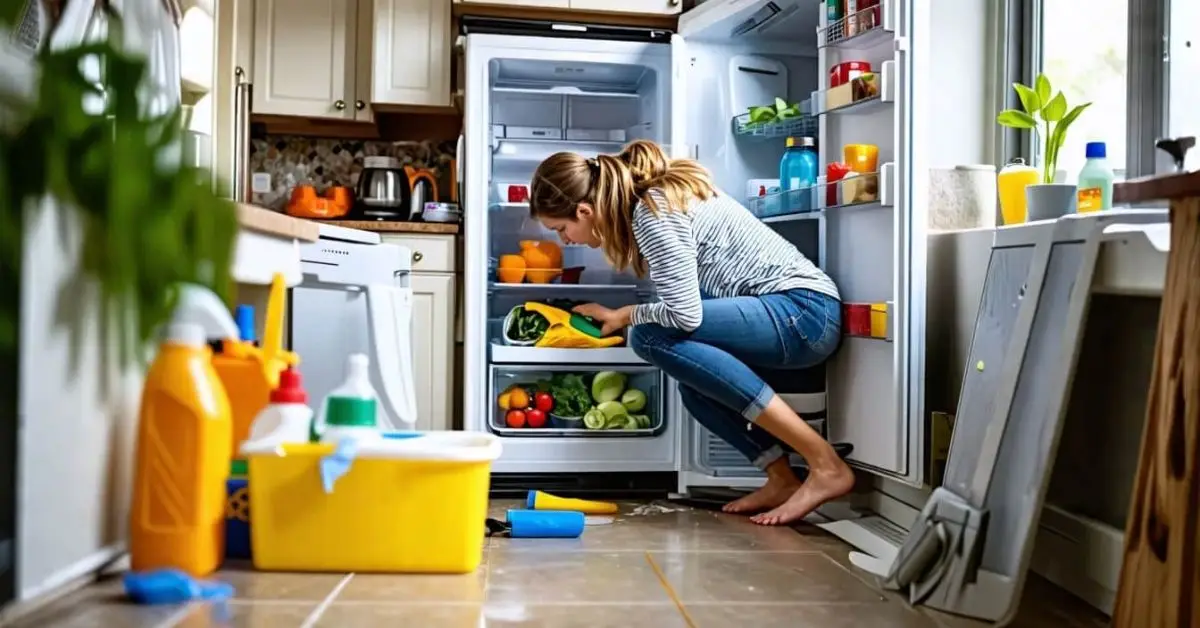
You Cleaned Surfaces — But Skipped Behind And Under Appliances
It’s easy to wipe counters and sweep the floor and feel like you’ve done a thorough job. But if you skip behind the fridge, oven, dishwasher edges, or even the toaster crumbs, pests are quietly feasting on what’s left behind. When you’re deep-cleaning your kitchen, it’s easy to miss tiny spots that attract pests—this is exactly why I always check the hidden corners; if you want a detailed guide, check out these 12 Kitchen Cleaning Mistakes Microbiologists Beg You to Stop Right Now.
Why this matters:
- Crumbs and Grease Are Irresistible to ants, cockroaches, and rodents.
- Hidden Zones are where most infestations start, not in the open areas you see.
Quick Action Tips:
- Pull out appliances periodically to vacuum and mop underneath.
- Check corners and edges behind kitchen units where food often falls.
- Wipe toaster trays, fridge coils, and drawer edges.
According to Tom’s Guide, hidden food is the #1 attractor for pests—so don’t skip it!
Mistake #2: Leaving Trash Bins Dirty Or Unsealed
Trash Smells — And Pests Love It
Even if you’re diligent about taking out the garbage, leftover residue inside the bin can continue signaling food sources to pests. I’ve personally noticed ants crawling right up into bins that looked empty but hadn’t been cleaned thoroughly.
Why this matters:
- Garbage is a major attractor for pests.
- Even small spills or sticky residues can draw insects or rodents.
Actionable Fixes:
- Deep wash bins with deodorizing cleaners regularly.
- Use bins with tight-fitting lids to keep smells contained.
- Keep outdoor bins away from doors and windows to reduce access points.
Mistake #3: Overlooking Moisture & Standing Water
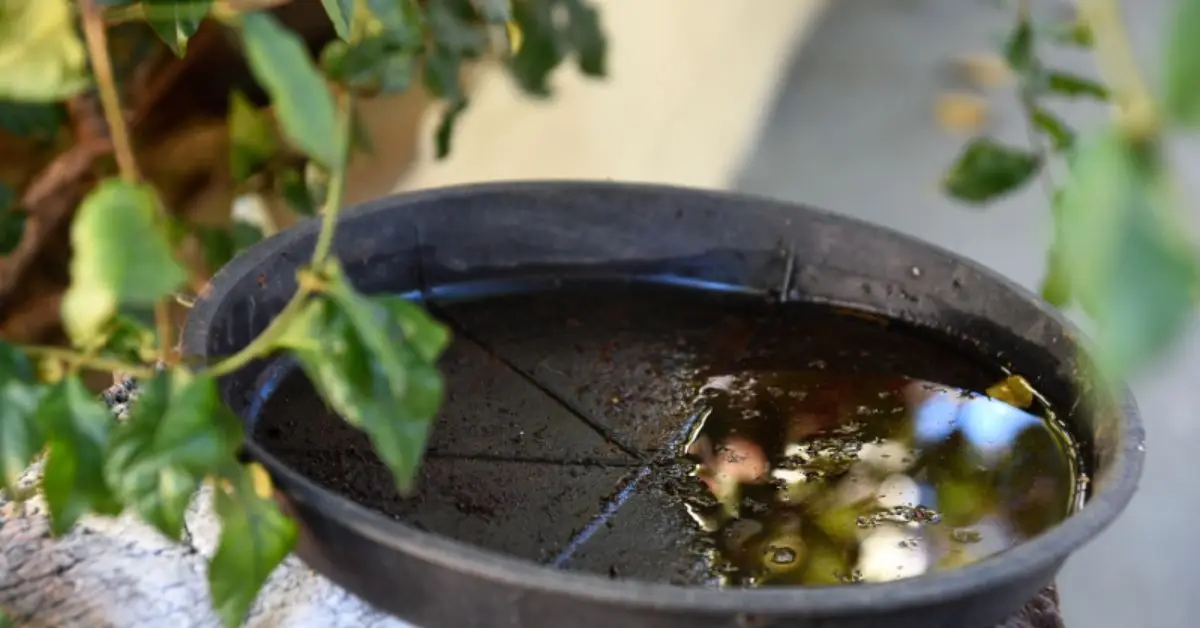
Damp Zones And Leaks Draw Pests More Than Dirt
You might think dirt is the main thing attracting pests, but moisture is often a bigger culprit. I’ve noticed that cockroaches, silverfish, mosquitoes, and even ants are drawn to damp corners and hidden leaks more than anything else. Ironically, during spring cleaning, we can sometimes expose leaks or leave areas damp without realizing it.
Moisture is a huge attractor for pests, especially in bathrooms; small damp corners or shower edges can become breeding grounds—learn more about common Bathroom Cleaning Mistakes Even Clean Freaks Don’t Notice to keep your space truly dry.
Here’s how to keep your home dry and uninviting to pests:
- Fix Leaky Pipes And Faucets – even small drips can provide enough water for pests.
- Dry Shower Areas And Basements – wipe down tiles, sills, and corners after cleaning.
- Clear Clogged Drains – stagnant water in sinks or floor drains is a perfect breeding ground.
Mistake #4: Sealing In Shelter (Clutter + Storage Mistakes)
That “Organized Pile” Might Be A Pest Suite
I get it—you want to look organized, so you pile boxes, papers, or clothes neatly in a corner. But I’ve learned the hard way that these seemingly tidy piles can become perfect shelters for spiders, silverfish, and rodents. The more we disturb these areas during cleaning, the more likely pests will scatter into other parts of the home.
Practical tips to avoid creating a pest suite:
- Replace Cardboard With Plastic Bins – pests can’t chew through or hide inside plastic.
- Declutter And Vacuum Storage Areas – removing debris makes it less inviting.
- Avoid Storing Paper Near Walls – pests often travel along edges and walls.
Mistake #5: Using Sweet Scents Or Inappropriate Fresheners
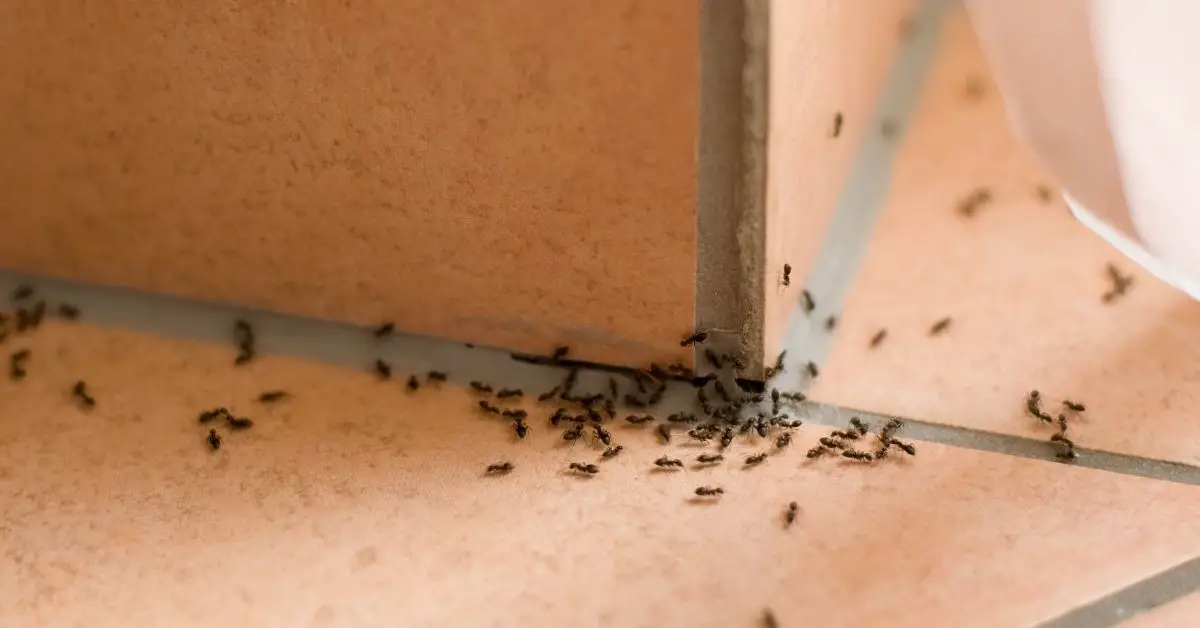
Sorry — “Fresh Smells” Can Attract Ants
It feels great to spray a floral or fruity scent around the house after cleaning. But here’s the twist: many pests interpret sugary or strong fragrances as food. I’ve seen ant trails appear shortly after people mist their kitchens or pantries with these “fresh” sprays. Using cleaning products incorrectly—like harsh detergents or soap residues—can leave food traces or scents that attract pests; for more on common cleaning product mistakes, check out 8 Dish Soap Cleaning Mistakes That Are Actually Ruining Your Home.
Actionable fixes:
- Use Pest‑Repelling Essential Oils – peppermint, eucalyptus, or tea tree oils can freshen the air and deter pests.
- Avoid Strong Air Fresheners In Kitchens – especially near food prep areas.
According to Rentokil, improper storage and scents are among the most overlooked attractants, making this a crucial step during spring cleaning.
Mistake #6: Forgetting To Seal Entry Points
Clean Rooms Mean Nothing If Pests Can Still Get In
Even the cleanest home can become a pest haven if exterior gaps and cracks aren’t properly sealed. I’ve learned that skipping this step is one of the biggest mistakes homeowners make. Pests can squeeze through surprisingly small openings, and once inside, all your hard cleaning work goes to waste.
Here’s where to check carefully:
- Window and Door Gaps – inspect frames and sills for tiny openings.
- Cracks Near Utilities – pipes, vents, and cables often leave gaps.
- Roof and Foundation Fissures – even small cracks allow rodents or insects to enter.
According to Orkin, sealing entry points is one of the most effective ways to prevent pests from taking advantage of your clean home.
Mistake #7: Neglecting Yard & Perimeter During Spring Cleaning
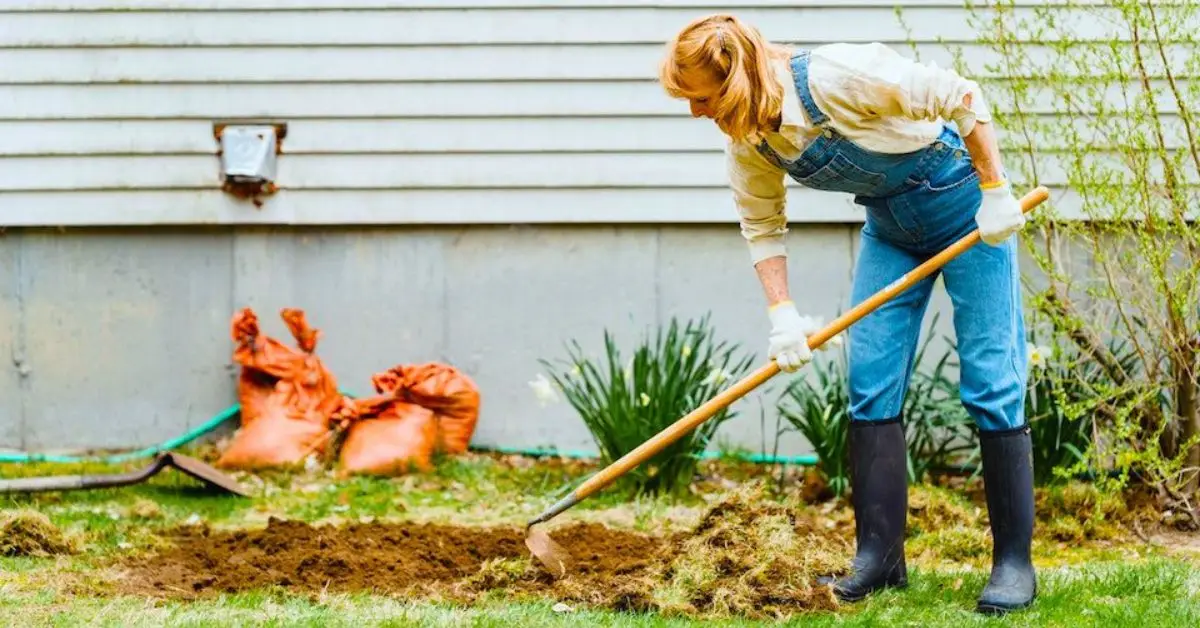
What Happens Outside Affects What Happens Inside
Spring cleaning usually focuses indoors, but I’ve realized that the exterior matters just as much. Overgrown shrubs, yard debris, and standing water around the home create direct pathways and shelters for pests. If you ignore your yard, pests will simply move inside where it’s dry and warm.
Actionable outdoor fixes:
- Trim Shrubs Away From Siding – keeps pests from jumping directly onto your walls.
- Clear Leaves and Debris – remove piles where rodents, insects, and spiders hide.
- Remove Standing Water – prevent mosquitoes and other moisture-loving pests from multiplying.
Smart Pest‑Proofing During Spring Cleaning (Action Checklist)
A Proactive Pest‑Prevention Checklist
After reviewing all these mistakes, the next step is turning them into practical action. I always find that having a checklist makes it easier to stay consistent and keep my home truly pest-free.
Checklist to follow:
- Deep Clean Zones Most Pest-Attractive – kitchens, behind appliances, basements, and storage areas.
- Moisture Control Schedule – regularly check for leaks, standing water, and damp spots.
- Seasonal Pest Defense Calendar – plan cleaning and preventive steps around the peak pest seasons.
- Seal Entry Points and Exterior Gaps – don’t let pests sneak in through cracks or vents.
- Yard and Perimeter Maintenance – trim vegetation, remove debris, and eliminate standing water.
By following these steps, you’re not just cleaning—you’re creating a home that pests actively avoid.
Clean Smarter — Not Just Harder
After walking through all these spring cleaning mistakes, here’s the bottom line: it’s not about scrubbing harder or spending more hours cleaning. It’s about being strategic and tackling the spots and habits that actually attract pests.
Here’s your practical action plan to keep your home pest-free:
- Focus on Hidden Zones – behind appliances, under cabinets, and storage areas.
- Control Moisture – fix leaks, dry damp spots, and eliminate standing water.
- Seal Entry Points – inspect windows, doors, vents, and small cracks.
- Maintain Yard & Perimeter – trim shrubs, clear debris, and prevent outdoor water pooling.
- Use Smart Cleaning Products – avoid strong sweet scents near food, and consider natural pest-repelling oils.
By following these steps, you’re not just cleaning—you’re creating a home that pests actively avoid.
Your Turn: I’d love to hear from you! Have you ever noticed pests sneaking in despite a thorough spring cleaning? Share your experience in the comments below. And if you want more tips on building a home that stays fresh, clean, and pest-free, visit us at Build Like New for expert insights and practical guides.
Disclaimer: This article is for informational purposes only. While we provide expert tips on pest prevention and spring cleaning, results may vary depending on individual homes and circumstances. For severe infestations or persistent pest problems, consult a licensed pest control professional.